Your third cup of coffee is not working. You have scrolled through the same document four times. Nothing sticks. This is mental fog-the enemy of deep work.
Most people reach for another coffee. But there is another way. Peppermint (薄荷) has been used in Chinese medicine for thousands of years as a “清凉草”-cooling herb. Modern research confirms what TCM practitioners knew: peppermint awakens the mind, sharpens focus, and even improves memory.
The question is not whether peppermint works. It does. The question is how to use it properly.
What is Peppermint Incense?
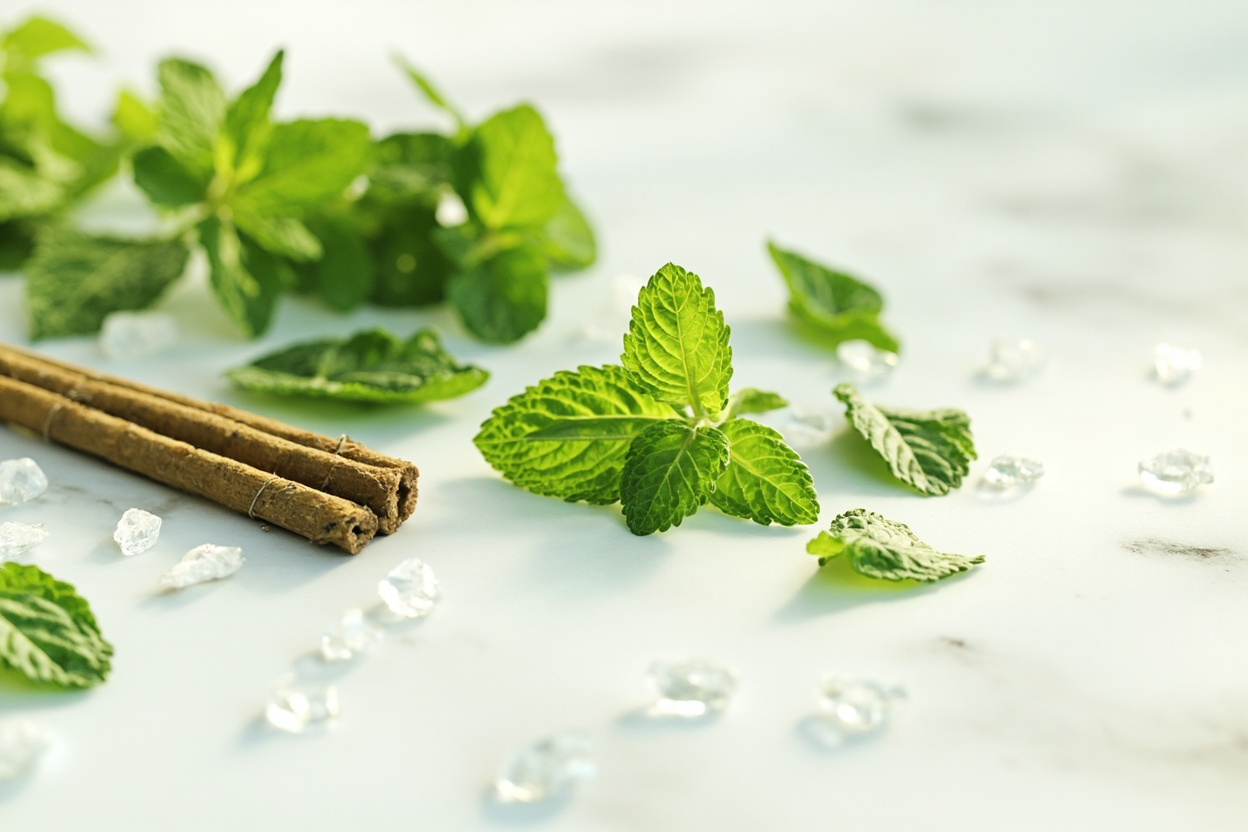
Peppermint incense uses dried peppermint leaves and menthol-rich extracts from the Mentha piperita plant. Unlike floral incenses that calm, peppermint energizes. Its cooling sensation triggers specific neural pathways that increase alertness and mental clarity.
In Chinese incense culture, peppermint falls under “花草線香”-herbal incenses. But it has a unique property: it works in two directions. TCM practitioners discovered that while peppermint clearly “提神醒脑” (refreshes and awakens the mind), small amounts can also be added to calming incense blends to add “灵动感”-spiritual lightness without restlessness.
The Science: How Peppermint Activates Focus

The key compound in peppermint is menthol (薄荷醇). When you inhale menthol vapor, it activates the TRPM8 cold receptors in your skin and nasal passages. These receptors send “cold” signals to your brain-even though the actual temperature has not changed.
This creates a paradox: your brain receives messages saying “you are cool and alert” while your body remains at normal temperature. The result? Reduced perceived fatigue, increased alertness, and improved reaction time.
Research published in Frontiers in Immunology found that sustained menthol inhalation reduced inflammatory markers in the prefrontal cortex-specifically IL-1β and IL-6. These compounds are linked to cognitive decline. The implication: peppermint may protect long-term brain function, not just provide short-term alertness.
A Taiwanese medical review noted that Doctor Zhang Jiaming cited studies showing peppermint activates three defense systems simultaneously: olfactory, immune, and brain. The recommendation: inhale peppermint for 10-15 minutes daily for optimal brain benefits.
Peppermint for Memory and Concentration
Beyond basic alertness, peppermint shows promise for memory enhancement. A 2023 study published in Frontiers in Immunology demonstrated that mice exposed to menthol showed improved memory retention and reduced brain inflammation.
For students, writers, programmers, and anyone doing knowledge work, this matters. One 15-minute peppermint incense session before studying may yield better retention than studying for an additional hour without it.
TCM Perspective: Peppermint and the Liver
In Traditional Chinese Medicine, peppermint enters the Liver meridian (肝经). The Liver governs “疏泄”-the smooth flow of qi throughout the body. When Liver qi stagnates, symptoms include irritability, brain fog, mood swings, and difficulty concentrating.
Peppermint “疏肝解郁”-it disperses stagnant Liver qi and relieves emotional congestion. This explains why peppermint helps when you are stressed and unable to focus. The scattered mental energy that comes from being “wound up” has a TCM basis: Liver qi stagnation.
Modern office workers spending hours in front of screens often develop exactly this pattern. The stagnation from sustained mental effort blocks the smooth flow of qi, creating fog and fatigue. Peppermint incense addresses this root cause, not just the symptoms.
Using Peppermint Incense for Work

When to Burn Peppermint
Morning sessions (7-10 AM): After the initial grogginess wears off but before daily energy naturally peaks. Peppermint bridges the gap between sleep inertia and full alertness.
Post-lunch slump (1-3 PM): The natural circadian dip after eating. Peppermint counteracts the blood flow shift toward digestion by creating alertness through scent.
Before deep work blocks: 10-15 minutes before starting your most demanding cognitive tasks. Think of it as a primer for your brain.
Study sessions: Light peppermint 5 minutes before beginning. Allow the aroma to fill the room while you organize your materials.
How Long to Burn
Unlike calming incenses meant for extended meditation, peppermint works best in shorter sessions:
- 10-15 minutes for focus and alertness
- 20 minutes maximum for intensive study
- For bedroom use, burn 30-60 minutes before sleep, then air the room-peppermint can be stimulating if the scent is too strong when you are trying to rest
Peppermint vs Other Focus Incenses
Peppermint vs Rosemary
Rosemary is another traditional cognitive stimulant. It works primarily through camphor content, which increases blood circulation. Peppermint works faster (via menthol’s immediate receptor activation) but has a shorter duration. Use peppermint for quick resets, rosemary for sustained mental effort.
Peppermint vs Sandalwood
Sandalwood calms and focuses through a different mechanism-it reduces anxiety and creates mental stillness. Peppermint increases energy and alertness. They are not interchangeable. Sandalwood works when you need to concentrate despite anxiety. Peppermint works when you need raw mental energy.
Peppermint vs Green Tea Incense
Green tea incense contains L-theanine compounds that promote calm focus. Peppermint lacks L-theanine but activates alertness more strongly. Green tea works for gentle sustained attention; peppermint works for sharp, immediate focus.
DIY Peppermint Focus Blends
Peppermint combines well with other materials:
- Energy Blend: 3 parts peppermint, 1 part rosemary, 1 part lemongrass
- Study Blend: 2 parts peppermint, 1 part green tea, 1 part sandalwood base
- Office Blend: 2 parts peppermint, 1 part eucalyptus (for sinus clearing)
Use a standard ceramic incense holder with ash or sand. For electric burners, use loose herbs rather than stick incense for better menthol release.
Safety and Precautions
- Do not burn peppermint incense in bedrooms at night-the menthol stimulation can disrupt sleep if the scent remains strong
- Those with LST (G6PD deficiency, favism) should avoid strong menthol exposure
- Pregnant women should limit exposure to strong menthol scents
- For pets: cats and dogs have much more sensitive nasal receptors. Keep incense well away from areas where pets spend time
- Always ventilate-the same research noting peppermint’s benefits also confirms proper airflow is essential for any incense use
Frequently Asked Questions
Does peppermint incense really improve focus?
Yes. The mechanism is well-documented: menthol activates TRPM8 cold receptors, creating alertness signals in the brain. Multiple studies confirm improved reaction time and reduced fatigue. A 15-minute session before cognitive work shows measurable benefits. However, it is not a substitute for adequate sleep or proper nutrition-peppermint maximizes your current capacity, it cannot replace depleted reserves.
Can I use peppermint incense before bed?
Not recommended within 1-2 hours of sleep. The menthol stimulation works against sleep onset. However, if you need to clear a room of scent before bed, open windows for 20-30 minutes. Some people use very faint peppermint earlier in the evening without issues, but sensitivity varies. If you have insomnia, avoid peppermint after 6 PM.
Is peppermint incense safe for pets?
No. Cats and dogs have far more sensitive olfactory systems than humans. Strong menthol can cause respiratory distress in pets. Keep all incense burning well away from pets, and never burn incense in rooms where pets regularly sleep. Signs of distress include sneezing, coughing, pawing at the face, or attempts to flee the area.
How is peppermint incense different from peppermint essential oil in a diffuser?
Both deliver menthol to your olfactory system, but incense provides a different experience. Incense smoke particles carry menthol molecules that persist in the air longer, creating sustained exposure. Diffusers provide quicker but shorter effects. For workspace use, incense may be more practical. For immediate alertness boosts, diffusers offer faster results with less preparation.
Related Articles
- Incense for Anxiety: Natural Stress Relief Guide
- Agarwood vs Sandalwood: Complete Buying Guide
- Incense for Meditation: Complete Practice Guide
Try It Today
You do not need expensive equipment or complicated rituals. Buy natural peppermint incense or grow peppermint in a pot on your windowsill. When you need to focus-before a meeting, while studying, during that afternoon slump-light one stick and sit with the aroma for 10 minutes.
The menthol will activate your alertness systems. The liver qi stagnation that causes modern brain fog will start to disperse. You will feel the difference in how your thoughts sharpen and organize.
The Chinese called it “清凉草”-the cooling herb that awakens. In 2026, we have the research to explain why they were right.