Your hands will not stop shaking. Your chest feels tight. The weight of everything—you cannot breathe through it. This is anxiety. And you are not alone. 264 million people worldwide experience anxiety disorders. The search for relief leads many to meditation apps, breathing exercises, therapy. But there is another tool—one used for thousands of years in Chinese wellness traditions.
Incense for anxiety is not pseudoscience. Research published in the Journal of Alternative and Complementary Medicine found that specific scents can measurably reduce anxiety markers. The key is knowing which scents to use and how to use them properly.
How Incense Affects Anxiety: The Science
The olfactory system connects directly to the limbic system—your brain’s emotional control center. When you inhale incense smoke, aromatic compounds travel through nasal passages and cross the blood-brain barrier within seconds. Different compounds produce different effects: some calm, some energize, some ground scattered thoughts.
In TCM (Traditional Chinese Medicine), anxiety represents “qi stagnation”—energy that will not flow. Certain incense materials are classified as having “安神” (tranquilizing spirit) properties. The Xiangdao Jing (香道经, Classic of Incense Way) instructs practitioners to “use fragrance to guide the mind back to stillness.”
Best Incense Scents for Anxiety Relief
Lavender: The Research-Proven Calm
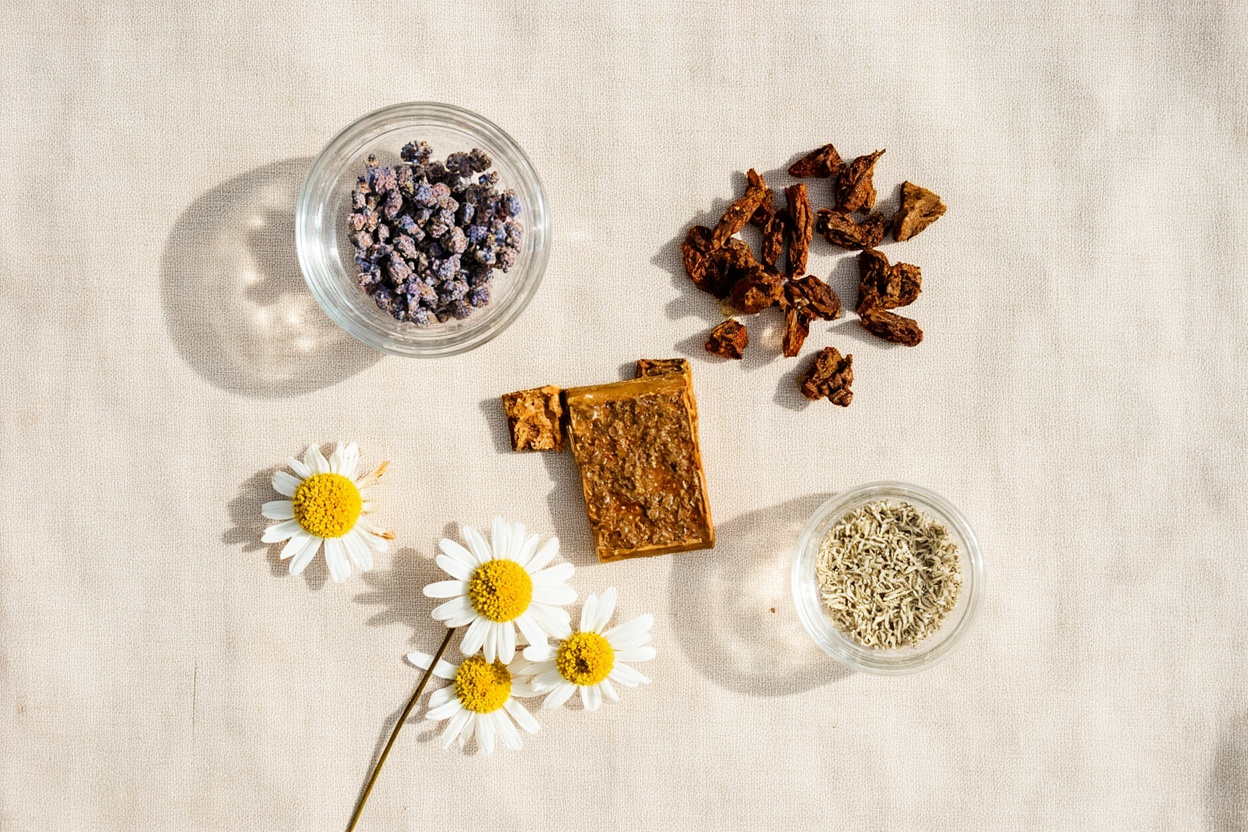
Of all anxiety-reducing scents, lavender has the strongest scientific backing. Multiple studies confirm that lavender aroma reduces self-reported anxiety scores and improves sleep quality. One study found lavender reduced anxiety by 26% in patients awaiting surgery.
In Chinese herbalism, lavender (薰衣草) falls under “花草線香”—herbal incense. It “放鬆心情、改善焦慮、減少壓力” (relaxes the mood, improves anxiety, reduces stress). The scent is light, floral, and non-invasive—making it ideal for beginners.
Sandalwood: Grounding and Centering
Sandalwood (檀香) appears in TCM texts for its “安神助眠、舒緩壓力” (calms the spirit, aids sleep, relieves tension) properties. Its warm, creamy aroma creates what practitioners call “grounding effect”—pulling scattered energy downward and inward.
Aromatherapy research confirms sandalwood’s anxiolytic potential. The compounds alpha-santalol and beta-santalol interact with GABA receptors, producing calming effects similar to mild sedatives—without the chemical dependency.
Agarwood: Deep Meditation Support
Agarwood (沉香) is the “众香之首”—king of all fragrances in Chinese incense culture. For anxiety, it works differently than lavender or sandalwood. Instead of immediate calming, agarwood “引導心神歸於寧靜”—guides the spirit toward quietness gradually.
TCM texts describe agarwood as “鎮靜安神” (sedates and calms the spirit), “淨化磁場” (purifies energy field), effective for “緩解焦慮、失眠、思緒混亂” (relieving anxiety, insomnia, racing thoughts).
Frankincense: Ancient Anxiety Remedy
Frankincense resin has been used since ancient Egypt for spiritual and emotional purposes. Modern research confirms frankincense has “anxiety-reducing effects by impacting neural pathways in the brain related to emotions.”
In Chinese medicine, frankincense (乳香) works alongside myrrh as “活血化瘀”—promoting blood circulation and removing stasis. For anxiety, this translates to releasing physical tension stored in the body.
Chamomile: Gentle Nerves Soother
Chamomile (甘菊) is famous as a tea for relaxation. As incense, it retains these calming properties. The scent is mild, apple-like, and particularly effective for “nervous tension” and general unease. TCM classifies chamomile as cooling—helpful for anxiety accompanied by agitation or irritability.
How to Use Incense for Anxiety
Creating an Anxiety-Relief Ritual
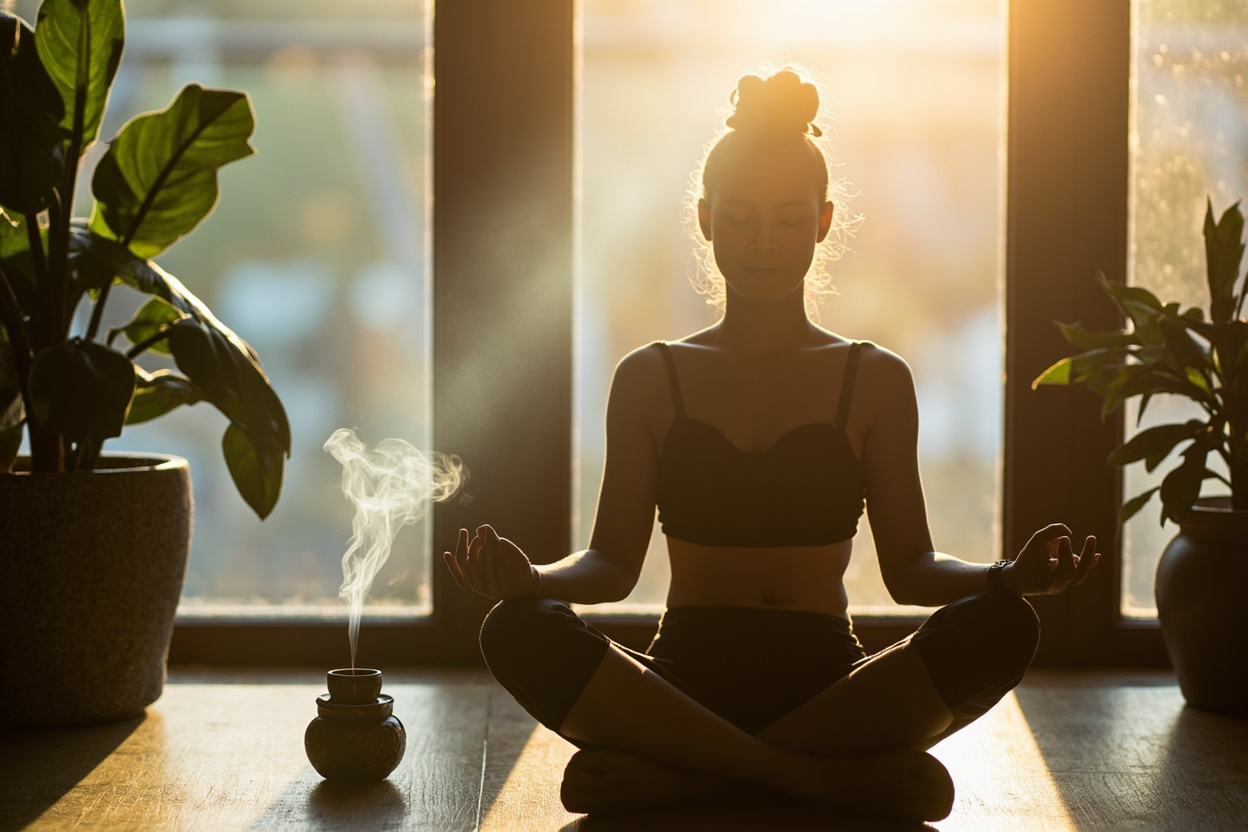
Do not just burn incense while working. Create a dedicated practice:
- Choose a quiet space—a corner of your bedroom, a home meditation area, even a bathroom with the door closed
- Set a timer—15-20 minutes is sufficient. Longer is not better.
- Light properly—allow the stick to catch flame for 3-5 seconds, then gently blow out. You want embers, not fire.
- Sit comfortably—do not lie down unless you are using it for sleep
- Focus on breath—breathe normally and let the scent fill your awareness
When to Burn
Morning: Light sandalwood or frankincense for focus and energy without jitters
Midday: Chamomile or light lavender for a reset during high-stress periods
Evening: Deep lavender or agarwood for unwinding and sleep preparation
During anxiety attacks: Use any calming scent. Focus on the aroma first, then breath.
TCM Perspective on Anxiety
In TCM theory, anxiety relates to three organ systems:
- Heart (心): Houses the shen (spirit). Heart blood deficiency causes anxious thoughts, insomnia, palpitations.
- Spleen (脾): Governs thought. Overthinking and worry damage spleen qi, creating anxiety patterns.
- Liver (肝): Controls qi movement. Liver qi stagnation creates chest tightness, frustration, emotional buildup.
Different incense materials address different patterns. Agarwood primarily affects the Heart. Sandalwood supports both Heart and Spleen. Frankincense moves Liver qi. Understanding your anxiety pattern helps you choose the right scent.
Safety Precautions
Before burning incense for anxiety, understand the risks:
- Research confirms incense smoke contains PM2.5, formaldehyde, and benzene compounds—all linked to respiratory and cancer risks
- Never burn in fully enclosed rooms—open windows are essential
- Limit sessions to 30 minutes maximum
- Pregnant women and those with asthma or respiratory conditions should avoid incense or use extreme caution
- Choose natural incense—synthetic varieties release additional toxic compounds
- Do not leave burning incense unattended
The Xiangdao Jing states: “使火为热,不为烟”—let flame serve heat, not create smoke. Proper technique means minimal smoke, maximum aroma.
DIY Anxiety-Relief Incense Blends
You can create your own calming blends:
- Calming Blend: 3 parts sandalwood, 1 part lavender, 1 part chamomile
- Grounding Blend: 2 parts agarwood, 1 part frankincense, 1 part cedarwood
- Sleep Blend: 2 parts lavender, 1 part valerian root (if available), 1 part sandalwood
Use a ceramic dish with sand or ash as your burner. Never blend directly on electric burners.
Frequently Asked Questions
How long does it take for incense to reduce anxiety?
Most people notice effects within 5-10 minutes of burning. The immediate aroma triggers olfactory responses. However, building a consistent practice over weeks produces longer-term anxiety management benefits. Incense is not a pill—it works through gradual nervous system retraining.
Can I use incense during an anxiety attack?
Yes, but choose carefully. Use sandalwood or lavender—avoid energizing scents like eucalyptus or peppermint. Focus on the aroma and practice box breathing: inhale for 4 counts, hold for 4, exhale for 4, hold for 4. The ritual of lighting and using incense also provides grounding through sensory focus.
Is burning incense safer than anxiety medication?
No. Anxiety medication (prescribed or OTC) is FDA-regulated and scientifically validated for clinical anxiety disorders. Incense is a complementary tool, not a replacement for professional mental health care. Use incense alongside therapy, medication, and other evidence-based treatments. If your anxiety is severe, consult a healthcare provider first.
What type of incense is best for anxiety?
Natural plant-based incense ranks highest for anxiety relief. Look for ingredients like sandalwood, agarwood, lavender, frankincense, chamomile, and other botanicals. Avoid incense labeled “fragrance oil,” “synthetic,” or “perfume”—these lack therapeutic compounds and may contain harmful chemicals. In Chinese medicine classification, “花草線香” (herbal incenses) specifically target relaxation and stress relief.
Related Articles
- Incense for Sleep: Natural Remedies for Better Rest
- Agarwood vs Sandalwood 2026: Complete Buying Guide
- What Is Xiangdao? The Complete Guide to Chinese Incense Culture
Start Your Practice
Anxiety does not disappear with one incense session. But with consistent practice—15 minutes daily, focused attention, proper scents—you build something. A ritual. A pause between stimulus and response.
The Xiangdao Jing says: “香气入心,心随香静”—when fragrance enters the heart, the heart follows the fragrance to stillness.
Try sandalwood first. It is accessible, well-researched, and gentle enough for daily use. Light one stick tonight. Sit with it. Breathe.