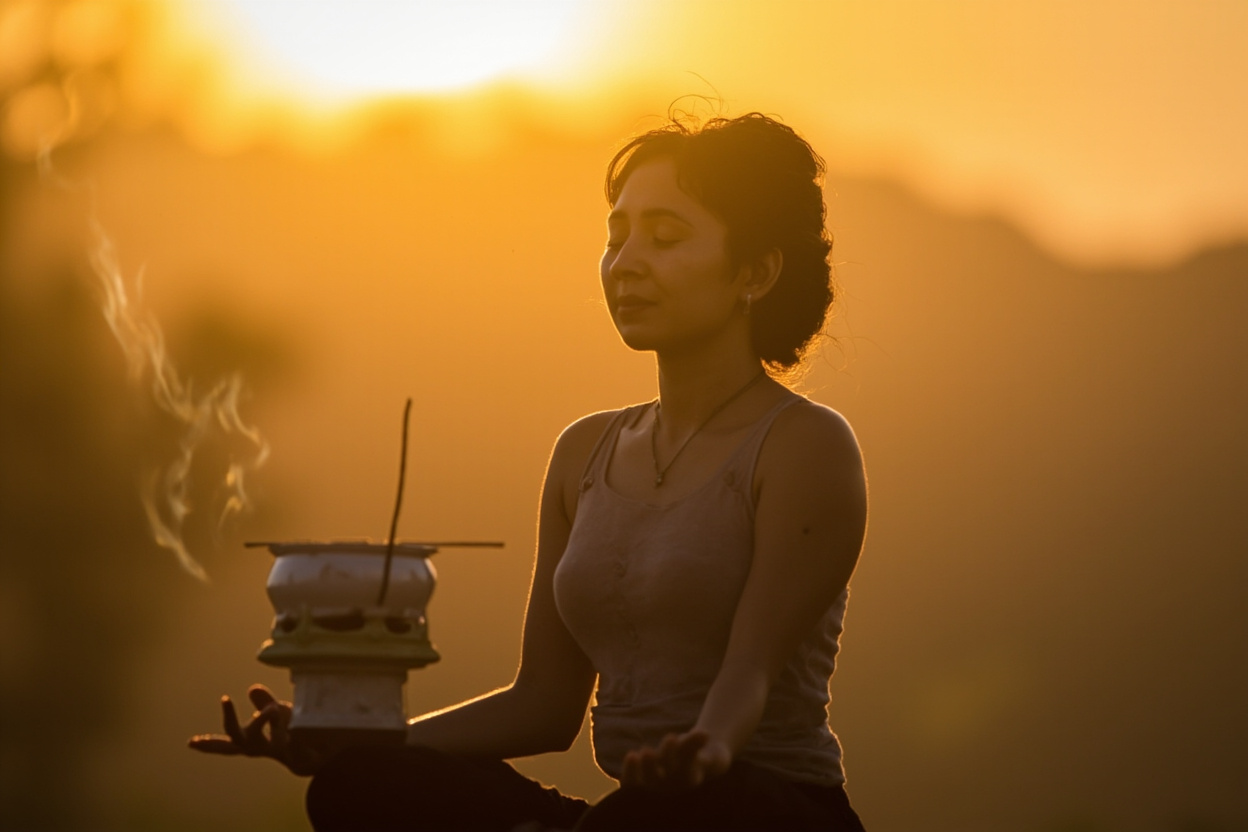
You sit down to meditate. Phone off. Door closed. Eyes closed.
But your mind keeps running. Tomorrow’s meeting. That argument last week. What to make for dinner.
Something is missing. The mind needs an anchor. The breath helps. But sometimes you need more.
Enter incense. One of humanity’s oldest meditation tools.
Why Incense Works for Meditation
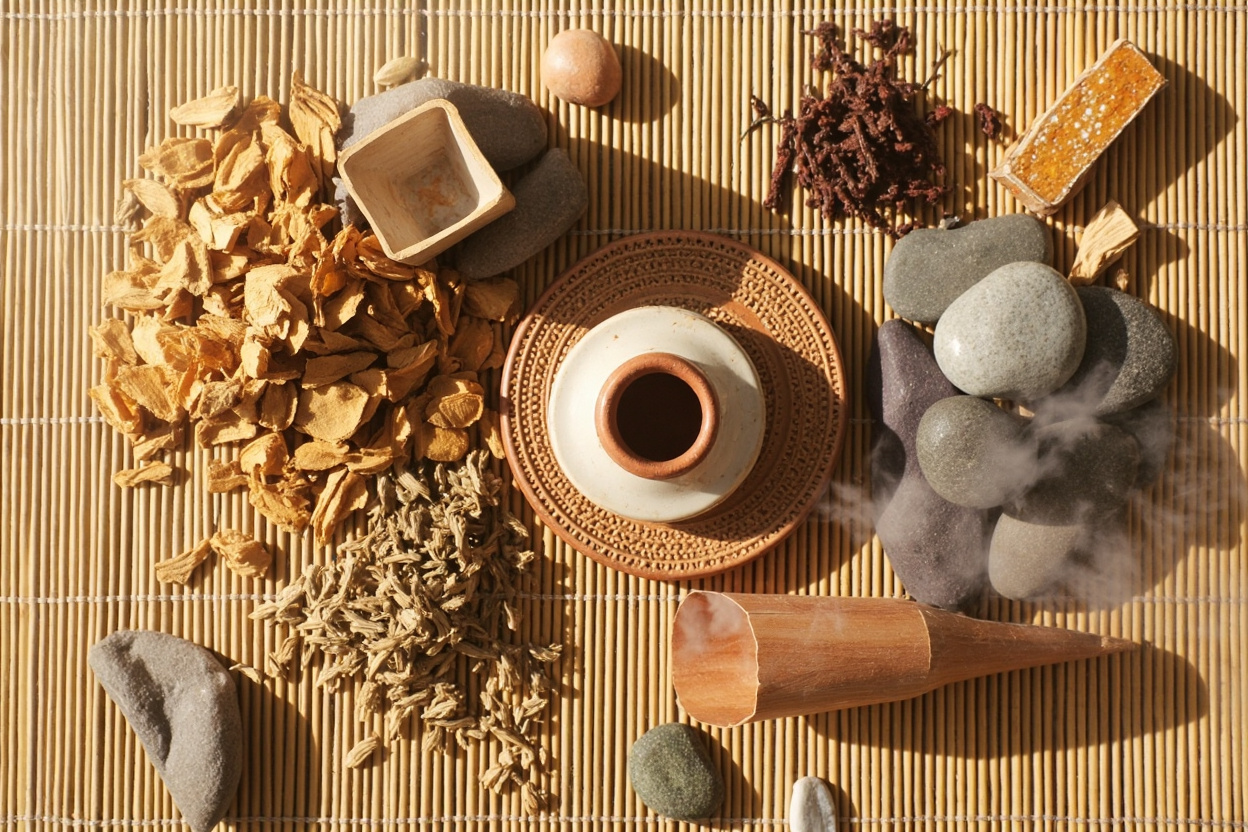
The smell hits your limbic system directly. No thinking required. The aroma signals: this is meditation time. The brain receives the message and begins settling.
This is not superstition. The olfactory bulb connects directly to brain regions that control emotion, memory, and attention. When you burn sandalwood, those regions activate. The mind follows.
Chinese meditation tradition has used incense for this purpose for over two thousand years. The Xiangdao practitioners knew what modern neuroscience confirms: specific aromas prepare the mind for stillness.
Best Incense Materials for Meditation
Sandalwood
The entry point. Most beginners should start here.
Sandalwood produces alpha brain waves—the same waves active during deep meditation. The warm, sweet aroma calms without sedating. You stay alert while becoming centered.
In TCM, sandalwood consolidates qi and calms the spirit. The classical text Bencao Gangmu records it for removing foul qi and dispersing pathogenic qi.
Frankincense
The serious practitioner’s choice.
Frankincense deepens the breath. Users report longer exhalations, easier retention, fewer intrusive thoughts. The boswellic acids in frankincense resin appear to have direct neurological effects.
Biblical references to frankincense are not accident. Ancient practitioners knew this material produced contemplative states. Monks across multiple traditions use it specifically for this purpose.
Agarwood (Oud)
For advanced practice only.
Agarwood is expensive. But the complexity of its scent profile demands attention. You cannot burn agarwood while watching television. The aroma demands presence.
The layered scent—sweet, woody, sometimes camphor-like—evolves across the burn session. Your practice can evolve with it. Beginning, peak, resolution—the incense provides structure when your mind cannot.
Cedarwood
The grounding choice.
When your mind scatters in twenty directions, cedarwood brings you back. The strong, woody aroma anchors attention. Meditators with ADHD often find cedarwood more effective than milder scents.
How to Use Incense During Practice
Before You Sit
Light the incense before beginning. Let it burn for thirty seconds, then blow out the flame. Allow the smoke to fill your space. This is your transition signal. Work mode ends. Presence begins.
During the Session
Place the burner within arm’s reach but below eye level. The smoke should reach you without requiring you to lean. Focus on the breath. Let the aroma support without demanding attention.
If your mind wanders, do not fight it. Shift attention to the incense. Notice the scent’s evolution. Then return to the breath. This is not failure. This is practice.
Ending the Session
Let the incense burn out naturally if possible. The absence of aroma signals the end of practice. Your brain learns this pattern. Future sessions begin more easily.
Common Mistakes
Too Much Smoke
More incense does not mean better meditation. Heavy smoke aggravates the lungs and creates distraction. One stick or one cone is enough. The subtlety of the scent matters more than the volume of smoke.
Wrong Time
Burning incense while working defeats the purpose. The brain needs consistent associations. If you burn sandalwood during work and during meditation, neither context produces the full effect.
Poor Quality
Synthetic fragrances do not work. They smell pleasant but produce no neurological effect. The aromatic compounds in natural incense—the sesquiterpenes, the resinous materials—require genuine plant sources. Buy from reputable dealers. The cost difference reflects real chemistry.
TCM Framework for Incense Selection
Traditional Chinese Medicine offers specific guidance based on your pattern:
- Kidney deficiency (fatigue, fearfulness): Agarwood, cedarwood
- Liver qi stagnation (irritability, tension): Sandalwood, dragon well tea incense
- Spleen deficiency (brain fog, overthinking): Dragon blood resin, bitter herbs
- Lung deficiency (shallow breath, anxiety): Frankincense, pine
Match the material to your presentation. A TCM practitioner can help identify your pattern.
Practical Setup
You need:
- One ceramic or sandalwood holder
- Natural incense sticks or cones from a reliable source
- A well-ventilated space
- Five to twenty minutes
That is all. No expensive meditation cushion. No specific room. No special clothing. The practice adapts to your life.
How Long Until You Notice
Some users report immediate effects. The aroma creates atmosphere change within seconds. The deeper neurological recalibration takes longer—typically two to three weeks of consistent practice.
Track your sessions. Note the incense material, the duration, the quality of your practice. Over time, you will develop preferences. Your practice will evolve.
Frequently Asked Questions
Can I use incense every day?
Yes. Daily incense practice builds stronger neural associations than occasional use. Choose one primary scent for consistency. Reserve variety for special practice sessions.
Is too much incense bad for lungs?
Natural incense in moderate amounts produces minimal concern. Avoid enclosed spaces with heavy, prolonged exposure. Ventilate your practice area. Those with respiratory conditions should consult a practitioner before beginning.
What if I cannot smell well?
Olfactory training helps. But even without strong smell perception, the aromatic compounds enter the bloodstream through the lungs. Incense still functions even when scent awareness is reduced.
Which first?
Start with sandalwood. If that works well, explore frankincense for deeper sessions. Save agarwood for when you want to commit serious time to practice. Cedarwood works best when you need grounding before active tasks.
Related Articles
- Best Incense for Meditation Practice
- Agarwood vs Sandalwood: Complete Buying Guide
- Incense for Anxiety: Natural Stress Relief
Start Tonight
Buy one sandalwood stick. One small holder. Light it before bed tonight. Sit with it for five minutes.
Notice what happens.
The practice does not require belief. It only requires trying.