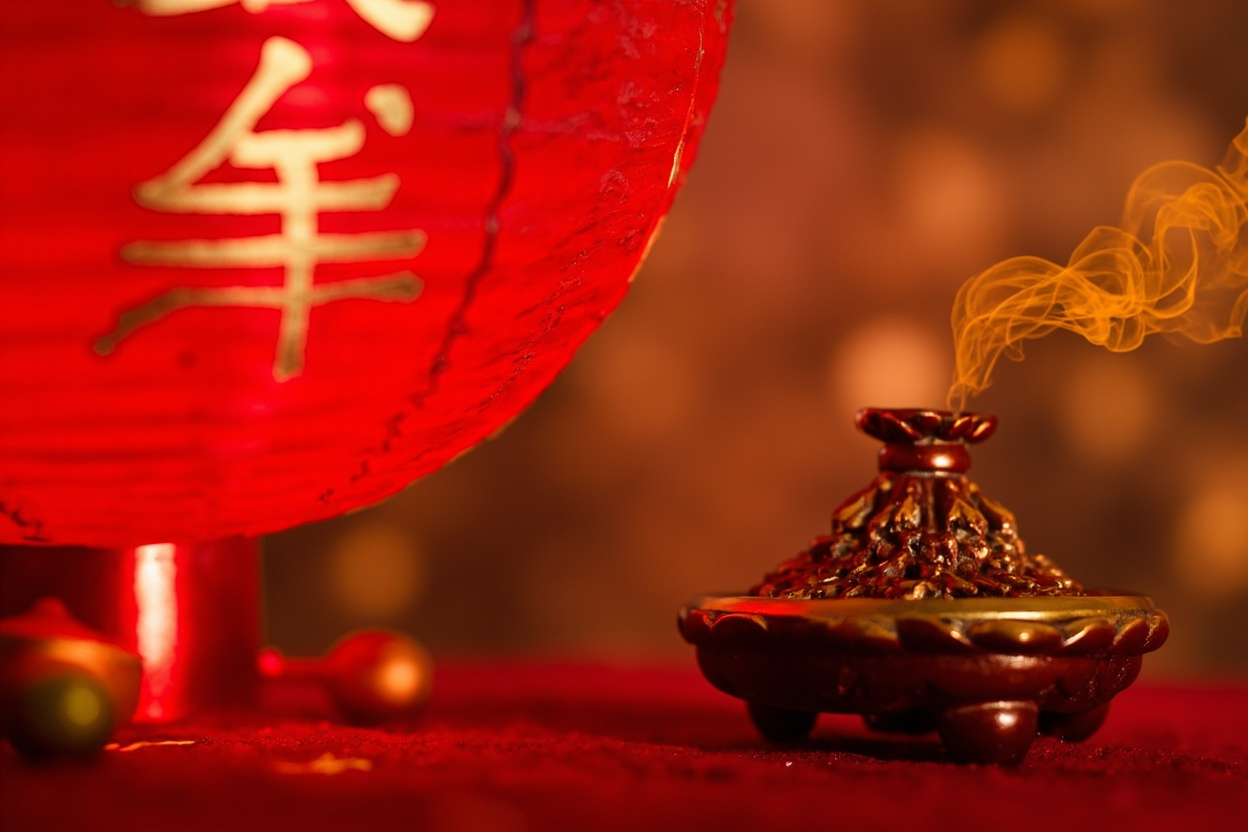
In February 2026, something unusual happened. Valentine’s Day fell on February 14th. Chinese New Year followed just three days later on February 17th. Suddenly, the calendar offered a once-in-a-generation moment: romance and tradition, devotion and prosperity, side by side.
This coincidence captured something bigger. Chinese incense culture—quietly fading for decades—is experiencing a genuine revival. And in 2026, it is accelerating.
The Revival: Why Chinese Incense is Coming Back
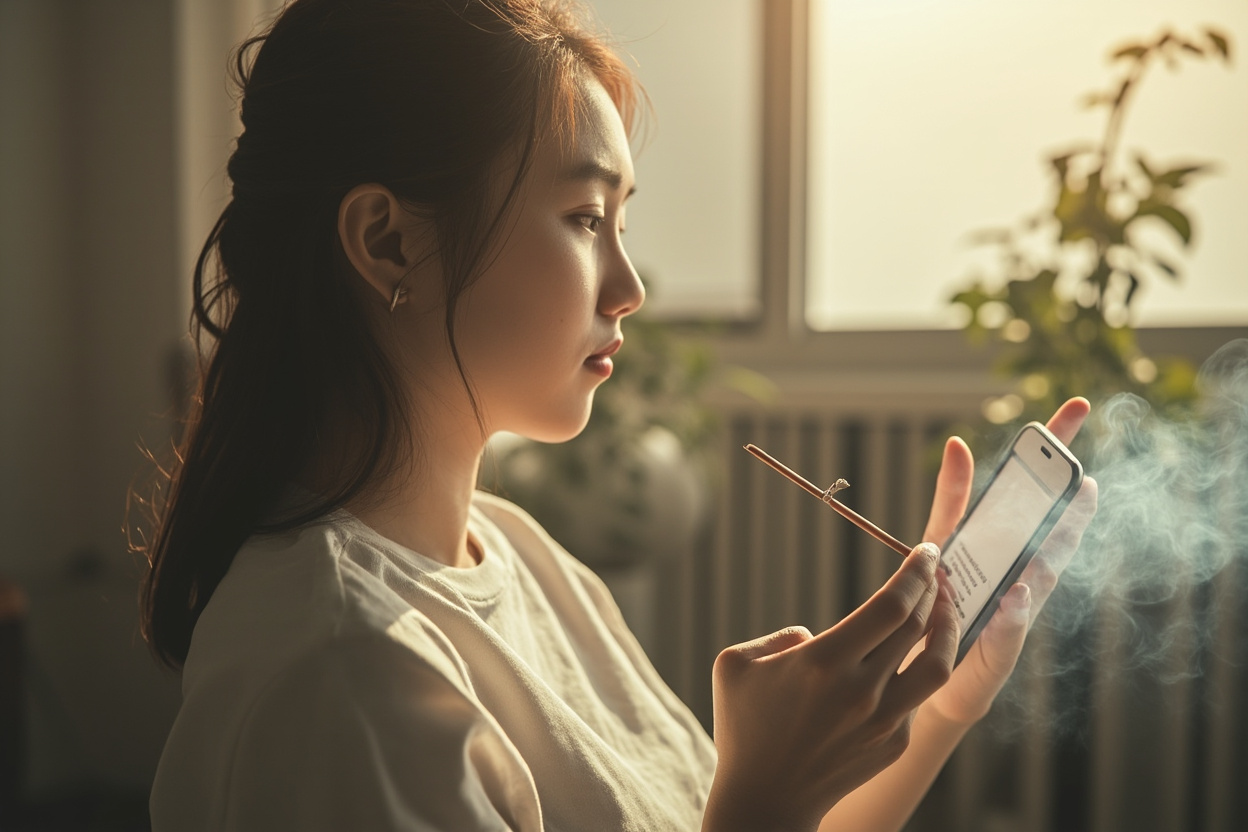
For years, incense in China meant temple rituals and elderly relatives. The young pursued international perfume brands. Domestic incense felt old-fashioned, associated with superstition and dusty tradition.
That changed around 2024. Several forces converged:
Social media aesthetics: Platforms like Xiaohongshu (小红书) and Bilibili showcased incense as a visual and sensory experience. The smoke itself became content—mesmerizing, meditative, photogenic. Videos of incense smoke rising in carefully arranged setups attracted millions of views.
Mindfulness and wellness: As younger Chinese grappled with work stress and anxiety, traditional practices like meditation, tea ceremony, and incense offered alternatives to overprescribed solutions.
Cultural confidence: A broader shift toward Chinese identity created demand for native practices over imported ones. Incense was suddenly “cool” in a way it had not been for decades.
The entrepreneurs: New brands entered the market with modern packaging, sophisticated blends, and direct-to-consumer marketing. They reframed incense from “grandmother’s practice” to “conscious living tool.”
2026 Trends: What is Happening Right Now
Natural Materials Over Synthetic
The first wave of incense revival brought cheap, synthetic products. The market quickly learned the difference. Natural materials—sandalwood, agarwood, herbals—command premium prices because they offer something synthetic cannot: complexity, therapeutic compounds, and the assurance of authenticity.
Buyers research before purchasing. They ask about ingredients, origins, and production methods. This knowledge-based purchasing pattern rewards honest sellers and punishes those using artificial fragrances.
The Prosperity Gifting Culture
Chinese New Year 2026 showcased incense as a gift category. During the Lunar New Year season, incense serves as “Fortune Incense”—香礼 for family visits, reunion dinners, and host gifts.
The logic is cultural: incense “clears the old and welcomes the new.” It prepares a home for the year ahead. During reunion dinner, burning incense creates shared atmosphere without overwhelming the table conversation. The smoke itself carries meaning—symbolizing the connection between living family and ancestral blessings.
Gift sets featuring premium incense became standard presents. Packaging matters as much as contents. A beautifully boxed agarwood set signals respect and care. The note often included: “For peace in the home, and good fortune in the year ahead.”
Daily Rituals, Not Just Special Occasions
Historically, incense in Chinese homes appeared during festivals or ancestor worship. The 2026 generation uses incense differently: as part of daily life.
Morning rituals. Evening wind-down. Yoga practice. Reading sessions. Work-from-home ambiance. Incense has become a sensory anchor for intentional moments throughout the day.
This mirrors the broader wellness trend. But it also reflects something specific to Chinese culture—the concept of “香生活” (fragrant living). Not burning incense for gods or ancestors, but for the simple pleasure of inhabiting a beautifully scented space.
The Cultural Shift: Tradition Meets Modernity
What Young Practitioners Are Saying
On platforms like Xiaohongshu, young practitioners share their incense journeys. The language reveals the shift:
Old framing: “Burning incense for grandmother’s birthday.”
New framing: “Building my morning ritual with sandalwood and green tea.”
The practice remains similar. The identity around it changed. Incense is no longer “traditional superstition” but “mindful living practice.” And this framing makes it shareable, exportable, and appealing to international audiences discovering Chinese culture for the first time.
The International Appeal
Western interest in Chinese incense has grown alongside the domestic revival. But for different reasons.
Westerners approaching Chinese incense encounter something distinct from Japanese incense (which already has established international presence). Chinese incense offers:
- Deeper historical roots (incense culture in China predates Japan by centuries)
- Greater material diversity (the “four great incenses” of agarwood, sandalwood, musk, and frankincense)
- More complex ritual integration (TCM, feng shui, meditation, poetry)
- Rawer aesthetic (less polished, more authentic)
For international audiences seeking alternatives to saturated Japanese incense market, Chinese incense provides fresh territory.
How to Participate: A Beginner Framework
Understanding the Materials
Chinese incense culture centers on four primary materials:
Agarwood (沉香): The king. Formed over decades from infected Aquilaria trees. Complex, layered aroma that changes as it burns. Used for deep meditation, spiritual practice, and high-end gifting.
Sandalwood (檀香): The everyday essential. Warm, creamy, approachable. Workable for beginners. Used in homes, offices, and meditation practice. More affordable than agarwood.
Frankincense (乳香): The ceremonial resin. Biblical associations. Strong, balsamic aroma. Used in Buddhist and Taoist rituals. Also valued in aromatherapy for its grounding properties.
Herbal Incense (花草線香): The modern blend. Dried flowers, leaves, and botanicals. Light, accessible, diverse. Chamomile for sleep. Lavender for anxiety. Peppermint for focus.
Building Your Practice
Start with one material and one occasion. Most beginners choose sandalwood for evening relaxation or morning focus. Burn consistently for two weeks before adding variety.
Document your experience. The same incense reveals different qualities in different moods and settings. This self-knowledge becomes the foundation of a personal practice.
Learn the ritual. Chinese incense culture is not just burning materials. It involves intention, attention, and presence. The Xiangdao Jing instructs: “香气入心,心随香静”—when fragrance enters the heart, the heart follows the fragrance to stillness.
The 2026 Market: What to Expect
The Chinese incense market is professionalizing rapidly. Expect:
- More sophisticated product differentiation (origin-specific agarwood, vintage blends)
- Direct-to-consumer brands challenging traditional retail
- Premium pricing for authentic natural materials
- Increased counterfeit concerns (especially for high-value agarwood)
- Growing international export market
- Integration with wellness, meditation, and self-care sectors
Frequently Asked Questions
Is Chinese incense different from Japanese incense?
Yes, significantly. Japanese incense developed from Chinese foundations but evolved its own distinct character—typically lighter, thinner sticks, focused on subtlety and seasonal awareness. Chinese incense tends toward stronger materials, more complex blends, and deeper ritual integration. The “four great materials” concept comes from Chinese tradition. Japanese formats (kyara, senko) have Chinese precursors.
What is the best Chinese incense for beginners?
Natural sandalwood. It offers immediate gratification—pleasant, warm aroma without requiring the patience agarwood demands. Quality starts around $15-20 for decent stick bundles. Avoid anything labeled “fragrance oil” or “synthetic”—these lack therapeutic compounds and often produce harsh smoke.
Why is Chinese incense suddenly popular with young people?
Cultural confidence, social media aesthetics, and wellness trends converged. Young Chinese found that traditional practices like incense offered something modern life lacked: intentional moments, sensory richness, connection to history. Social media made these practices shareable and therefore desirable. New brands repackaged tradition as lifestyle choice.
How do I buy authentic Chinese incense online?
Research before purchasing. Quality indicators: ingredient lists (should include specific material names, not generic “fragrance”), price relative to market rates (genuine agarwood never costs $5), seller reputation and reviews, return policies. Avoid products with vague ingredient lists or prices too good to be true.
Related Articles
- What Is Xiangdao? Complete Guide to Chinese Incense Culture
- Agarwood vs Sandalwood 2026: Buying Guide
- Incense for Meditation: Practice Guide
Start Your Journey
Chinese incense culture survived centuries of change. It weathered modernization, cultural revolution, and decades of youth rejection. Now it returns—not as relic, but as living practice.
You can participate. It does not require ancestral knowledge or special equipment. Just intention and attention. Light a single stick. Notice how the smoke moves. Breathe.
The Xiangdao Jing says: “香之為物,靜而後得”—Incense reveals itself only to the still.