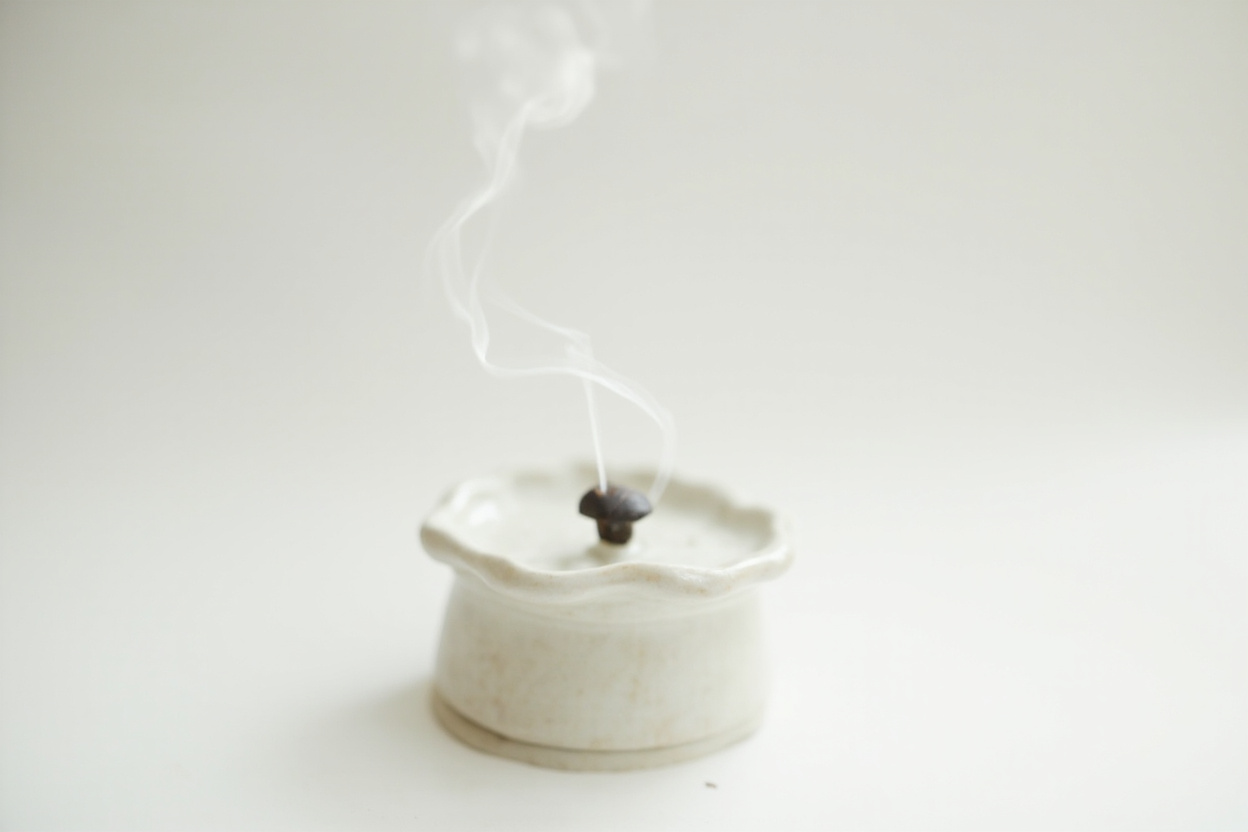
Scroll through Reddit’s r/oddlysatisfying and you will find a video of an incense burner that has captivated 67,000 people. The smoke flows in hypnotic patterns. The design is unexpectedly elegant. Comments range from “I need this” to “I watched this 20 times.”
But beyond the viral videos, there exists a centuries-old tradition of incense burner craftsmanship. From Chinese ceramic sand burners to Japanese bronze censers, the incense holder is not merely functional—it is an art form that elevates the simple act of burning incense into a sensory experience.
Why Incense Burners Are Having a Moment
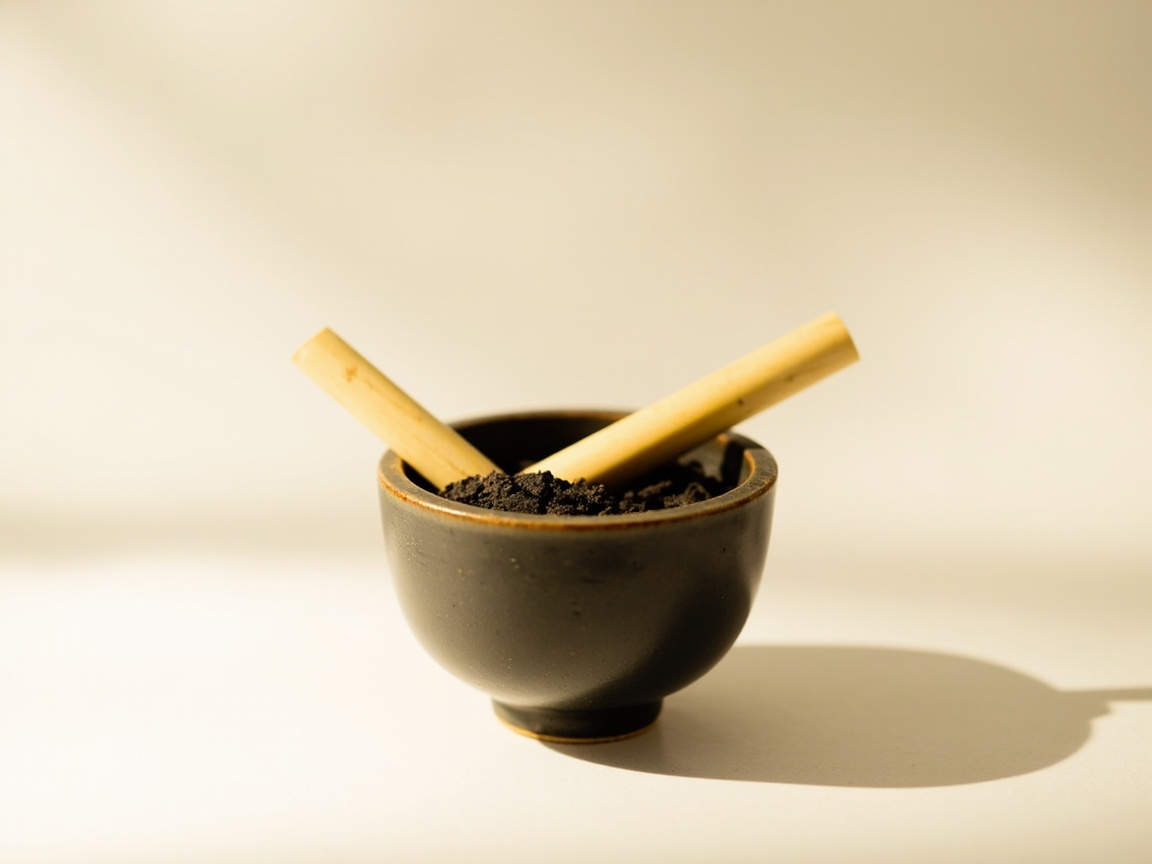
Three converging trends explain the renewed interest in incense burners. First, the meditation and mindfulness movement has brought millions of new practitioners seeking authentic tools for their practice. Second, the “cottagecore” and artisan aesthetic celebrates handcrafted objects over mass-produced items. Third, social media has created a platform for beautiful objects to go viral—incense burners produce genuinely mesmerizing smoke videos.
The global incense market grew 12% recently, driven largely by Western interest in spiritual practices and aromatherapy. But it is not just about burning incense anymore. People want burners that look good on camera, smoke in interesting patterns, and serve as decorative objects when not in use.
The Anatomy of an Incense Burner
Every incense burner consists of three functional parts: the base (stability and heat resistance), the holder (where incense sits), and the catch dish (collects ash). Beyond function, the materials, shape, and design determine how smoke behaves and how the burner fits your space.
Chinese incense burners traditionally used ceramic or porcelain for heat resistance and aesthetic flexibility. Japanese censers (koro) often feature bronze for durability and patina development over time. Modern designers experiment with concrete, glass, and even 3D-printed materials.
Types of Incense Burners
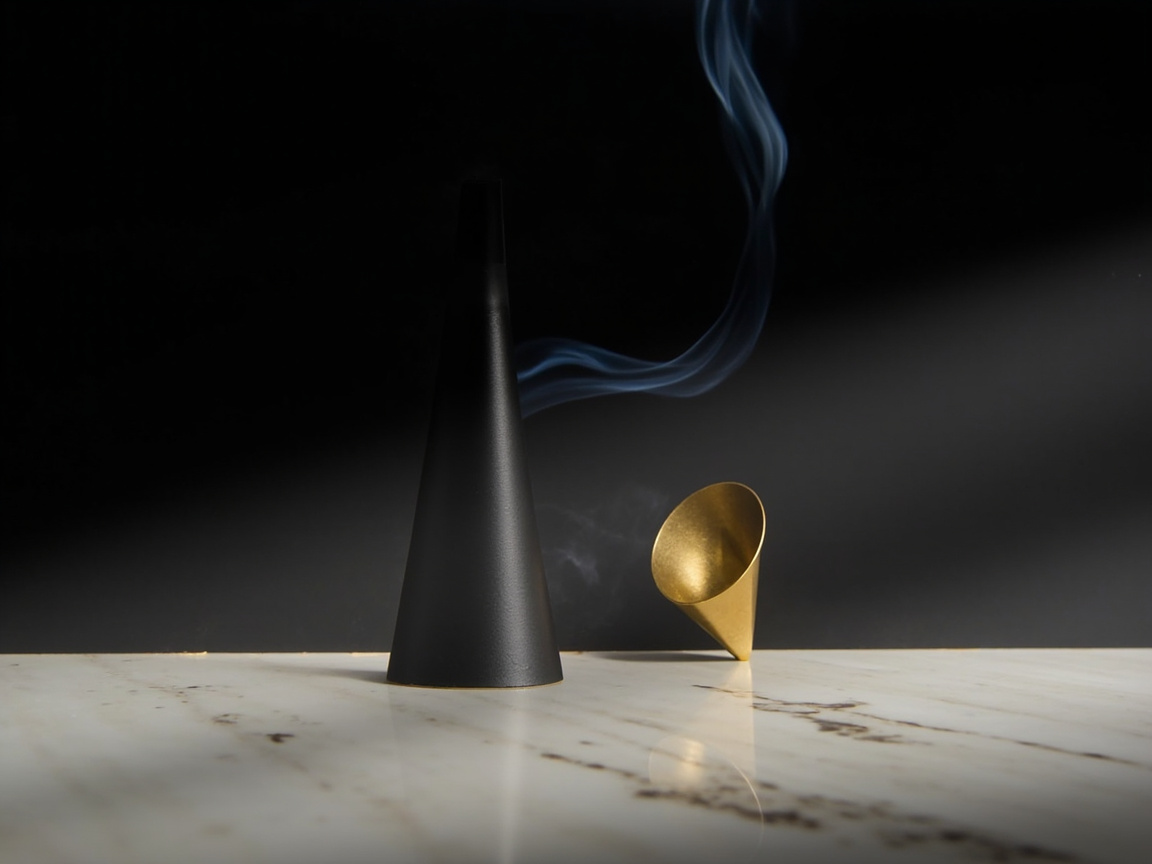
Ceramic Sand Burners: Filled with sand or small stones, these allow you to stick incense at various angles to control smoke direction. Chinese ceramic sand burners often feature intricate carvings and traditional motifs.
Charcoal Burners: For resin incense like frankincense and myrrh. These typically have a mesh or metal plate above charcoal to hold resin while providing heat. Temple-style charcoal burners are often large and elaborate.
Neti Pots: Actually designed for nasal irrigation, some practitioners use small neti-style ceramic pots for burning incense in a water-based setup that captures smoke.
Ceramic Dish Burners: Simple concave dishes holding ash or sand with a small indentation for the incense base. Elegant and easy to clean.
Hanging Burners: Chain-hung censers common in Chinese temples. The swinging motion creates interesting smoke patterns. Also used in large spaces for wide scent distribution.
The Viral “Violin Bow” Incense Holder
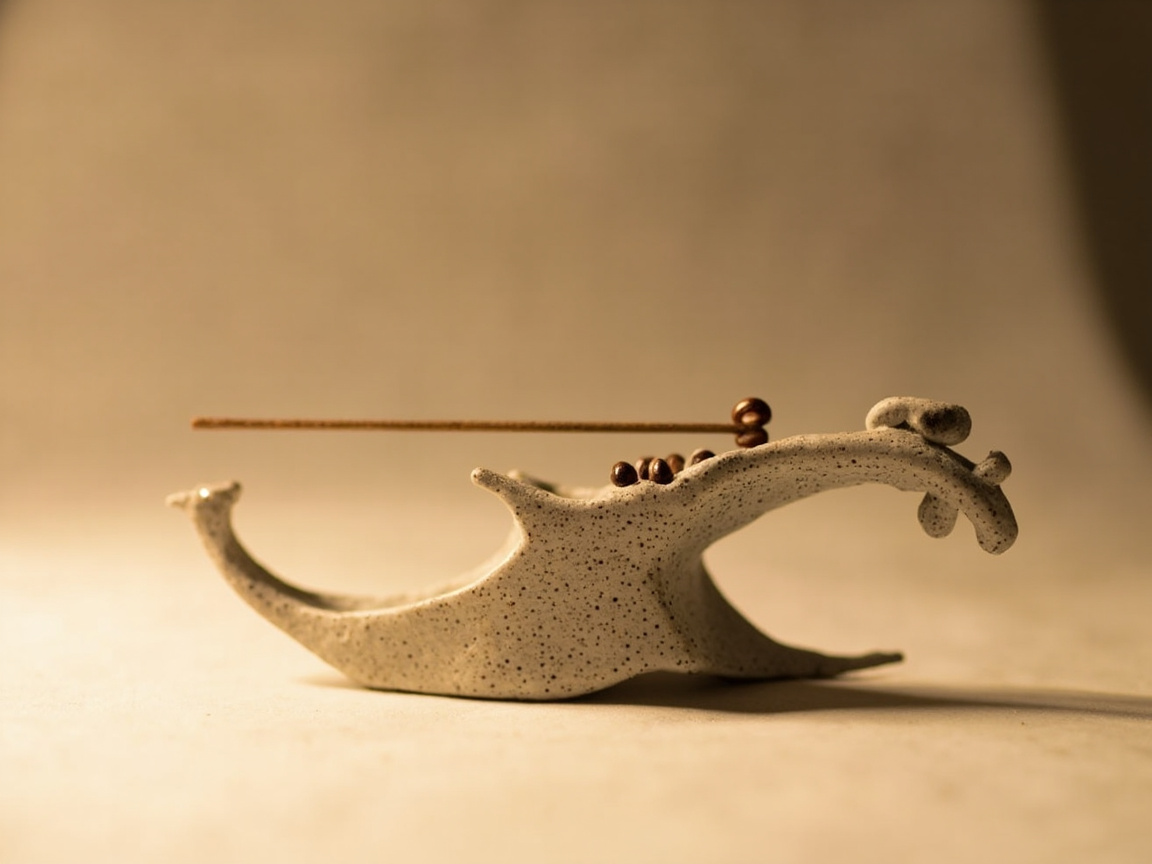
In early 2026, a ceramic artist posted their handmade incense holder to r/somethingimade. The design was unconventional: a long ceramic form shaped like a violin bow, with the incense stick supported at one end while smoke drifted along the curved length.
The post received 8,881 upvotes and 121 comments. Users called it “genius,” “beautiful,” and “I need this in my life.” The viral success reflects a broader trend: people want incense burners that spark conversation, not just function silently.
Traditional Chinese incense culture has always valued artistic burner design. The “bo” (香博) or incense vase appeared in Tang Dynasty court culture. Scholars designed personal burners reflecting their aesthetic preferences. The Qing Dynasty imperial court employed专门的香炉匠 (incense burner craftsmen) creating pieces worth more than entire estates.
Choosing the Right Burner for Your Practice
Your burner choice depends on your incense type, space, and aesthetic.
For stick incense in small rooms, a simple ceramic dish works perfectly. The香气 (fragrance) concentrates quickly in enclosed spaces. For meditation spaces, consider a sand-filled bowl that allows angled placement—pointing smoke away from you during seated practice prevents irritation.
For resin incense, you need a charcoal burner with proper heat ventilation. Never burn resin on electric stovetops or unattended. The Xiangdao Jing (香道经, Classic of Incense Way) instructs practitioners to “let flame serve heat, not create light”—charcoal provides steady warmth without combustion artifacts.
For large rooms or frequent entertaining, a hanging censer distributes fragrance evenly and adds visual drama. These work best with cone incense or loose ritual blends.
DIY Incense Burner Ideas
You do not need to spend fortunes on artisan burners. A simple ceramic dish from any home goods store, filled with beach sand or aquarium gravel, functions as an effective stick incense burner. The key is heat resistance and stability.
For a charcoal burner, a simple metal tea light holder with a mesh top works adequately. Just ensure adequate airflow and never leave burning charcoal unattended.
The best DIY burners come from flea markets and antique shops. Old ceramic bowls, brass dishes, and decorative pieces with heat-resistant bases often make unique burners that mass-produced items cannot match.
Frequently Asked Questions
What is the best material for incense burners?
Ceramic and metal rank as the most practical materials. Ceramic provides excellent heat resistance and aesthetic flexibility. Metal (particularly brass or copper) offers durability and develops attractive patina over time. Avoid plastic, untreated wood, or any material that might melt or catch fire at incense burning temperatures.
How do I clean incense ash from different burners?
Ceramic burners: Wait for complete cooling, then tap gently to release ash. Wash with mild soap if needed. For stubborn residue, soak briefly in warm water. Metal burners: Wipe clean after cooling. Bronze and copper develop natural patina—many practitioners prefer not to polish this away. Never submerge electric or battery-operated burners in water.
Can I use any burner for any incense type?
Not always. Stick incense works in almost any burner with a flat surface or sand. Resin incense requires charcoal or electric burner with heat element. Cone incense needs burners with ventilation holes allowing air circulation for proper combustion. Using wrong burner types can result in poor burning, excessive smoke, or fire hazard.
Related Articles
- Incense Burners: A Complete Guide to Choosing and Using
- Meditation Incense: A Complete Guide to Mindfulness Practice
- Incense Neurochemistry: How Scents Actually Affect Your Brain
Find Your Perfect Burner
The right incense burner transforms the entire experience of burning incense. It controls smoke direction, collects ash elegantly, and serves as a visual anchor for your practice space.
Start with something simple—a basic ceramic dish or sand burner. Notice how smoke moves, how香气 (fragrance) develops, how the object fits your space. As your practice deepens, you will develop preferences that guide your collection.
Or take the viral path: find something unexpected. That violin bow incense holder captivated 67,000 people because it was different. Sometimes the best burner is the one that makes you pause and smile when you see it.