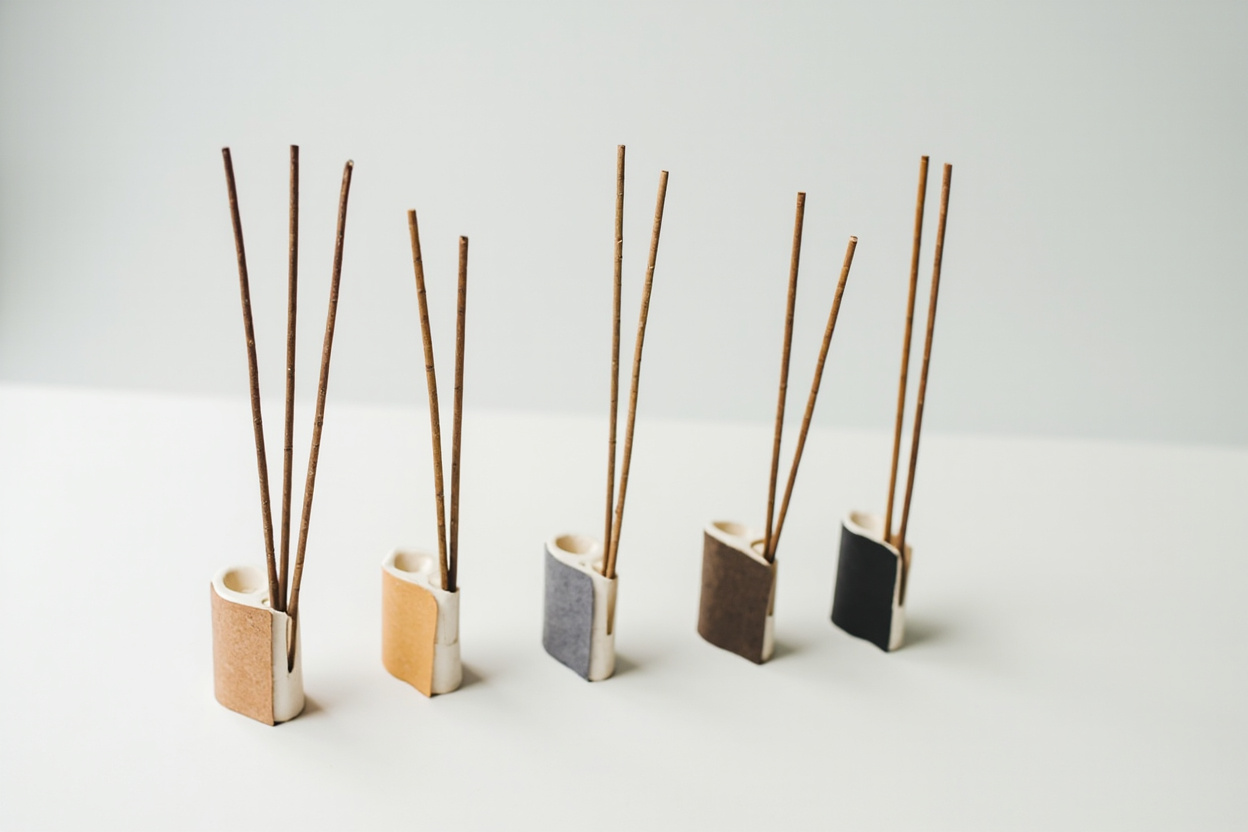
Your meditation practice needs an anchor. The breath works, but sometimes you need more.
Different incense materials produce different mental states. Some sharpen focus. Some deepen calm. Some do both at different stages of the session.
Here are the five incense sticks most practitioners report effective for meditation.
1. Sandalwood
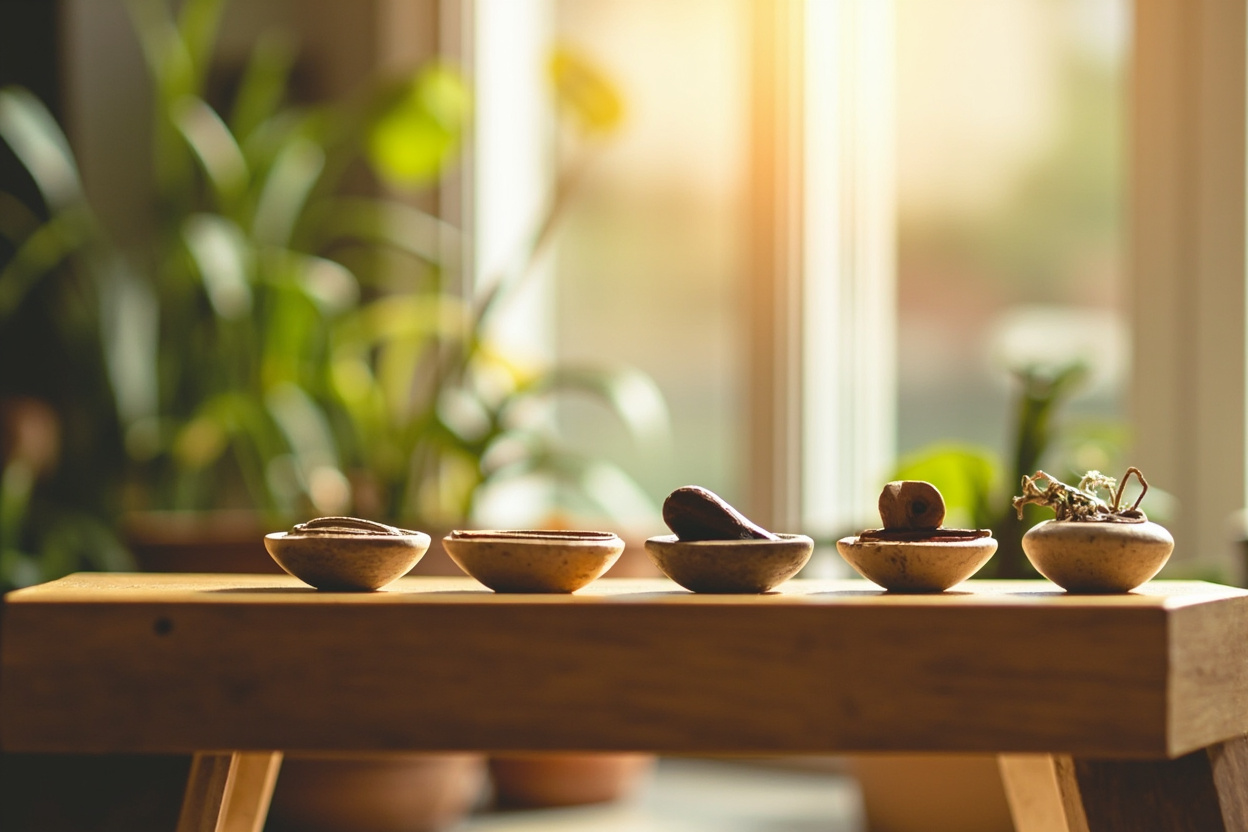
The starting point. Almost every serious meditator has burned sandalwood.
Sandalwood produces alpha brain waves. The warm, sweet aroma calms without sedating. You stay present while becoming centered.
In TCM, sandalwood consolidates qi and calms the spirit. It moves liver qi that has become stagnant from sustained mental effort.
Best for: Morning practice, studying meditation, beginners
What to look for: Indian sandalwood from verified sources.
2. Frankincense
The serious practitioner’s choice. If sandalwood is the introduction, frankincense is the deepening.
Users consistently report longer exhalations during frankincense sessions. The breath naturally slows. Intrusive thoughts reduce.
Research suggests boswellic acids in frankincense resin have direct neurological effects. The compounds cross the blood-brain barrier.
In Buddhist practice, frankincense opens the channels for insight.
Best for: Long sessions, insight meditation, breath work
3. Cedarwood
When your mind scatters, cedarwood grounds it.
The strong, penetrating aroma demands attention. You cannot maintain scattered thinking while burning cedarwood.
Cedarwood contains cedrol, a compound with documented sedative effects. Meditators with ADHD often find cedarwood more effective.
In Chinese practice, cedarwood resolves phlegm and quiets the spirit.
Best for: ADHD presentations, afternoon slumps, seated meditation
4. Agarwood (Oud)
The advanced practitioner’s material. Agarwood is expensive. But the complexity of its scent profile rewards the investment.
When you burn agarwood, the aroma evolves across the session. The initial sweetness deepens into resinous complexity.
Your practice can mirror this evolution. Beginning attention, deepening concentration, stable insight.
In TCM, agarwood warms the kidney and transforms fluid.
Best for: Hour-plus sessions, experienced practitioners
5. Dragon Blood
The underrated choice. Dragon blood resin comes from Daemonorops palms.
Dragon blood moves blood and relieves pain. In meditation context, it addresses physical tension that accumulates.
Experienced practitioners value dragon blood for its grounding properties.
Best for: Physical tension, effortful practice
How to Use These
Do not overthink the selection. Start with sandalwood. Build a consistent practice first.
After two weeks of daily sandalwood sessions, try frankincense. Notice the difference.
Common Mistakes
Buying Synthetic
Synthetic fragrances smell pleasant but produce no documented neurological effect. Pay for natural material.
Too Much at Once
One stick is enough. Heavy smoke creates distraction and lung irritation.
Wrong Holder
The holder matters. Incense needs proper airflow to burn cleanly.
Frequently Asked Questions
Can I combine incense materials?
Yes, but only after understanding each material individually. Blending before you know how each affects you prevents intelligent formulation.
How long should each session be?
Start with five minutes. When five becomes natural, extend to fifteen.
What if I cannot smell anything?
Olfactory fatigue is real. Take a break from incense practice for a week, then resume.
Related Articles
- Meditation Incense: Complete Guide
- Best Incense for Meditation Practice
- Agarwood vs Sandalwood: Complete Guide
Start Today
Buy one sandalwood stick. Light it. Sit with it for five minutes.
Notice what happens.
Your practice will reveal what you need.