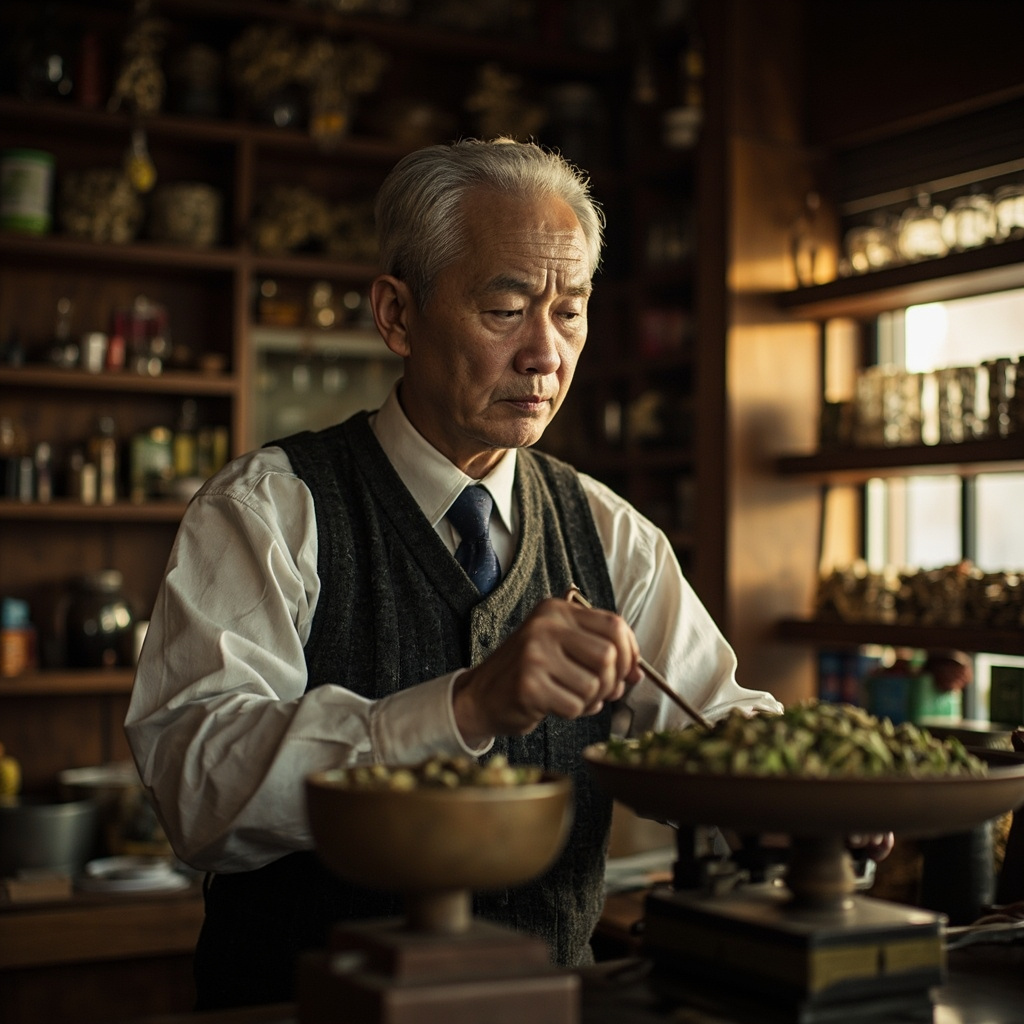
In the warm citrus groves of Guangdong and Fujian provinces, where the climate produces some of China’s finest tangerines, another treasure ages quietly in storage—Chen Pi, dried tangerine peel. Where Western perfumers might dismiss citrus peels as fleeting and lightweight, Chinese incense masters recognized something deeper in the aged peel: aromatic compounds that concentrate, deepen, and develop complexity impossible in the fresh fruit.
The name itself tells the story: “Chen” means “aged” or “stored.” Fresh tangerine peel provides bright, sharp citrus fragrance; aged peel develops the rich, complex character prized in classical incense. The aging process—sometimes lasting decades—transforms the material into something entirely different from the fresh peel, creating one of the most distinctive fragrances in the Chinese aromatic repertoire.
What Is Chen Pi
Chen Pi comes from the ripe peel of Citrus reticulata (tangerine or mandarin) specifically—the “Guangpi” (广皮) from Guangdong’s Xinhui district commanding particular prestige. The processing involves peeling, removing the white pith (which contributes bitterness), and slowly drying the remaining peel.
The aging process proves essential:
Fresh peel: Bright, sharp, distinctly citrus. The aromatic compounds are present but immature—the fragrance lacks depth.
Short-term aged (1-3 years): Initial concentration begins. The sharp edges soften, initial sweetness develops.
Long-term aged (10+ years): The transformation completes. New aromatic compounds form through the Maillard-like reactions during extended storage. The fragrance becomes rich, complex, distinctly non-citrus in some dimensions.
《本草纲目》记载:「陈皮浮水者佳,取久久者良。」
Li Shizhen records: “Chen Pi that floats on water is excellent, obtained from long storage is finest.”
The Xinhui Heritage
The specific terroir of Xinhui (新会) in Guangdong province produces what collectors consider the finest Chen Pi:
Growing conditions: The specific climate, soil, and cultivation methods of Xinhui produce tangerines with distinctive aromatic profiles.
Traditional processing: The centuries-old method of peeling in strips rather than halves, drying in shade rather than sun, and storing in controlled conditions preserves and develops the aromatic compounds.
Age verification: Genuine aged Xinhui Chen Pi commands extraordinary prices—some specimens selling for thousands of dollars per hundred grams due to both quality and scarcity of properly aged stock.
Fragrance Profile
Chen Pi fragrance evolves through the aging process:
Fresh peel: Bright citrus, sharp and clean. The classic tangerine smell—sweet, slightly tart, refreshing.
Young Chen Pi (1-5 years): The citrus notes deepen, becoming richer. Initial sweetness becomes more pronounced. The fragrance begins approaching the complexity of aged specimens.
Fully aged (10+ years): The transformation reveals entirely different aromatic dimensions. The citrus origin remains detectable as underlying character, but the dominant fragrance has become rich, warm, slightly sweet, with notes often described as honey-like or even wine-like. Some practitioners describe aged Chen Pi as having balsamic qualities.
When burning: Chen Pi produces clean, relatively light smoke. The fragrance diffuses quickly through spaces but does not persist as long as heavier resinous materials.
TCM Properties
Chen Pi holds a fundamental position in TCM:
Qi regulation: The primary application—”regulating qi” in the spleen and stomach. Chen Pi addresses the digestion disruptions that arise from qi stagnation, bloating, and appetite disturbance.
Drying dampness: The aromatic quality of Chen Pi also dries dampness—a TCM pathological factor. Particularly valuable for “damp encumbrance” conditions with heavy, sluggish feelings.
Formula harmonizing: Chen Pi appears in countless classical formulas, often serving to harmonize other herbs—preventing harsh materials from overwhelming the formula.
Age and Therapeutic Properties
Extended aging enhances certain therapeutic properties:
Fresh tangerine peel primarily addresses acute conditions—clears heat, stops vomiting, transforms phlegm. Aged Chen Pi better addresses chronic conditions—supports digestion, regulates qi, dries dampness. The concentration and transformation during aging shifts the therapeutic focus.
Incense Applications
Chen Pi serves specific purposes in incense practice:
Light, Daily Incense
The clean, citrus-derived fragrance suits daily burning:
Chen Pi provides pleasant environmental fragrance without the intensity of resinous materials. Suitable for spaces where heavy incense would be inappropriate—offices, studies, kitchens.
Meditation Support
The clean quality supports certain meditation types:
The citrus fragrance has no sedating quality—suitable for practices requiring alertness and mental clarity. The qi-regulating property may support emotional balance during contemplative practice.
Blending Component
Chen Pi contributes specific qualities to blends:
Brightening: Adding Chen Pi to heavy, complex blends lightens the overall effect—preventing the fragrance from becoming oppressive or overwhelming.
Harmonizing: The qi-regulating property may help harmonize disparate fragrance components—pulling together ingredients that otherwise conflict.
Freshness: The citrus-derived character provides natural freshness that synthetic fragrances cannot replicate.
Citrus Forward Formulations
Some incense traditions emphasize citrus materials:
Chen Pi forms the base for formulations designed to feature citrus character—combined with other fresh, light materials to create fragrances entirely different from the resinous woods that dominate most incense traditions.
Quality Assessment
Origin: Xinhui (新会) Chen Pi commands premium pricing based on established reputation. Other Guangdong and Fujian sources provide good quality at lower prices.
Age: The “Chen” in Chen Pi implies aging—verify storage conditions and duration when purchasing. Older specimens command exponentially higher prices.
Processing: Properly processed peel shows the characteristic three-layer structure without excessive white pith. The peel should be thin but not translucent.
Color: Aged Chen Pi darkens from bright orange toward deep brown or nearly black. Color provides rough age indication.
Storage and Aging
Chen Pi continues aging after purchase:
Store in breathable containers—paper bags or cloth allow continued oxidation. Protect from humidity (which promotes mold) but allow air exchange. The aging process continues slowly over years.
Home Preparation
Making Chen Pi at home is straightforward:
Save tangerine peels from eating, remove white pith carefully, dry in shade for several days, store in paper bags. After several years of continued storage, the peel approaches the character of commercially aged Chen Pi. While not matching decades-old specimens, homemade Chen Pi provides functional material for regular practice.
Modern Research
Modern science has begun studying Chen Pi:
Digestive support: Studies confirm the carminative properties—Chen Pi extracts reduce digestive discomfort and bloating in clinical settings.
Antioxidant content: The aging process concentrates certain antioxidant compounds, potentially explaining some traditional therapeutic applications.
Volatile compounds:
Research has identified the specific aromatic compounds in aged Chen Pi, including limonene, linalool, and various aldehydes that develop during storage. The aging process fundamentally transforms the material. Fresh peel smells like citrus—bright, sharp, straightforward. Aged Chen Pi develops rich, complex fragrance with honey, wine, and balsamic notes entirely absent in fresh peel. The therapeutic properties shift as well—fresh peel addresses acute conditions, aged Chen Pi supports chronic digestive weakness and qi stagnation. Chen Pi works best through indirect heating—place near but not on direct heat. High direct heat burns the material too quickly, losing the subtle complexity. A warming plate or gentle charcoal approach reveals the full fragrance spectrum over extended time. For therapeutic purposes, mid-aged Chen Pi (5-10 years) provides excellent value—approaching the complexity of decades-old specimens at accessible prices. For collectors or ceremonial use where age matters, properly verified aged specimens justify premium pricing. For regular practice, homemade or recently aged Chen Pi serves perfectly well. Yes. Save peels from organic tangerines, remove white pith, dry in shade, store in paper bags for several years. The aging process requires patience but produces usable material. Homemade Chen Pi won’t match premium aged commercial specimens, but provides genuine aged-tangerine character for regular practice. Burned Chen Pi releases clean, warm, slightly sweet fragrance—citrus-derived but transformed by aging into something richer and more complex. The smoke is relatively light and dissipates more quickly than resinous woods. Combining Chen Pi with other materials extends its effect and provides anchoring.FAQ: Chen Pi
How does Chen Pi differ from fresh tangerine peel?
What is the best way to burn Chen Pi?
Is expensive aged Chen Pi worth the price?
Can I make Chen Pi at home?
What does Chen Pi smell like when burned?
Related Articles