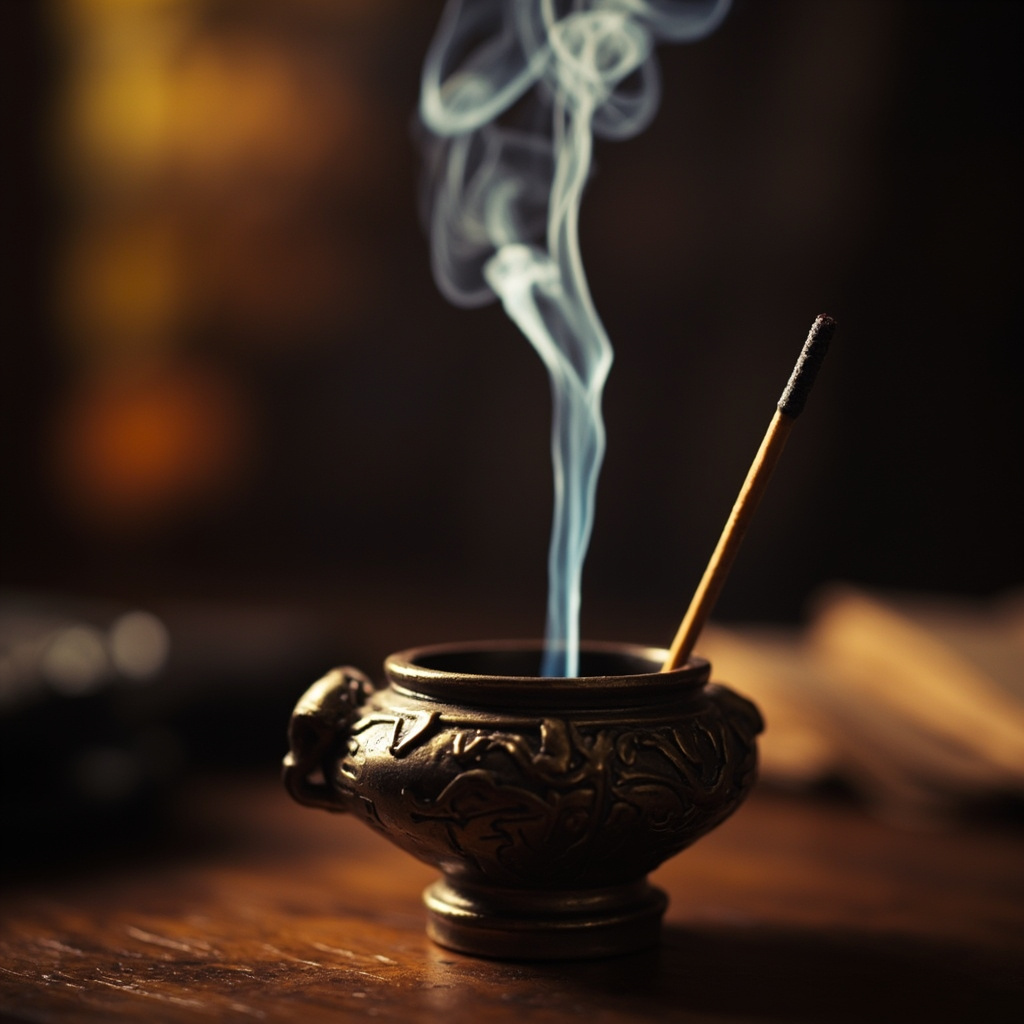
The marshes and riverbanks of China have grown a plant that appears throughout the oldest records of Chinese civilization—not as food, not as building material, but as a substance for connecting human consciousness to something beyond the material world. Chang Pu (菖蒲), calamus or sweet flag, has been burned in Chinese ritual for over three thousand years, described in the Shijing (Classic of Poetry) as a plant of spiritual significance, cultivation recommendations from Confucius himself.
While less celebrated in modern Western contexts, Chang Pu remains one of the foundational incense materials in Chinese tradition—a substance that “opens the orifices, awakens the spirit, and benefits the heart” according to the classical pharmacopoeia. Understanding Chang Pu connects modern practitioners to the deepest currents of Chinese incense culture.
What Is Chang Pu
Chang Pu refers primarily to Acorus calamus (sweet flag) and closely related species including Acorus tatarinowii in Chinese cultivation. The plant grows in wetland environments—marshes, pond edges, slow streams—spreading through rhizomes that produce the aromatic material prized for incense.
The aromatic compounds concentrate in the rhizome—the horizontal underground stem—from which the plant grows. When dried and prepared, the rhizome releases the distinctive fragrance associated with Chang Pu incense.
Historical significance: Chang Pu appears among the “six civilized things” (六雅) cultivated by aristocratic Chinese households, along with guqin (seven-stringed zither), chess, calligraphy, painting, and poetry. Growing Chang Pu in water gardens represented the cultivated person’s connection to refined spiritual pursuits.
《神农本草经》记载:「菖蒲,味辛温,主风寒痹,咳逆上气,开心孔,补五脏,通九窍,明耳目。」
The Divine Farmer’s Classic of Materia Medica records: “Chang Pu—acrid and warm—governs wind-cold impediment, cough ascending qi, opens the heart orifice, supplements the five viscera, opens the nine orifices, brightens the ears and eyes.”
The Two Types: Stone Chang and Grass Chang
Classical texts distinguish between two varieties with different characteristics:
Stone Chang Pu (石菖蒲)
Acorus tatarinowii—the preferred variety for incense. Stone Chang Pu grows attached to rocks in mountain streams, absorbing minerals and aromatic compounds from the stone substrate. The harsh growing conditions concentrate the aromatic properties that make it valuable.
Characteristics:
- Rhizome grows attached to rock surfaces
- More intense, complex fragrance
- Slower growth and higher cost
- Classical texts consider this the “true” Chang Pu for ritual use
Grass Chang Pu (水菖蒲)
Acorus calamus—the more common variety, growing in water and mud. While still aromatic, grass Chang Pu produces less refined fragrance than the stone variety.
Characteristics:
- Rhizome grows in soil under water
- More accessible pricing
- Fragrance present but less complex than Stone Chang
- More commonly used in medicine than incense
Fragrance Profile
Chang Pu fragrance differs distinctly from the woody incense materials:
Primary character: Fresh, clean, slightly camphoraceous with distinctive “green” notes. The fragrance evokes wetlands, running water, growing things—entirely different from the resinous depth of agarwood or the cream of sandalwood.
Opening notes: Bright, slightly sharp when first ignited—the characteristic “calamus odor” that makes Chang Pu immediately recognizable to experienced practitioners.
Development: As burning continues, the sharpness softens into cleaner, more persistent fragrance. The smoke should be relatively thin and translucent, rising straight rather than billowing.
Meditation relevance: The clean, “awakening” quality of Chang Pu fragrance aligns with its traditional use for “opening the orifices”—preparing the mind for spiritual practice by dispelling mental fog and supporting alertness.
Traditional Applications
Daoist Ritual
Chang Pu serves central functions in Daoist ritual:
Spiritual awakening: The traditional description “opens the heart orifice” refers to the fragrance’s capacity to shift consciousness—moving from ordinary awareness to spiritual receptivity. Daoist initiates used Chang Pu burning during meditation to support the transition.
Space purification: Burning Chang Pu in spaces designated for ritual creates an environment supportive of spiritual practice. The clean fragrance clears residual energies from previous activities.
Offerings: Classical Daoist offerings included Chang Pu alongside other aromatic materials—its purifying properties considered essential for effective communication with spiritual beings.
Confucian Ceremony
Confucian ritual also employed Chang Pu:
Scholar’s practice: Growing Chang Pu represented the scholar’s commitment to spiritual refinement. Confucius himself cultivated Chang Pu, and texts describe him recommending the plant to students for supporting clear thinking.
Examination preparation: Scholars burned Chang Pu while studying, believing its “brightening” properties supported mental clarity and memory—critical for the imperial examination system.
TCM Applications
Beyond incense, Chang Pu serves important medicinal functions:
Cognitive support: The “opens the orifices” property makes Chang Pu valuable for cognitive conditions—dementia, memory impairment, confusion. Modern research has identified compounds that appear to support nerve growth factor activity.
Respiratory: The aromatic properties make Chang Pu valuable for respiratory conditions—opening congested breathing, supporting clear respiration during illness.
Digestive: Classical applications include digestive complaints—particularly those involving “dampness” in TCM diagnostic terms.
Preparation Methods
The quality of Chang Pu incense depends significantly on preparation:
Rhizome Selection
Harvesting timing and rhizome maturity affect aromatic concentration:
Autumn harvest after the plant has grown through a full season produces the strongest aromatic concentration. The rhizome should be firm, dense, with visible oil content when cut.
Drying
Proper drying concentrates aromatic compounds while preventing mold:
Traditional methods involve slow drying in ventilated shade—rapid drying loses volatile compounds, while improper storage promotes mold that ruins the material. The dried rhizome should remain firm and aromatic.
Cutting and Grinding
Final preparation involves:
Cutting into small pieces for direct burning, or grinding into powder for incense stick production. The cutting exposes fresh surfaces, releasing fragrance even before burning.
Growing Chang Pu at Home
Unlike precious woods requiring decades of growth, Chang Pu can be cultivated:
Water cultivation: Plant rhizomes in a water garden or container with stones and standing water. The plant thrives with minimal care, spreading through rhizomes to form attractive stands.
Harvesting: After two to three growing seasons, rhizomes can be harvested, cleaned, dried, and prepared for incense use. Home-cultivated Chang Pu provides fresh material unavailable from commercial sources.
Fresh use: Fresh Chang Pu rhizome can be burned directly—some practitioners prefer the fragrance of fresh material to dried.
Incense Combinations
Chang Pu combines with other materials:
With agarwood: The clean, awakening quality of Chang Pu tempers the rich sensuality of agarwood, creating balance between spiritual clarity and sensory pleasure.
With sandalwood: Chang Pu adds brightness to sandalwood’s cream, preventing the fragrance from becoming cloying during extended burning.
Alone: Many practitioners prefer Chang Pu solo—the clean fragrance supports specific meditation styles without competing sensory experience.
Modern Research
Modern science has begun studying Chang Pu’s properties:
Neuroprotective effects: Research identifies compounds in Chang Pu that appear to support nerve growth factor (NGF) activity—suggesting potential for cognitive conditions including Alzheimer’s disease.
Anxiolytic properties: Studies show Chang Pu extracts reduce anxiety behaviors in animal models, supporting traditional descriptions of calming, clarifying effects.
Respiratory support: The aromatic compounds demonstrate expectorant and bronchodilatory properties that align with traditional respiratory applications.
FAQ: Chang Pu
What does Chang Pu smell like?
Chang Pu fragrance is fresh, clean, and slightly camphoraceous with distinctive “green” notes—the characteristic smell of calamus. It evokes wetlands and running water more than forests or resinous woods. The fragrance is clean and awakening rather than warm or sensual.
Is Chang Pu safe to burn?
Traditional preparation methods and typical incense use involve exposure levels considered safe. However, Acorus calamus contains asarone compounds that have raised some health concerns in concentrated extracts. Use in moderation, ensure proper ventilation, and avoid during pregnancy.
Can I grow Chang Pu myself?
Yes. Chang Pu grows readily in water gardens or containers with standing water. Plant rhizomes in spring, maintain water level, and harvest after two to three growing seasons. Fresh or dried home-grown Chang Pu provides material for personal incense practice.
What is the difference between Stone Chang and Grass Chang?
Stone Chang Pu (石菖蒲) grows on rocks in mountain streams, producing more intense, complex fragrance. Grass Chang Pu (水菖蒲) grows in water and mud, producing more accessible but less refined fragrance. Classical incense practice prefers Stone Chang for ritual use.
How is Chang Pu used in meditation?
Burn a small amount of Chang Pu before meditation—its traditional property of “opening the heart orifice” supports the transition from ordinary awareness to meditative receptivity. The clean fragrance clears mental fog and supports alert, focused attention appropriate for contemplative practice.