The spice trade that connected China to Southeast Asia and beyond carried many aromatic treasures, but few arrived with the immediate impact of Ding Xiang—clove. When diplomats from Vietnam presented tribute of cloves to the Han Emperor in 200 BCE, they initiated a relationship that would see clove burn in Chinese imperial chambers for over two millennia. The flower buds from the Syzygium aromaticum tree carry one of the most recognizable fragrances in the botanical world—warm, intensely sweet, almost spicy-sweet that announces itself immediately and persists long after the smoke has cleared.
While Westerners know clove primarily as a culinary spice, Chinese incense masters recognized the same aromatic intensity that made clove invaluable for both ritual and medicine. Understanding Ding Xiang opens a window onto the international trade networks that supplied Chinese incense culture with materials from across the known world.
What Is Ding Xiang
Ding Xiang comes from the unopened flower buds of Syzygium aromaticum, an evergreen tree in the myrtle family native to the Maluku Islands of Indonesia. The trees require specific tropical conditions—consistent warmth, humidity, and rainfall—and commercial cultivation remains limited to Indonesia, Madagascar, and a few other tropical regions.
The aromatic compounds concentrate in the unopened buds, which are harvested by hand just before blooming. The characteristic “clove” fragrance comes primarily from eugenol—the same compound responsible for the intense, sweet-spicy aroma that makes clove unmistakable.
《本草纲目》记载:「丁香形如钉,味辛温,入肺、胃、肾经,温中降逆,散寒止痛。」
Li Shizhen records in the Compendium of Materia Medica: “Ding Xiang is shaped like a nail, flavor acrid and warm, enters the lung, stomach, and kidney meridians, warms the middle and descends rebellious qi, disperses cold and stops pain.”
Fragrance Profile
Ding Xiang fragrance is immediately recognizable:
Primary note: Intense sweet-spicy, warm and almost numbing in its initial impact. The eugenol content produces a fragrance that registers as simultaneously sweet and sharp—a combination that makes clove distinctive.
When burning: Clove produces noticeable heat—the high eugenol content generates more warmth than most other incense materials. The smoke is relatively heavy, carrying fragrance efficiently through large spaces.
Persistency: Excellent. Clove fragrance lingers for hours in spaces, and the warming sensation on skin from handling raw cloves demonstrates the intensity that translates to long-lasting room fragrance.
In blends: Clove serves as a fixative—the intense fragrance holds other, subtler notes in place, preventing rapid dissipation. Experienced incense makers use this property strategically.
Types of Ding Xiang
Ancylus (公丁香)
The standard flower bud—the common clove of commerce. Ancylus refers specifically to the unopened bud and represents the primary incense material. Quality depends on:
- Origin (Maluku/Ambon historically preferred)
- Size (larger buds generally higher quality)
- Color (reddish-brown indicates proper maturity)
- Moisture content (should be relatively dry but not brittle)
Mother Clove (母丁香)
The dried flower that has bloomed and produced the characteristic “clove” shape—longer, less dense than the bud. Mother clove has different fragrance properties—less intense, slightly sweeter, with more emphasis on floral notes. Used in different applications than the standard bud.
Historical Trade and Cultural Significance
Clove’s journey to Chinese incense practice reflects broader trade history:
Silk Road and Maritime Routes: While the overland Silk Road carried some aromatic materials, clove and other tropical spices reached China primarily through maritime routes—Arab and Indian Ocean traders controlled much of the supply chain for centuries.
Imperial Taste: Chinese imperial courts developed particular appreciation for tropical aromatics unavailable domestically. The “foreign” origin added exotic appeal to the already considerable aromatic virtues.
Tribute Trade: Southeast Asian rulers presented clove and other spices as tribute, receiving Chinese luxury goods in exchange. This diplomatic commerce fed both practical supply and perceived prestige of the materials.
TCM Applications
The medical applications of clove shaped its place in Chinese material culture:
Warming property: Clove enters the “warming” category—addressing cold conditions including cold pain in the abdomen, cold vomiting, and kidney cold affecting lower back and knees.
Rebellious qi: The classic application for “rebellious qi” causing nausea and vomiting—clove’s warming action descends the qi, stopping vomiting and resolving the underlying cold.
Dental applications: Clove’s numbing property makes it valuable for toothache—applied topically or as a component in dental powders. This application persists in modern dentistry.
Antibacterial: Modern research confirms eugenol’s antibacterial properties—supporting traditional applications for infected wounds and mouth conditions.
Incense Applications
Beyond medicine, clove serves specific incense purposes:
Ceremonial Burning
The intensity of clove fragrance made it valuable for large ceremonial spaces:
Clove’s projection and persistence meant relatively small amounts could fragrance large rooms—a practical consideration for temple and palace ceremonies. The warm fragrance also countered the cold that such spaces often harbored in pre-heating-era China.
Blending Component
Clove functions as a blending material:
Fixative property: The intense fragrance anchors subtler materials, preventing rapid dissipation during burning. A small amount of clove in complex blends extends overall fragrance duration.
Warming effect: Adding clove to otherwise neutral base materials creates warmth—useful for formulations intended for cold conditions or for people with “cold” constitutions in TCM terms.
Spice accent: The sweet-spicy character provides accent notes that brighten otherwise flat fragrance profiles—contributing complexity to blends.
Single-Material Burning
Some practitioners burn clove alone:
The intense, warming fragrance suits certain purposes—warms cold spaces, energizes in morning practice, clears respiratory congestion when inhaled. The persistent fragrance means small amounts suffice for extended sessions.
Quality and Purchasing
Origin: Maluku (Indonesian) clove carries historical prestige, but Madagascar product dominates modern markets. Both provide excellent quality—the specific origin matters less than freshness and proper handling.
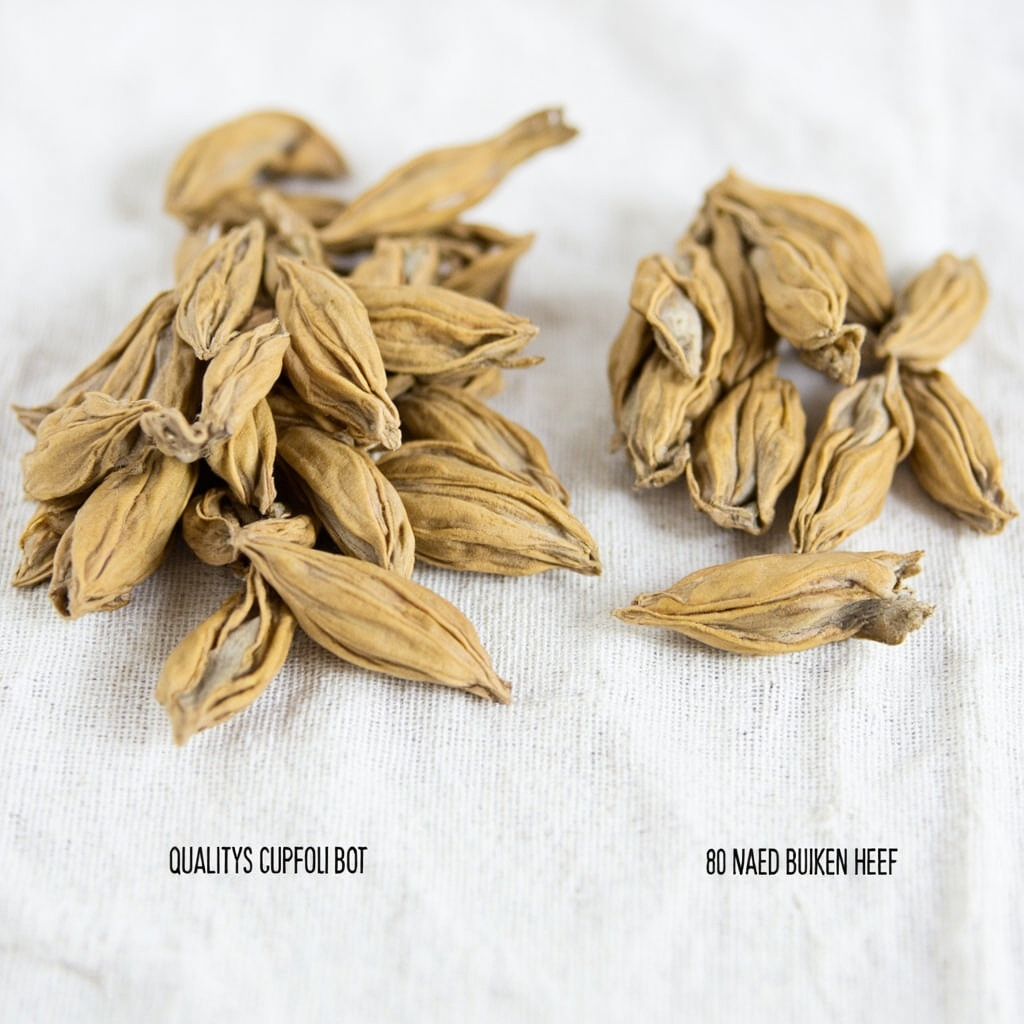
Visual inspection: Quality clove is reddish-brown, not pale. The bud should be closed (open flowers indicate inferior quality), relatively uniform in size, and free from visible mold or insect damage.
Fragrance test: Cracking a bud between fingers releases immediate, intense fragrance. Faint or musty smell indicates age or improper storage.
Moisture content: Properly dried clove snaps cleanly when bent. Rubberiness suggests excessive moisture—potential for mold during storage.
Storage
Clove stores well with proper precautions:
Airtight containers: The intense fragrance means clove can contaminate other stored materials if containers leak. Store separately in sealed containers.
Cool, dark location: Heat and light degrade eugenol content over time. Refrigeration helps but is not essential—the sealed container and darkness matter more.
Duration: Properly stored clove maintains fragrance for years. The eugenol content proves quite stable when protected from oxidation sources.
Modern Uses
Beyond traditional incense and medicine:
Aromatherapy: Clove essential oil provides warming, energizing diffusion for rooms. The intense fragrance requires dilution and careful dosing.
Natural insect repellent: The eugenol content repels moths and other insects—clove Sachets protect stored fabrics naturally.
Culinary: The original culinary application continues—Chinese five-spice and other formulations include clove for the same sweet-spicy warmth prized in incense.
FAQ: Ding Xiang
What does clove incense smell like?
Clove incense smells exactly like the culinary spice—warm, intensely sweet-spicy, with an almost numbing quality from the high eugenol content. The fragrance is immediately recognizable and persistent. When burned alone, it produces noticeable warmth.
Is clove safe to burn as incense?
In typical incense use, clove presents minimal risk. The eugenol content may cause sensitivity in some individuals—discontinue use if irritation occurs. Use in ventilated spaces, avoid concentrated exposure during pregnancy, and keep away from children who might handle the material.
Can I use culinary cloves for incense?
Yes. Culinary cloves are the same material—dried flower buds of Syzygium aromaticum. The quality may be lower than specialty incense-grade product, but culinary cloves work perfectly well for burning. Freshness matters more than the specific grade.
What blends well with clove?
Clove combines with most other incense materials. Sandalwood tempers its intensity while adding cream. Agarwood adds depth and complexity. Sandalwood and cinnamon together create warm, sweet combinations with the spice accent clove provides. Start with small amounts—the intensity means overuse is easy.
Does clove have spiritual significance?
Classical Chinese sources emphasize clove’s warming and “rebellious qi descending” properties—the spiritual relevance relates to clearing confusion and supporting proper energy flow. The heating quality connects to yang energy and vitality—useful when practitioners need energizing rather than calming incense.