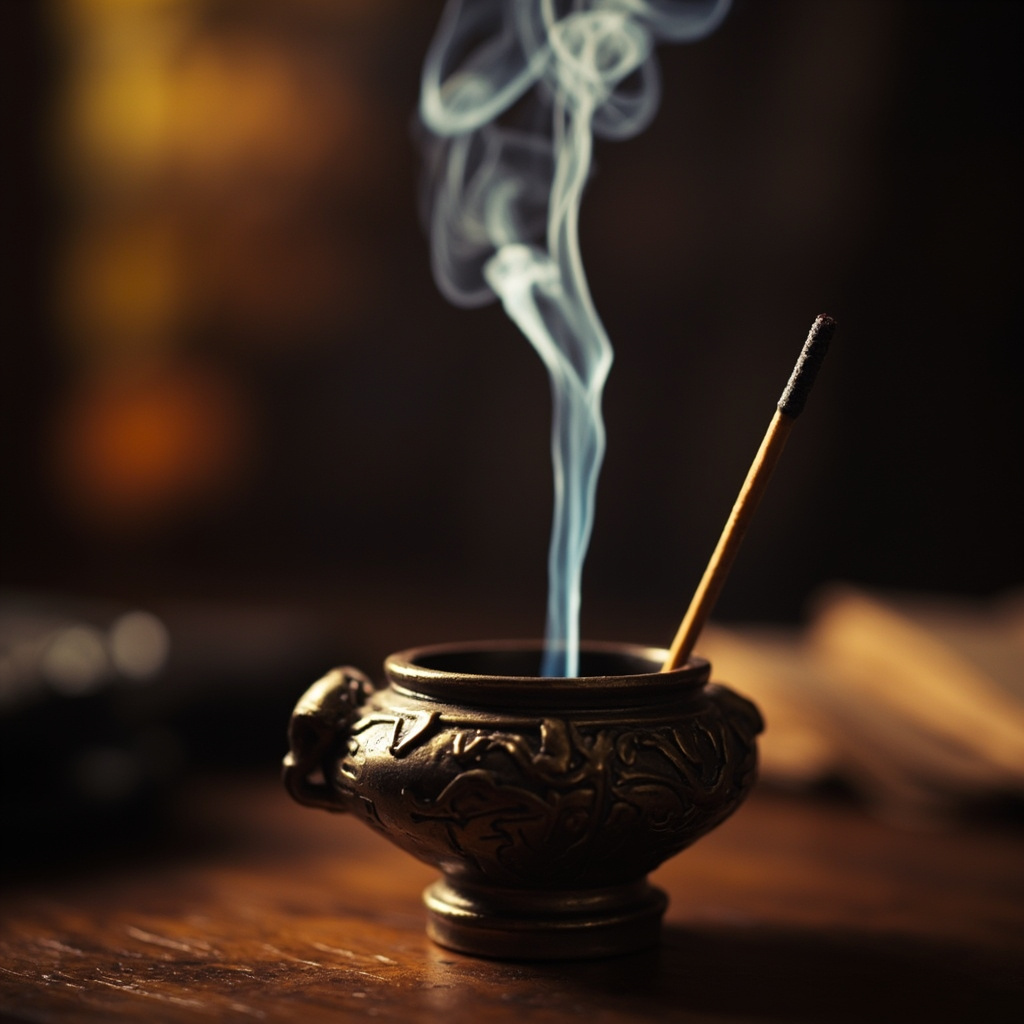
In the misty highlands of Sichuan province, where ancient rivers cut deep valleys through limestone mountains and the air carries the mineral quality of high elevation, grows one of China’s most important aromatic herbs—Chuan Xiong, ligusticum. The name literally means “Sichuan pepper”—though it shares neither the pungency nor the family of actual peppercorns—reflecting the plant’s origins in and association with Sichuan’s unique terroir.
Chuan Xiong holds a position in the Chinese pharmacopoeia that might be called “the blood mover for the head.” While other blood herbs work throughout the body, Chuan Xiong has a particular affinity for the head and upper body—the brain, the eyes, the sinuses, the vessels of the scalp and face. When ancient physicians described “invigorating blood and promoting qi movement to relieve pain, dispel wind and relieve headaches,” they meant Chuan Xiong specifically.
What Is Chuan Xiong
Chuan Xiong comes from the dried rhizome of Ligusticum chuanxiong (also classified as Conioselinum chinense or Ligusticum wallichii in different botanical treatments). The plant grows in the high mountain valleys of Sichuan at elevations typically above 1000 meters—the specific climate and soil conditions producing the distinctive chemistry that makes Sichuan ligusticum superior to other regional varieties.
The rhizome—the underground stem that connects root to shoot—accumulates the volatile compounds that give Chuan Xiong its characteristic fragrance and therapeutic properties. The compounds tetramethylpyrazine (ligustrazine) and various phthalides are particularly significant for the blood-vitalizing effects.
《神农本草经》记载:「川芎味辛温,主治中风入脑头痛,寒痹,痉挛缓急,金疮。」
The Divine Farmer’s Classic of Materia Medica records: “Chuan Xiong—flavor acrid and warm—chiefly treats wind entering the brain, headache, cold impediment, convulsion and muscular tension, metallic wounds.”
Head-Centered Blood Invigoration
What distinguishes Chuan Xiong from other blood-moving herbs is its focus:
Head circulation: Chuan Xiong has a particular affinity for the blood vessels of the head and brain. Headaches from blood stasis, menstrual headaches, hypertension affecting cerebral circulation—Chuan Xiong addresses these specifically.
Eye health: The classical application for “brightening the eyes” (明目) reflects Chuan Xiong’s effect on the blood vessels supplying the optic system. Dizziness, visual disturbances, eye strain from blood failing to nourish the eyes—all respond to Chuan Xiong.
Nasal and sinus: The traditional treatment of “head wind invading” includes nasal congestion and sinus headache—Chuan Xiong’s aromatic, dispersing quality addresses these conditions as well.
Fragrance Profile
Chuan Xiong has a distinctive aromatic character:
Primary notes: Pungent, aromatic, with a distinctive “clean” quality that Chinese sources describe as “aromatic and dispersing.” The fragrance opens the nasal passages even before burning.
When burning: The smoke carries a sharp, clean fragrance that many find clarifying. The overall impression is of something that “opens” and “clears”—appropriate for the herb’s TCM classification as addressing “wind” and “stagnation.”
Blending properties: Chuan Xiong’s pungency provides accent notes that brighten otherwise heavy or sweet combinations. Its dispersing quality helps the overall blend’s aromatics reach the nasal passages.
TCM Properties
Chuan Xiong’s applications follow from its understood properties:
Headache Treatment
The primary application—headache relief—addresses several patterns:
- Wind-cold headache: Chuan Xiong’s pungency disperses wind and relieves pain
- Blood stasis headache: The blood-invigorating quality addresses the underlying stagnation
- Menstrual headache: The relationship between liver blood and head health makes Chuan Xiong specific
- Hypertension headache: Chuan Xiong’s cerebral circulation effects address this modern pattern
Blood Invigoration
Beyond headache, the blood-invigorating property addresses:
- Menstrual disorders: Pain, clotting, and irregular bleeding from blood stagnation
- Trauma: Bruising and swelling from blood pooled outside its channels
- Joint pain: The blood stasis underlying chronic arthralgia
Wind Dispelling
The “dispelling wind” property reflects the TCM concept of “wind” as a pathological agent:
“Wind” in TCM includes not just literal weather-wind but patterns that share wind’s characteristics of sudden onset, rapid movement, and tendency to affect the surface and upper body. Chuan Xiong addresses “wind” conditions affecting the head specifically.
Incense Applications
Chuan Xiong serves specific incense purposes:
Head Clearance
The traditional head-clearing property makes Chuan Xiong appropriate for:
Times of mental fog, sinus congestion, or headache—the clean, opening fragrance provides subjective reports of clearer thinking and easier breathing. Burning Chuan Xiong during head-cold creates an aromatic environment that supports the body’s clearing processes.
Workspace Fragrance
The alerting quality serves work environments:
The pungent, clean fragrance provides alertness without the intensity of stimulant herbs. Some practitioners burn Chuan Xiong during long work sessions, appreciating the support for mental clarity.
Meditation Preparation
The “opening” quality may support transition to practice:
The nasal-opening effect creates physical readiness for meditation—the breath clearer, the head more alert. For practices requiring alertness rather than sedation, Chuan Xiong provides aromatic support.
Blending Component
Chuan Xiong contributes to formulations:
Its sharp, clean quality provides accent notes and dispersing action. Blends including Chuan Xiong benefit from its ability to help the overall combination reach the head and upper body more effectively.
Preparation for Incense
Chuan Xiong rhizome can be prepared several ways:
Direct burning: Small pieces burn on charcoal, releasing the sharp, clean fragrance. The rhizome burns relatively quickly compared to woody materials.
Powder form: Ground Chuan Xiong mixes with binding agents for incense stick production. The powder releases fragrance efficiently when burning.
Combined with other blood herbs: Chuan Xiong commonly appears in formulas with other blood herbs (Dang Gui, Tao Ren, Hong Hua)—the aromatic components working together.
Quality Considerations
Origin: Sichuan production carries the established reputation—particularly from the high valleys of Mao County and Wenchuan. The specific growing conditions at elevation produce the distinctive chemistry that makes true Chuan Xiong.
Rhizome density: Dense, heavy rhizomes indicate good maturity and concentrated compounds. Light, hollow pieces suggest immature or improperly processed material.
Color: Quality Chuan Xiong shows the characteristic whitish to pale yellow interior. Dark or moldy material should be avoided.
Fragrance test: Rubbing the cut surface should release immediate, pungent fragrance. Faint smell indicates inferior product.
Modern Research
Modern science has investigated Chuan Xiong:
Cerebral circulation: Studies confirm that ligustrazine improves cerebral blood flow—the scientific basis for traditional use in headache and dizziness from poor brain circulation.
Antiplatelet: Chuan Xiong extracts demonstrate antiplatelet activity—preventing excessive blood clotting that can cause headache and other circulatory problems.
Vasodilation: The blood-vessel dilating effects explain traditional applications for conditions involving poor local circulation.
Anti-inflammatory: The anti-inflammatory properties support traditional applications for inflammatory conditions affecting the head and joints.
FAQ: Chuan Xiong
What does Chuan Xiong incense smell like?
Chuan Xiong has a pungent, clean, aromatic fragrance with a distinctive “opening” quality. The overall impression is of something that clears and sharpens—the scent seems to reach upward into the head and nasal passages. The fragrance is more alerting than sedating.
Is Chuan Xiong safe for people with bleeding tendencies?
Chuan Xiong’s blood-invigorating property means it should be used cautiously by people with active bleeding or those taking anticoagulant medications. Consult a qualified practitioner for specific guidance if you have bleeding disorders or are on blood-thinning medications.
How does Chuan Xiong differ from Dang Gui?
Both are blood herbs, but they work differently: Dang Gui primarily nourishes blood while also moving it slightly—appropriate for deficiency patterns. Chuan Xiong primarily moves blood while also having some nourishing quality—appropriate for stagnation patterns. Chuan Xiong particularly focuses on the head; Dang Gui works more throughout the body. They are often used together for comprehensive blood treatment.
Can I use Chuan Xiong for migraine headaches?
Chuan Xiong is one of the primary herbs for migraine from blood stasis—the classic pattern of severe, fixed headache with dark clots in menstrual blood, tongue with purple discoloration. For other migraine patterns (blood deficiency, liver yang rising, etc.), different treatment approaches would be appropriate. Consult a TCM practitioner for pattern diagnosis.
How much Chuan Xiong should I use for incense?
Start with small amounts—the pungent quality means a little goes a long way. For incense stick production, a ratio of 5-10% Chuan Xiong to other materials provides noticeable but not overwhelming presence. Adjust based on personal preference and the effect desired.