Short answer: this Chinese DIY drone kit is a low-cost STEM-style quadcopter package sold through 1688-style wholesale channels. It is not trying to compete with DJI. It is more like a learn-by-building toy: a small drone body, remote controller, spare propellers, battery, charger, and sometimes a tiny camera module for basic real-time video.
That makes it interesting for overseas readers because it shows a different side of China’s drone market. Outside China, people usually hear about polished consumer drones. On Chinese wholesale platforms, there is also a large layer of cheap educational kits, school science toys, maker-classroom products, and white-label gadgets built for export sellers.
Real Product Images
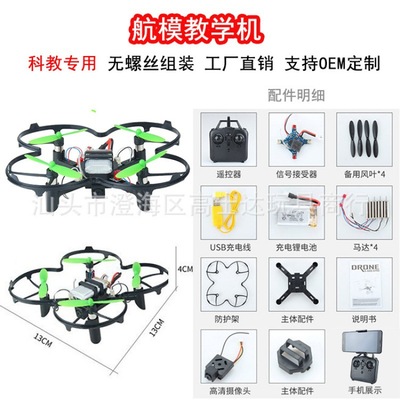
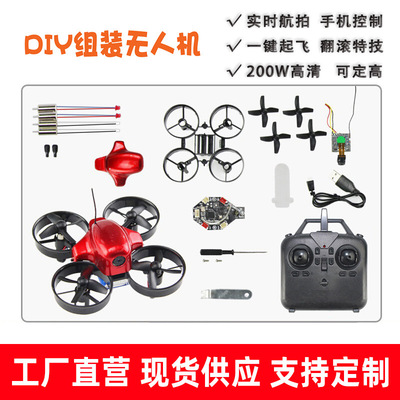
The images below come from public Alibaba/1688-style product image URLs and indexed 1688 wholesale pages. Listing details can change, so treat these as examples of the category rather than a final buying recommendation.
What Is This Chinese DIY Drone Kit?
The Chinese listing name translates roughly to: cross-border hot-selling DIY assembled drone, science education assembly remote-control aircraft, real-time aerial photography, altitude-hold simulation aircraft.
That long title sounds messy in English, but it tells you how Chinese sellers think about this product. They are not selling only a drone. They are selling a package of keywords: cross-border export, DIY assembly, education, remote control, aerial camera, altitude hold, and toy aircraft.
In plain English, this is a DIY drone kit or STEM quadcopter kit. The buyer assembles part of the aircraft, learns what the parts do, and then flies it like a small remote-control toy drone.
Why Foreigners Might Find It Interesting
Most overseas shoppers know two types of drones: expensive camera drones and cheap ready-to-fly toy drones. This product sits in the middle. It is cheap like a toy, but it has a maker-kit angle that makes it more interesting than another random mini drone.
- It is educational. The buyer can see the frame, motors, propellers, controller board, battery, guards, and camera module instead of receiving a sealed product.
- It is cheap enough for classrooms. Indexed 1688 wholesale-agent pages show similar DIY drone listings around the low-teens USD range before international shipping and service fees.
- It explains China’s export gadget market. The same basic product can appear under different shop names, colors, bundles, and English titles.
- It is not brand-led. This is not a Xiaomi or DJI story. It is a small-factory, white-label product category.
What Usually Comes in the Box?
Based on the product images and listings, a typical package may include:
- a small quadcopter body or frame parts
- propellers and spare propellers
- propeller guards
- motors or motor assemblies
- a remote controller
- a small rechargeable lithium battery
- a USB charging cable
- sometimes a small camera module for basic live video
- an instruction manual
The exact bundle matters. Some listings sell a no-camera version, while others sell a Wi-Fi camera version. Some include only one battery; others include extra batteries or spare parts. If you are sourcing this for resale or a classroom, ask the supplier for a packing list before ordering.
What It Is Not
This is where overseas buyers need realistic expectations. A product photo may say ?HD,? ?real-time aerial photography,? or ?200W camera.? In Chinese toy listings, ?200W? usually means 2 megapixels, not 200 watts. Do not expect DJI-level stabilization, range, low-light video, GPS return-to-home, or strong wind resistance.
This is closer to a classroom STEM drone than a real aerial photography tool. The value is in assembly, basic flight, spare parts, and learning how a quadcopter works.
Who Should Consider It?
- STEM teachers who want an affordable hands-on flying project.
- Parents looking for a more educational toy than a ready-made drone.
- Small online sellers testing Chinese wholesale gadgets for overseas marketplaces.
- Maker clubs that want a cheap introduction to motors, propellers, battery safety, and flight control.
It is not ideal for someone who wants clean travel footage, serious FPV flying, or reliable outdoor camera performance. For that, a proper camera drone is a different product class.
Buying Checklist for Overseas Buyers
If you are importing this type of drone kit from China, check these details before paying:
- Finished weight: drone rules often depend on takeoff weight, including battery and camera.
- Camera version: confirm whether the kit includes a camera or only the frame and flight parts.
- Battery type and capacity: lithium batteries affect shipping, airline rules, and warehouse handling.
- Certification: ask about CE, UKCA, FCC, RoHS, or other documents needed for your market.
- Spare parts: propellers, guards, motors, and batteries are more important than fancy marketing words.
- Instruction language: many cheap kits ship with Chinese-only or machine-translated manuals.
- Age grading: if sold as a toy, confirm the age label and safety warnings.
- App support: if it uses phone control or Wi-Fi video, check whether the app works outside China.
Drone Rules and Battery Shipping
Drone laws are not the same in every country. In the United States, the FAA says drones generally must be registered unless they weigh 0.55 pounds or less, meaning less than 250 grams, and are flown under the limited recreational exception. Even tiny drones still need to be flown safely and legally.
Battery shipping is another issue. These kits usually use lithium batteries, and air transport rules can affect how sellers pack and ship them. IATA publishes lithium battery guidance because battery-powered products require special handling, marking, packing, and documentation depending on the battery and shipment type.
In other words: the drone may be cheap, but compliance is not optional. If you are reselling it, check local drone rules, toy safety rules, radio-frequency rules, and battery shipping rules before listing it.
Best English Search Terms
- DIY drone kit
- STEM drone kit
- educational drone kit
- DIY quadcopter kit for kids
- 1688 drone kit
- Chinese DIY quadcopter
- remote control drone kit with camera
Useful Chinese search terms include DIY?????, ?????, ??????, ???????, and ?????????.
Is It Worth Watching?
Yes, but not because it is technically impressive. The interesting part is the business pattern.
China’s wholesale platforms are full of products that sit between toy, classroom kit, and export gadget. A DIY drone kit like this can be sold as a STEM toy, a school project, a beginner quadcopter, or a cheap content product for TikTok-style stores. That flexibility is why these products travel well across markets.
The best overseas content angle is not ?this is the best drone.? It is: this is what China’s low-cost educational drone supply chain looks like. That is more honest, more useful, and more likely to attract readers who are curious about Chinese products instead of just chasing another cheap gadget.
Sources Checked
This article was based on a 1688 shared offer link that resolves to offer ID 674759010663, plus public 1688 wholesale-agent index pages for similar or same-title DIY drone kit listings, including this Buy2You indexed 1688 listing and this related indexed listing. Drone-rule context was checked against the FAA drone registration page, and battery-shipping context was checked against IATA lithium battery guidance.