Short answer: an automatic shoe cover machine is a small entryway device that puts a disposable cover or film over a visitor’s shoes in a few seconds. It is common in Chinese showrooms, clinics, offices, sample apartments, and some homes where people want clean floors without asking every guest to remove their shoes.
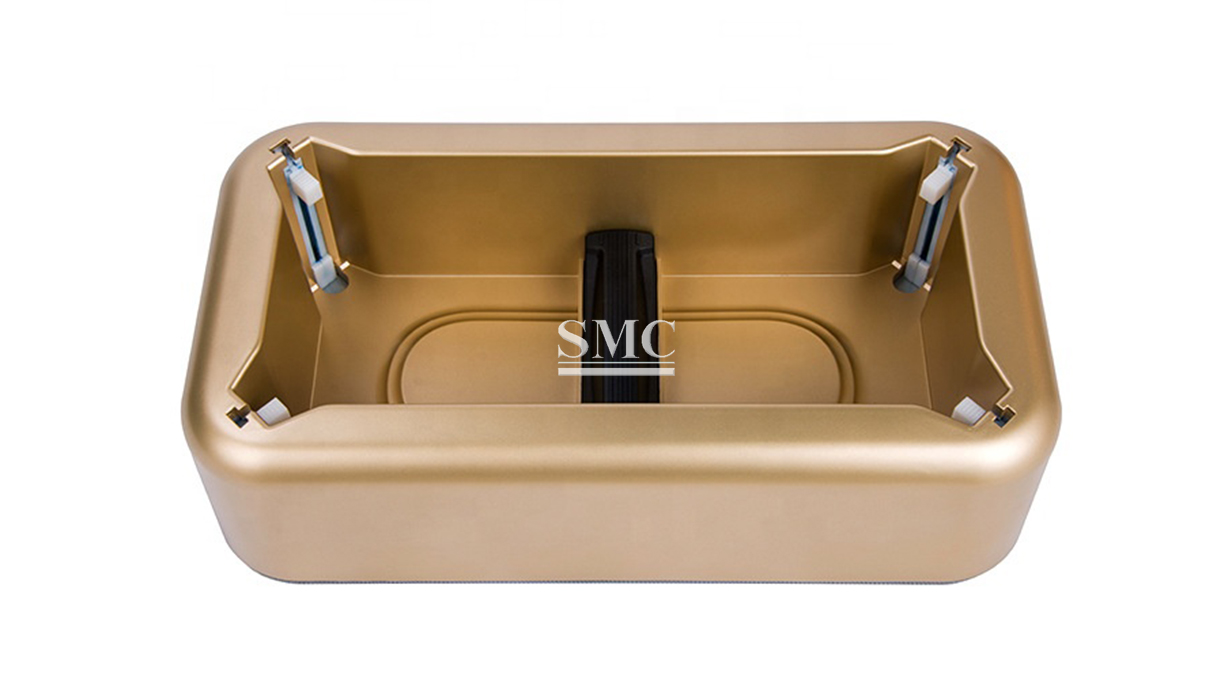
It is not a famous-brand gadget. That is exactly why it is interesting. This is the kind of practical Chinese product that often appears first as a factory item, a Pinduoduo-style household solution, or a white-label export product before Western shoppers know what to call it.
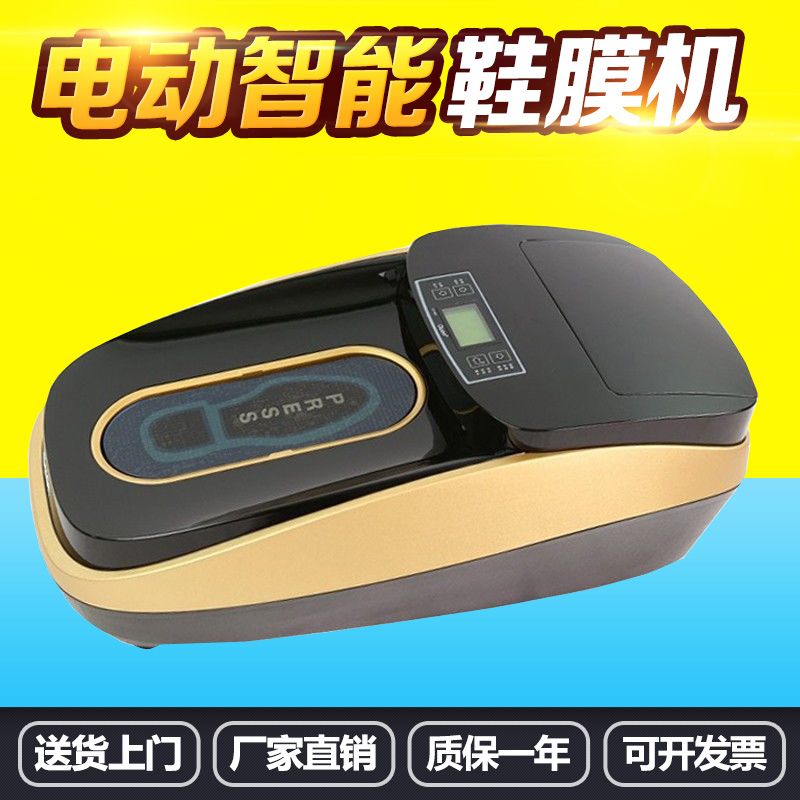
Real Pinduoduo Product Images
Below are real product images pulled from a public Pinduoduo landing page for automatic shoe cover and shoe film machines. Prices and listing names can change, but these examples show what the category actually looks like in Chinese e-commerce.
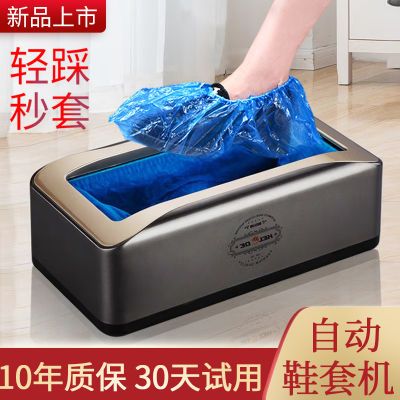
Real Pinduoduo Product Images
Below are real product images pulled from a public Pinduoduo landing page for automatic shoe cover and shoe film machines. Prices and listing names can change, but these examples show what the category actually looks like in Chinese e-commerce.
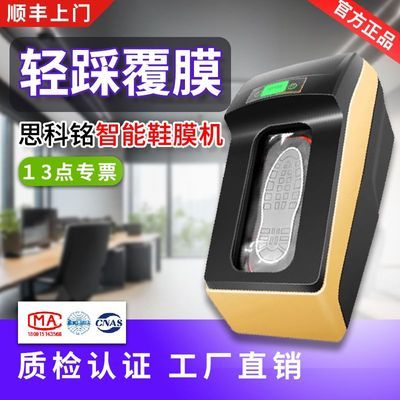
Image source checked: Pinduoduo public landing page.
What Is an Automatic Shoe Cover Machine?
An automatic shoe cover machine is a floor-standing dispenser placed near a doorway. You put one foot into the opening, press down, and the machine pulls a disposable cover around the shoe. The goal is simple: keep indoor floors clean without bending down, touching dirty soles, or handing every guest a pair of slippers.
There are two common versions:
- Spring-loaded shoe cover dispensers. These use pre-made plastic or non-woven covers with hooks. They usually do not need electricity.
- Shoe film machines. These use a roll of thin film. Some are foot-operated, while higher-end versions cut or heat-seal the film around the shoe.
In English, people search for it with several names: automatic shoe cover machine, automatic shoe cover dispenser, shoe film machine, disposable shoe cover dispenser, or shoe cover machine for home. In Chinese, useful search terms are ?????, ???, ?????, and ??????.
Why This Product Exists in China
In many Chinese homes, people change shoes at the entrance. Visitors may be offered house slippers, disposable shoe covers, or asked to take shoes off. That works in daily life, but it becomes awkward when many people are entering and leaving: real estate open houses, new-apartment showrooms, offices, labs, clinics, childcare spaces, and homes with frequent guests.
The automatic shoe cover machine solves a very specific social problem. It lets guests keep their shoes on, but still protects the floor. It also removes the small embarrassment of finding the right slipper size, walking in socks, or bending down in front of a doorway.
That is why this product feels more natural in China than in many Western homes. It grew out of a shoe-changing culture, dense apartment living, frequent home visits, and the need to keep indoor floors visibly clean.
Who Would Actually Use One?
This is not a must-have gadget for everyone. It makes sense when the number of visitors is high enough that normal slippers or manual covers become annoying.
- Real estate agents can use it during open houses, model-home tours, and apartment showings.
- Small clinics, labs, studios, and workshops can use it where floor cleanliness matters but a full clean-room setup is unnecessary.
- Airbnb hosts and rental managers may use it for maintenance workers, cleaners, or guests during bad weather.
- Homes with light-colored carpets or polished floors may use it for parties, deliveries, contractors, and family visits.
For a normal household with only one or two people, it may be overkill. A doormat, house slippers, or reusable shoe covers can be cheaper and less wasteful. The machine becomes useful when convenience matters more than minimalism.
What Makes It Different From Normal Shoe Covers?
Normal disposable shoe covers work, but they are clumsy. You have to bend down, stretch the elastic, balance on one foot, and touch the cover. That is fine once. It becomes irritating when ten guests arrive at the same time.
The machine turns that into a doorway action: step in, press, step out. Some dispensers can hold dozens of covers at once. Shoe film machines can be faster for repeated use because they rely on a roll instead of individual covers.
The trade-off is obvious: you are adding a dedicated object near the door, and you need refills. A cheap machine is only useful if the matching covers or film are easy to buy later.
Buying Checklist for Overseas Shoppers
If you are outside China, do not buy only because the product video looks satisfying. Check these details first:
- Refills: confirm whether it uses T-buckle shoe covers, regular disposable covers, or a special film roll.
- Shoe size: many listings say they fit common adult shoes, but large boots may not work well.
- Power: spring models are usually mechanical, while film-sealing machines may need a charger or wall power. Check voltage and plug type.
- Floor grip: plastic covers can be slippery on tile, polished wood, or stairs. Look for non-slip covers if safety matters.
- Use case: for daily home use, reusable slippers may still be better. For visitors and showings, the machine is more convincing.
- Waste: most models rely on disposable plastic or non-woven covers. This is convenient, but not very eco-friendly.
The Best Way to Search for It
For English-language search, start with:
- automatic shoe cover machine
- automatic shoe cover dispenser
- shoe film machine
- disposable shoe cover dispenser
- shoe cover machine for home
For Chinese platforms such as Pinduoduo, Taobao, 1688, or Chinese wholesale agents, use:
- ?????
- ???
- ?????
- ??????
- ??????
The Chinese terms matter because many of the most interesting versions are not marketed under a global brand. They are sold by factories, small home-gadget shops, or white-label exporters. If you search only in English, you will mostly see products that have already passed through several layers of resellers.
Is It Worth Buying?
For most people, this is a fun but optional gadget. For the right user, it is surprisingly practical.
Buy one if you often have visitors, run a home studio, manage rental properties, show apartments, or need people to enter clean indoor areas without changing shoes. Skip it if you only want a neat-looking gadget near the door. A machine that needs constant refills becomes clutter very quickly if it is not solving a real problem.
The interesting part is not that the machine is advanced technology. It is interesting because it turns a small Chinese living habit into a product category. That is the bigger pattern worth watching: China often creates strange-looking gadgets not because they are futuristic, but because they are built around extremely specific daily routines.
Real Product References Checked
To avoid writing about a fake or imaginary gadget, this article was checked against real product and supplier pages, including a Made-in-China supplier listing, a Shanghai Medical supplier page, a Walmart retail listing, a Sharper Image product page, and a TikTok Shop listing. Product details, pricing, and availability can change, so treat them as examples of the category rather than final buying recommendations.