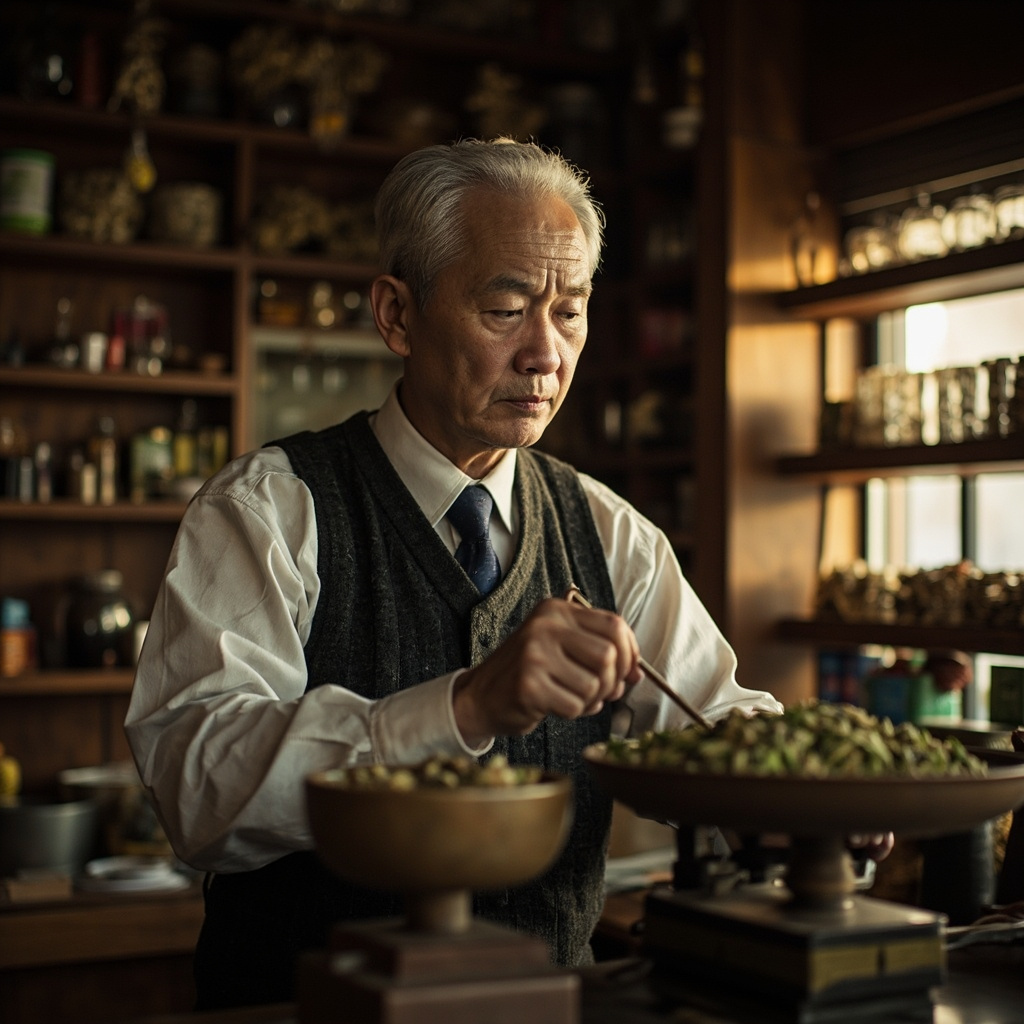
Yi Tang (饴糖): Maltose Sugar — The Humble Sweetener in Chinese Incense
Among the most unexpected ingredients in the Chinese incense tradition is one that seems to belong more in a kitchen than in an incense burner: Yi Tang (饴糖) — maltose sugar, the sweet, sticky product of starch hydrolysis that has been a staple of Chinese confectionery for over two thousand years. Rice candy, glutinous rice cakes, the sweet filling of mooncakes — all of these rely on Yi Tang for their characteristic sweetness. But in incense? The idea seems strange until you understand the role of sweetness in hexiang: that Yi Tang is not a fragrance material but a binding, harmonising element — a substance that softens harsh notes, extends duration, and gives a blend coherence and roundness. In the classical tradition, it is considered one of the most important “harmonising agents” — the material that prevents a blend from being too sharp, too bitter, or too one-dimensional.
What Is Yi Tang?
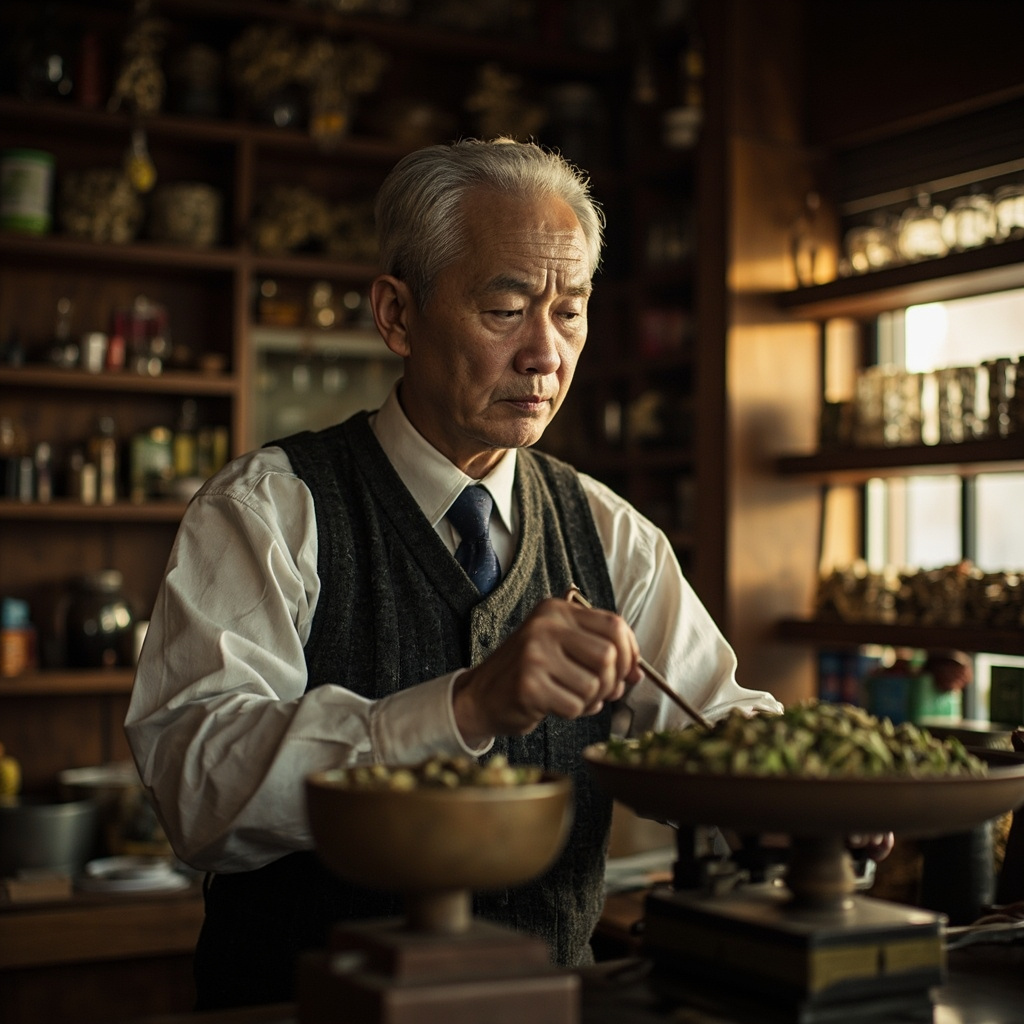
Yi Tang is maltose sugar — a disaccharide composed of two glucose units — produced by the enzymatic hydrolysis of starch. In traditional Chinese production, glutinous rice or wheat is cooked, allowed to ferment with naturally occurring enzymes, and then processed to produce a sticky, amber-coloured syrup or a solid, semi-crystalline mass. The product is called yi tang (饴糖) — “syrup sugar” — to distinguish it from crystalline sugars.
Yi Tang has a characteristic sweet flavour that is milder and more complex than pure glucose or sucrose — with notes of caramel, malt, and a slight fermented quality that adds depth. It is sticky and hygroscopic (absorbs moisture from the air), which gives it practical properties in incense making as well as aromatic ones.
Historical Background
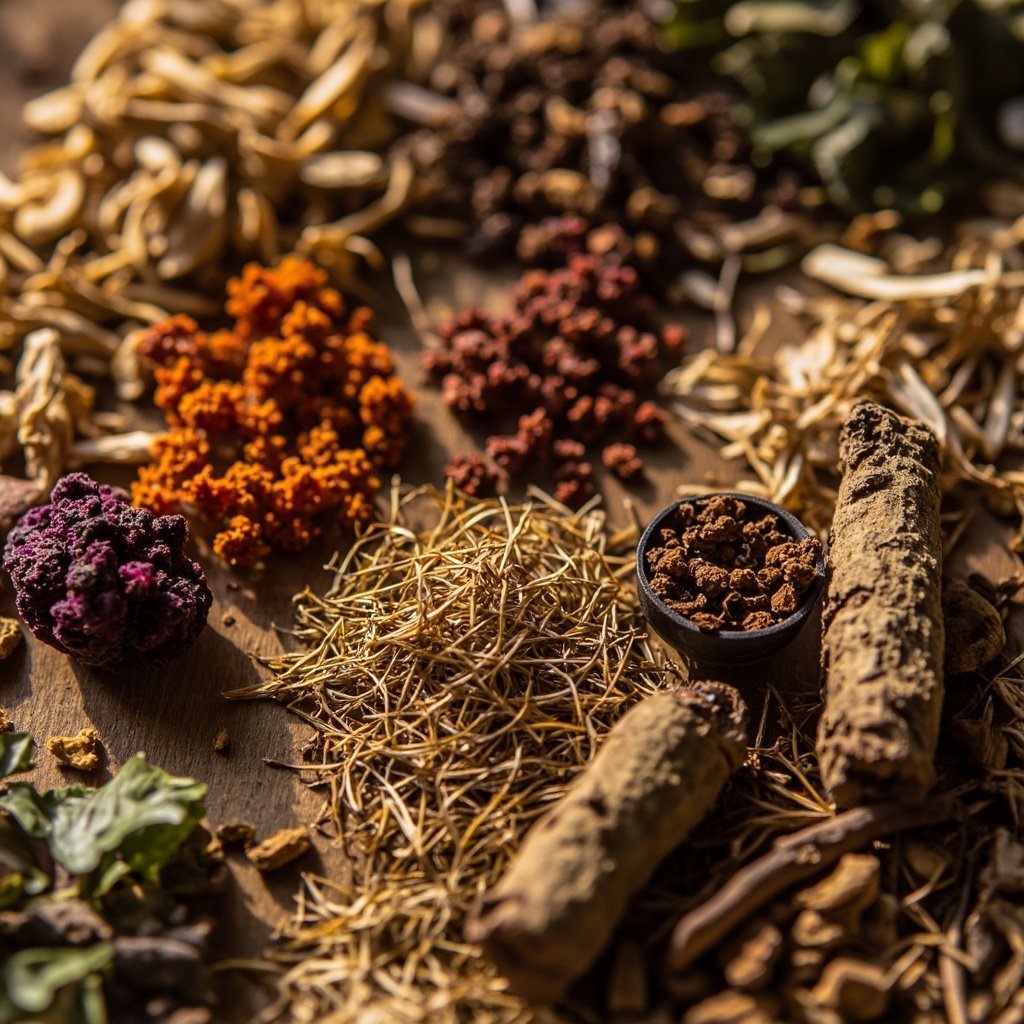
Maltose sugar production in China dates to at least the Han dynasty (206 BCE – 220 CE). The Shiji (《史记》) records maltose confectionery being used in court ceremonies, and the Compendium of Materia Medica (《本草纲目》) describes Yi Tang as “sweet in flavour, neutral in nature, entering the spleen and stomach meridians.”
In the incense tradition, Yi Tang’s use is documented in classical hexiang texts from the Tang and Song dynasties. The Huizong Imperial Incense formula calls for Yi Tang as a harmoniser — a material that “softens the sharpness of the resins and rounds the edges of the woody materials.” This principle — that a blend requires not just strong aromatic materials but also harmonising agents that give it coherence — is a key concept in classical Chinese incense formulation.
The Role of Sweetness in Incense
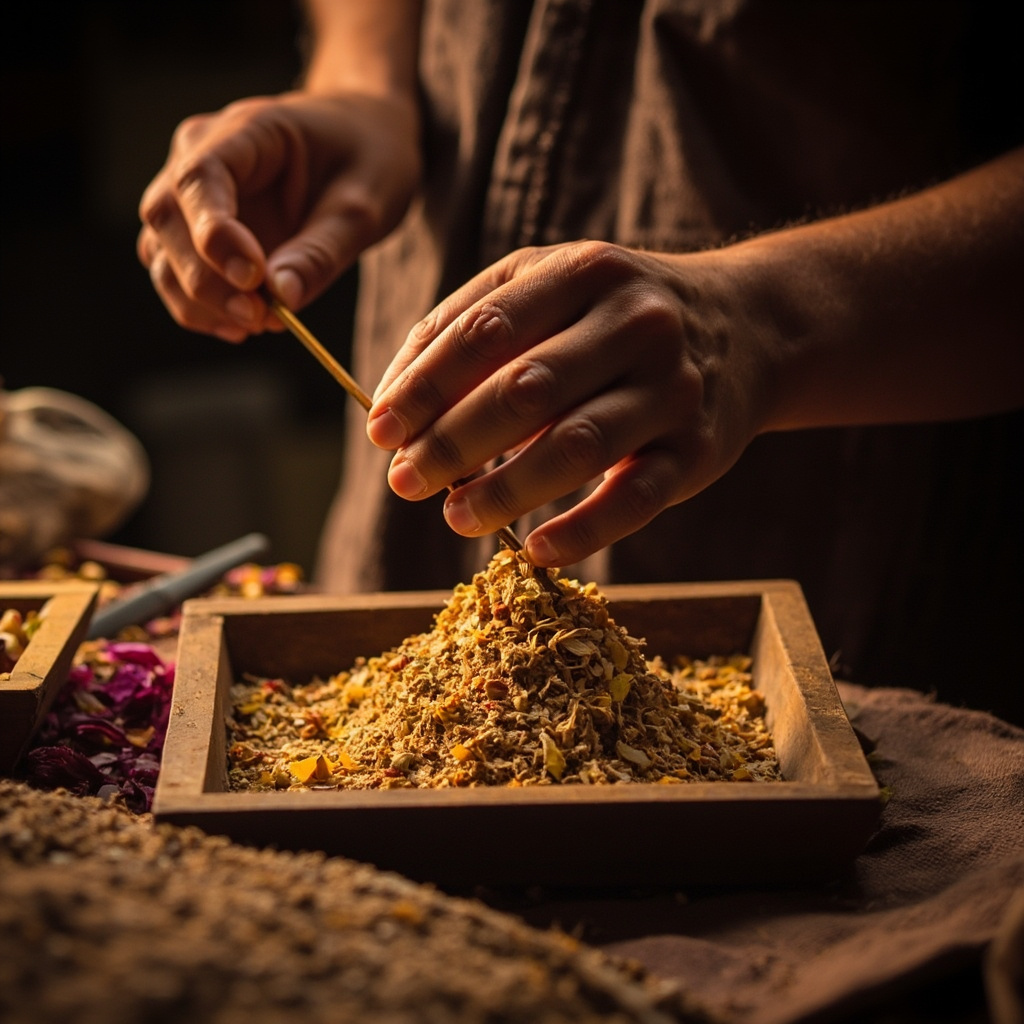
In hexiang (合香) theory, every blend requires a balance of aromatic qualities: sharpness and softness, warmth and coolness, high notes and base notes. Sweetness is a quality that acts as a harmoniser — it softens harshness, rounds edges, and makes disparate materials feel coherent. Yi Tang provides this sweetness in a particular way: not as a cloying or dominating note, but as a subtle background sweetness that integrates the other materials.
How Yi Tang functions in incense:
1. Harmoniser: In blends that contain sharp or bitter materials (certain resins, some warming spices), Yi Tang’s sweetness softens the harsh edges, making the overall blend feel more complete and rounded.
2. Binding agent: The sticky, hygroscopic nature of maltose helps bind the other powdered materials together in incense sticks and cones, improving structural integrity and burn quality.
3. Fragrance extender: Like other sugars, maltose caramelises slightly when burned, releasing mild sweet-smelling compounds that extend the overall duration of the fragrance and smooth out transitions between fragrance phases.
4. Humectant: In a blend, the hygroscopic nature of maltose helps the incense retain moisture, preventing it from drying out and becoming brittle. This is particularly relevant in dry climates.
How to Use Yi Tang in Incense
Yi Tang is added to the dry blend before adding water and the binding agent. It is typically used at 5–10% of the total dry weight — enough to contribute its harmonising effect without adding excessive sweetness.
Practical approach: Dissolve Yi Tang in the smallest amount of warm water necessary to create a syrup, then use this syrup to bind the incense dough instead of plain water. This ensures even distribution of the sweetener throughout the blend.
Example formula with Yi Tang:
- 60g sandalwood powder
- 15g benzoin powder
- 5g dragon’s blood resin powder
- 5g Yi Tang (dissolved in water)
- 10g makko powder
- Water to bind
Modern Alternatives to Yi Tang
In contemporary incense making, Yi Tang is not always readily available outside China. Common alternatives:
- Malt extract: A concentrated syrup made from malted barley, available from brewing suppliers. Similar properties to Yi Tang.
- Rice syrup: A milder, less complex sweetener that still provides binding and harmonising properties.
- Honey: Adds sweetness and binding, but introduces its own strong fragrance which may dominate a blend. Use at half the rate of Yi Tang.
- Brown sugar: Provides some sweetness and caramel notes, but less hygroscopic than Yi Tang, so less effective as a binding agent.
TCM Properties
In Traditional Chinese Medicine, Yi Tang is classified as sweet and warm, entering the spleen, stomach, and lung meridians. Its primary actions:
- “补中益气” — Tonifies the centre, benefits qi
- “润肺止咳” — Moistens the lungs, stops cough
- “缓急止痛” — Relieves acute pain and cramping
Yi Tang is considered a gentle, nourishing sweetener — appropriate for deficiency conditions, not for excess. In TCM, excessive use of sweet substances is thought to generate dampness, and Yi Tang is no exception — moderation is key.
Frequently Asked Questions
Does Yi Tang add fragrance to incense?
Yi Tang adds a subtle sweetness — caramel, malt, and a mild fermented note — rather than a strong fragrance. Its primary function is harmonisation and binding, not fragrance contribution. The sweetness is detectable in the final blend, but it integrates rather than dominates.
Can I make incense without Yi Tang?
Yes — Yi Tang is an additive, not an essential incense ingredient. Most modern incense does not use it. However, it does improve blend coherence and burn quality, and classical formulas that include it perform differently than versions made without it.
What happens if I use too much Yi Tang?
Excessive Yi Tang (more than 15–20% of the blend) will make the incense burn too fast (sugar burns readily), create excessive smoke, and may make the fragrance cloying rather than harmonising. At proper ratios (5–10%), it is beneficial. More than that, it becomes counterproductive.
Is Yi Tang the same as glucose or sucrose?
No. Glucose (单糖) and sucrose (蔗糖) are different sugars. Yi Tang is maltose — a disaccharide made of two glucose units — with a distinct caramel-like flavour profile different from both. It is produced specifically through starch hydrolysis.