The Fragrant Cypress from China’s Cliffs
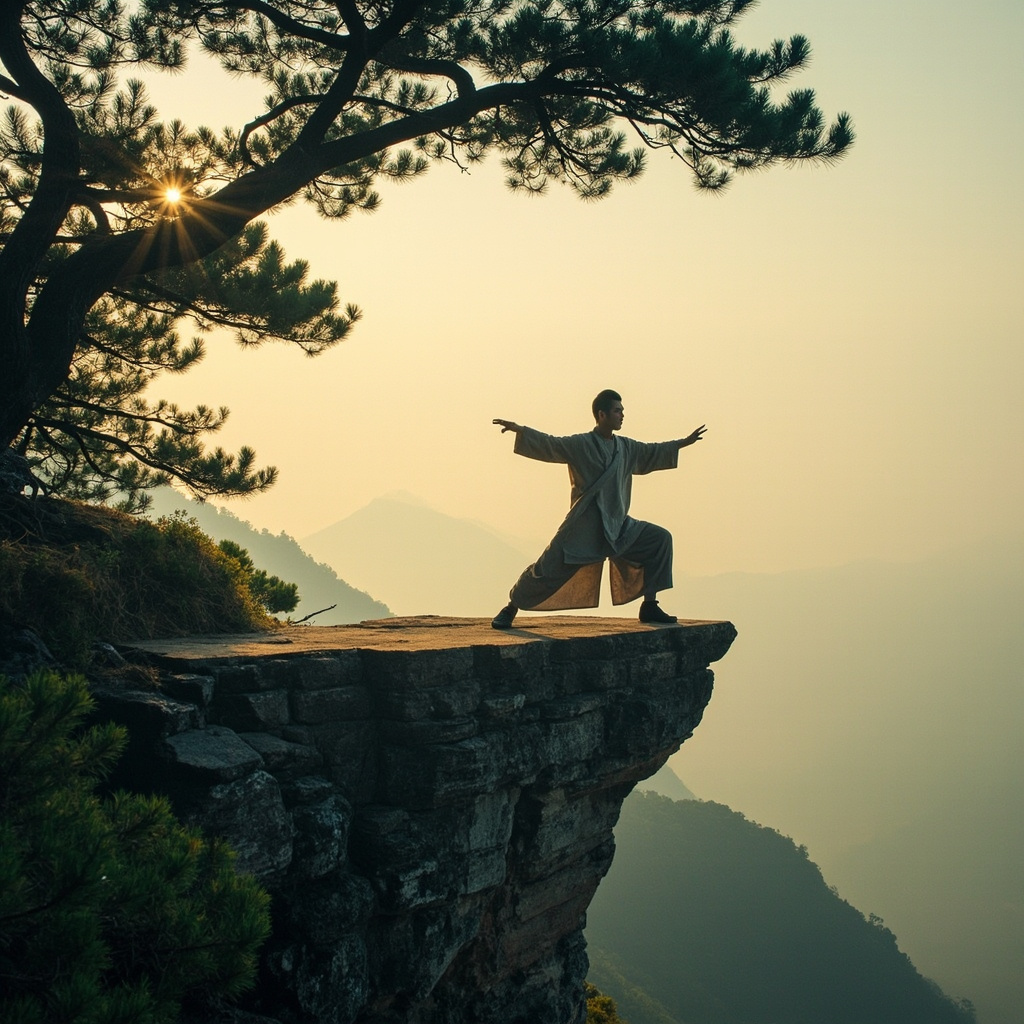
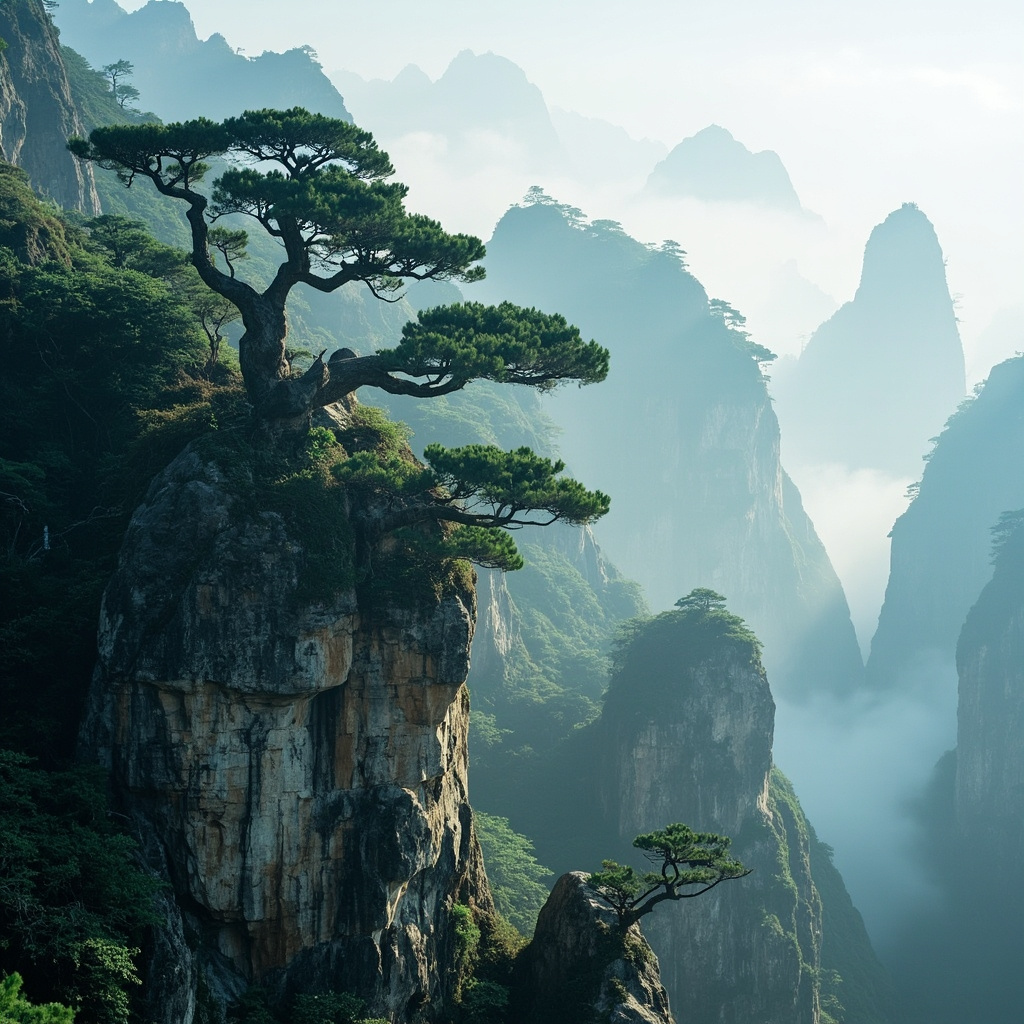
High on the cliffs of Taihang Mountain, where the wind howls and mist swirls, a special cypress tree clings to rock faces that seem impossible to reach. This is yabai (崖柏) — cliff cypress. Not planted, not tended, simply surviving in conditions that kill most trees. And somehow, from this struggle, comes a fragrance that Chinese incense practitioners have prized for centuries.
Yabai represents something different in the incense material world. While sandalwood grows in plantations and agarwood comes from cultivated trees, yabai is genuinely wild. You cannot plant yabai. You can only find it, harvest it, and hope the journey down the cliff was worth what you found.
The scarcity, the difficulty of harvest, the impossible growing conditions — all these factors contribute to why yabai has developed a reputation among those who know. This is not incense for beginners or casual users. This is material for collectors who understand what rarity means.
What Exactly Is Yabai
Yabai comes from Thuja sutchuenensis, a species of cypress that grows exclusively on cliff faces in certain Chinese mountain regions. The name literally means “cliff cypress” — describing exactly where it grows and why it is special. The trees grow in cracks and crevices on nearly vertical cliff faces, exposed to extreme conditions that stress the wood and concentrate its aromatic compounds.
The growth conditions create wood with different characteristics than plantation-grown alternatives. Slow growth in hostile conditions produces dense, aromatic wood. The trees fight for survival, and the aromatic response to that fight is exactly what makes yabai valuable.
Unlike materials that are cultivated and harvested at will, yabai supply depends entirely on what nature has created over centuries. New yabai trees do not replace harvested ones. The resource is finite in ways that even premium agarwood is not.
The Two Main Varieties: Taihang and Sichuan
Yabai classification centers on geographic origin, with two main varieties commanding attention.
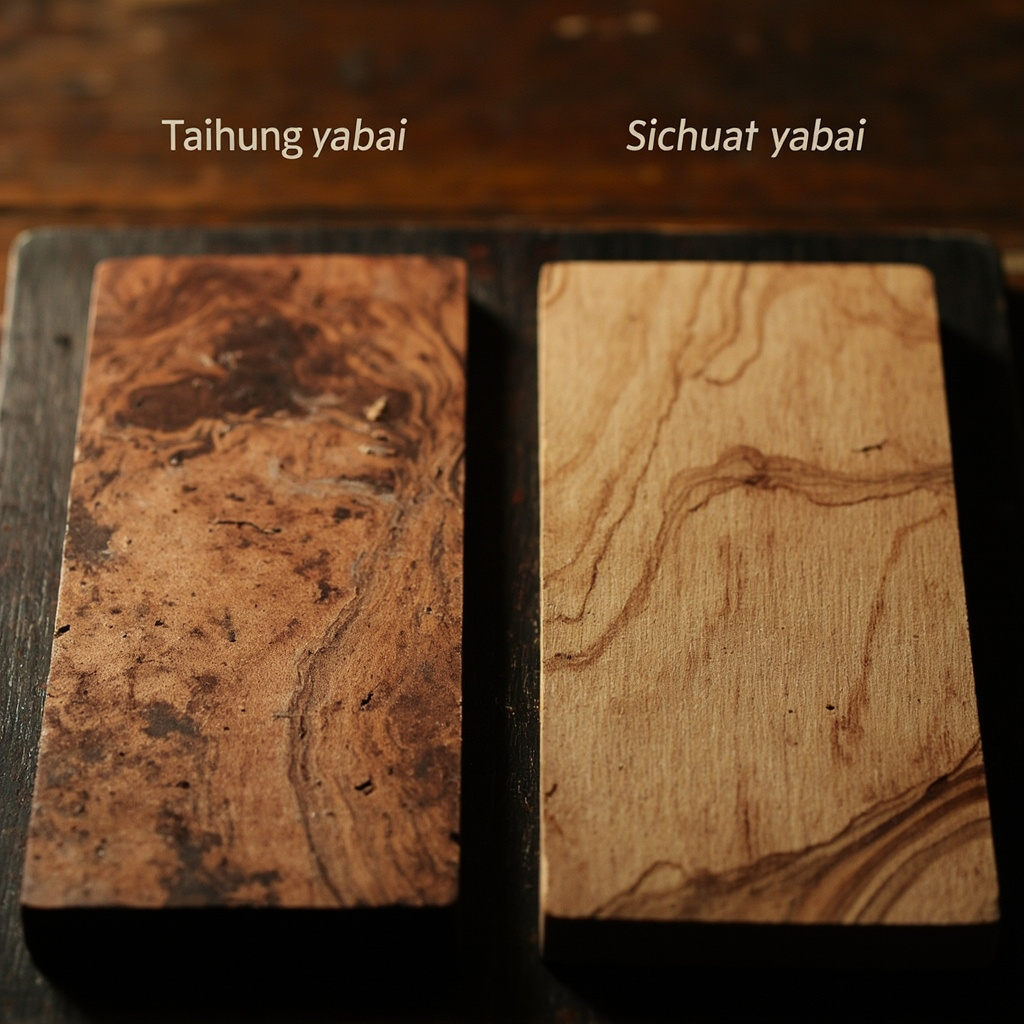
Taihang yabai (太行料) — From the Taihang Mountains in Hebei and Shanxi provinces. This is the classic yabai, the variety that established the material’s reputation. The harsh Taihang climate produces slow growth and exceptional aroma concentration. Taihang yabai fragrance is often described as cleaner, more refreshing, with good longevity despite the lighter character.
Sichuan yabai (川料) — From Sichuan province mountains. Sichuan yabai tends toward deeper, more resinous fragrance than Taihang. Some practitioners prefer this deeper character; others find Sichuan slightly less refined. The quality variation within Sichuan yabai is wider than with Taihang, meaning more risk but also potential for exceptional finds at lower prices.
The difference between these varieties mirrors broader Chinese incense material dynamics: geographic specificity creating distinct character, with one variety often commanding premium pricing despite the other having genuine quality.
How Yabai Differs from Sandalwood
Yabai is sometimes compared to sandalwood because both are woody materials with pleasant fragrance. The comparison is misleading.
The scent profile — Yabai fragrance is lighter and fresher than sandalwood. Where sandalwood reads as creamy and warm, yabai reads as clean and outdoorsy. The difference is like comparing a cozy library to a mountain meadow. Both pleasant, fundamentally different.
The intensity — Yabai is generally less intense than sandalwood when burned. Less fragrance projection means yabai works better in smaller spaces or for practitioners who want subtle presence rather than room-filling aroma.
The availability — Yabai is far rarer than any sandalwood variety. This scarcity makes yabai a collector’s material rather than a practical daily incense for most practitioners.
The character — Yabai has an aromatic freshness that sandalwood lacks. Some describe it as pine-like, others as clean and mineral. This distinct character gives yabai its own identity rather than making it a sandalwood alternative.
Evaluating Yabai Quality
Yabai quality assessment follows principles similar to other premium materials but with some specific considerations.
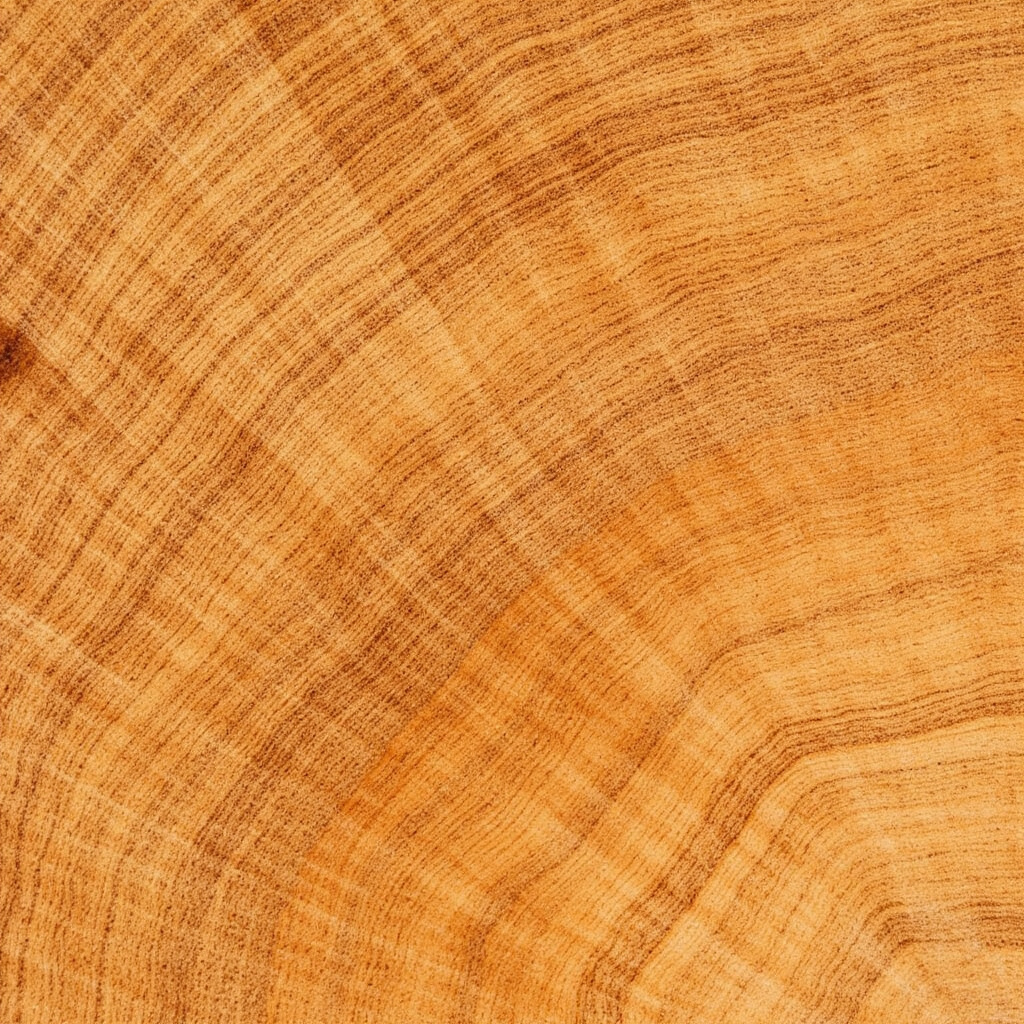
Density — Dense yabai indicates slow growth and good aromatic concentration. While not a definitive measure, density provides initial quality indication.
Origin verification — Given the price differential between Taihang and Sichuan varieties, origin misrepresentation occurs. Vendor sourcing and reputation matter more than with more common materials.
Sinking test — Premium yabai should sink in water, similar to high-quality agarwood and sandalwood. Floating material generally indicates lower quality.
Fragrance assessment — Quality yabai should smell fresh, clean, and natural even cold. When heated, the fragrance should develop smoothly without harsh notes. The characteristic fresh, outdoor quality should be apparent.
The Bottom Line
Yabai occupies a specific niche in Chinese incense: the collector’s material, valued for rarity and distinct character rather than intensity or practicality. For most practitioners, yabai is not daily incense but occasional treasure.
If you explore yabai, approach it on its own terms. Do not expect sandalwood intensity or agarwood complexity. Expect something different: the fresh, clean fragrance of mountain cypress that grew in conditions no plantation tree will ever know.
The people who love yabai love it precisely because it represents something genuinely wild in a world of cultivated incense materials. That scarcity, that impossibility of cultivation, gives yabai value beyond simple fragrance quality.
Frequently Asked Questions
Is yabai better than sandalwood?
Not better, different. Yabai and sandalwood have completely different fragrance profiles and serve different purposes. Sandalwood provides consistent, room-filling presence. Yabai provides subtle, fresh fragrance in smaller spaces. They do not replace each other.
What is the difference between Taihang and Sichuan yabai?
Taihang yabai is generally considered premium, with cleaner, fresher fragrance. Sichuan yabai tends deeper and more resinous. Both are genuine yabai, but Taihang commands higher prices due to perceived quality and scarcity.
Can yabai be cultivated?
No. Yabai grows exclusively on cliff faces in the wild. Attempts to cultivate it in plantations have not produced material matching wild-harvested quality. This natural scarcity contributes to yabai’s collector value.
How should yabai be stored?
Similar to other aromatic woods: airtight containers, cool temperatures, protection from light. Yabai benefits from aging, developing deeper fragrance over time if properly stored.