Why Some Incense Just Hits Different
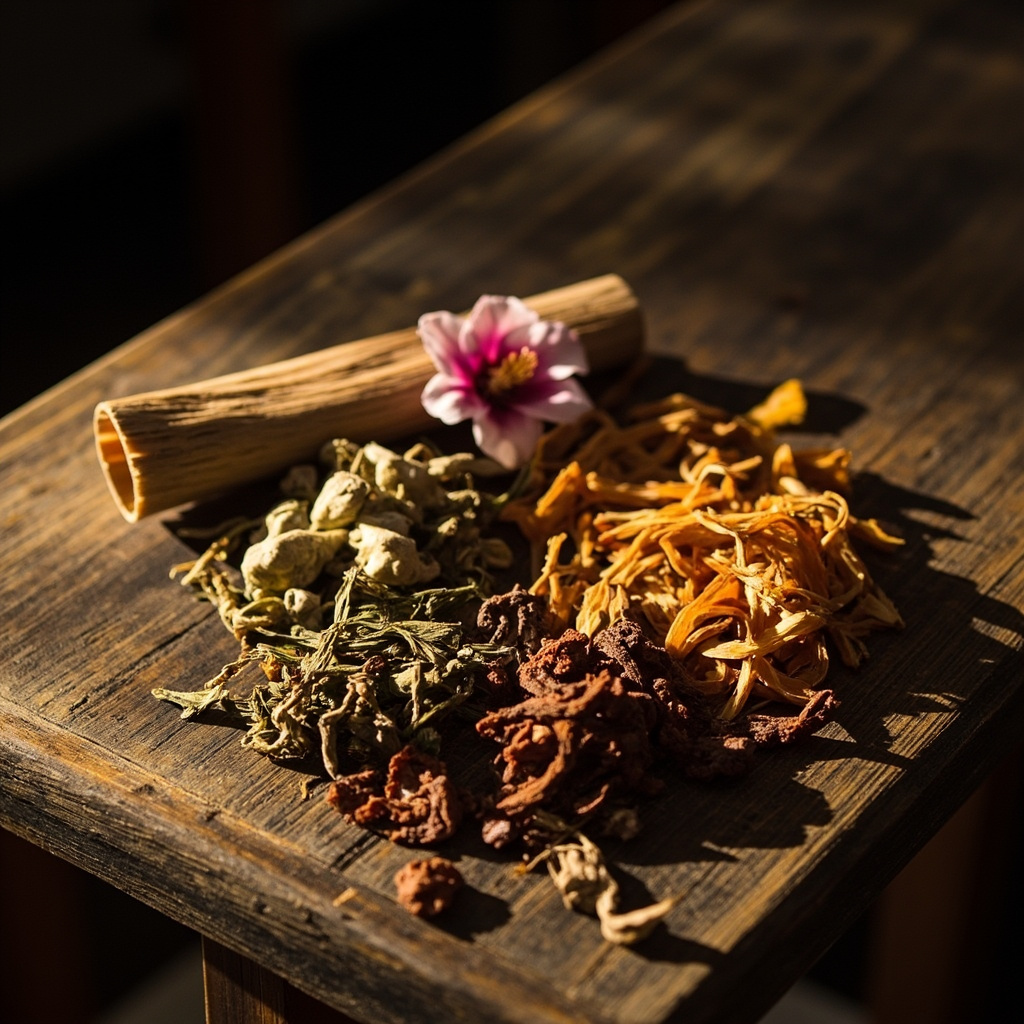
You ever burn something and just… stop? Like, you meant to do something else, but you just sit there because the smell is doing something to you?
That’s not accident. That’s what the Chinese call Xiang Wei Gong Tong — fragrance synergy. When different scents work together to create something that’s more than the sum of its parts.
It’s why some incense combos feel transcendent while others just smell nice. There’s actual magic in the combination, not metaphorically — something real is happening chemically and perceptually.
What “Gong Tong” Actually Means
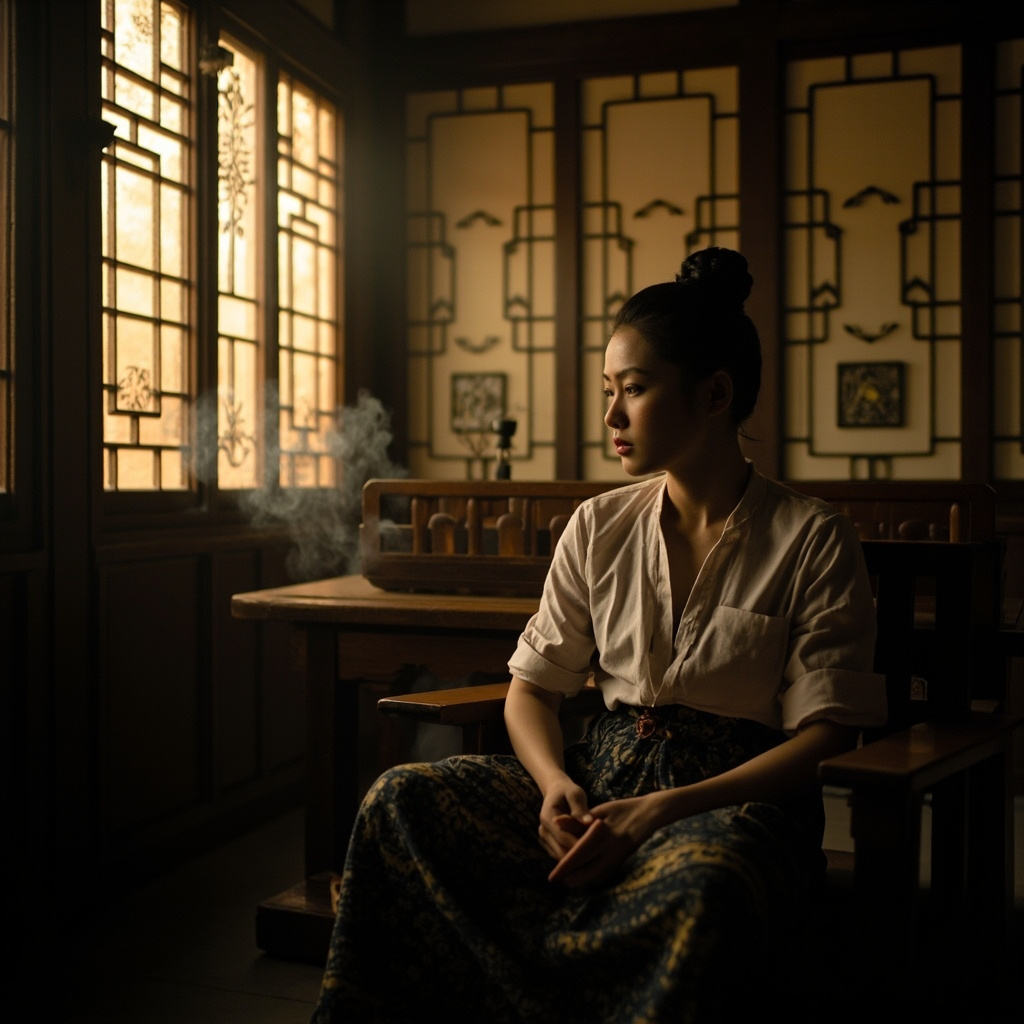
Gong (共) means “together” or “shared.” Tong (通) means “to pass through” or “to connect.” Together, it’s about how scents connect, amplify, and transform each other.
The idea is simple: when you combine certain scents, they don’t just sit next to each other. They interact. They change each other. They create new scent qualities that didn’t exist before.
Think about how garlic and butter taste different than butter alone, or garlic alone. The combination creates something new. Same thing happens with fragrances.
The Chemistry of Synergy
Here’s where things get interesting. Modern science actually backs this up.
When you burn multiple aromatic materials together, their chemical compounds interact in the smoke. Some compounds amplify others. Some create entirely new aroma molecules through thermal reactions. Some suppress each other, while others bring out qualities that were latent.
This is why a well-blended incense can smell completely different than the individual ingredients. The interaction creates complexity that single scents can’t achieve.
Your olfactory system plays a role too. When multiple scents hit your receptors at once, your brain processes them in relation to each other. What you perceive isn’t just “ingredient A plus ingredient B” — it’s something new.
Types of Synergy in Incense
Amplification:
Some ingredients make other ingredients smell stronger. Like how a squeeze of lemon makes garlic taste more garlic-y. A small amount of something sharp can make the whole blend more vibrant.
Extension:
Some ingredients help others last longer in the air. The top notes fade slower. The overall presence extends. This is part of why fixatives matter so much in blending.
Creation:
This is the magical one. Sometimes two ingredients that smell a certain way individually combine to create something neither had alone. It’s not just A + B = AB. It’s more like A + B = completely new thing C.
Balance:
Some ingredients smooth out harsh edges in others. Make something too sharp become gentler. Something too heavy become more wearable. This is part of what balancing is really about.
How to Find Synergistic Combinations
Honestly? A lot of it is experimentation. But some starting points:
Start with ingredients you know well.
If you know what sandalwood smells like on its own, you can notice what happens when you add other things to it. Build your understanding from the ground up.
Try related families first.
Woods with woods. Florals with florals. When you understand how members of the same family interact, you can start mixing families more intentionally.
Pay attention to what changes over time.
How does the blend smell when you first light it? After five minutes? After fifteen? Synergy often reveals itself over time as different notes emerge and interact.
Keep notes.
Honestly, this is how you develop intuition. Write down what you tried, what happened, what you’d adjust next time. After enough iterations, patterns emerge.
The Difference Between Synergy and Just Mixing
Here’s a subtle distinction. Mixing is just putting things together. Synergy is when the combination creates something greater than what you put in.
A lot of commercial incense is just mixing. Pleasant smells, maybe balanced, but nothing special. The real test of synergy is when someone burns your blend and asks “what is THAT?”
That moment when the smell does something unexpected. When it’s more interesting than any of the individual ingredients would suggest. That’s synergy.
Classic Examples in Traditional Formulas
The ancient formulas that have survived for centuries? They survived because they achieved synergy. People kept making them because the combinations did something special.
E Li Zhang Zhong —鹅梨帐中香. Pear and sandalwood. On their own, pretty straightforward. Together? Something else entirely. The sweetness of the pear amplifies something in the sandalwood, creates a whole new aromatic experience.
This is why traditional formulas are worth studying. They represent generations of experimentation to find combinations that actually work.
The Bottom Line
Synergy is what separates good incense from great incense. It’s why traditional formulas have been refined over centuries. Why certain combinations just feel right.
You can follow ratios and balancing principles and still make mediocre incense if you’re not also chasing synergy. The best makers are always experimenting, always trying new combinations, always paying attention to what happens when things interact.
When you find a synergistic combination — when two or three things come together and create something that makes you stop — that’s the holy grail of incense making. Everything else is just preparation for getting there.
Frequently Asked Questions
Can I predict which ingredients will have synergy?
Not really. Some educated guesses based on scent families and chemical properties, but mostly it’s empirical. You burn it, you see what happens. The old makers discovered synergies through exactly this kind of trial and error over generations.
How long does it take to develop synergy intuition?
Depends on how much you experiment. If you’re burning different combinations regularly and paying close attention, maybe a year or two to develop real intuition. But you can start experiencing synergy immediately — just burn some traditional formulas and notice what happens.
Do I need expensive ingredients for synergy to happen?
No. Synergy is about how things interact, not the price point. Cheap ingredients can absolutely synergize. Though better ingredients give you more to work with, higher quality compounds to interact.
What’s the difference between synergy and balancing?
Balancing is about making sure nothing is too much or too little. Synergy is about creating something greater through combination. They’re related but different. You can have a balanced blend that lacks synergy. You can’t really have strong synergy without some baseline balance.
Can synergy go negative?
Yeah, actually. Sometimes ingredients clash instead of harmonize. The combination is worse than either alone. That’s why testing matters. What sounds good in theory doesn’t always work in practice.