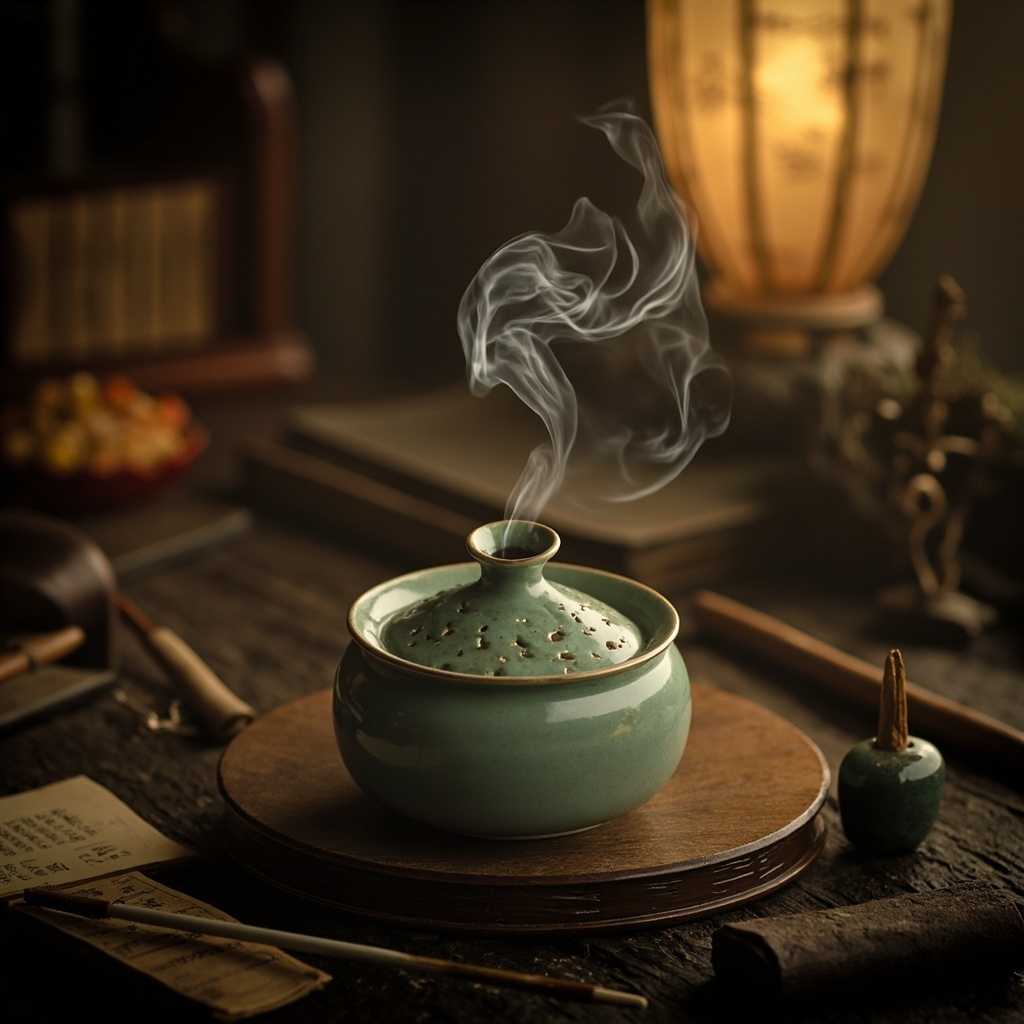
It is 9 o clock on a Tuesday evening. Rain taps softly against your window. You have lit a single stick of sandalwood and amber — nothing fancy, just a 12 bundle from a small apothecary in San Franciscos Chinatown. The smoke curls upward. You sit. You breathe. For ten minutes, the notifications go silent.
That feeling — the quiet after the match is struck — is what xiangdao is all about.
Not a ceremony. Not a ritual. Just this: the scent arrives, your shoulders drop, and you remember that you were a person before the inbox filled up.
Most Westerners have never heard the word Xiangdao (香道, the way of fragrance). Yet almost everyone has tasted its cousin — Japanese kodo, the art of incense appreciation that became famous through Kyoto tea ceremonies. What fewer people realize is this: xiangdao came first. Much first.
Chinese scholars were reading the smoke of blended incense centuries before Japans Heian era even began. And unlike its Japanese descendant — precise, ceremonial, governed by strict schools — Chinese xiangdao has always been something you do at your kitchen table, between phone calls, on a Tuesday.
What Is Xiangdao, Exactly?
Let start with what it is not.
It is not about burning a stick to make your apartment smell good (though it does do that). It is not a religion. It is not complicated or expensive or hard to learn.
Xiangdao (香道, the way of fragrance) is the ancient Chinese art of noticing, appreciating, and living with scent — as a daily practice for clarity, calm, and self-awareness.
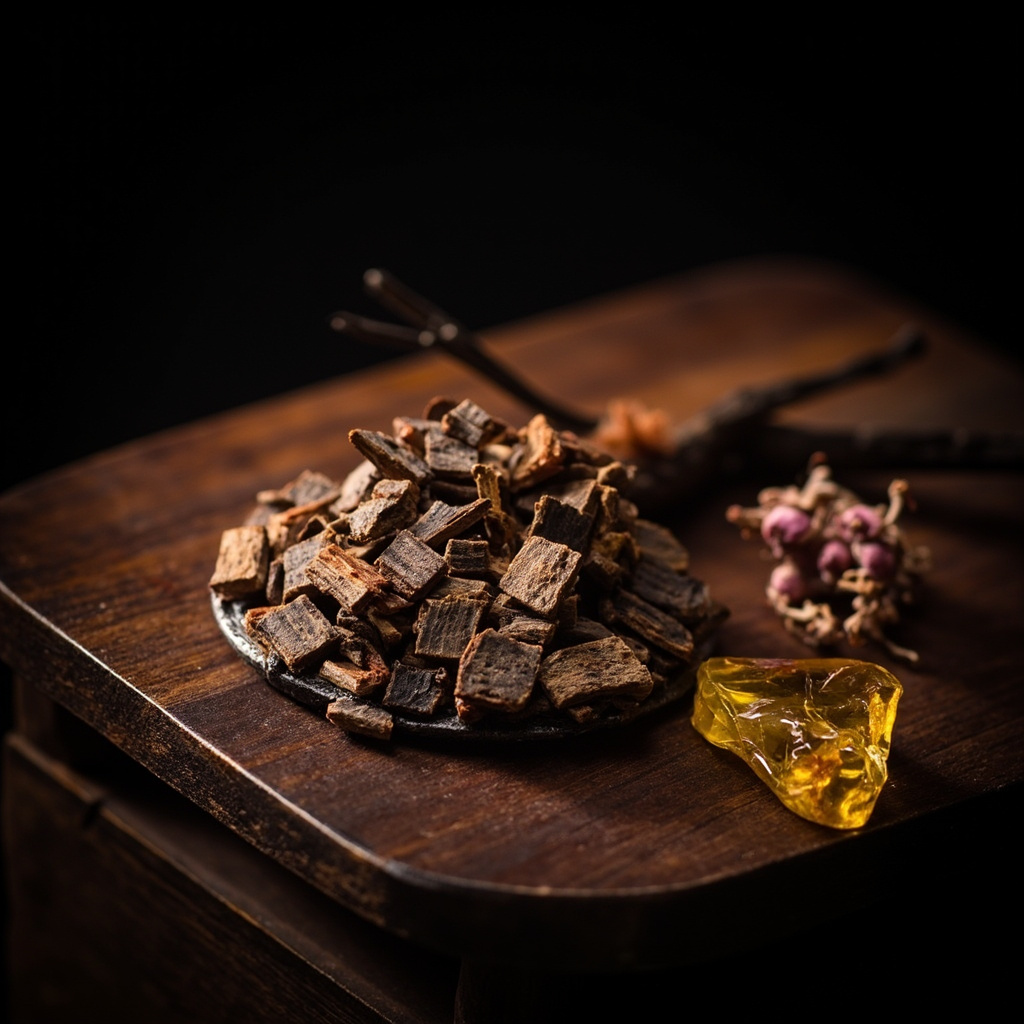
At its center is Hexiang (合香, Chinese blended incense) — the practice of mixing raw botanical materials (woods, resins, flowers, herbs) into complex, layered scents.
A Brief History: From the Han Dynasty to Your Living Room
Chinese incense culture dates back to at least the Han Dynasty (206 BCE – 220 CE). By the Tang Dynasty (618–907 CE), Chinese hexiang had reached extraordinary sophistication.
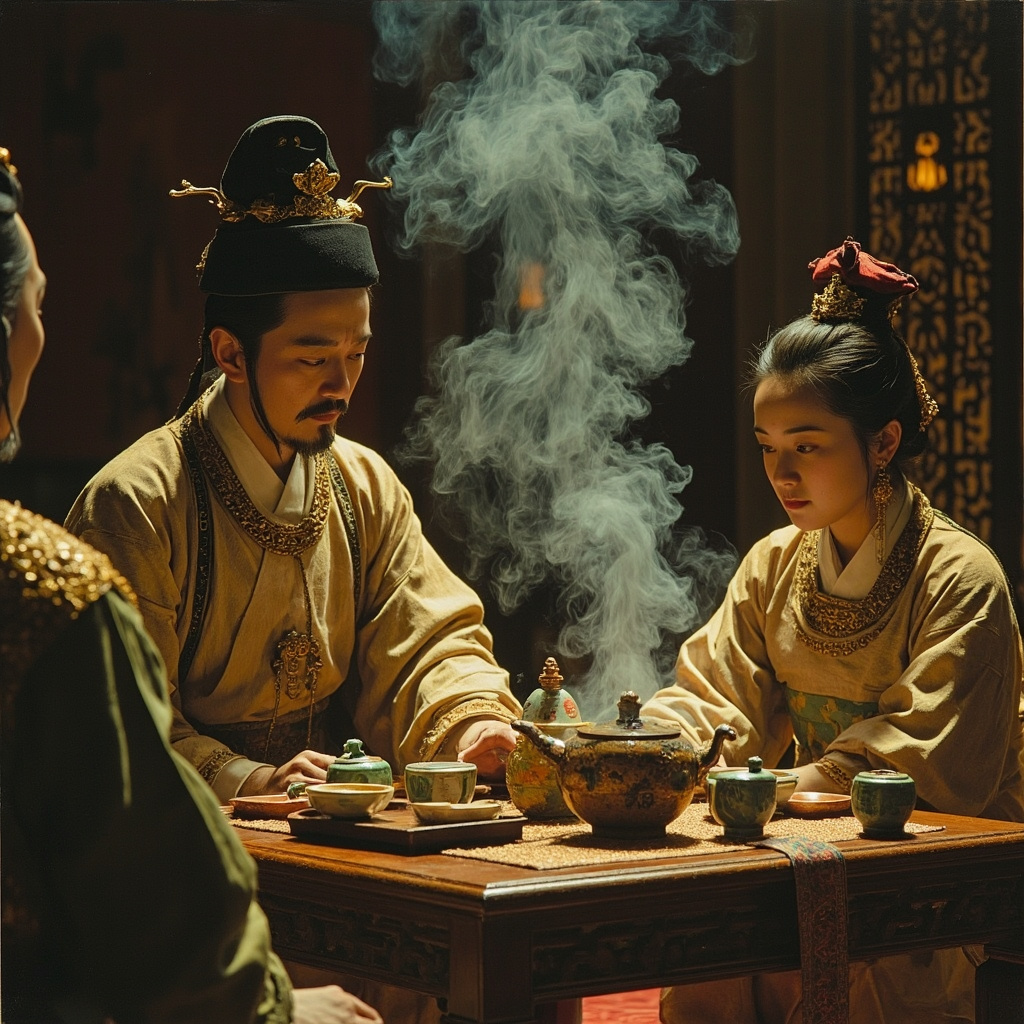
The Tang Dynasty Gift to Japan
During the Tang, Japanese monks and diplomats traveled to China and encountered xiangdao directly. They brought back not just the practice but the entire philosophical framework. In Japan, this evolved into kodo (the way of incense).
Chinese xiangdao is the original. It grew up messy and alive, in tea houses and scholars studios. It belongs to everyone.
Xiangdao vs. Kodo: Same Roots, Different Spirit
Japanese kodo is a formal art. It follows structured protocols. It is beautiful, serious, and a little intimidating.
Xiangdao is an open practice. It does not require a master or a special room. It is warm, adaptive, and yours.
Xiangdao vs. Indian Incense: A Different Purpose
Indian incense is largely devotional. Many commercial Indian sticks are synthetic, containing charcoal fillers and fragrance oils rather than true botanical materials.
Xiangdao is sensory and introspective. True Chinese incense — especially hexiang — uses natural materials. You do not light it and leave the room. You stay. You notice.
The Three Pillars of Xiangdao
1. Holism — Scent Affects the Whole Body
Chinese medicine does not separate mind from body. A scent does not just smell good — it enters through the nose, interacts with the limbic system (your emotional brain), influences your breath, and shifts your physical state.
2. Harmony — Balance Over Intensity
Where Western perfumery often chases the sillage, Chinese xiangdao prizes harmony: the way multiple ingredients work together to create something none of them could achieve alone.
3. Self-Care — The Practice Is the Point
Chinese scholar culture flipped the script. The scholar lit incense not to recover from work but to become more fully present to work. The practice preceded the productivity. The breath preceded the words.
Why Xiangdao Matters Now More Than Ever
Xiangdao offers something different. Not a system to master, but a practice to return to. Not a product to buy, but a moment to inhabit. Not an identity to perform, but a way of being present to the life you already have.
How to Get Started With Xiangdao
The good news: you need almost nothing to begin.
Start with a single natural incense stick — sandalwood, aloeswood, or a blended hexiang — and a heat-resistant holder. Light it. Let the first burning tip glow for ten seconds. Blow it out. Watch the smoke.
Start there. We will meet you here.
Ready to Begin Your Xiangdao Journey?
Download our free Xiangdao Starter Checklist — everything you need to start tonight, for under 50.
<p
Related Articles
- What Is Xiangdao? A Complete Beginner Guide
- What Is Xiangdao? The Ancient Chinese Philosophy of Incense
- Tibetan Incense (Zangxiang): The Sharp, Purifying Tradition of the Himalayas
>Xiangdao is waiting for you. It has been waiting for a very long time.
1