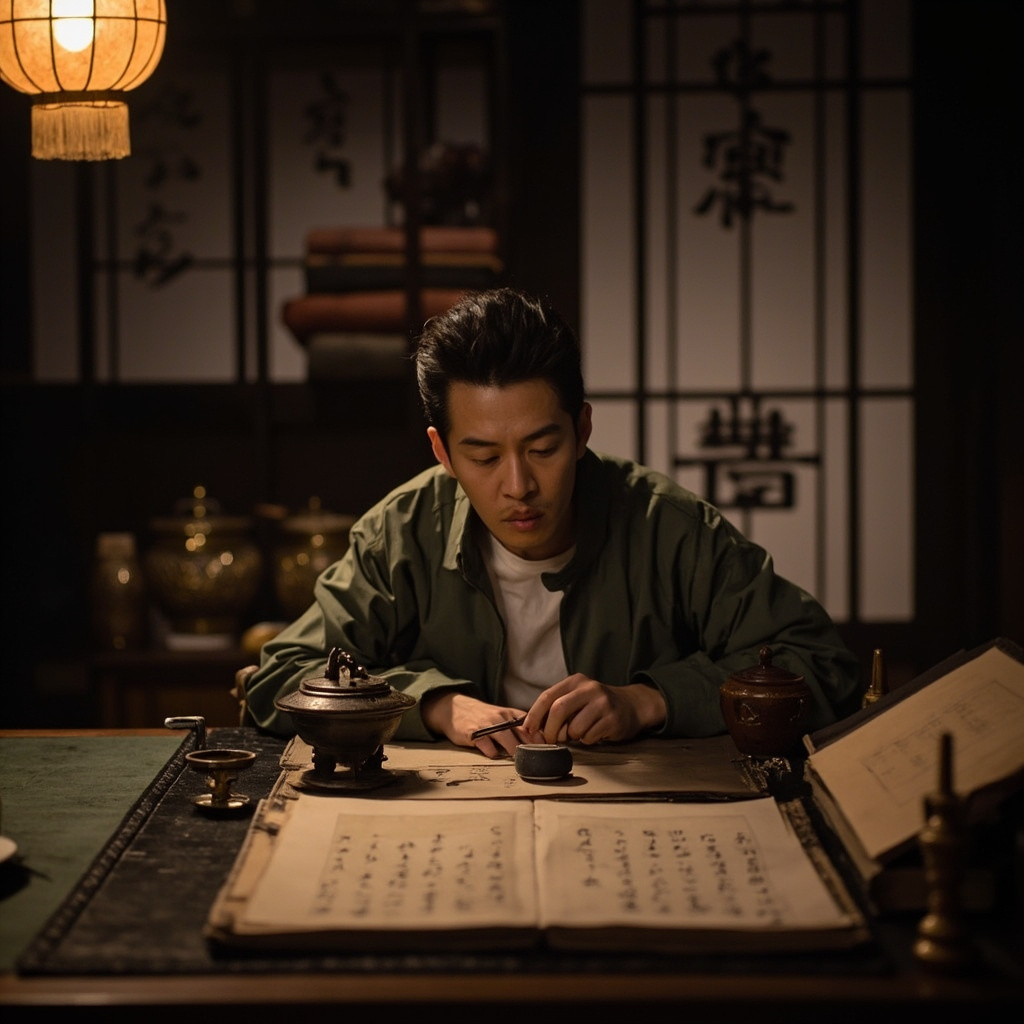
So What Exactly Is Hexiang?
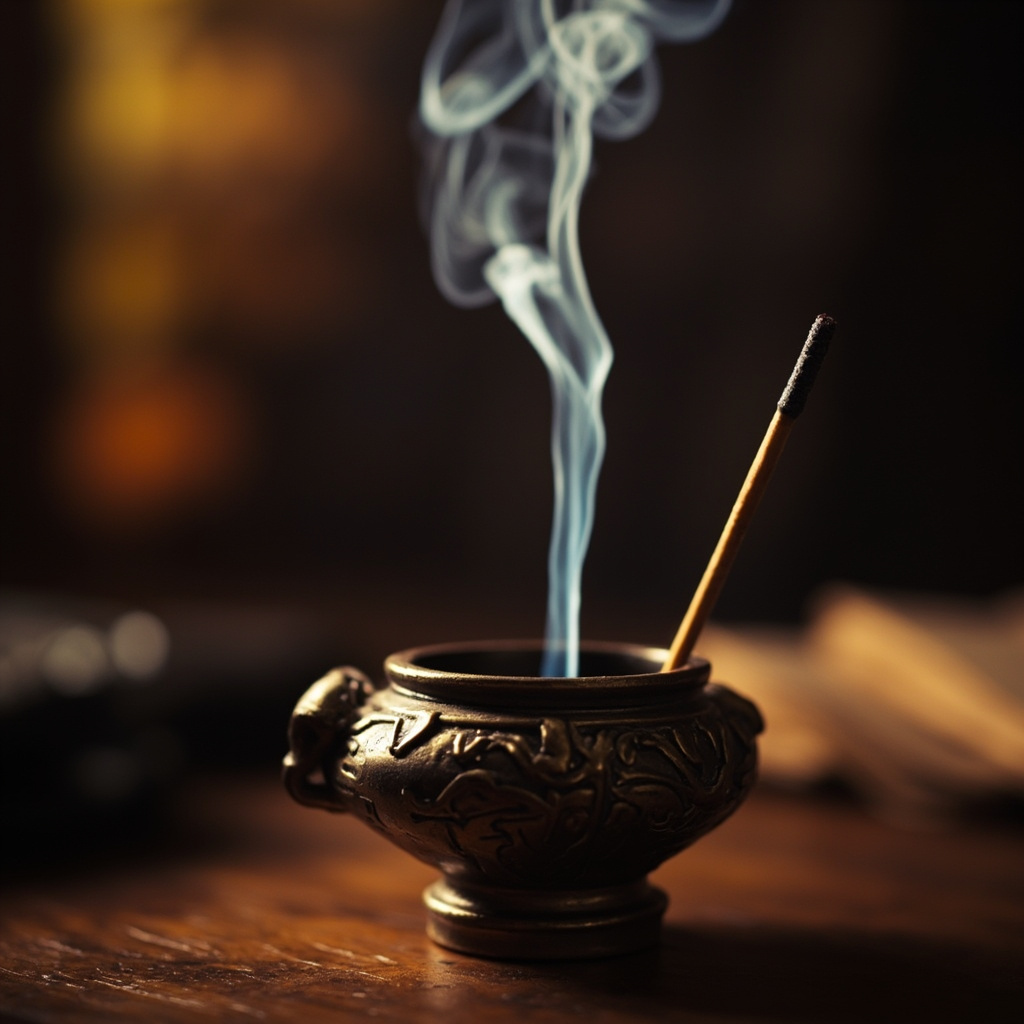
Look, you’ve probably burned incense before. Maybe at a temple, maybe at home. But here’s the thing — most incense you find in stores? It’s just one ingredient. One smell. That’s it.
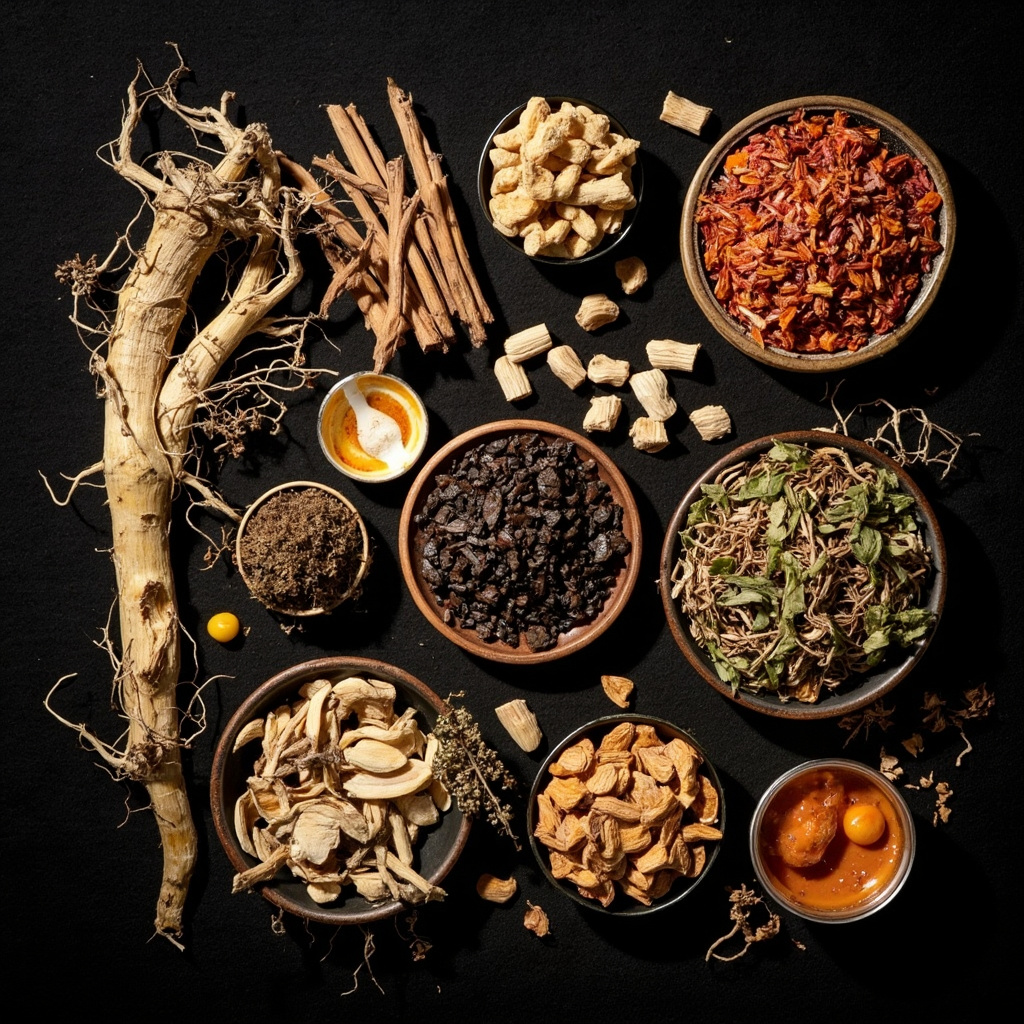
Hexiang (合香) is different. It’s the Chinese art of blending multiple aromatic materials together. We’re talking sandalwood, agarwood, resins, dried flowers, herbs, spices — sometimes 10, 20, even 30 different ingredients. All mixed according to ancient formulas passed down through generations.
The word “he” (合) means “combine” or “harmonize.” And that’s exactly what it’s about — finding harmony between different scents, the same way a chef combines ingredients to create something greater than the sum of its parts.
The Core Principle: Jun Chen Zuo Shi
Here’s where it gets interesting. Hexiang doesn’t just dump random herbs together. There’s a system. It’s called Jun Chen Zuo Shi (君臣佐使) — and no, it’s not about royal politics.
It’s the same principle used in Traditional Chinese Medicine. Four roles, each ingredient plays:
- Jun (君) — The Monarch: The main ingredient. The star of the show. The scent you notice first.
- Chen (臣) — The Minister: Supports the monarch. Makes the main scent deeper, richer.
- Zuo (佐) — The Assistant: Balances everything. Fixes any rough edges.
- Shi (使) — The Guide: Helps all the other ingredients work together. Think of it as the conductor.
Soul of Chinese craftsmanship, right? One scent, but built from many layers. That’s why good hexiang smells different as it burns — you catch the top note first, then the middle, then the base.
Why Hexiang Matters
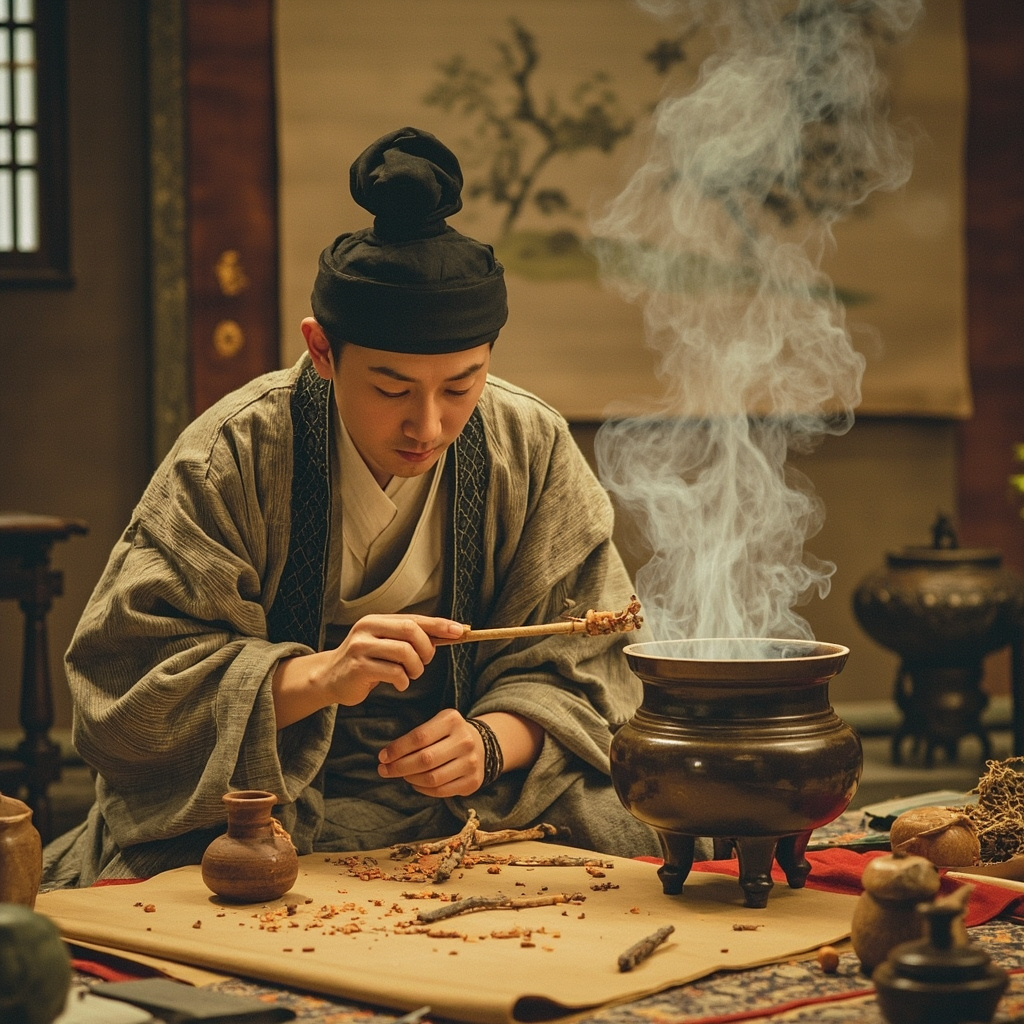
Okay, let me paint you a picture. You burn a regular sandalwood stick. Smells nice. But after 30 seconds? Same smell. That’s it.
Now you burn proper hexiang. The鹅梨帐中香 (E’Li Zhangzhong) for example. First whiff? Pears. Then sandalwood creeps in. Then something warmer, deeper. Maybe a hint of something almost floral. The whole experience might last an hour or more.
That’s the difference. Single incense is like listening to one instrument. Hexiang? It’s a whole orchestra.
The History Behind It
Hexiang isn’t new. We’re talking thousands of years here.
The earliest records? Spring and Autumn period (770-476 BCE). Back then, Chinese scholars were already experimenting with blending aromatic plants. By the Han Dynasty, hexiang was common in court. By the Song Dynasty? It became an art form. Scholars spent years perfecting their own formulas.
Fun fact: The first hexiang manual, 《和香方》 (Formula for Blended Incense), came out during the Northern and Southern Dynasties. Written by Fan Ye. Yeah, that long ago.
What Goes Into Hexiang?
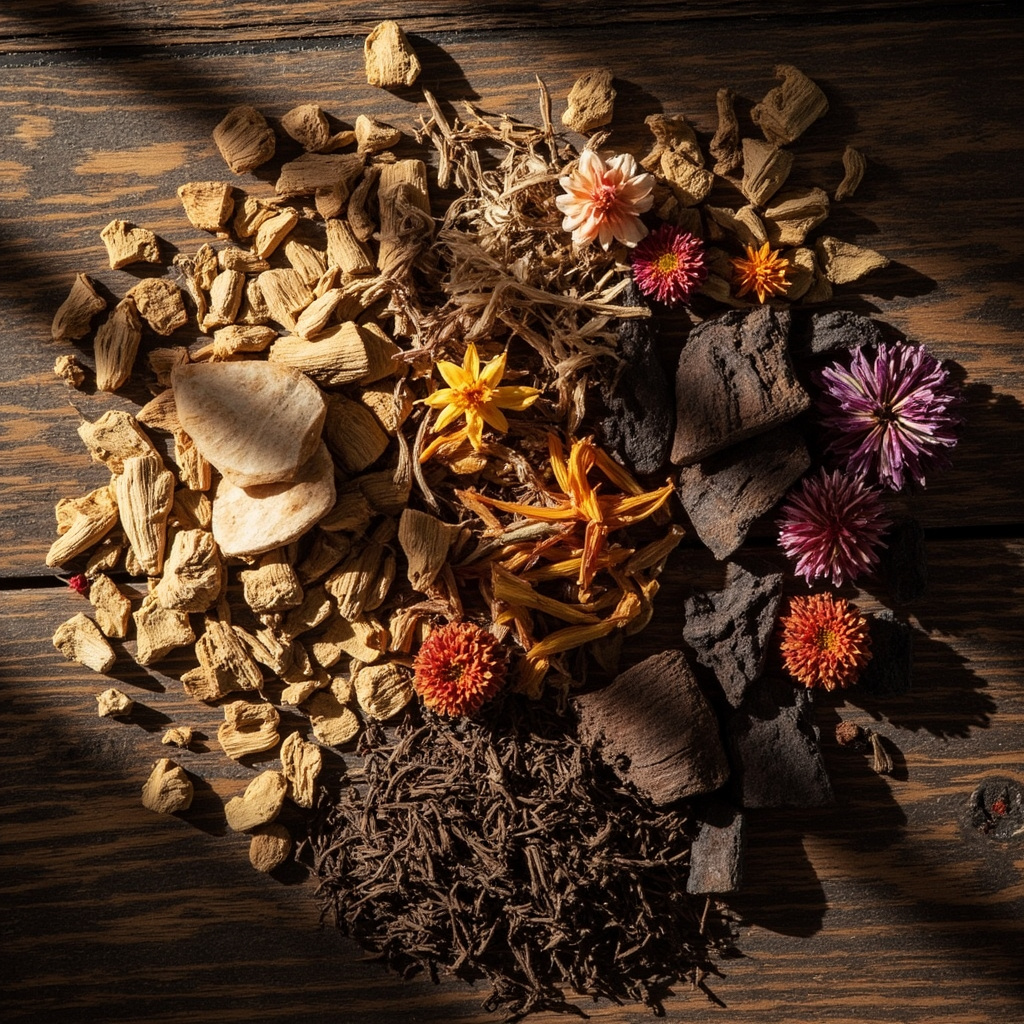
Here’s where it gets fun. The ingredients list is… pretty long.
- Woods: Sandalwood, agarwood, cedar, camphor wood
- Resins: Frankincense, myrrh, benzoin, storax
- Flowers: jasmine, osmanthus, rose, plum blossom
- Herbs: borneol, clove, cinnamon, tangerine peel
- Roots: angelica root, calamus, costus root
- Animal-based (traditional): musk, ambergris
Each ingredient gets processed differently too. Some need sun-drying. Some get steamed. Others are roasted or fermented. It’s a whole science.
How Hexiang Is Made (The Short Version)
If you wanna make hexiang at home, here’s the basic flow:
- Collect your materials — Get quality ingredients
- Process each one — Dry, roast, steam, ferment — each ingredient needs different treatment
- Grind — Turn everything into powder
- Blend — Mix according to your formula
- Add water or binder — Form into whatever shape you want (sticks, pills, powder)
- Aging — This is the secret. Good hexiang ages for months, sometimes years
Oh, and rule number one? No synthetic stuff. Real hexiang is 100% natural. Always.
Common Mistakes Beginners Make
I’ve seen newcomers mess this up. Don’t be that person.
- Buying cheap hexiang: You get what you pay for. If a formula with 20 ingredients costs $5, something’s wrong.
- Burning too much: Start small. You can always add more.
- No ventilation: Smoke buildup = headache. Crack a window.
- Not letting it age: Fresh hexiang smells nothing like aged hexiang. If you make your own, be patient.
- Expecting instant gratification: Hexiang is about the experience over time. Sit with it. Notice the changes.
Frequently Asked Questions
What’s the difference between hexiang and single incense?
Single incense is one ingredient. Hexiang blends multiple ingredients. Think of it like the difference between drinking instant coffee versus a proper espresso blend.
Is hexiang hard to make at home?
Honestly? Yeah, it takes practice. Getting the ratios right, processing each ingredient correctly, aging properly — there’s a learning curve. But you can start simple. Buy good hexiang first. Learn what you like. Then experiment.
How long does hexiang last when burning?
Depends on the blend and format. Stick incense might burn 30-45 minutes. Powder on charcoal? Could go for hours. The real magic is in how the scent evolves over that time.
What’s the best hexiang for beginners?
E’Li Zhangzhong. Trust me. It’s gentle, fruity, hard to mess up. Once you get that, branch out to more complex stuff.
Ready to Explore Hexiang?
Here’s the thing about hexiang — it’s not just about smelling good. It’s about the whole experience. The history, the craftsmanship, the patience it requires.
If you’ve been burning basic stick incense and wondering “is this all there is?” — yeah. There’s a whole other level.
Give hexiang a shot. Your nose will thank you.