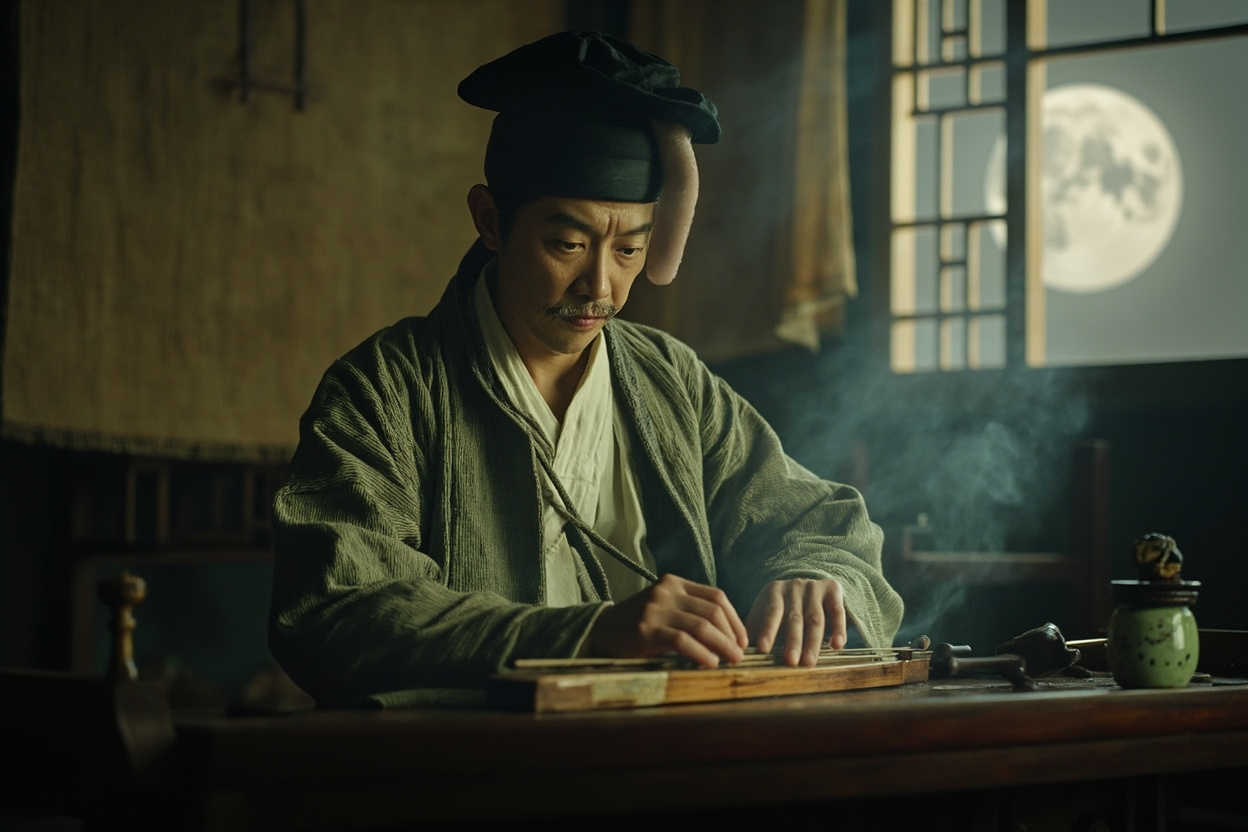
The Tang Dynasty poet Li Bai wrote about incense. So did his contemporary Du Fu. In the Song Dynasty, Su Shi burned incense while writing calligraphy. His brother Su Zhe kept a private blend formula notebook. In the Ming Dynasty, Wen Zhengming documented his personal incense rituals in meticulous detail. This is 文人香: the incense culture of Chinese scholars. Not the court. Not the temple. The private study.
What Is 文人香?
Literally, 文人香 means “scholar incense.” But the term describes something more specific than just “incense used by scholars.” It describes an entire approach to incense that mirrors the scholar approach to art, poetry, and self-cultivation: deliberate, personal, grounded in tradition but expressed through individual taste.
Where palace incense was expensive and imperial, and temple incense was bold and public, 文人香 was intimate. Made in small batches, refined over time, adjusted to personal preference, and used in private — in the study, at the desk, during calligraphy, before painting.
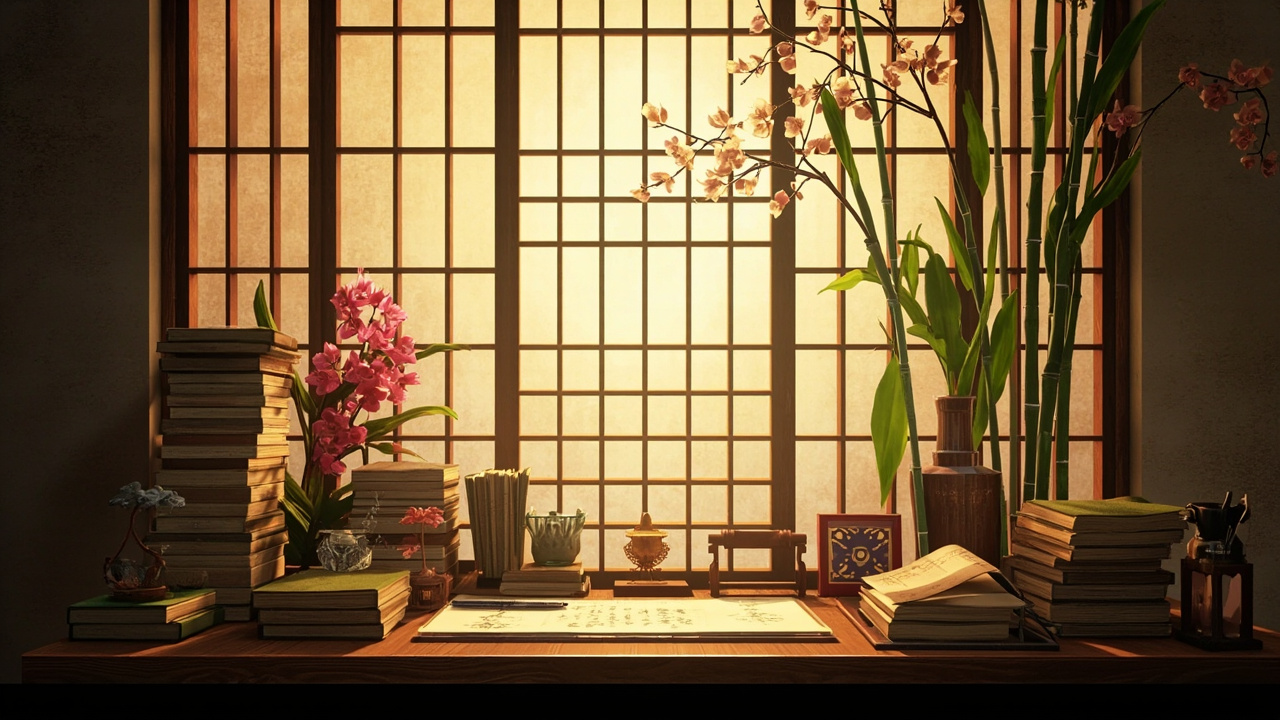
The History of Scholar Incense
The golden age of 文人香 was the Song Dynasty (960-1279 CE). Scholar-officials developed what we now think of as the Chinese literati tradition: calligraphy, painting, poetry, garden design, and incense, all as forms of self-cultivation rather than mere aesthetics.
Scholars burned incense while painting to focus the mind. They burned incense while writing poetry to create an atmosphere. They burned incense while discussing philosophy to create a shared sensory space. Incense was infrastructure for intellectual work, not decoration.
The most famous documented scholar incense practitioners:
- Su Shi (苏轼): Co-created several classic formulas. His approach was experimental.
- Su Zhe (苏辙): Su Shi’s brother. More systematic. His formula notes were detailed and precise.
- Huang Tingjian (黄庭坚): Considered the finest practitioner. His formulas were the standard for centuries.
What Made Scholar Incense Different
1. Blending as creative practice: Court incense was made by specialist craftsmen. Temple incense was made by monks. Scholar incense was made by the scholar themselves, and blending was a creative act — as personal as writing poetry. This is why some of the most famous Chinese incense formulas are attributed to specific scholars. The formula was an expression of individual taste.
2. Restraint over assertiveness: Palace incense filled large spaces. Temple incense was noticed from a distance. Scholar incense was designed to be discovered. The scholar was not trying to impress. He was creating an environment for thinking.
3. Integration with other practices: Scholar incense was never standalone. It was part of calligraphy, poetry, painting, and garden design. Incense was infrastructure for intellectual work.
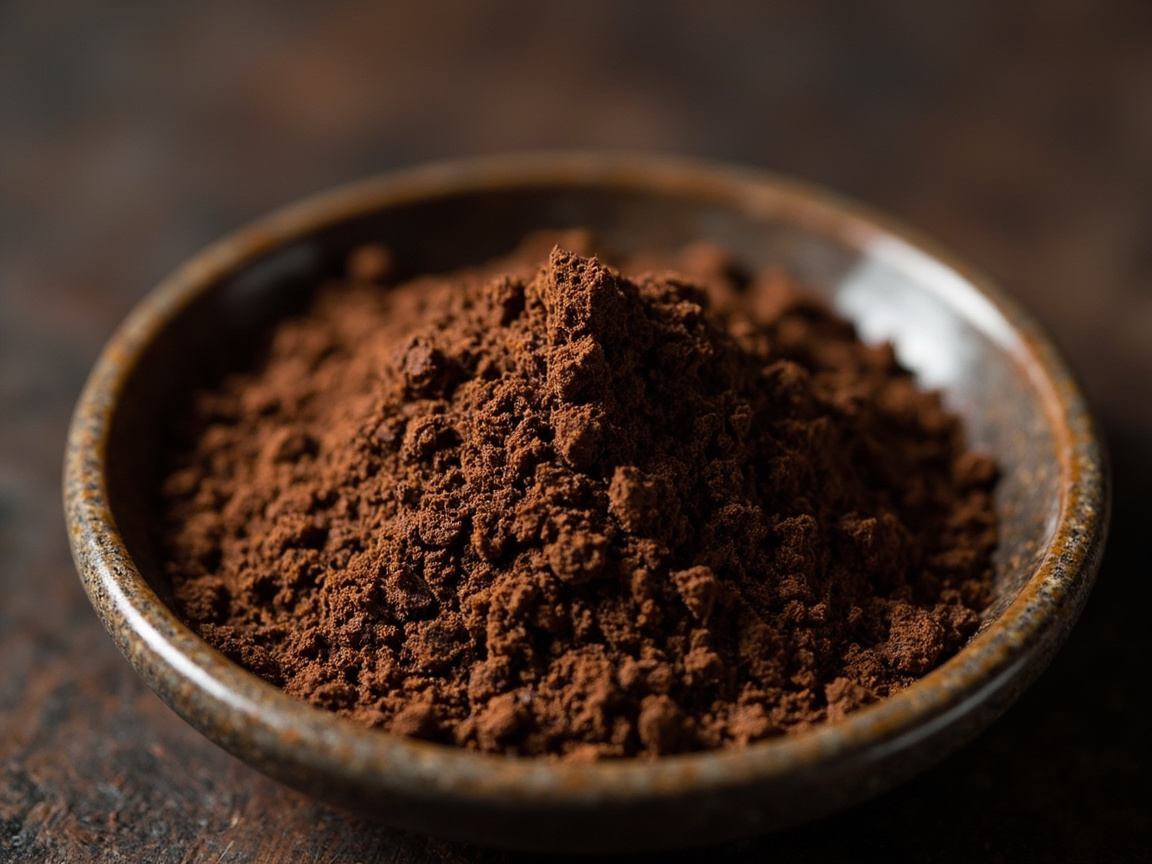
The Scholar Incense Ritual
A typical scholar incense session looked like this:
- Preparation: Grind a fresh batch of powder, sort chips by size, adjust the humidity of the space.
- The burning: Incense in a small censer on the desk. Within arm’s reach.
- Duration: One to three hours. The fragrance was meant to evolve over time.
- Post-session: The residual fragrance after burning was considered as important as the burning fragrance itself.
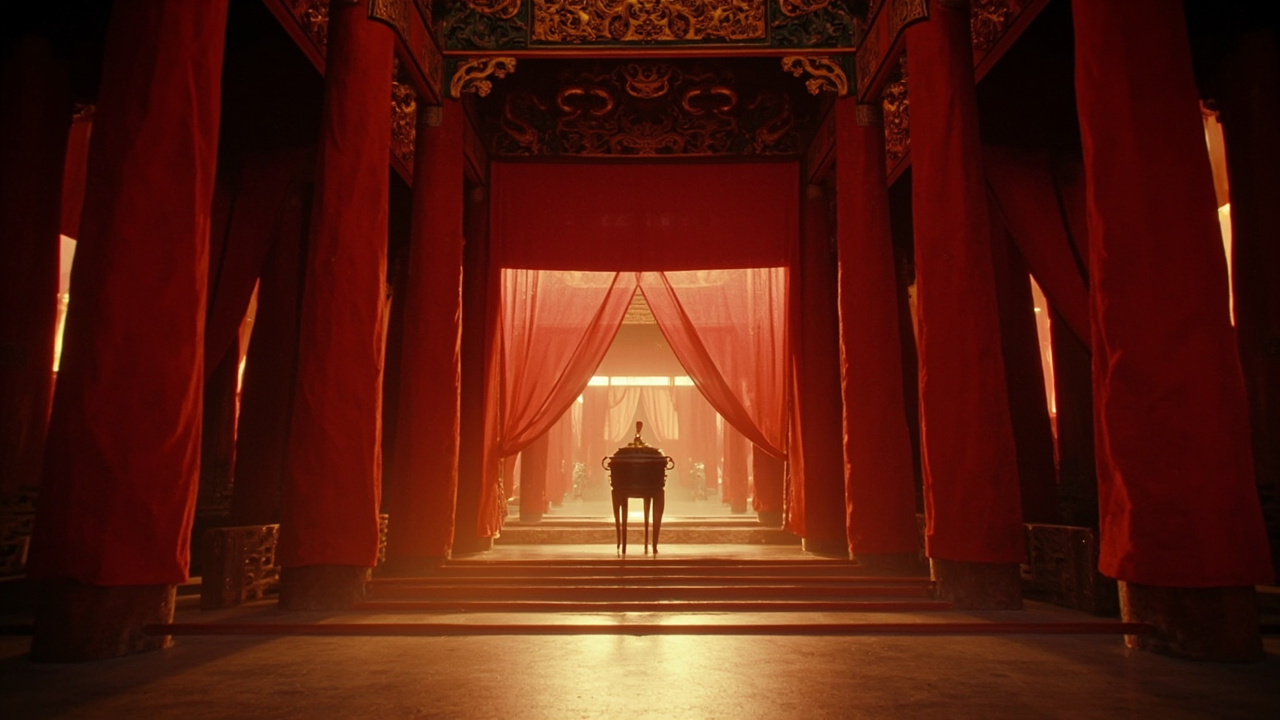
Scholar Incense vs Other Traditions
- vs Japanese Kodo: Kodo is a dedicated practice. 文人香 was always part of something else — painting, writing, thinking.
- vs Indian masala: Indian incense aims for immediate emotional impact. Scholar incense was for gradual, intellectual appreciation in private.
- vs palace incense: Palace incense was about display. Scholar incense was about personal refinement.
How to Practice 文人香 Today
- Make it personal: Buy what you actually enjoy. Adjust blends to your own taste.
- Make it private: Your desk, your reading chair, your meditation corner — not shared spaces.
- Make it slow: Burn for at least one hour. No multitasking.
- Make it continuous: Find what works and deepen the relationship over years.
Wenren Xiang FAQ
Do I need expensive materials to practice 文人香?
No. The principle is intentional, repeated practice in a private space. Decent sandalwood and a ceramic censer is enough to begin.
Can I practice 文人香 while working?
Partially. If your work is intellectual — writing, reading, drawing — incense can be infrastructure for that work. If your work requires sharp screen focus, incense may be distracting.
What materials did the classical scholars use?
Sandalwood, agarwood, frankincense, benzoin, and various flowers and fruits. But scholars adjusted formulas constantly. Treat any formula as a starting point, not a rule.