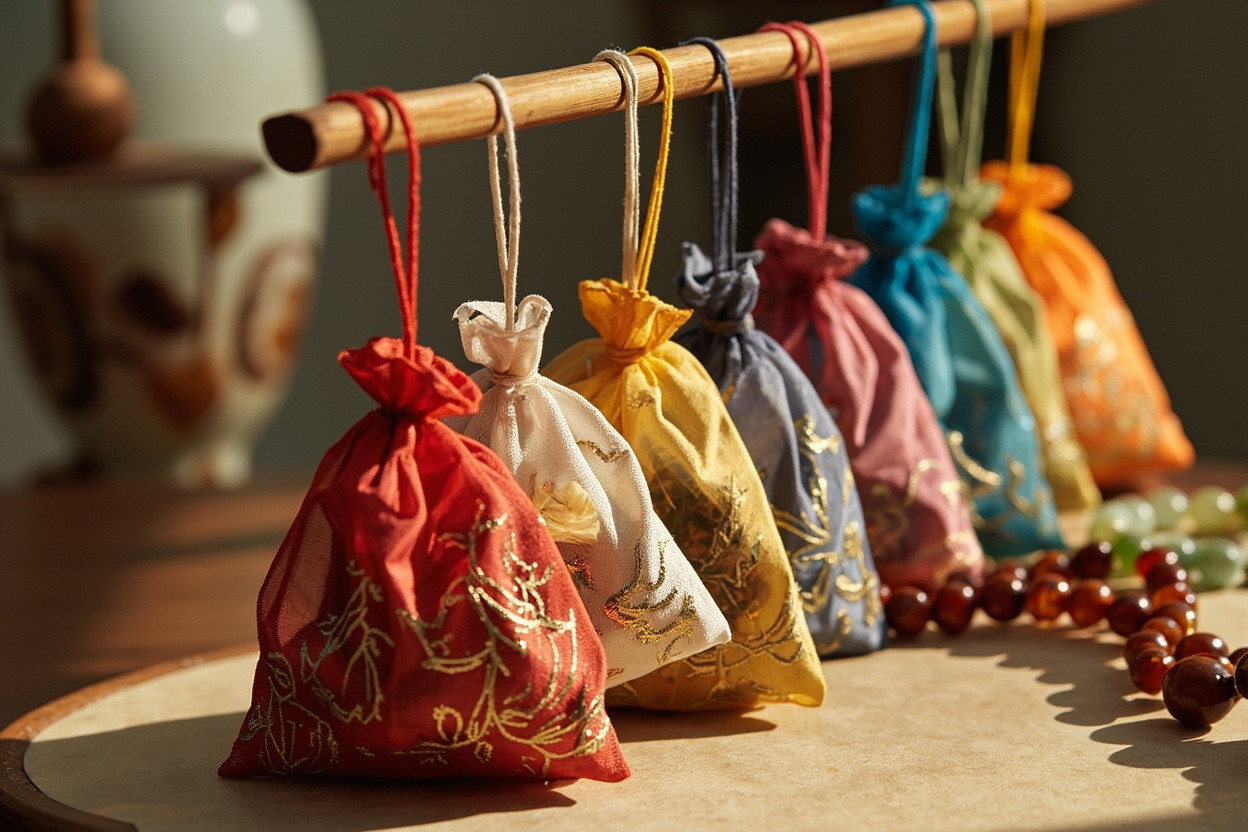
You have seen them in historical paintings — scholars with small embroidered pouches hanging from their belts, court officials wearing jade beads fragrant with sandalwood, ladies with hair ornaments that released subtle aromas as they moved. Wearable incense was not a fashion statement. It was a comprehensive wellness practice that addressed the intimate relationship between aromatic materials and the human body.
In classical Chinese culture, wearing incense was as natural as wearing jewelry. The difference was that these aromatic accessories did something for the body that jade and gold could not — they continuously delivered therapeutic aromatic compounds through proximity to the skin, creating what the classical texts describe as a “fragrant qi field” (香氣場) around the wearer.
The Classical Practice
The Bencao Gangmu and other classical texts document several categories of wearable incense. The most common were sachets (香囊) — small embroidered pouches filled with powdered aromatic materials. These were worn close to the body, typically at the chest or waist, where body heat would gradually release the aromatic compounds.
The classical formula for wearable sachets emphasized persistent, subtle fragrance over immediate intensity. Unlike burning incense, which produced a temporary aromatic environment, wearable sachets provided continuous low-level aromatic exposure throughout the day. This was considered particularly beneficial for emotional balance, mental clarity, and defensive qi.
The selection of materials for wearable sachets followed specific principles. Resinous materials like amber and dragon’s blood (血竭) were favored because they released fragrance slowly and consistently. Powdered blends incorporating sandalwood, aloeswood, and various flowers were packed into silk or cotton sachets designed to be worn against the skin.
Hair Ornaments and Jewelry

Beyond sachets, traditional Chinese culture developed several other forms of wearable incense. Hair ornaments — pins and clips crafted from aromatic materials like amber and jade — served a dual function: decoration and continuous aromatherapy. The heat from the scalp was sufficient to slowly release the aromatic properties of these materials throughout the day.
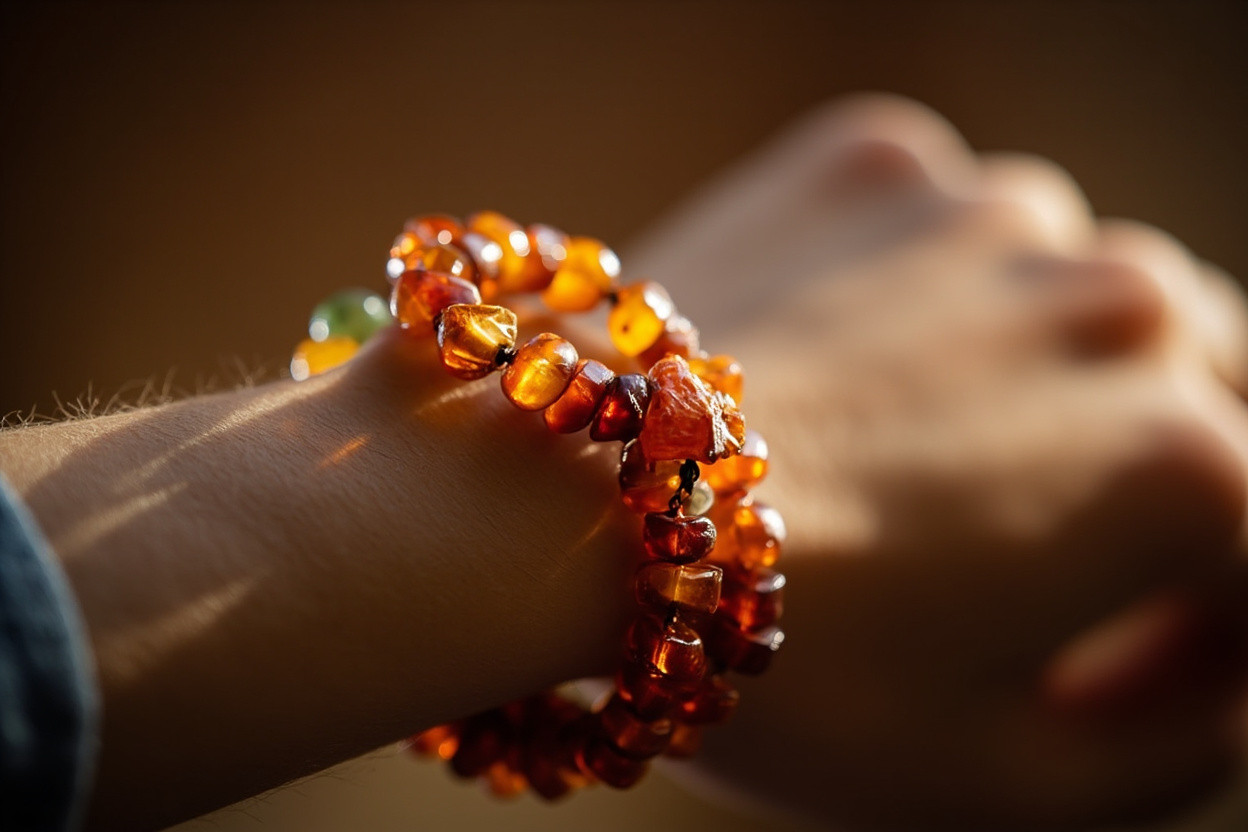
Amber beads, carved from fossilized tree resin, were particularly prized for wearable use. They were polished to a high shine, strung on silk cords, and worn as bracelets, necklaces, or belt ornaments. The continuous contact with skin enhanced the therapeutic effect, and the amber was believed to have its own healing properties according to TCM theory.
Jade was often combined with aromatic materials in wearable accessories. The combination was not merely aesthetic — jade was believed to have cooling properties that balanced the warming nature of many aromatic materials, creating a harmonious energetic combination.
Making Your Own Wearable Sachets
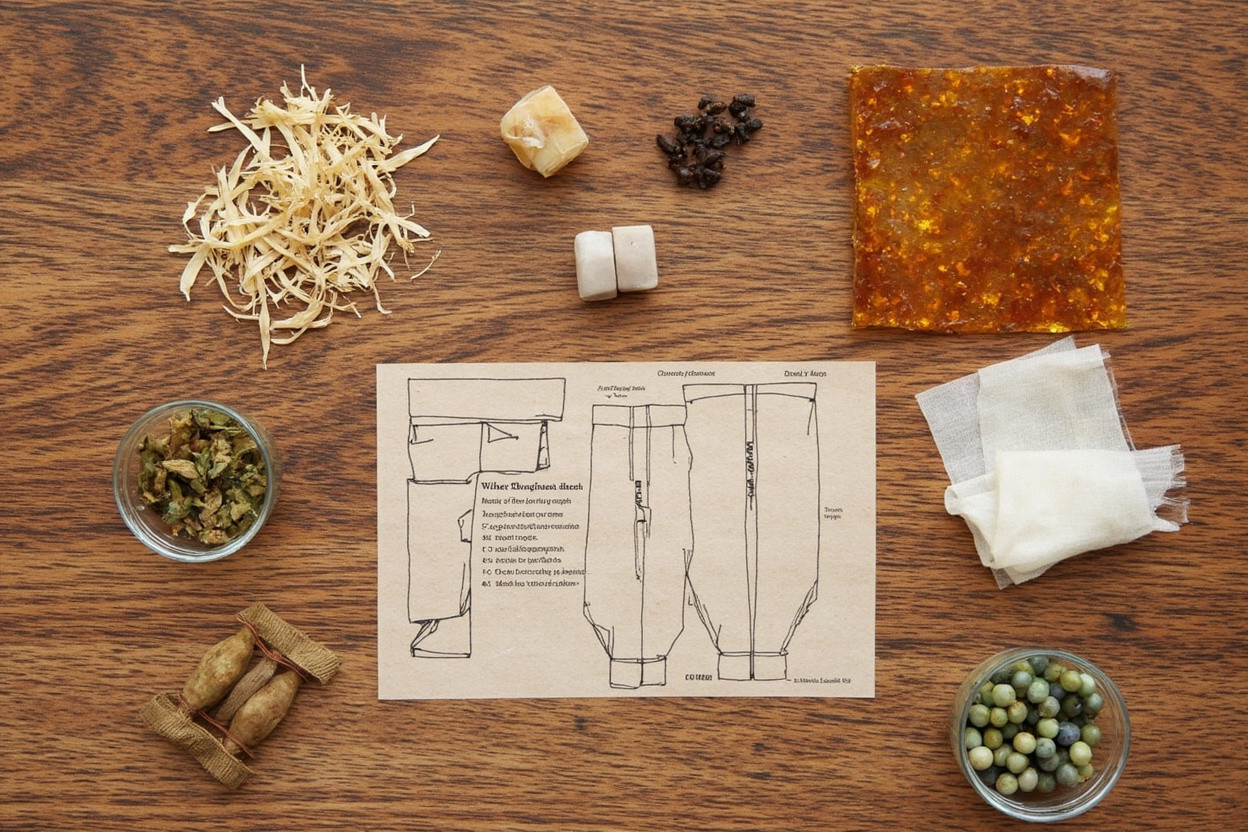
Creating effective wearable sachets requires understanding the properties of different aromatic materials and how they behave when worn close to the body. Unlike burning incense, which produces temporary effects, wearable sachets provide sustained low-level exposure throughout the day.
The basic wearable sachet formula begins with a base of sandalwood powder — approximately 50 percent of the blend. Add dried chrysanthemum petals — 20 percent — for its cooling, liver-clearing properties. A small amount of dragon’s blood resin powder — 15 percent — provides persistent fragrance and the classical amber color. The remaining 15 percent can be a combination of other materials depending on your intention: honeysuckle for heat, magnolia flower for respiratory support, or lotus for mental clarity.
Fill a small silk or cotton pouch — approximately 5 centimeters square — with 10 to 15 grams of the blend. The pouch should be breathable, allowing the fragrance to escape slowly. Place it at the chest, near the heart, or at the waist, near the navel. The ideal placement depends on the intended effect: heart placement for emotional balance, waist placement for digestive support and kidney energy.
Replace the aromatic filling every two to three weeks. The used material can be burned in an incense burner rather than discarded — the aromatic properties may be diminished but are not completely spent.
Modern Applications
Contemporary wearable incense can take many forms beyond the traditional sachet. Incense bracelets — strings of aromatic beads worn loosely on the wrist — provide subtle continuous aromatherapy throughout the day. These can be made from amber beads, sandalwood beads, or combinations of aromatic materials with other elements.
The key principle remains unchanged: proximity to the body allows continuous low-level aromatic exposure that accumulates throughout the day. This is fundamentally different from burning incense, which produces a temporary but more intense effect. Wearable incense is about sustained support rather than acute intervention.
For those who find the traditional aesthetic challenging to incorporate into modern dress, a simple approach works: a small sandalwood bead bracelet worn on the dominant hand provides continuous aromatic support throughout the day with no visible ostentation. The fragrance is subtle — only the wearer notices it — but the effect accumulates over time.
Frequently Asked Questions
How long do wearable sachets last?
Properly made wearable sachets remain effective for two to four weeks of daily use. After that, the aromatic compounds have dissipated sufficiently that replacement is advisable. The used material can be burned rather than discarded.
Can I wear multiple sachets?
Yes. Some classical practitioners wore multiple sachets with different formulas — one for emotional balance, one for defensive qi support, one for mental clarity. The effects accumulate and work synergistically. However, for most people, one well-formulated sachet provides sufficient benefit.
Are wearable sachets safe for children?
Yes, with appropriate formulation. Avoid stimulating materials like camphor for young children. A simple sandalwood and chrysanthemum blend is appropriate for most ages. Keep sachets out of reach of infants who might put them in their mouths.
Related Articles
Begin Your Wearable Incense Practice Today
Start with a single amber or sandalwood bead bracelet. Wear it for a week and notice how your body responds to the continuous subtle aromatherapy. After observing the effect, consider whether a traditional formulated sachet might provide additional benefit. The practice adapts to your life — it does not require you to change your life to accommodate it.