

Where Vietnamese Agarwood Fits in the World of Chenxiang
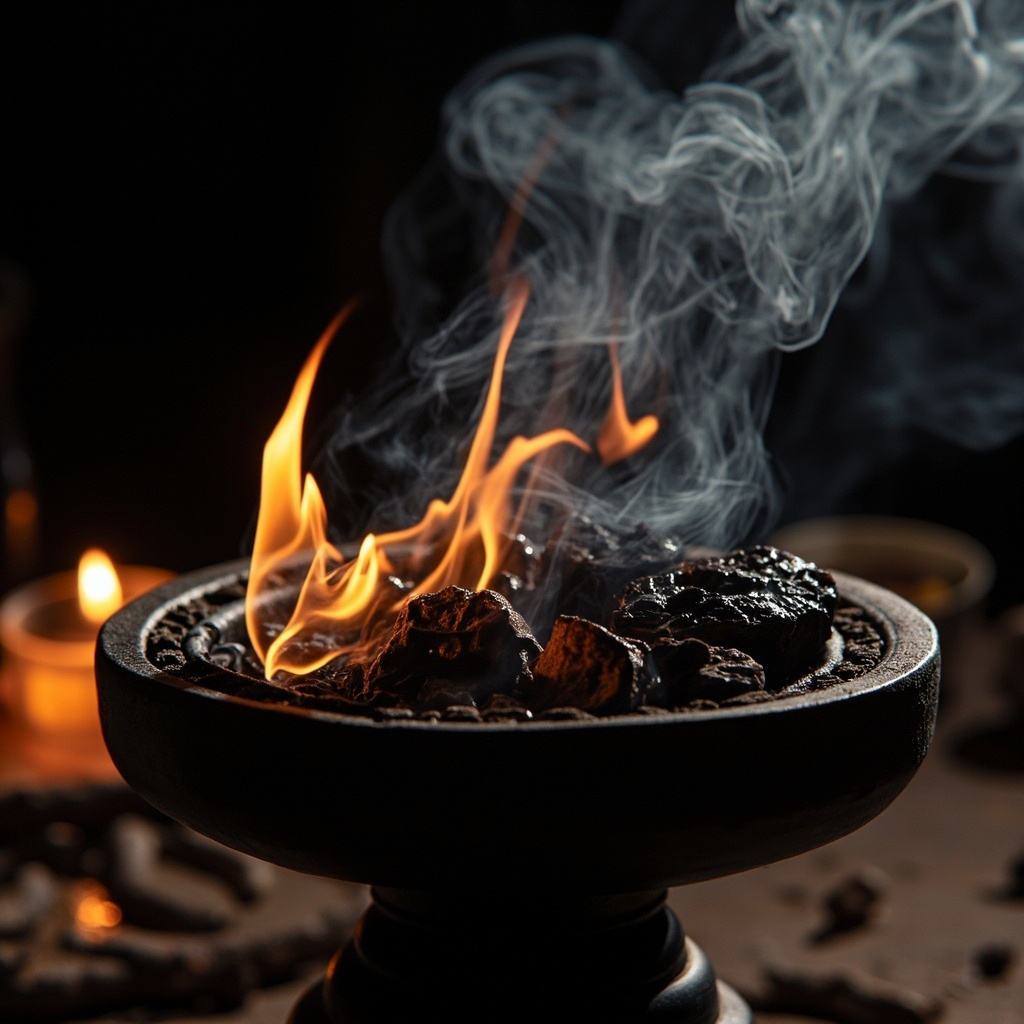
Move beyond Chinese and Indonesian origins and you encounter Vietnamese agarwood — a category that occupies its own distinct territory. Vietnamese material has developed a reputation among serious collectors for something specific: a particular sweetness that leans cooler, brighter, more floral than other origins.
Where Hainan agarwood offers tropical sweetness and Indonesian varieties often carry earthy depth, Vietnamese agarwood surprises with fragrance that can remind you of orchids, honey, even something almost marshmallow-like in top grades. This is not weakness. It is a different expression of what makes agarwood valuable.
If you have explored other origins and found them overwhelming or too intense, Vietnamese material might be where your palate finally connects. The fragrance demands less accommodation. It simply arrives.
Understanding Vietnamese Agarwood Regions

Vietnam produces agarwood across multiple regions, each with distinct characteristics. The three most celebrated are Nha Trang (芽庄), Hue (惠安), and Fussen Red Clay (富森红土).
Nha Trang produces the most famous Vietnamese variety. The coastal climate and specific soil conditions create agarwood with exceptional sweetness. Notes often include something floral, almost orchid-like, with a clarity that makes the fragrance readable rather than mysterious. Nha Trang is what most people mean when they discuss premium Vietnamese origin.
Hue agarwood tends toward warmer, richer territory. Less floral than Nha Trang, more rounded and substantial. Some describe Hue material as more traditionally “woody” — deeper, with resinous thickness that Nha Trang sometimes lacks. Hue works better for those who find Nha Trang too delicate.
Fussen Red Clay (富森红土) represents a category unto itself. The red clay soil influences the final product significantly. Fragrance often carries earthy base notes that ground the sweetness. Some describe Fussen as bridging Vietnamese and Indonesian characteristics — the sweetness of Vietnam with something more substantial underneath.
How Vietnamese Agarwood Differs from Other Origins
Understanding Vietnamese material requires comparison.
Versus Hainan — Hainan agarwood typically reads as more refined, sometimes almost austere. Vietnamese material offers more obvious sweetness, more immediate gratification. Where Hainan requires patience to fully appreciate, Vietnamese delivers satisfaction sooner. Neither is superior — they suit different preferences and occasions.
Versus Indonesian — Indonesian varieties often lean toward the earthy, the resinous, even the fermented. Vietnamese agarwood provides contrast — cleaner, brighter, more floral. If Indonesian agarwood smells ancient and primal, Vietnamese smells civilized and elegant.
Versus Cambodian — Cambodian material often sits between Vietnamese and Indonesian in character. Vietnamese tends sweeter; Cambodian tends earthier. Both offer excellent quality at generally more accessible prices than premium Hainan.
The Vietnamese Agarwood Grading System
Like all origins, Vietnamese agarwood follows grading systems that vendors adapt to their own marketing purposes. Understanding what grades actually mean helps avoid overpaying.
By density — The fundamental distinction is sink versus float. Material dense enough to sink in water indicates superior resin saturation. Floating material may still be genuine Vietnamese agarwood but represents lower grades.
By region — Nha Trang commands premium pricing. Hue and Fussen follow. But regional reputation does not guarantee quality — specific pieces within any origin vary significantly.
By processing — Oil content, water content, whether the material has been artificially treated or accelerated — all affect pricing. Natural infection processes over decades produce superior results to plantation methods, regardless of origin.
The honest truth — Vendor grading systems exist primarily for marketing. Focus on fragrance quality rather than grade claims. If the material smells exceptional, origin and grade labels matter less.
Burning Vietnamese Agarwood

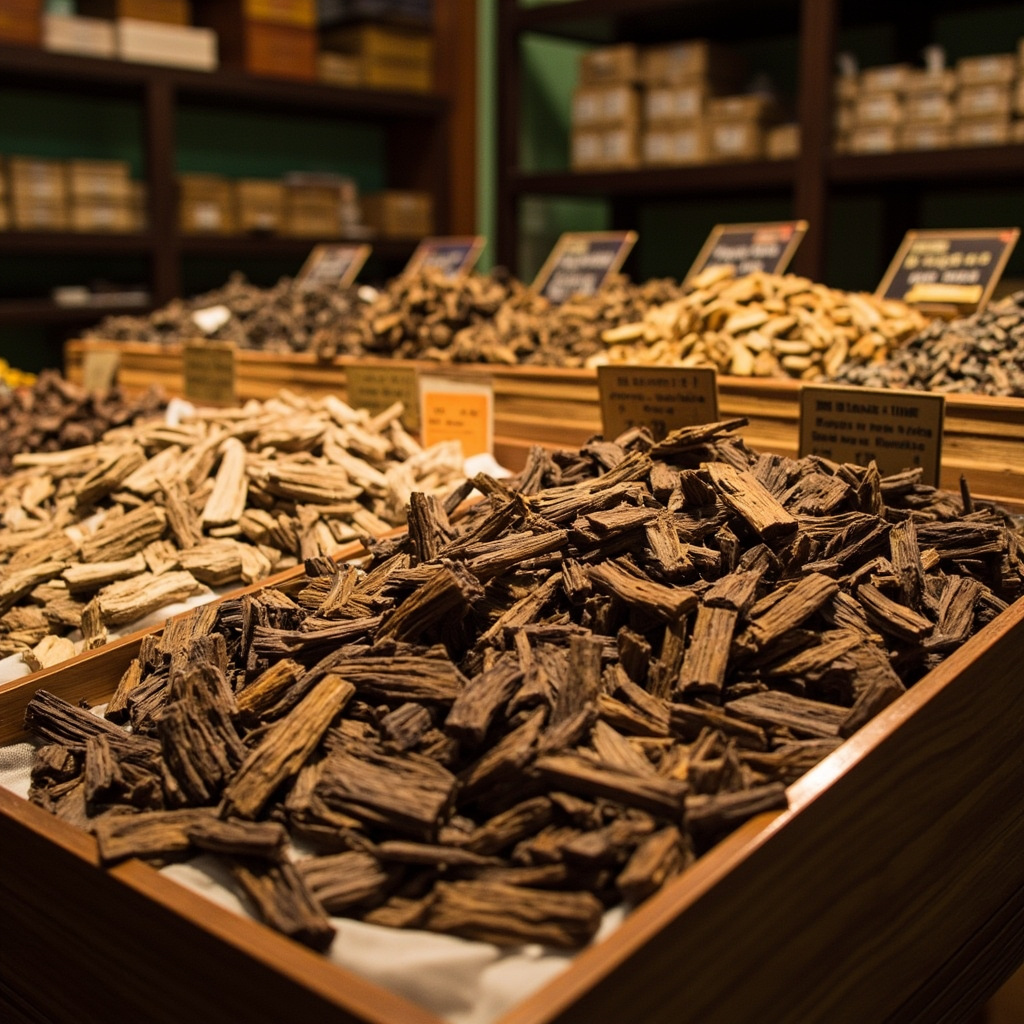
Vietnamese agarwood responds well to both charcoal and electric heating methods.
Charcoal burning brings out Vietnamese material’s complexity most fully. The indirect heat of charcoal allows the fragrance to develop gradually rather than arriving all at once. Start with small pieces — Vietnamese resin concentration means less produces more effect than with lower-grade materials.
Electric burners offer convenience and control. Temperature adjustment matters more with Vietnamese than with some other origins. Lower temperatures (150-180C) often reveal the floral qualities that make Vietnamese agarwood distinctive. Higher temperatures bring forward the resinous depth.
Quantity discipline — Vietnamese agarwood’s sweetness means a little goes far. Excess produces sweetness overload that masks the complexity. When in doubt, use less. You can always add more; you cannot remove what you have burned.
Historical Context of Vietnamese Agarwood
Vietnam has produced agarwood for export to China for over a thousand years. The maritime trade routes connecting Vietnam to Chinese courts made Vietnamese material accessible in ways that more remote origins were not. Historical records describe Vietnamese tribute missions bringing agarwood as gifts for Chinese emperors.
What distinguished Vietnamese material in imperial estimation was consistency of supply combined with reliable quality. While rarer origins might appear sporadically, Vietnamese agarwood flowed steadily through trade channels. This made it a foundation material for Chinese incense culture — present when other, more exotic varieties came and went.
The geographic proximity to China and the established trade relationships meant Vietnamese agarwood shaped Chinese understanding of what agarwood could be. Later discoveries of Hainan and other premium origins modified but never replaced this foundation.
The Bottom Line
Vietnamese agarwood occupies deserved territory in the upper echelons of quality incense materials. Its particular character — sweet, clean, relatively approachable — makes it valuable for both pure appreciation and blending purposes.
For beginners exploring high-grade agarwood, Vietnamese material offers a gentler introduction than some other origins. You do not need to accommodate intense, challenging fragrances. The sweetness simply works with your palate rather than demanding adaptation.
For experienced practitioners, Vietnamese agarwood provides contrast to heavier origins. A blend combining Vietnamese sweetness with Indonesian earthiness creates something neither origin achieves alone. Vietnamese material functions as a modifying agent — brightening, lifting, sweetening — while contributing its own complex background.
Whether Vietnamese represents your ideal depends on preference. Some find Vietnamese too sweet, preferring the austere depths of premium Hainan. Others find Hainan too demanding, preferring Vietnamese immediate gratification. Explore both. Your palate will tell you where you belong.
Frequently Asked Questions
What is the most prized Vietnamese agarwood variety?
Nha Trang remains the most celebrated origin within Vietnam, particularly for grades where the sweet, floral qualities show most clearly. But Hue and Fussen have their champions. “Most prized” ultimately depends on what fragrance character appeals to you.
How is Vietnamese agarwood different from Cambodian?
Vietnamese tends sweeter and cleaner; Cambodian tends earthier and more resinous. Both represent quality origins at generally similar price points. Cambodian often provides better value for those who prefer deeper, more substantial fragrances.
Is Vietnamese agarwood suitable for beginners?
Yes, arguably more so than some other origins. The sweetness makes Vietnamese agarwood approachable without requiring palate development. You can appreciate quality Vietnamese material without the accommodation period that premium Hainan sometimes demands.
Can Vietnamese agarwood be blended with other origins?
Absolutely. Vietnamese material serves excellently as a blender — adding sweetness and lift to heavier materials. A small amount of Vietnamese in an Indonesian blend can transform an earthy fragrance into something more complex and appealing.