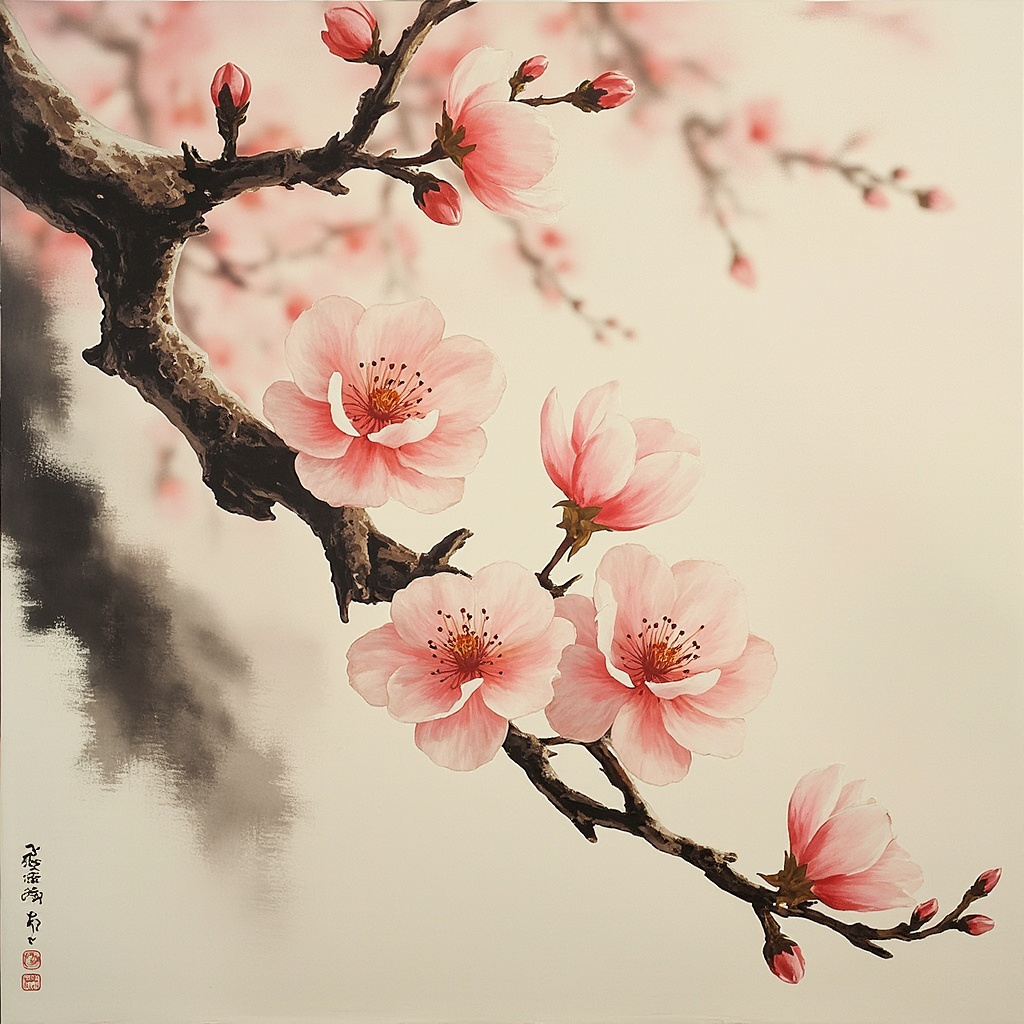
In Chinese culture, no flower carries more symbolic weight than the plum blossom. Known as meihua, it blooms in winter when nothing else dares to flower, earning it a place… Read more »
In xiangdao, the Chinese art of incense, the word jing (静) appears constantly. But it is never alone. Practitioners speak of three jing – still mind, refined senses, and vital… Read more »
Two cultures. One fragrance tradition. But where Chinese incense evolved into a philosophy of blended formulas and personal cultivation, Japanese incense became an art of appreciating single aromatics. Here is… Read more »
Chinese incense culture spans over five millennia — from ancient shamanic rituals to the refined art of the Song Dynasty literati. This is the complete story. Origins: Prehistoric to Shang… Read more »
You have been sitting for twenty minutes. The thoughts have not stopped – they are still there, loud and insistent, demanding attention. But there is something else in the room… Read more »
The censer sits at the center of your practice. You look at it before you begin. You return to it when you finish. Between sessions, it is the object that… Read more »
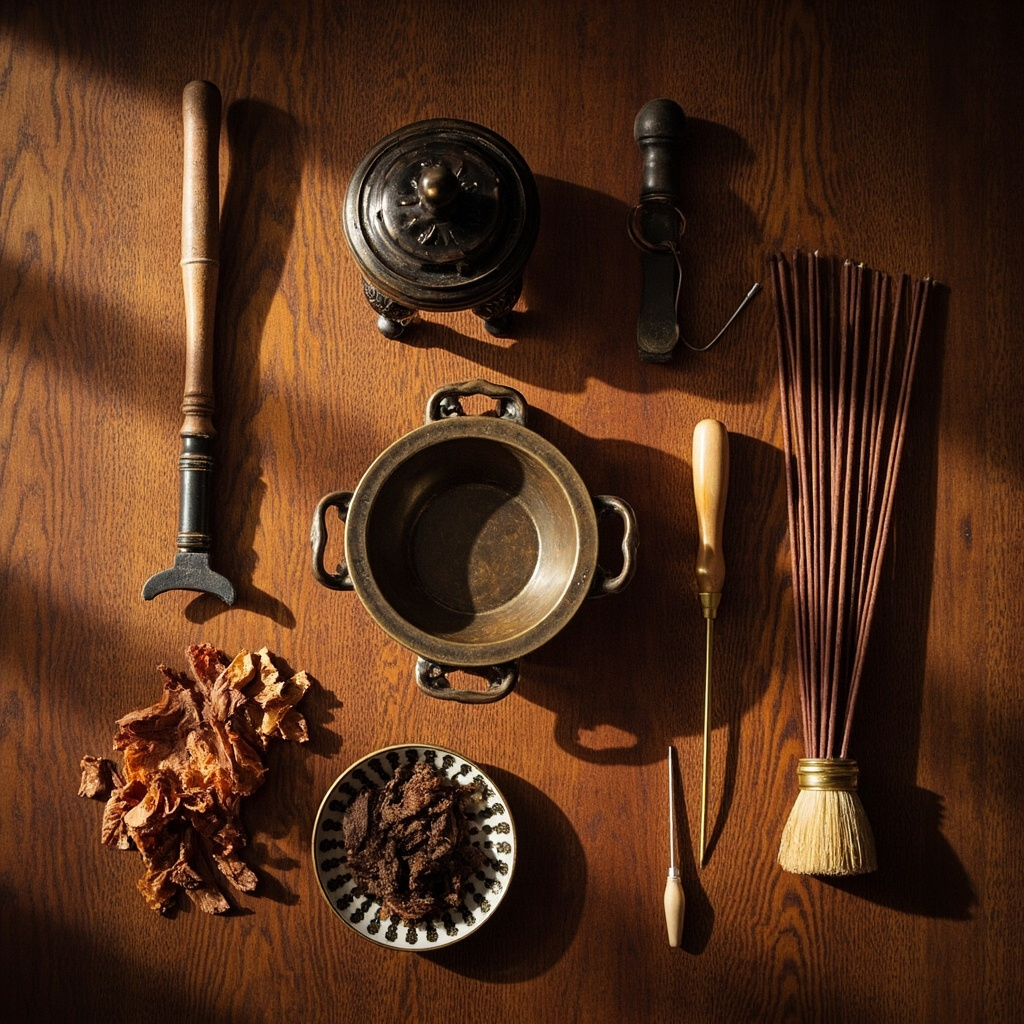
You have been burning incense for a while now. You have a favorite material, a method that works, a space that feels right. But every time you need to prepare… Read more »
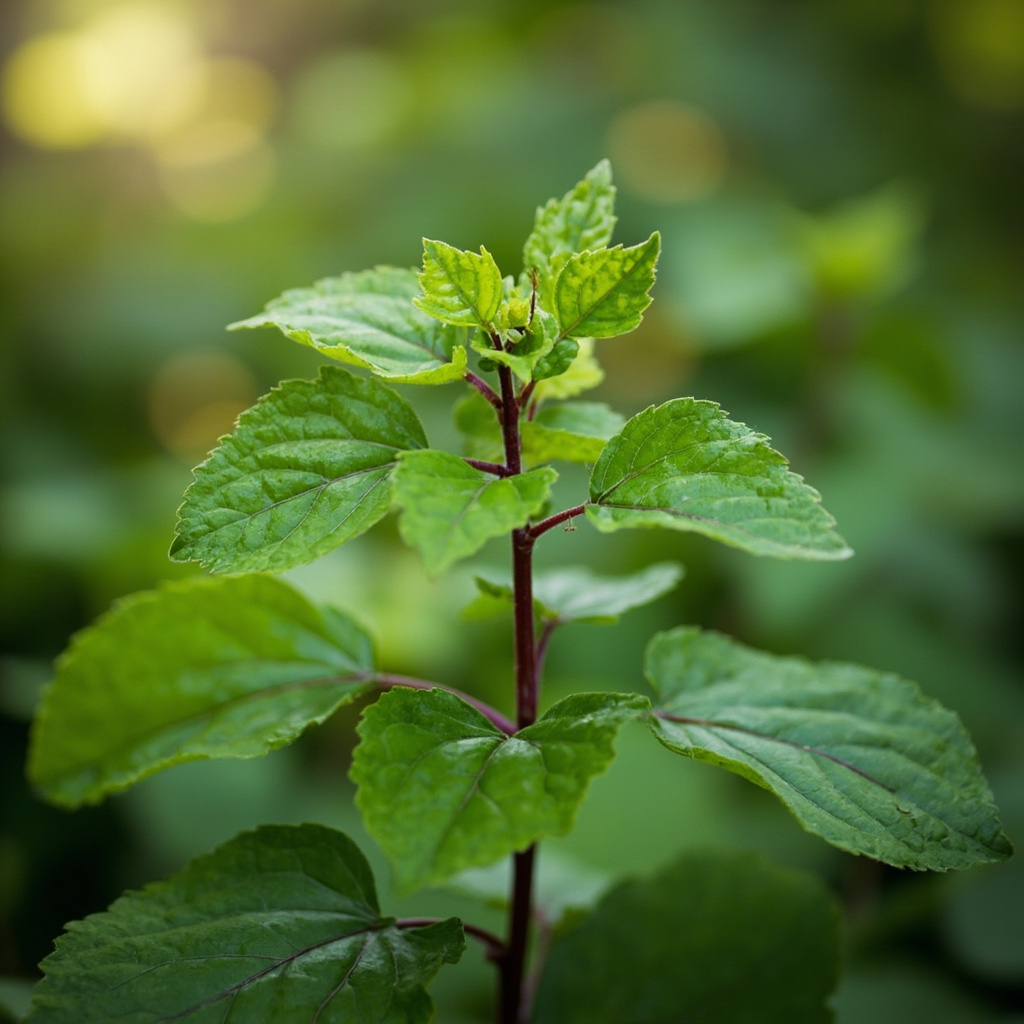
Open a bottle of almost any Western perfume and there is a good chance you will encounter patchouli. It is one of the most recognizable ingredients in modern perfumery –… Read more »
There is a smell that most Chinese people recognize immediately, even if they cannot name it. It comes from a plant that grows wild across the mountains of Sichuan, Yunnan,… Read more »
In the high Himalayas, above 3,000 meters, where the air is thin and the winters are long, there grows a small plant with gnarled, dark roots that smell like nothing… Read more »