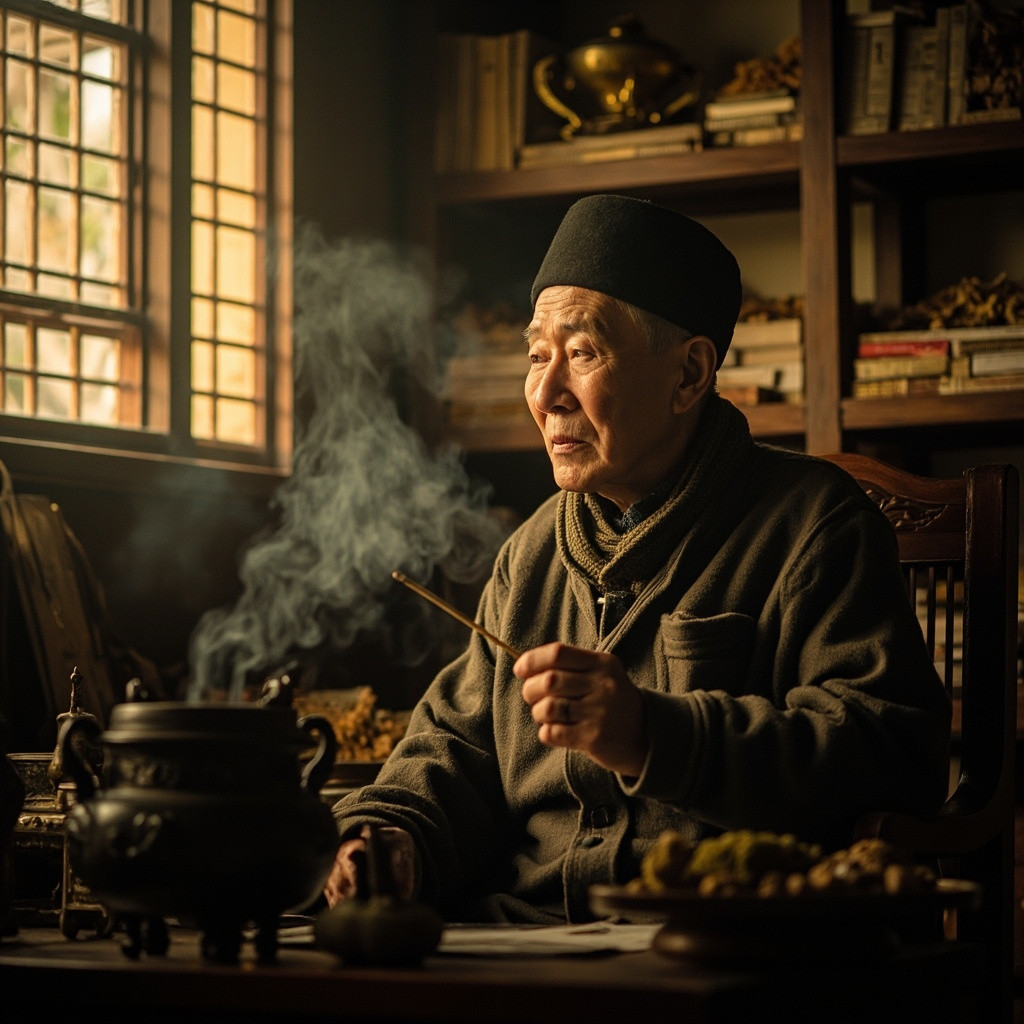
The History: Why Ancient Chinese Valued Incense for Elder Wellness
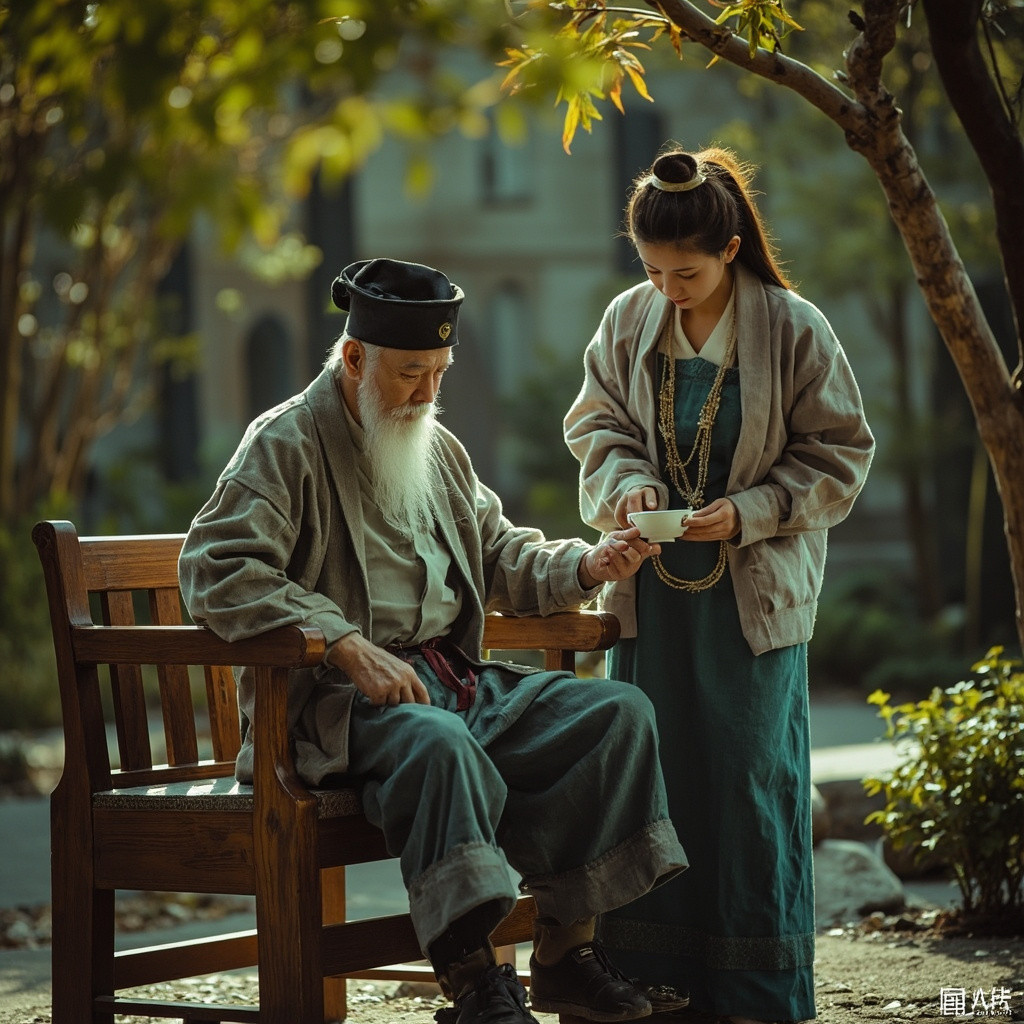
The human body changes as it ages. In youth, qi flows freely and dampness moves through without trouble. But after fifty, things slow down. The joints feel stiff in the morning. Sleep comes harder. The breath feels shorter on the stairs.
Ancient Chinese physicians noticed this long before modern medicine did. And they developed something remarkable: gentle herbal incense formulas designed specifically for elder bodies.
Sun Simiao, the great Tang dynasty physician, wrote in his Beiji Qianjin Yaofang: 「夫,老人之性,必以保养为主。常用香药,可养精气。」Translation: “The elderly must make preservation their priority. Regular use of aromatic herbs can nurture the essence and qi.” Sun Simiao lived to 101 years old. He practiced what he preached.
The Liji (Book of Rites), compiled between the Warring States and early Han, records that imperial courts burned specific calming incense during evening hours for elder officials. This was not luxury. It was policy.
What these ancient physicians understood: elderly bodies respond better to gentle, inhaled remedies than to strong oral medications. Incense delivers active aromatic compounds directly through the respiratory system, bypassing digestive weakness common in older adults.
Classical Texts: What the Old Formulas Actually Say
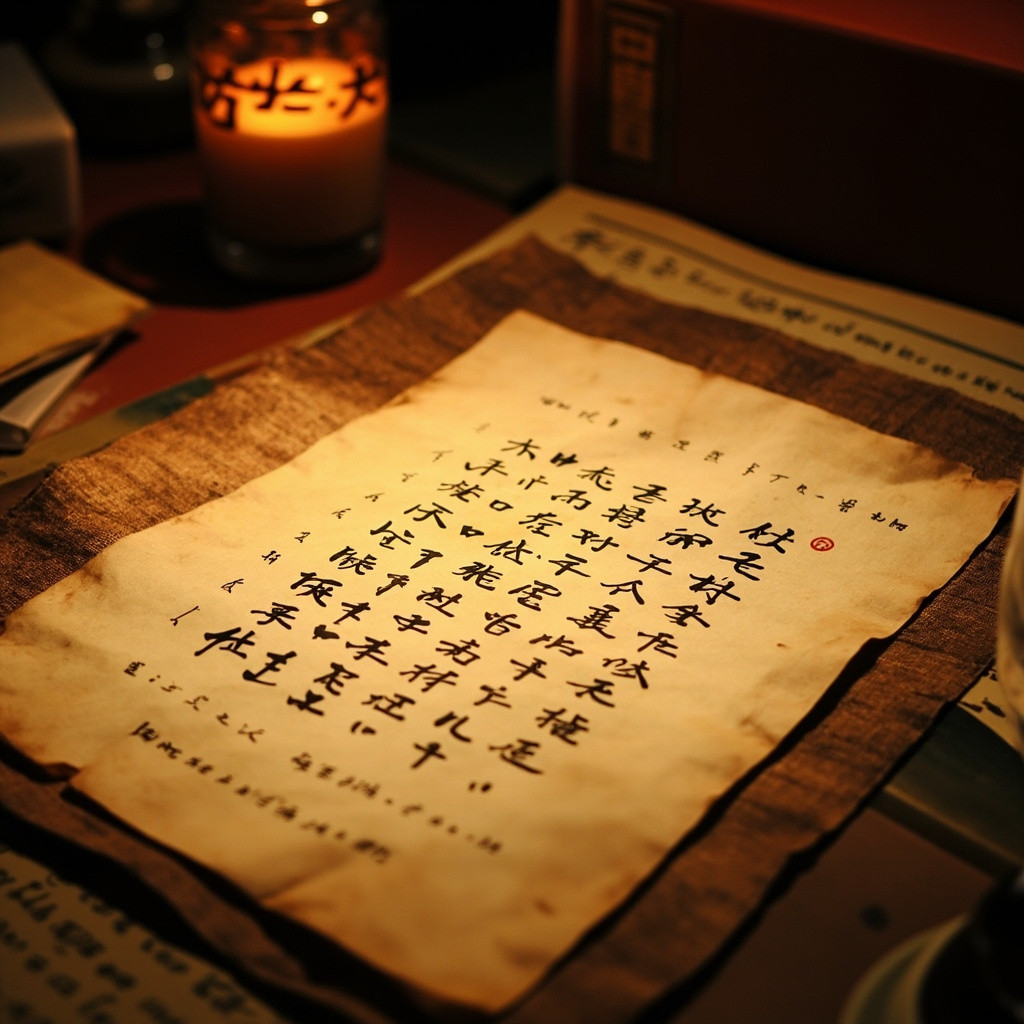
The Shanghan Lun (Treatise on Cold Damage), Zhang Zhongjing’s clinical masterpiece from the Eastern Han dynasty, contains early references to aromatic熏法 (fumigation) for elder patients with chronic joint stiffness.
The Bencao Gangmu (Compendium of Materia Medica) by Li Shizhen documents he huan flower with particular attention to its elder-specific applications: 「合欢花,解郁安神,久服令人欢乐忘忧,老年尤宜。」Translation: “He huan flower releases depression and calms the spirit. Prolonged use brings joy and forgets worry, especially suitable for the elderly.”
The Yuan dynasty medical text Ru Men Shi Qin offers a specific prescription for elder sleep disturbance: 「老人不寐,用酸枣仁、远志、合欢皮,夜半焚香,有效。」Translation: “For elderly insomnia, use suan zao ren, yuan zhi, and he huan pi. Burn incense at midnight. It works.”
These are not vague recommendations. They are clinical observations recorded across centuries, refined by multiple generations of physicians treating real elder patients.
The Formula: Seven Herbs for Senior Vitality
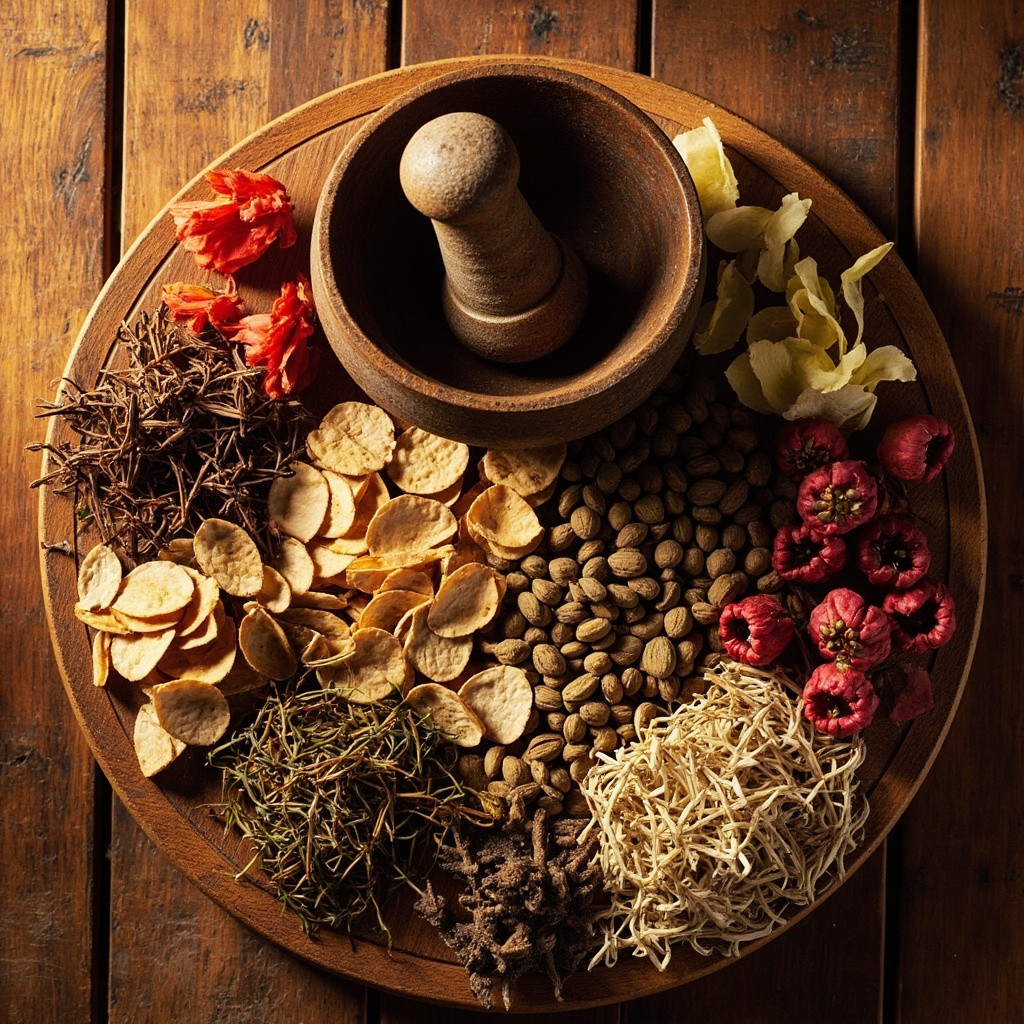
A balanced senior incense formula addresses three核心 domains of elder health: emotional calm, physical vitality, and restorative sleep. The classical approach uses seven carefully selected herbs.
合欢花 He Huan Flower (20%) — 解郁安神. This is the emotional anchor. It lifts mood, eases anxiety, and addresses the loneliness and frustration that often accompany aging. The sweet, delicate floral scent also makes the blend pleasant to burn.
当归 Angelica Root / Dang Gui (20%) — 补血活血. Dang gui is the blood nourisher. In elderly TCM theory, blood deficiency underlies many common complaints: dizziness, insomnia, joint pain, and fatigue. Dang gui addresses these at the root.
黄芪 Astragalus / Huang Qi (15%) — 补气固表. Huang qi is the great qi tonic. It strengthens the wei qi (defensive energy) that protects elderly bodies from external pathogens. A weak defensive qi means catching every cold that passes through. Huang qi rebuilds that barrier.
酸枣仁 Sour Jujube Seed / Suan Zao Ren (15%) — 养心安神. This is the sleep specialist. Suan zao ren specifically nourishes heart yin and calms the shens (spirit). Unlike pharmaceutical sedatives, it supports natural sleep architecture without next-day grogginess.
丹参 Salvia / Dan Zhong (10%) — 活血化瘀. Dan zhong moves blood in the chest area. For elders with circulatory concerns, this herb supports cardiovascular health while its pleasant floral scent complements the blend.
远志 Polygala / Yuan Zhi (10%) — 益智开窍. Yuan zhi opens the orifices and sharpens the mind. It addresses the foggy thinking and memory concerns that trouble many elders. The classical texts specifically link it to longevity of mental faculties.
合欢皮 He Huan Pi (10%) — 活血消肿. The bark version of he huan complements the flowers. It adds stronger blood-moving properties and addresses the joint swelling and pain common in elderly bodies.
Proportion guide: Mix by weight for accuracy. 20g he huan flower, 20g dang gui, 15g huang qi, 15g suan zao ren, 10g dan zhong, 10g yuan zhi, 10g he huan pi. Grind together when ready to burn.
Modern Preparation: How to Make and Use This at Home
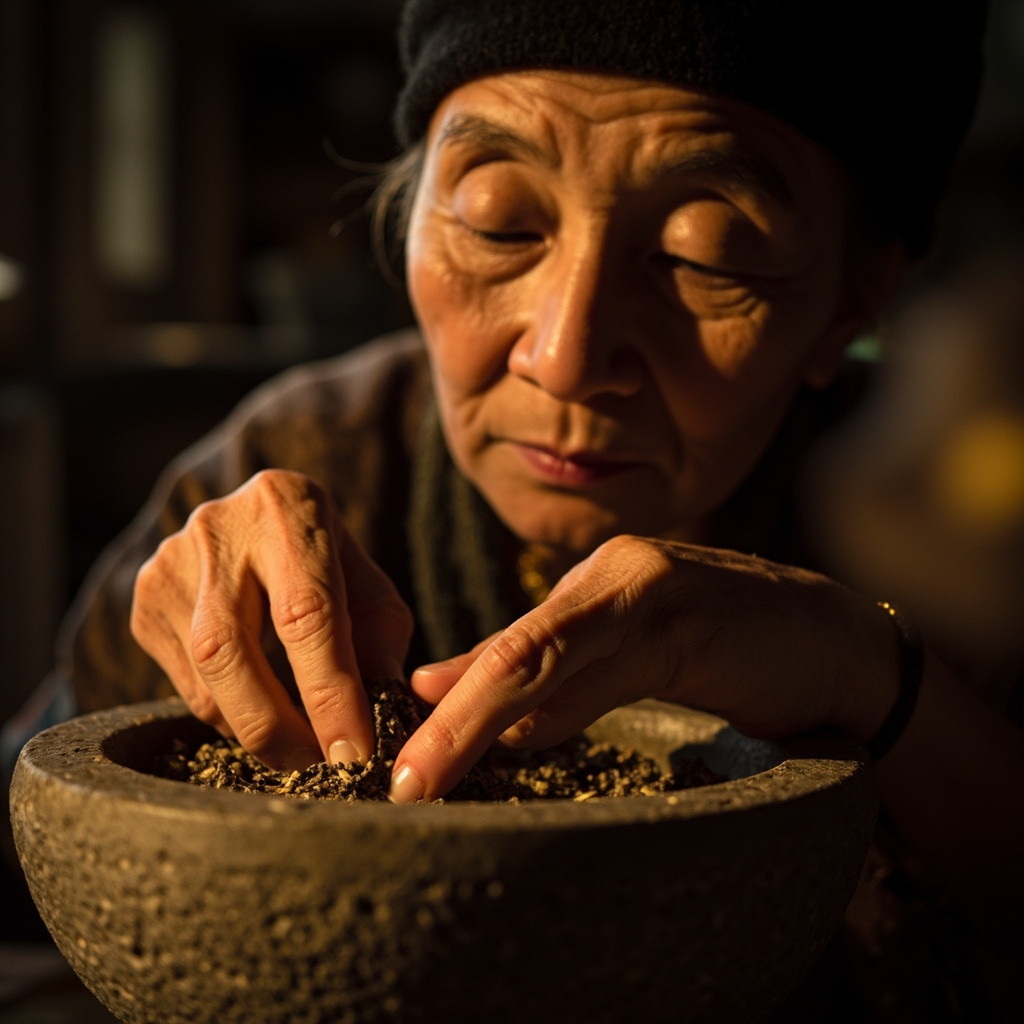
You do not need a classical pharmacy. These herbs are available at most Chinese medicine shops and increasingly from online TCM suppliers.
Step 1: Source quality herbs. Look for whole dried herbs rather than powders where possible. Powders are convenient but lose potency faster. For he huan flower, look for bright yellow-gold petals without browning. For dang gui, smell it first: it should have a distinct sweet-earthy aroma.
Step 2: Grind individually. Use a clean mortar and pestle or electric herb grinder. Grind each herb separately first. Do not grind everything together: some herbs are harder than others and need more time. You want a fine, even powder.
Step 3: Mix thoroughly. Combine the weighed herbs in a clean bowl. Mix well with a clean spoon or by shaking in a sealed container. Ensure even distribution.
Step 4: Form and burn. For stick incense: mix the powder with water and a small amount of binding agent (commonly honey or rice flour paste) to form a soft dough. Roll into thin sticks and dry in shade for 24-48 hours. For loose incense: place in a proper incense burner with an ash bed. Never burn directly on hot coals without a barrier.
Usage guidance: Burn in a well-ventilated room. 30 minutes before bedtime is ideal for sleep formulas. Start with smaller amounts (1-2 grams) to assess sensitivity, especially if the elder person has respiratory conditions. Never leave burning incense unattended.
For elders who prefer convenience, many TCM pharmacies also carry pre-made senior wellness incense sticks. Check the ingredient list: ensure it contains the core herbs listed above, not just generic fragrance.
Frequently Asked Questions
Is incense burning safe for elderly people with respiratory conditions?
Caution is warranted. Elders with asthma, COPD, or severe allergies should consult a physician before using any incense, even therapeutic formulas. When appropriate, use in well-ventilated areas with shorter burn times (15-20 minutes). Choose gentle formulas without heavy resins. Direct inhalation of smoke should always be minimized.
How long does it take to notice benefits from senior wellness incense?
Classical texts report improvements within days for sleep formulas. For energy and circulation benefits, allow 2-4 weeks of consistent daily use. Aromatherapy works through cumulative effect: regular, moderate use is more effective than occasional heavy use.
Can senior incense interact with western medications?
In general, inhaled aromatherapy has far fewer interaction concerns than oral herbal preparations. However, elders on blood-thinning medications should exercise caution with dan zhong-heavy formulas due to its antiplatelet effects. When in doubt, consult both your physician and a qualified TCM practitioner.
What is the best time of day to burn senior wellness incense?
This depends on the formula focus. Calming blends with heavy suan zao ren are best used 30-60 minutes before sleep. Energizing morning blends emphasizing huang qi can be used in early afternoon. Avoid late evening use of stimulating formulas. Consistent daily timing helps establish the body’s natural rhythms.
Can younger family members also use these formulas?
Absolutely. These formulas are specifically calibrated for elderly constitutions but contain no ingredients that are harmful to younger people. The principles of gentle aromatherapy apply across ages. In fact, many younger family members report enjoying the same incense and experiencing similar calming benefits.
Bring This Ancient Wisdom Into Your Home
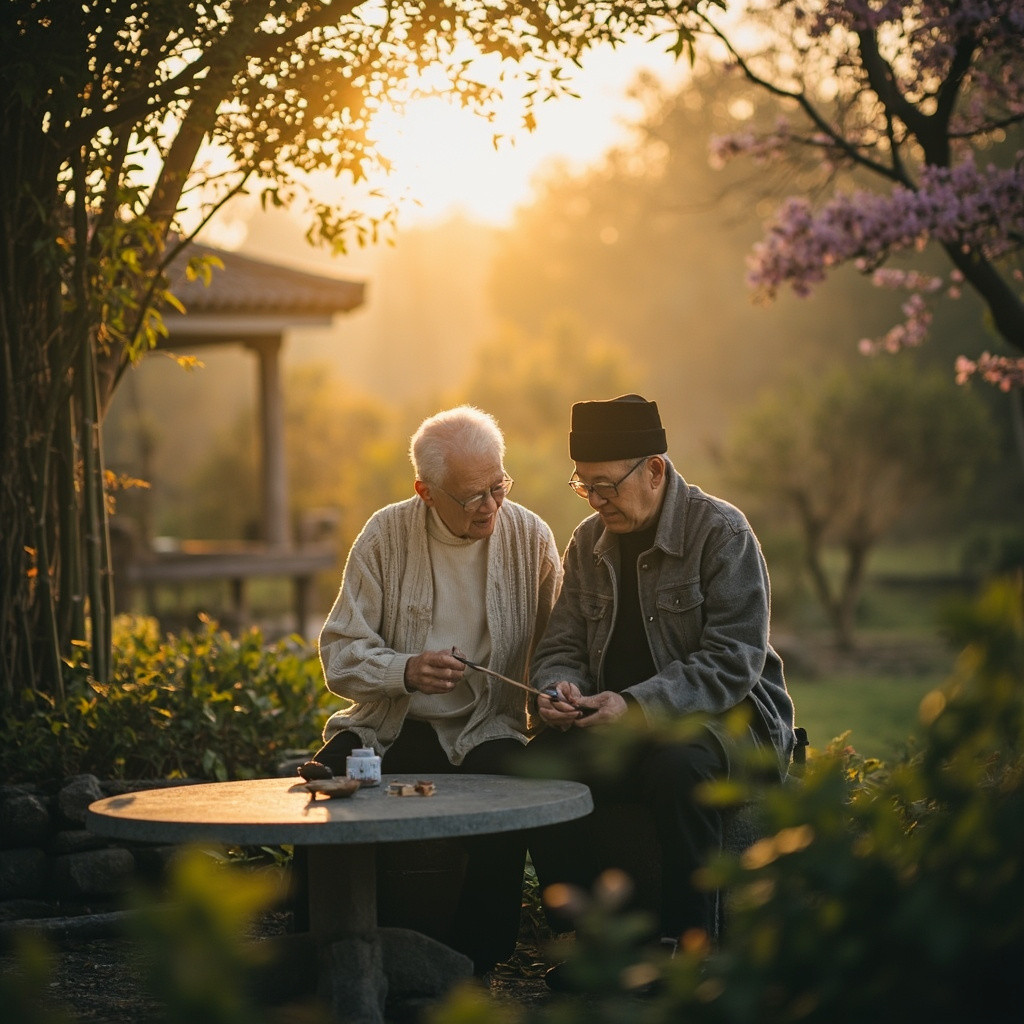
True respect for our elders is not found in grand gestures. It is found in the small daily practices: a cup of warm tea, a few minutes of quiet company, and the gentle smoke of a well-chosen incense filling the room.
If you have elderly family members, consider preparing this formula for them. The act of making it is itself a form of care. And the incense itself becomes a daily ritual of wellness, a quiet daily gift that says: I am thinking of you. I want you to rest well. I want you to feel strong.
Explore our complete collection of traditional Chinese wellness incense and single-herb materials in our shop. Each product is sourced from trusted TCM suppliers with full ingredient transparency.
Explore Our Incense Materials
Browse premium quality single-herb materials perfect for DIY senior wellness formulas: Shop TCM Herbs