The Foundation Stone of Chinese Incense
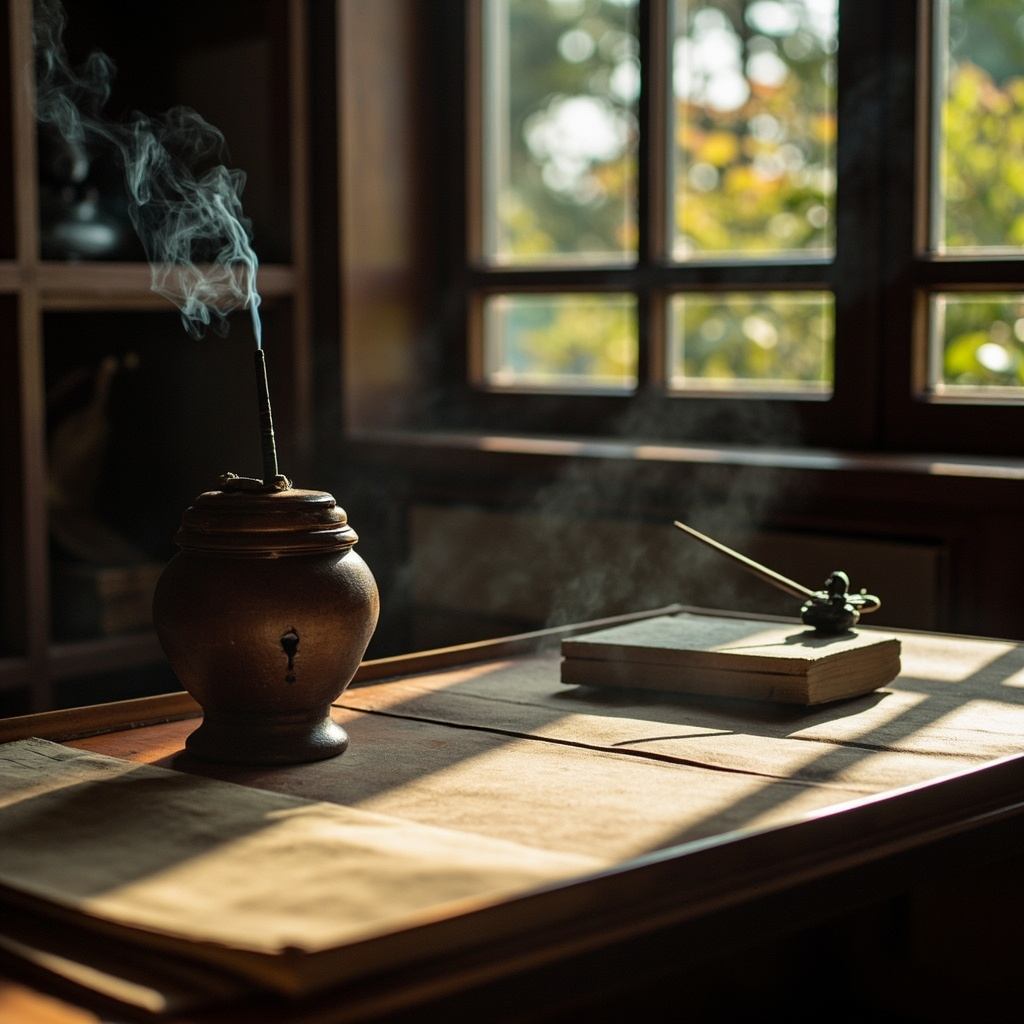
If you have burned incense, you have burned sandalwood. This is not metaphor — sandalwood appears in Chinese incense culture more than any other single material. Not because it is the most precious, but because it is the most useful. The warm, creamy, comforting fragrance provides exactly what most people seek from incense: simple pleasure without complexity demanding attention.
In China, sandalwood is called tanxiang (檀香). Unlike agarwood, which evolved as premium luxury, sandalwood has always served as daily incense for everyone from emperors to common households. The accessibility makes it the foundation upon which Chinese incense culture built.
Understanding sandalwood means understanding what most people actually want from incense. This is not meditation incense for monks or ceremonial material for temples. It is the fragrance that makes an evening feel complete, that makes a room feel inhabited, that marks time as peaceful.
Where Sandalwood Comes From
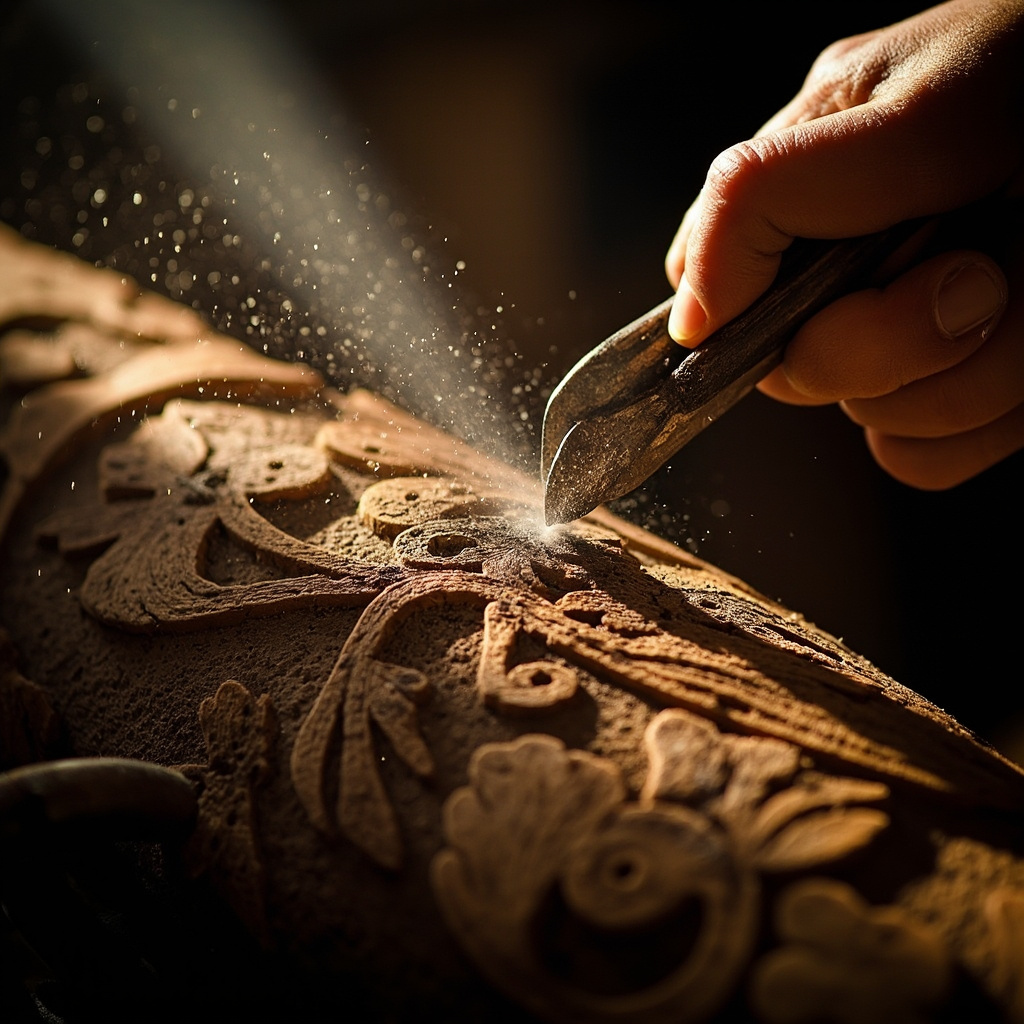
Sandalwood comes from trees in the Santalum genus — parasitic plants that attach to the roots of other trees for nutrients. This growth pattern means sustainable harvesting is complicated. The best material comes from trees aged 30-60 years, with heartwood that has developed sufficient oil content.
Indian Sandalwood (老山檀) — Mysore in southern India produces the most prized variety. The specific soil and climate create sandalwood with exceptional fragrance depth and longevity. Indian sandalwood has been traded for over two thousand years, often serving as currency in ancient trade networks.
Australian Sandalwood (新山檀) — Queensland and Western Australia now produce significant sandalwood volume. The species differs slightly from Indian sandalwood, producing fragrance that is slightly sharper, less creamy. For a long time, Australian sandalwood was considered inferior; recent improvements in aging and processing have changed this perception.
Indonesian Sandalwood — The archipelago produces a distinct variety, often with more resinous character. Less valued than Indian but significantly more accessible.
The Fragrance of Sandalwood
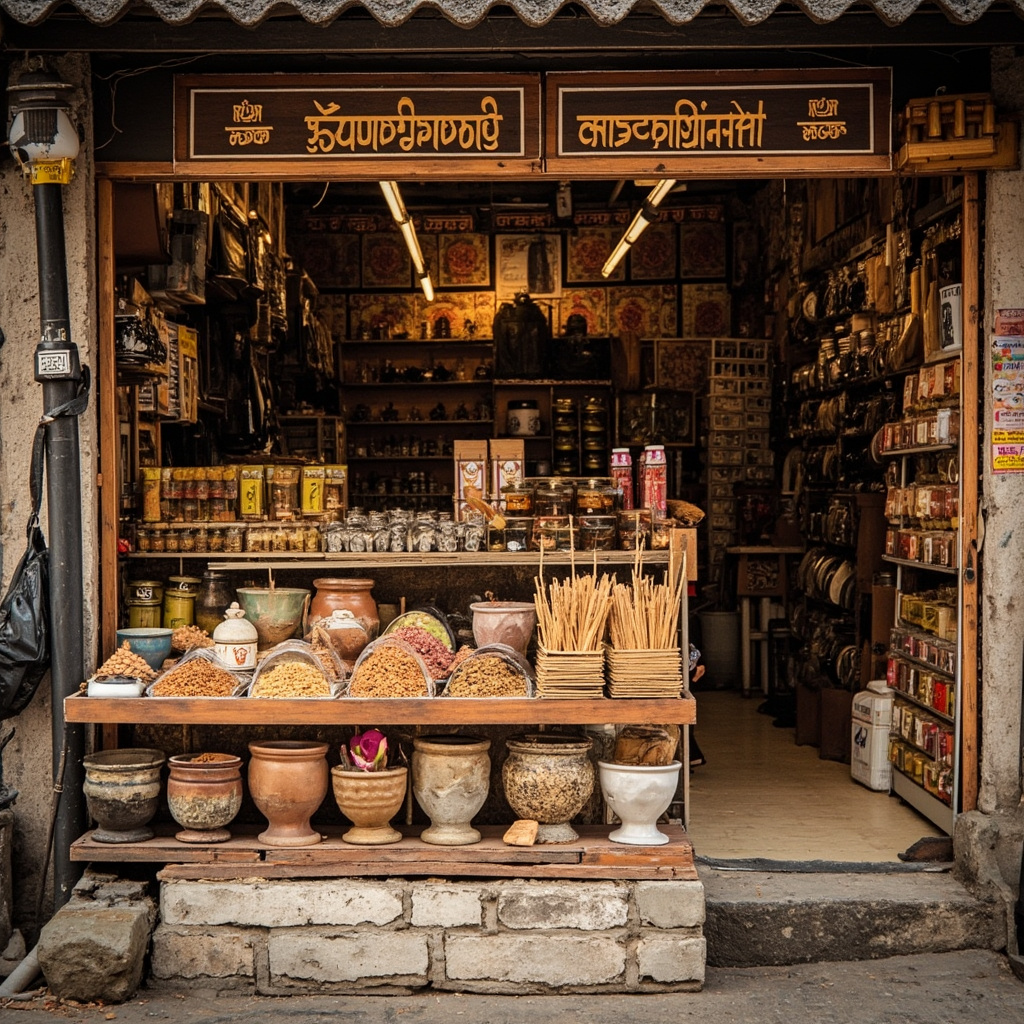
Describing sandalwood fragrance requires avoiding the circular: it smells like sandalwood. But some characteristics distinguish quality:
The creaminess — Quality sandalwood smells almost dairy — smooth, warm, rounded. Lower grades smell more purely woody without this smoothness.
The sweetness — Natural sweetness without added sugar. The best sandalwood reminds some people of vanilla; others describe honey notes.
The staying power — Unlike some materials that arrive and depart quickly, sandalwood lingers. The fragrance remains in a room long after burning has stopped.
The warmth — There is no coolness in sandalwood. Everything about the fragrance reads as warm, which is why it suits evening use, winter burning, and creating intimate atmosphere.
Using Sandalwood in Incense Practice
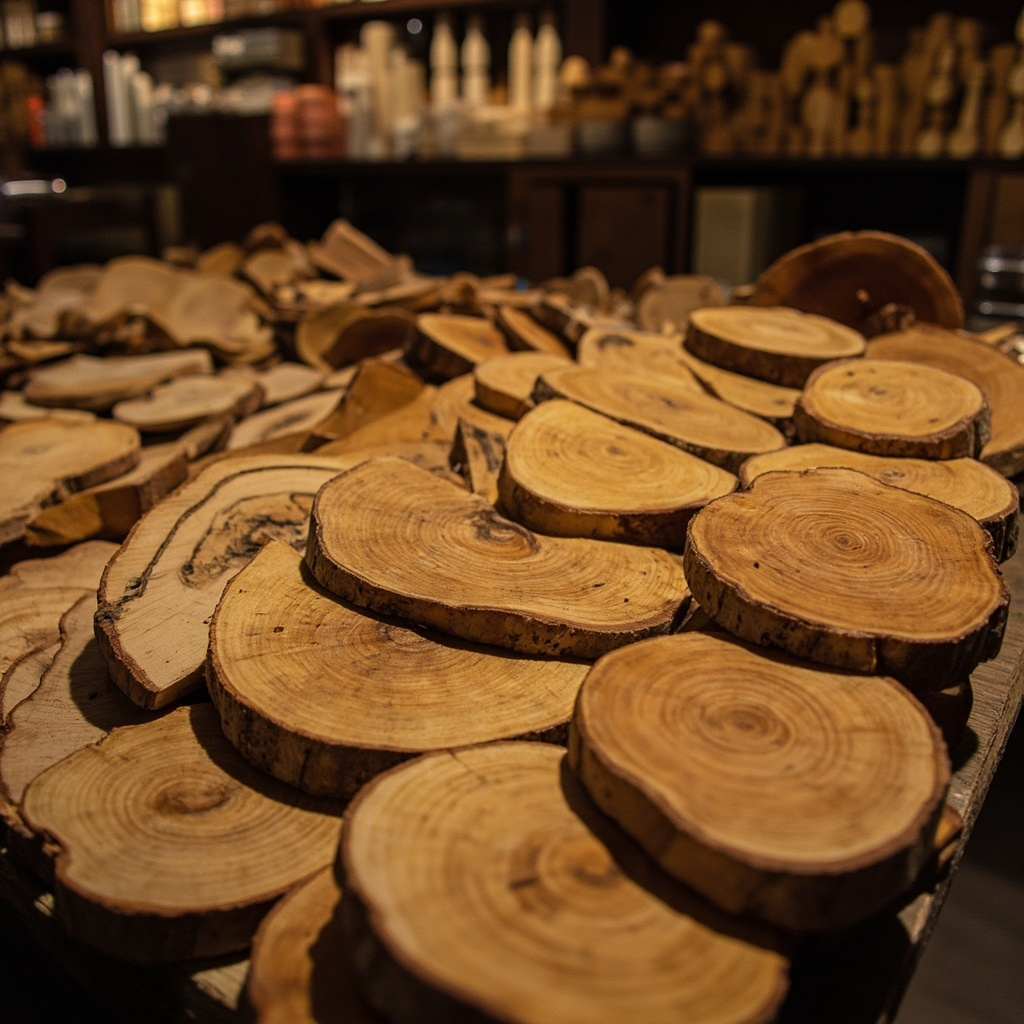
Sandalwood suits more purposes than almost any other incense material.
Daily burning — The accessibility of sandalwood — in both availability and price — makes it practical for daily use. You do not need special occasions or particular settings. An evening at home provides sufficient reason.
Meditation support — While not as focused as certain agarwood varieties, sandalwood provides calming atmosphere that supports meditative states. Its predictability helps create conditions for practice without demanding attention.
Blending base — Because sandalwood fragrance is rounded and accommodating, it serves as excellent base for more challenging materials. Adding a small amount of difficult-to-burn material to sandalwood creates blend that burns evenly while sandalwood carries the fragrance.
Space fragrance — Sandalwood fills rooms effectively. Unlike some subtle materials that perfume only nearby areas, sandalwood projects throughout enclosed spaces.
Sandalwood in Chinese Cultural Context
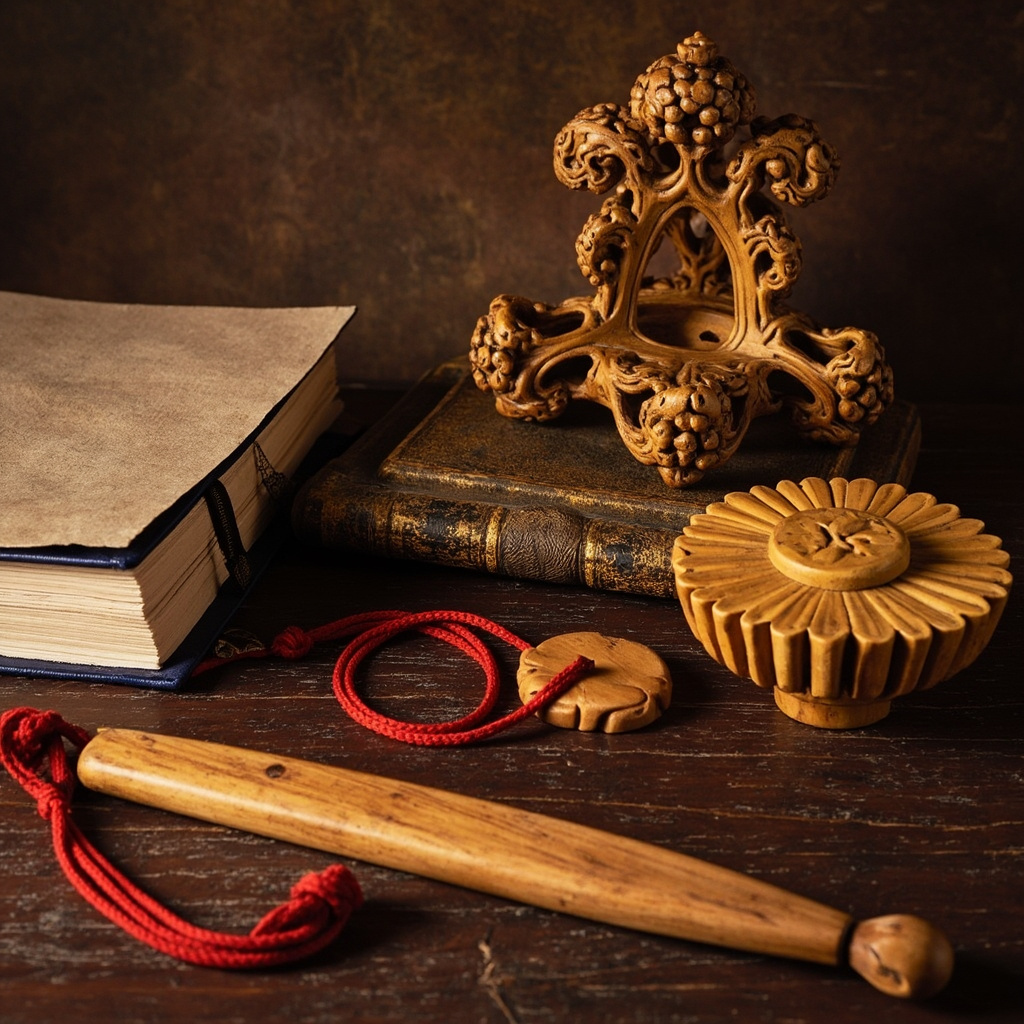
Chinese use of sandalwood differs from Indian or Japanese traditions, though all three share appreciation for the material.
In Chinese contexts, sandalwood often appears in Buddhist ceremonies, where its availability makes it practical for temple-wide burning. The fragrance carries associations with purification and creating sacred space. Daoist practice similarly employs sandalwood for its perceived ability to communicate with spiritual realms.
Chinese medicine incorporates sandalwood for supposed warming and calming properties. The fragrance is believed to affect the heart meridian, promoting peace and reducing anxiety. Whether you accept this framework or not, the underlying observation — that sandalwood creates calming atmosphere — aligns with modern understanding of aromatherapy.
The comparison with agarwood is inevitable: Chinese incense culture generally considers sandalwood as foundation, agarwood as peak. This does not mean sandalwood is inferior — it means they serve different purposes. Foundation materials should be accessible and useful daily. Peak materials mark special occasions. Both essential.
How to Evaluate Sandalwood Quality
Not all sandalwood is equal, despite what vendors might claim.
Origin verification — True Indian sandalwood commands premium pricing. Much sold as Indian is actually Australian or Indonesian. Without established vendor relationships, assume origin claims are approximate at best.
Age — Older trees produce superior material. Minimum 30 years provides basic quality; 60+ years provides exceptional material. There is no shortcut to age — young trees cannot produce old-tree fragrance regardless of processing.
Oil content — The fragrance comes from the oil. Higher oil content means stronger, longer-lasting fragrance. You can sometimes assess oil content by weight — dense pieces with visible oil marks indicate quality. But this assessment requires experience.
Fragrance test — Quality sandalwood smells good even cold. If the unheated material does not appeal, the burned material will not either. Buy small quantities to test before committing to larger purchases.
The Bottom Line
Sandalwood earns its place as the foundation of Chinese incense culture through utility rather than prestige. Where agarwood amazes, sandalwood serves. This is not dismissiveness — serving well is the highest purpose any material can fulfill.
For beginners, sandalwood provides the logical starting point. The fragrance is approachable, the price accessible, the results reliable. You can focus on your practice rather than managing difficult materials or obsessing over premium quality. Good sandalwood at reasonable price serves beginner needs completely.
For experienced practitioners, sandalwood remains valuable precisely because it demands nothing. Sometimes you want to focus on meditation, not on analyzing fragrance complexity. Sandalwood creates atmosphere without requiring attention. It serves practice rather than distracting from it.
The global supply situation for sandalwood continues tightening. Indian sandalwood faces export restrictions; Australian production cannot keep pace with demand. Prices will likely continue rising. This makes exploring sandalwood now prudent — what seems expensive today may seem reasonable tomorrow.
Frequently Asked Questions
What is the difference between Indian and Australian sandalwood?
Indian sandalwood (老山檀) tends creamier, sweeter, with more traditional sandalwood character. Australian sandalwood (新山檀) is slightly sharper, less creamy, with more resinous qualities. Both are genuine sandalwood; the difference is like premium versus value wine rather than one being inferior.
Is sandalwood better than agarwood?
They serve different purposes. Sandalwood is the foundation — accessible, reliable, suitable for daily use. Agarwood is the peak — exceptional, rare, suited for special occasions. Neither is universally better. You need both for a complete practice.
How long does sandalwood fragrance last?
Quality sandalwood fragrance lingers for hours in enclosed spaces. Even after burning stops, the scent remains. This longevity is one of sandalwood’s valued characteristics — it continues working after the actual burning has concluded.
Can I use sandalwood for meditation?
Absolutely. While sandalwood is not as intense as premium agarwood, it provides calming atmosphere that supports meditation practice. Its reliability makes it excellent for establishing consistent meditation conditions.