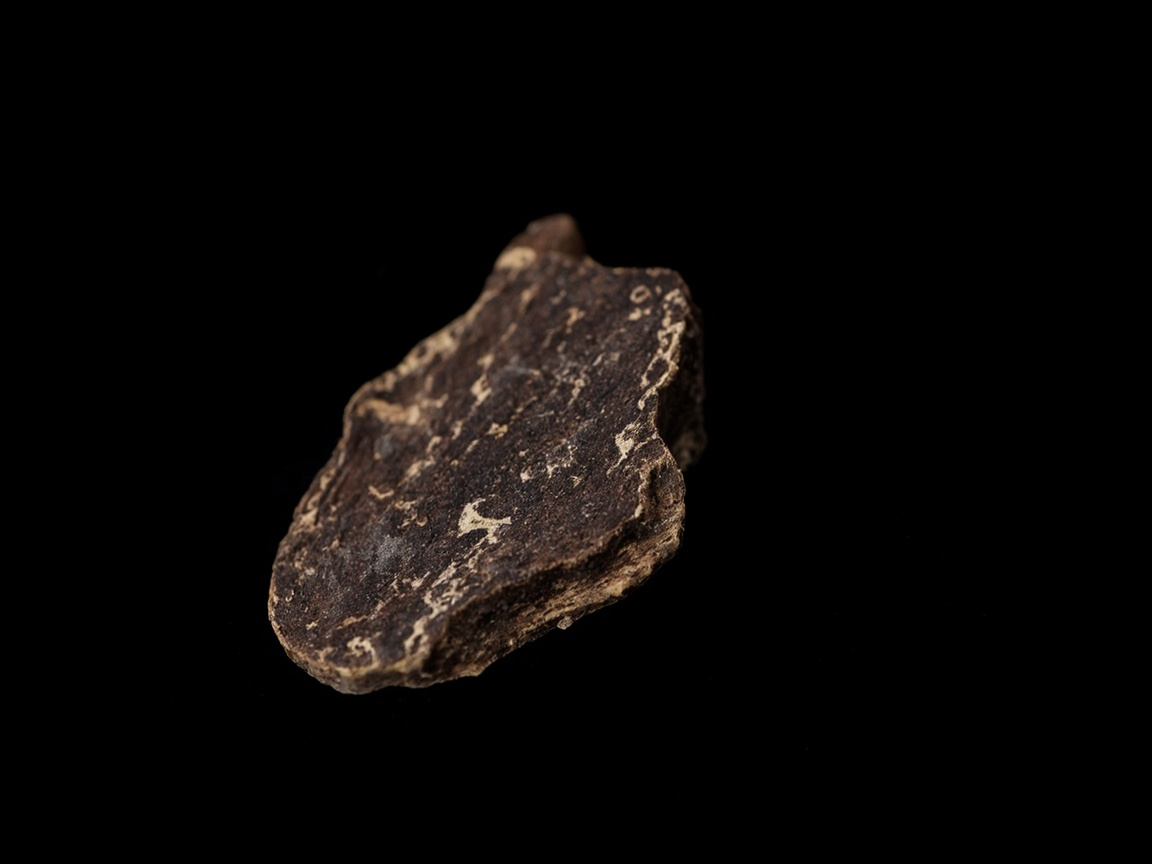
You have burned it. You have definitely burned sandalwood — even if you did not know what it was called at the time. That warm, creamy, slightly sweet smell that fills a room within minutes of lighting? That is sandalwood. It is the most recognized incense material in the world, and also one of the most misunderstood.
What Is Sandalwood?
Sandalwood comes from trees of the genus Santalum, native to South Asia (India, Indonesia) and Australia. Unlike agarwood, sandalwood does not require infection to produce fragrance — the heartwood of mature sandalwood trees (25+ years old) contains the aromatic oil naturally. The oil is concentrated in the heartwood and roots, not the bark or leaves.
The Two Main Types
- Indian Sandalwood (Santalum album) — Mysore, the classic. Finest quality, most expensive. Rich, creamy, sweet with subtle floral notes. Now grown in plantations in Australia as Indian supply dwindled.
- Australian Sandalwood (Santalum spicatum) — More affordable, earthier, slightly more woody. Still high quality. The current commercial standard.
How Sandalwood Is Used in Incense
Sandalwood is unique among incense materials: it can be burned directly, on charcoal, or on electric heaters — and it smells good in all three contexts. This versatility is part of why it is the foundation of so many incense traditions.
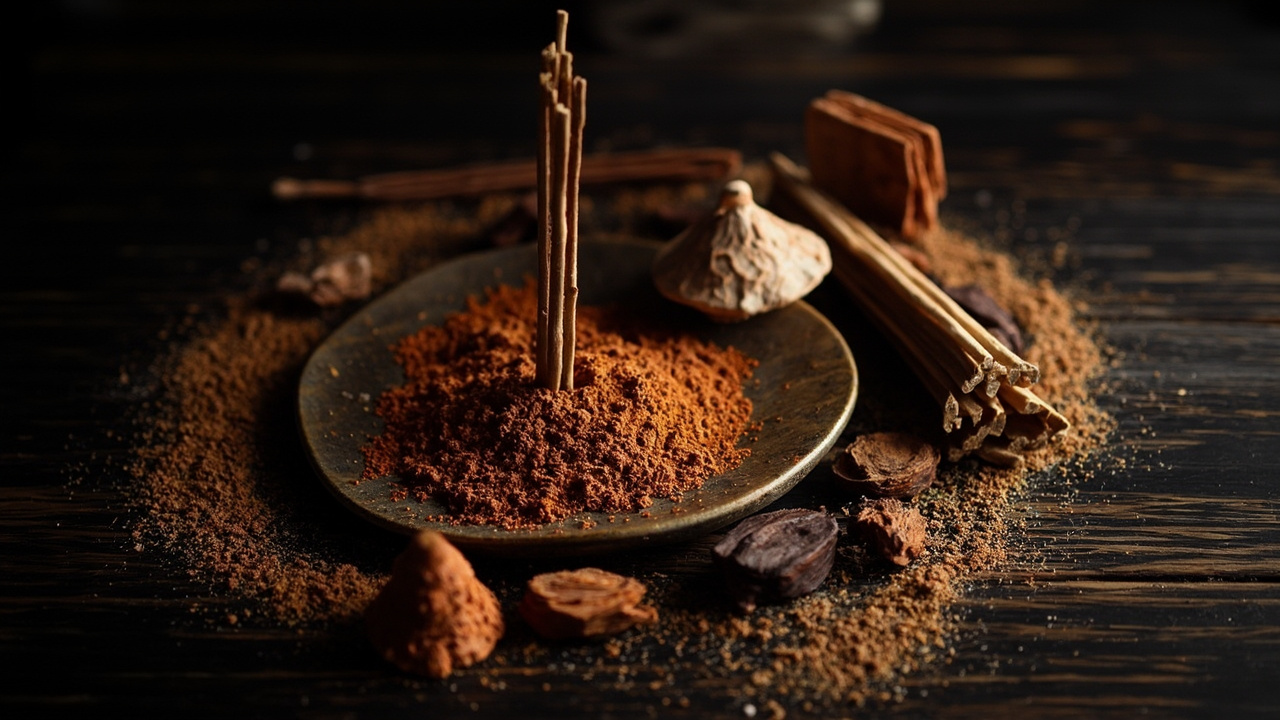
- Powder form: Mixed with other materials or burned alone on charcoal. Most traditional use.
- Stick form: Sandalwood powder rolled with a binder onto a bamboo core. Most common modern form.
- Essential oil: Dropped onto ash or into a diffuser. For ambient fragrance, not true incense burning.
- Chunk wood: Small pieces burned on mica or electric heater. Best for appreciating the full complexity.
Sandalwood in Chinese vs Indian Incense Culture
Chinese and Indian traditions use sandalwood differently:
- India: Heavy use in temples, ceremonies, and daily worship. Masala blends use sandalwood as a base. The fragrance is bold and immediate.
- China: More subtle use in scholar culture. Often used in blends for its fixative properties — it slows down the evaporation of lighter fragrance materials. Used in formulas like 鹅梨帐中香 (E Li Zhang Zhong Xiang).
How to Identify Quality Sandalwood
- Color: White to cream to light brown. Darker is not necessarily better — the color reflects oil content and age.
- Weight: Dense, heavy for its size. Light weight means less oil.
- Smell: Rub the surface with wet fingers. Real sandalwood releases a distinctive creamy, sweet fragrance immediately.
- Oil bleeding: High-quality pieces may show visible oil when held in warm hands.
Sandalwood FAQ
Is sandalwood sustainable?
Indian sandalwood is endangered in the wild. Plantation-grown Australian sandalwood is more sustainable. Look for FSC-certified sources. Avoid very cheap sandalwood — it is likely from unclear sources.
How should I store sandalwood?
Airtight container, away from light and heat. Sandalwood oil evaporates slowly over time. Properly stored, it improves slightly with age as the oil matures.
Can I burn sandalwood directly?
Yes. Hold a small chip to a flame until it catches, then let it burn in a holder. Unlike some materials, sandalwood burns cleanly without unpleasant smoke. The fragrance is immediate and recognizable.