Sandalwood Incense: The Complete Guide to Types, Grades, and How to Use
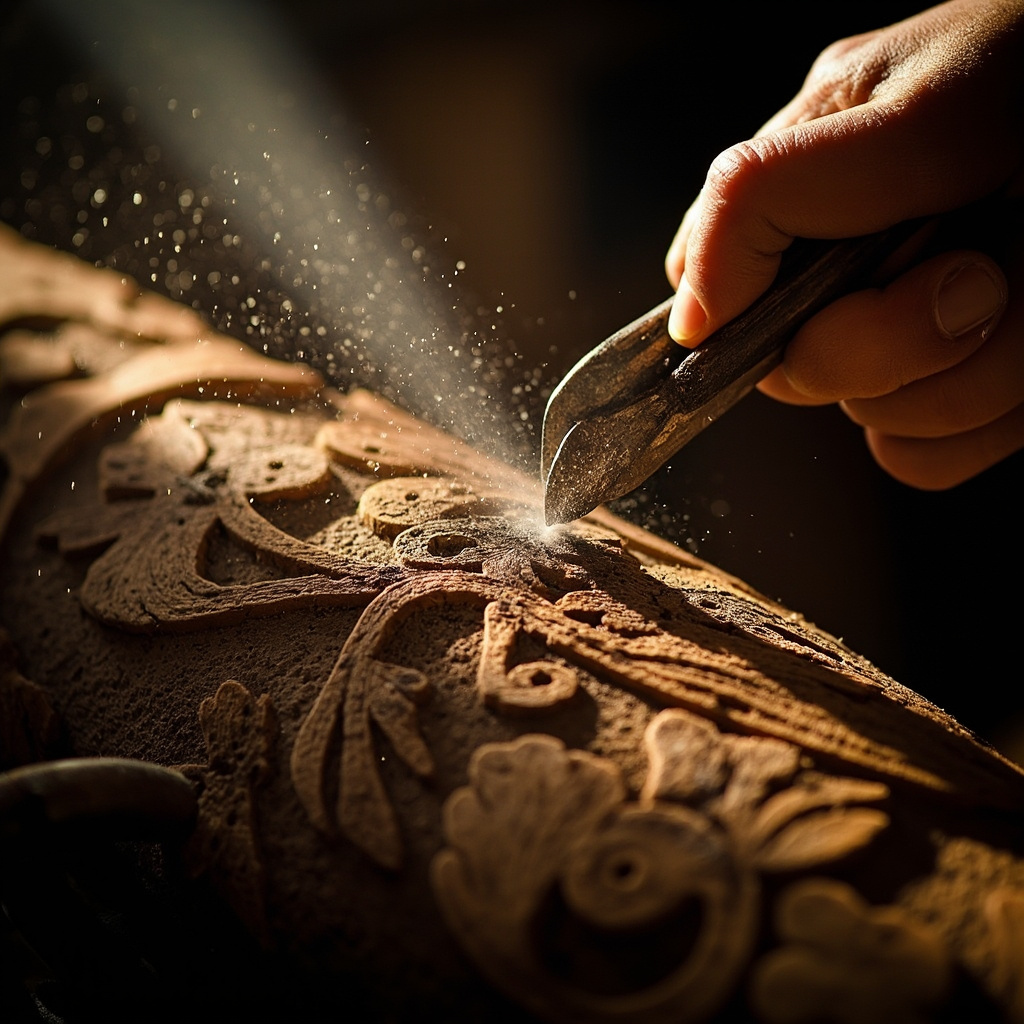
Walk into any temple, meditation hall, or traditional perfumery across Asia and the chances are high that the dominant fragrance you encounter will be sandalwood incense. Warm, creamy, and almost impossibly smooth, sandalwood is the olfactory equivalent of amber light — something that settles the mind, softens sharp edges, and creates an immediate sense of sanctuary.
Unlike agarwood’s dramatic complexity, which unfolds in layers over time and temperature, sandalwood offers something equally valuable: consistency. Its fragrance is rich, woody, and slightly sweet, with a creamy undertone that lingers long after the smoke has dissipated. For over two thousand years, sandalwood has been the backbone of Buddhist, Hindu, and Daoist ritual — and today, it remains the world’s most widely used incense material.
This guide covers everything you need to know about sandalwood incense: the botanical source, the major types and grades, how to use it effectively, and how to source the genuine article in an market flooded with synthetics.
What Is Sandalwood?
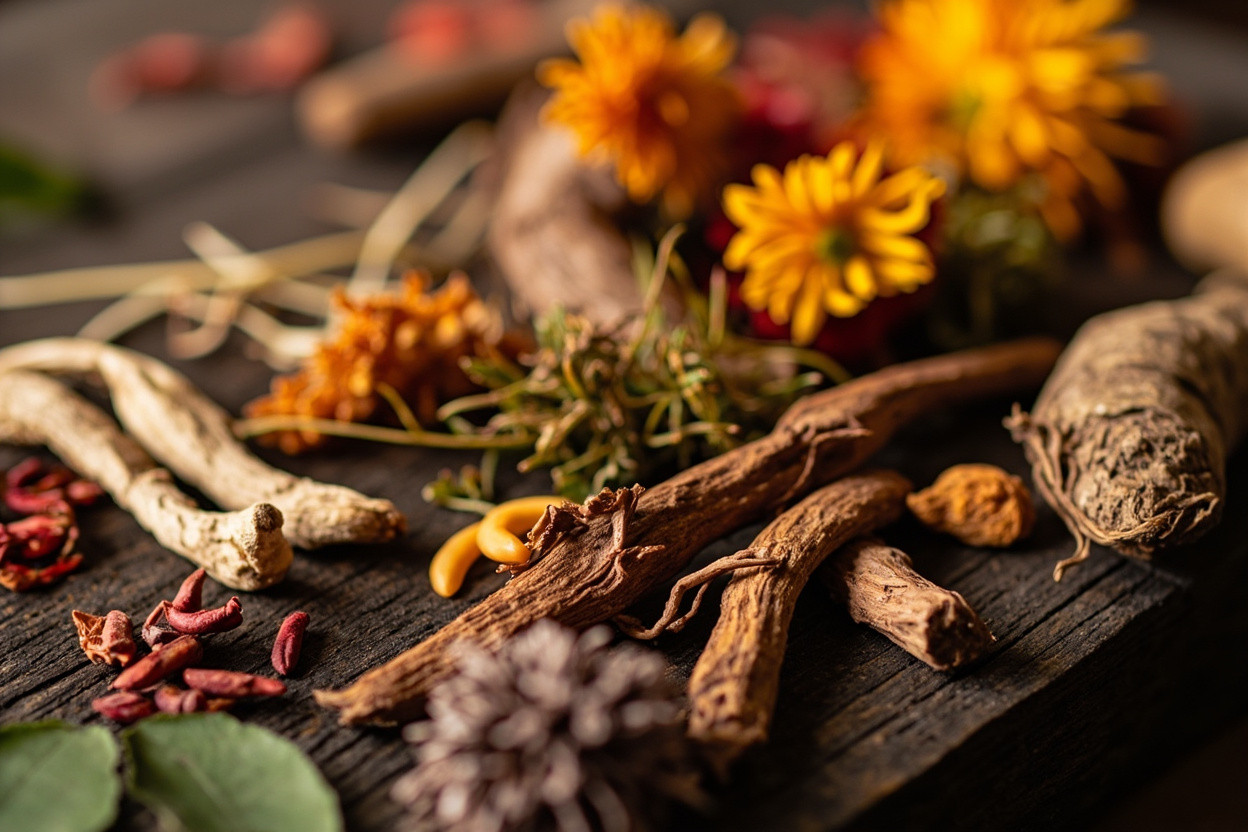
True sandalwood comes from Santalum album — a parasitic evergreen tree native to the Indian subcontinent, but now cultivated across Australia, Indonesia, and the Pacific. The tree is a hemiparasite: it grows attached to the roots of other host trees, drawing water and nutrients while producing its own aromatic heartwood. This parasitic growth is part of what gives sandalwood its distinctive fragrance — the tree produces aromatic compounds (santalols) as a defense mechanism, and these concentrate in the dense, dark heartwood at the tree’s core.
What makes sandalwood extraordinary is the santalol content of the heartwood. High-quality sandalwood contains 75–90% sesquiterpene alcohols (primarily alpha-santalol and beta-santalol), compounds that produce the characteristic creamy, woody fragrance. The longer the tree grows, the denser the heartwood and the higher the santalol concentration. Genuine sandalwood heartwood takes 30–60 years to develop — making truly old sandalwood increasingly rare and valuable.
The Three Major Types of Sandalwood
1. Indian Sandalwood (Santalum album) — “Old Sandalwood” / 老山檀
The original and most prized. Native to the Mysore region of Karnataka, India, this is the sandalwood that built legends. Indian sandalwood has the highest santalol concentration of any species — typically 75–90% in mature heartwood — giving it the richest, sweetest, most persistent fragrance.
Characteristics: Creamy, warm, sweet with subtle floral and balsamic undertones. The dry-down is exceptionally long-lasting — the fragrance can persist on skin for 6–8 hours and on cloth for days.
Status: Heavily protected by the Indian government. Harvesting and export of wild Indian sandalwood is illegal. Commercially available Indian sandalwood comes from plantation-grown trees in Mysore, but supply is tightly controlled. Prices reflect this scarcity.
2. Australian Sandalwood (Santalum spicatum) — “New Sandalwood” / 新山檀
Indigenous to Western Australia and now the world’s largest commercial sandalwood producer. While the species is different from Indian sandalwood, Australian sandalwood shares a remarkably similar fragrance profile — slightly earthier and more austere, with notes of bitter cocoa and tobacco alongside the classic creamy wood.
Characteristics: Warm, woody, slightly nutty with a drier finish than Indian sandalwood. The santalol content is lower (60–70%), but the fragrance profile is close enough that Australian sandalwood has become the primary workhorse of the global sandalwood market.
Status: Sustainably plantation-grown in Western Australia. Well-regulated industry with both oil extraction and wood chip production. More accessible price points than Indian sandalwood.
3. Indonesian Sandalwood (Santalum album / various species)
Produced primarily in Timor and Sumba islands, Indonesian sandalwood occupies the middle ground. It is more aromatic than Australian sandalwood but generally less refined than the finest Indian material.
Characteristics: Earthy, slightly camphoraceous top notes with a warm, woody base. Good longevity, though the fragrance profile is somewhat less elegant than Indian sandalwood.
How Sandalwood Is Used in Incense
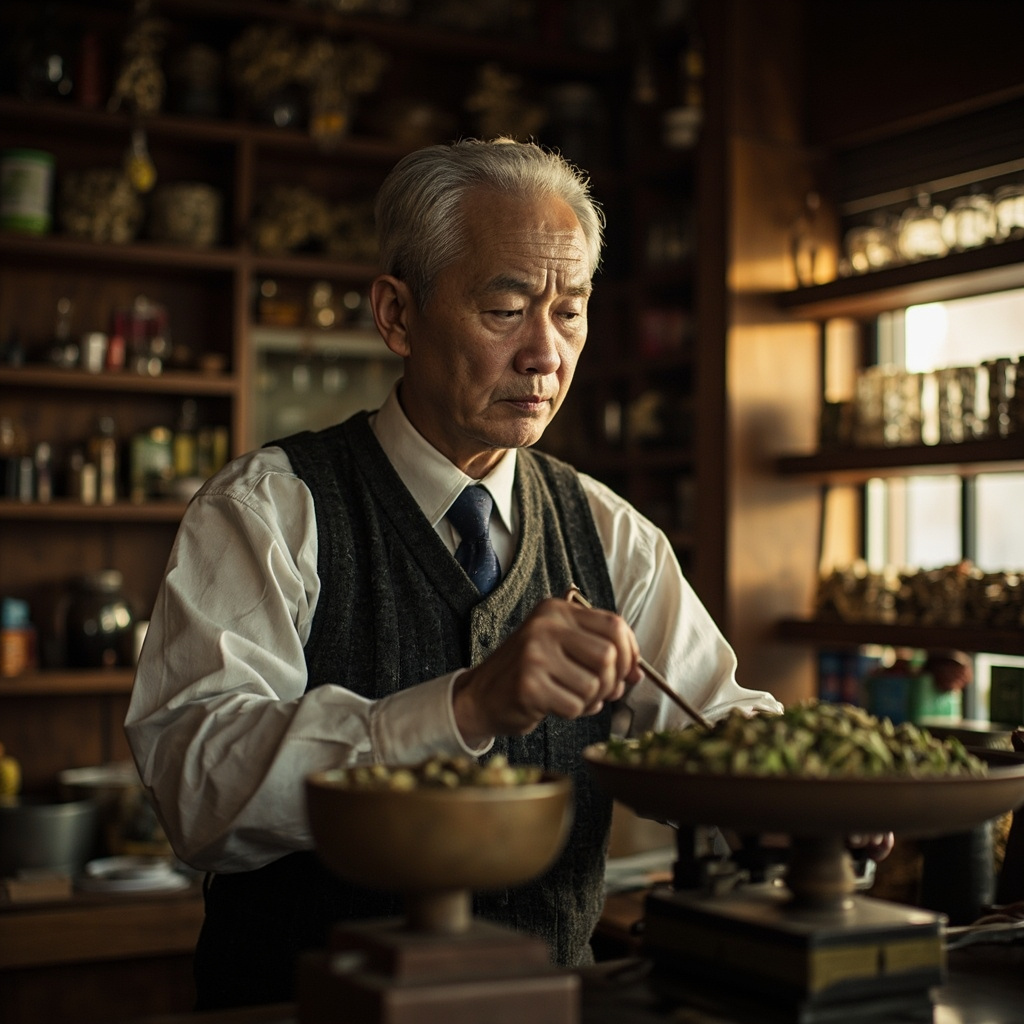
Sandalwood’s versatility is one of its greatest strengths. It can be used alone or as the foundational base for complex hexiang (合香) blends.
Forms of Sandalwood Incense
- Sandalwood powder (檀香粉) — Ground heartwood; the most traditional form. Burned directly on charcoal or used as a base for incense cones and blends.
- Sandalwood incense sticks — Made by mixing sandalwood powder with binder (often makko powder) and rolling onto bamboo sticks. The most common form for everyday use.
- Sandalwood chips — Small pieces of heartwood burned on charcoal or electric heater. Offers the purest expression of sandalwood’s fragrance.
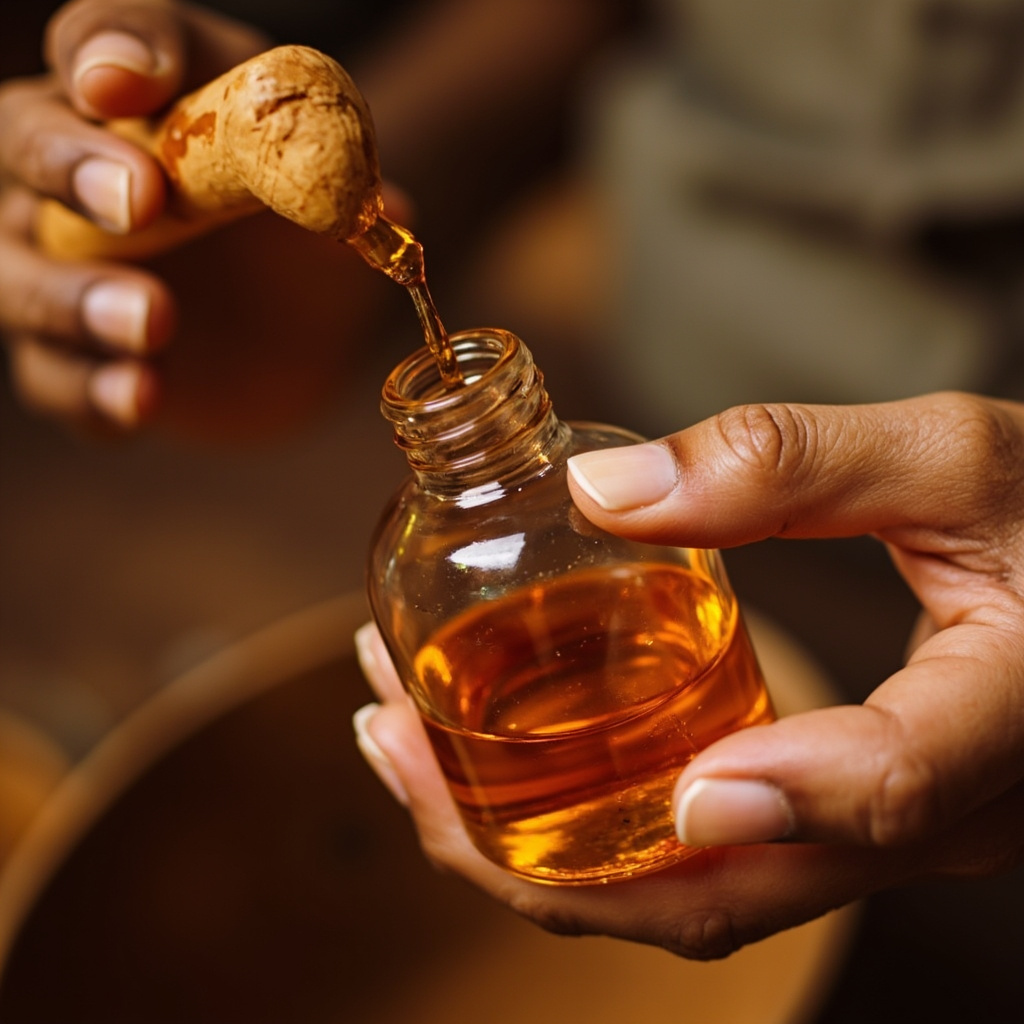
- Sandalwood essential oil — Distilled from the heartwood; used in oil burners or diluted for skin application. Not typically used for direct incense burning.
Using Sandalwood in Chinese Incense Blending
In the Chinese hexiang tradition, sandalwood is a base note material — it anchors the blend, providing the sustained, warm foundation upon which lighter and more volatile materials can perform. Sandalwood pairs naturally with:
- Agarwood chips — The classic combination; cream meets darkness
- Benzoin — Adds sweetness and depth
- Osmanthus — The floral sweetness of osmanthus complements sandalwood’s cream
- Mugwort or wormwood — Adds complexity and slight bitterness
- Clove — Warm spice contrast
How to Use Sandalwood Incense
Burning Incense Sticks
- Place the stick in a stable incense holder, ideally with a wide catching bowl.
- Light the tip of the stick with a match or lighter.
- Allow a flame to establish for 5–10 seconds — you should see a small, stable ember forming.
- Blow out the flame gently. The ember should continue glowing.
- The stick will smolder at approximately 1–2 cm per 10–15 minutes depending on thickness and composition.
- Leave the room and return — sandalwood’s fragrance will have permeated the space within minutes.
Burning Sandalwood Powder on Charcoal
- Use natural moxa charcoal tablets — avoid self-lighting or quick-light charcoals, which carry chemical odors.
- Place 0.2–0.5g of sandalwood powder in a small mound on the charcoal, or place small chips on the outer edge.
- The fragrance releases immediately as the charcoal ignites. Expect a brief smoky period (1–2 minutes) before the clean sandalwood aroma establishes.
Electric Incense Heater
Set to 90–120°C. Place sandalwood powder or small chips on the heating element. This method produces the cleanest fragrance with minimal smoke, though it lacks the ritualistic character of charcoal burning.
Sandalwood Grades: What Determines Quality and Price
The sandalwood market uses several grading systems, but the core factors are:
- Age of heartwood — The older and denser the wood, the higher the santalol content and the richer the fragrance. “Old growth” (50+ years) commands premium prices.
- Heartwood diameter — Larger diameter logs produce larger pieces of heartwood, which are more valuable than chips and dust.
- Color — True sandalwood heartwood is pale yellow-brown to deep amber. Pale or white wood indicates minimal resin concentration.
- Scent test — Rub the wood against your palm. Genuine sandalwood immediately releases a clear, creamy fragrance without heating. If there’s no scent, the resin content is likely low.
- Oil content — High-grade sandalwood is slightly greasy to the touch when freshly cut, indicating high essential oil content.
Price Guide for Sandalwood Incense in 2026
- Sandalwood incense sticks (standard): $8–25 per box of 20–45 sticks
- Premium sandalwood sticks (high wood content): $30–80 per box
- Sandalwood powder (Australian, 100g): $15–40
- Sandalwood powder (Indian, 100g): $40–120
- Sandalwood chips (50g): $20–100 depending on origin
- Sandalwood essential oil (10ml): $15–200 depending on purity and origin
Frequently Asked Questions
Is sandalwood safe to burn indoors?
Yes — natural sandalwood incense, burned in a well-ventilated space, is considered safe. Avoid synthetic sandalwood fragrance sticks, which may contain petroleum-based compounds that release harmful chemicals when burned. Always use natural sandalwood from a reputable supplier.
How can I tell if sandalwood is real or synthetic?
Real sandalwood smells creamy, sweet, and complex — with nuance that evolves slightly as it burns. Synthetic sandalwood fragrance (often labeled “sandalwood oil” or “sandalwood fragrance”) smells flat,单一, and noticeably chemical. A simple test: rub the material on your skin. Real sandalwood produces a fragrance immediately; synthetic does not.
How long does sandalwood fragrance last?
On skin: 4–8 hours for high-quality Indian sandalwood; 2–4 hours for Australian. In a room: 30–90 minutes depending on ventilation and the amount burned. On fabric: up to several days for fine sandalwood.
What’s the difference between sandalwood and red sandalwood?
Sandalwood (白檀, white sandalwood, Santalum album) is the fragrant, pale wood used in incense. Red sandalwood (红檀, Pterocarpus santalinus) is a completely different species — a deep red hardwood from India, also called “red sanders.” It has a mild, slightly bitter fragrance but is not used as a primary incense material. Beware of sellers marketing red sandalwood as sandalwood.
Can sandalwood be used for meditation?
Absolutely. Sandalwood is one of the most widely recommended woods for meditation practice in Buddhist and Hindu traditions. Its consistent, calming fragrance is believed to quiet mental chatter and support focused awareness. Studies in aromatherapy have shown that sandalwood fragrance can reduce anxiety and promote feelings of tranquility.
How should I store sandalwood?
Keep in an airtight glass container away from direct sunlight, heat, and strong odors. Sandalwood is porous and will absorb surrounding scents. Stored properly, sandalwood wood and powder retain their fragrance for years. The fragrance of sandalwood essential oil deteriorates more quickly — use within 2–3 years of opening.
Related Articles