You Ever Notice How Smell Hits You Emotionally?
Okay, real talk. Something smells like your grandma’s house, and suddenly you’re five years old again. Or a certain scent takes you back to a specific moment so fast it almost hurts.
That’s not your imagination. Smell and emotion are literally hardwired together in your brain. And in Chinese incense tradition, they took this connection seriously. Like, really seriously.
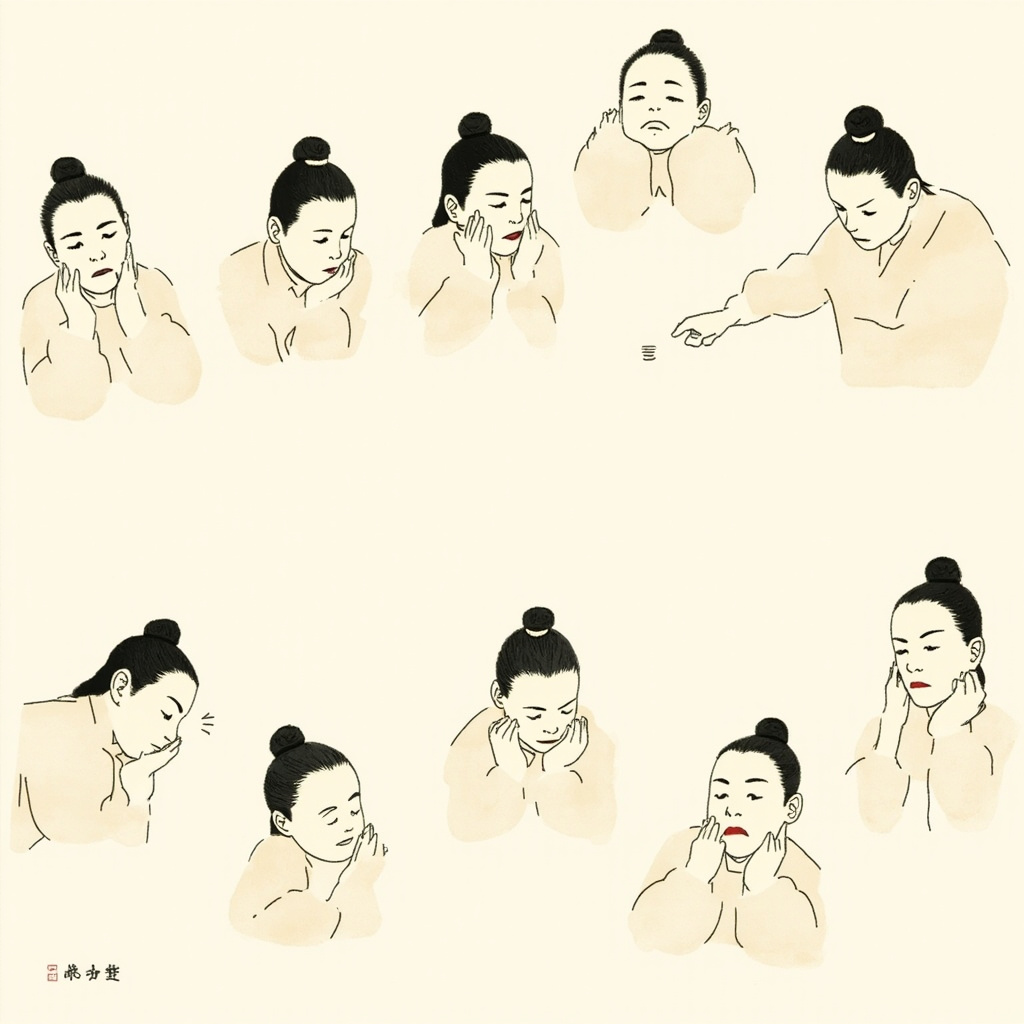
The concept of Qi Qing (七情) — the seven emotions — maps out how different scents interact with your emotional states. It’s not just “lavender is calming.” It’s a whole system for understanding why certain fragrances shift how you feel.
The Seven Emotions in Chinese Thought
Chinese philosophy identifies seven core emotional states:
- 喜 (Xi) — Joy: The feeling of happiness, delight, pleasure
- 怒 (Nu) — Anger: Irritation, frustration, rage
- 忧 (You) — Worry: Anxiety, concern, unease
- 思 (Si) — Overthinking: Rumination, analysis, thought loops
- 悲 (Bei) — Sorrow: Grief, sadness, melancholy
- 恐 (Kong) — Fear: Anxiety, dread, nervousness
- 惊 (Jing) — Shock: Surprise, startle, alarm
Ancient Chinese scholars noticed that each of these states affected your health, your decisions, even your relationships. And they noticed that certain scents could help balance these emotional states.
How Scent Enters the Emotional System
Here’s the thing about smell. When you inhale something, the scent molecules go straight to your brain. Not through your eyes, not through logic — directly to the emotional processing center.
That’s why a random smell can knock you sideways. One minute you’re fine. Next minute you’re crying because you smelled something that reminds you of someone you lost, or a place you can’t go back to.
The Chinese knew this. And they figured out which scents helped with which emotional states. Not through lab tests — through centuries of observation and careful记录.
Working With Incense for Emotional Balance
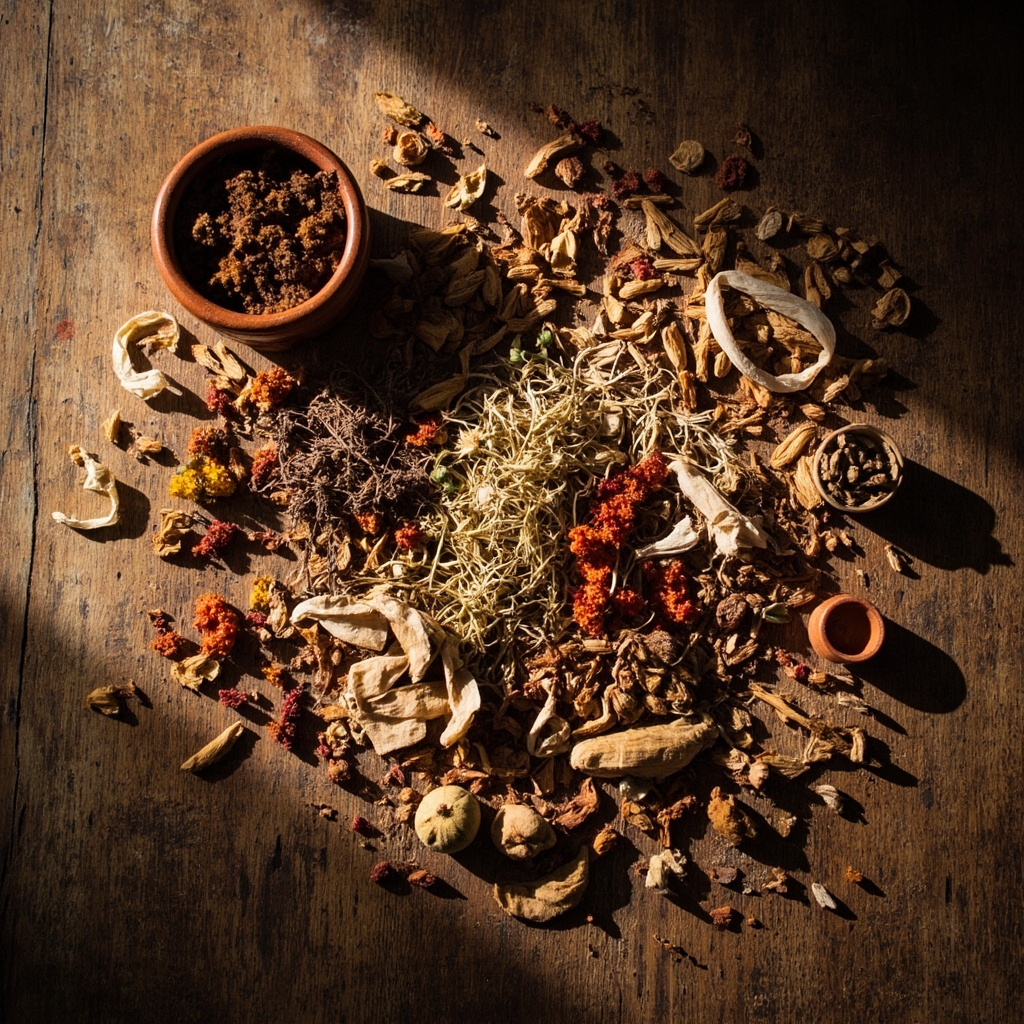
Here’s how this translates to practical incense use:
When you’re stuck in overthinking mode:
You know that feeling when your brain won’t shut up? Racing from one worry to the next. Sandalwood or agarwood can help quiet that mental chatter. Something about the depth of those scents seems to ground the overthinking mind.
When anxiety or worry is pulling at you:
Anxious energy has a certain quality to it. Almost jittery. Soft florals like jasmine or osmanthus can help smooth that out. Not knock you out — just… soften the sharp edges of the worry.
When grief or sadness is heavy:
This one’s tricky. Sometimes you don’t want to feel better right away. But when you’re ready, warm, comforting scents help. Nothing bright or artificially sweet. Think of it like a blanket for your nose.
When you need to feel more present and alert:
Some scents are naturally more energizing. Clean, bright, slightly sharp. Cedar. Camphor wood. Certain resins. Not harsh — just alive.
The Ritual Aspect
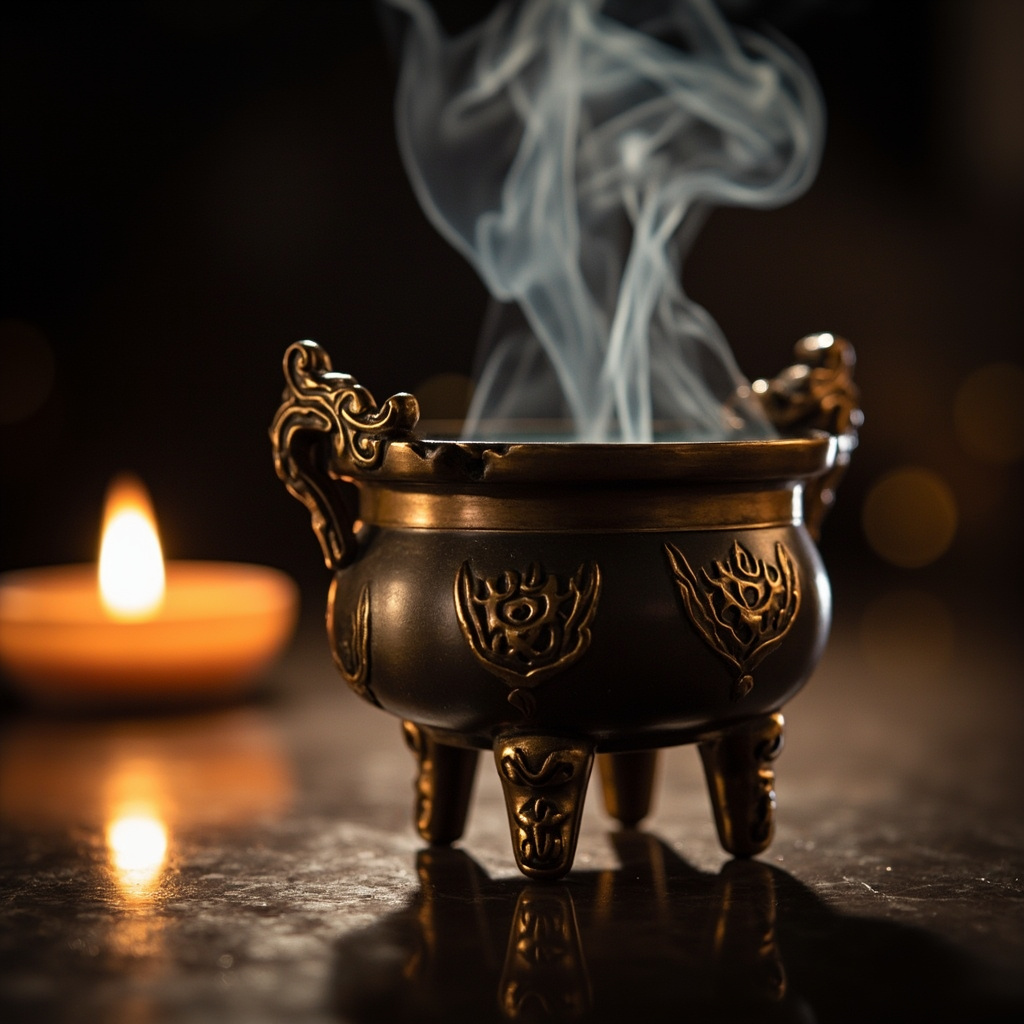
Look, I’m not gonna tell you that burning incense is gonna cure your depression or whatever. That’s not what this is about.
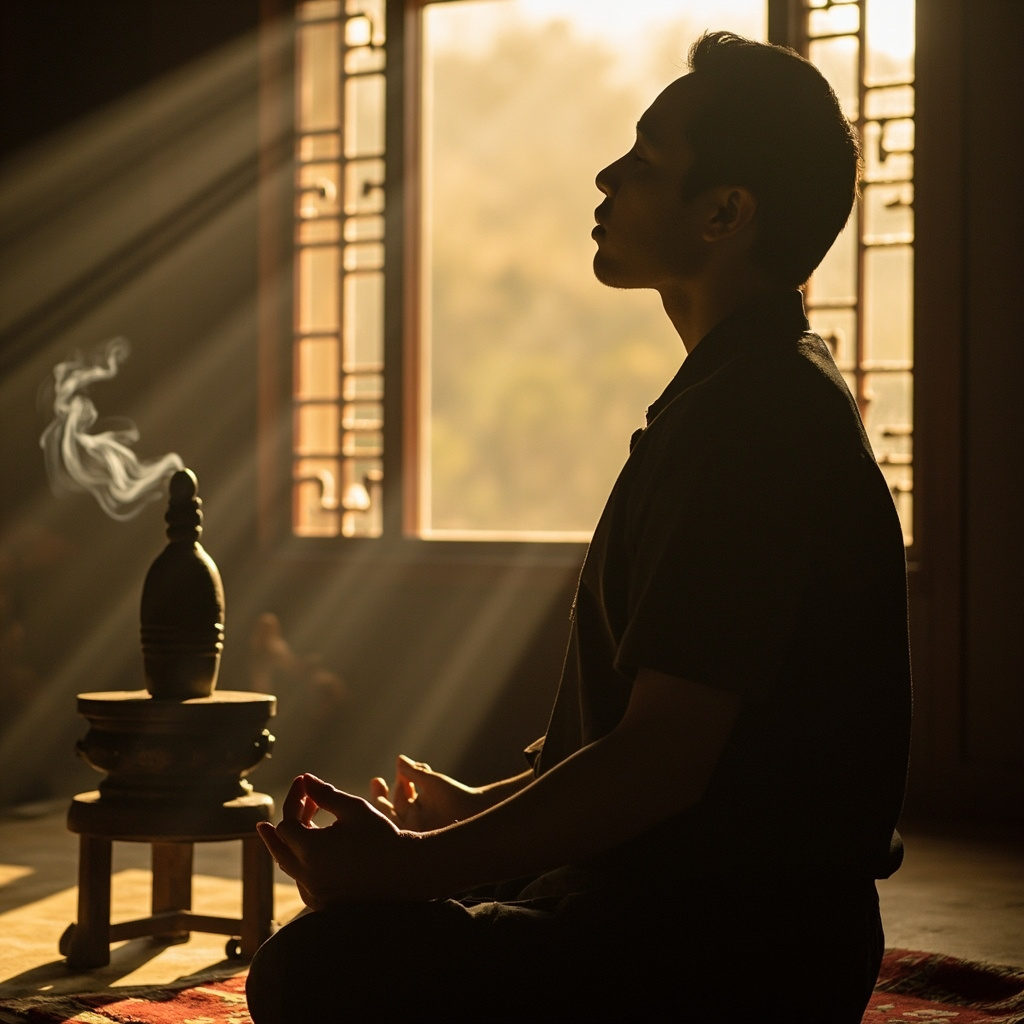
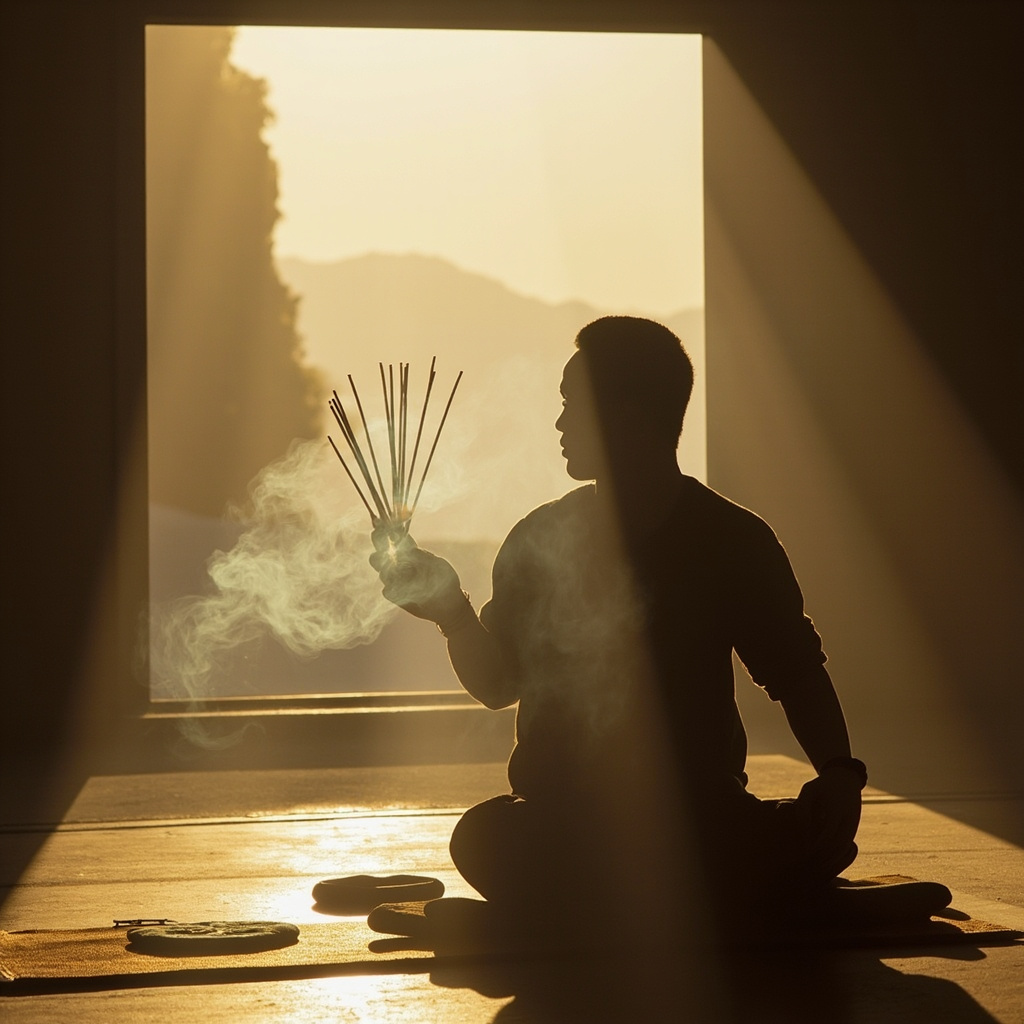
But here’s the thing nobody talks about: the actual act of stopping, preparing incense, lighting it, watching the smoke — that pause itself does something. You’re literally pressing a pause button on whatever spiral you’re in.
Chinese scholars understood this. They built whole rituals around incense use. Not because the ritual itself was magic — because the ritual created space for the mind to shift.
How to Use This in Real Life
Honestly? Start simple. Pay attention to what you’re feeling. Then pay attention to what happens when you burn different scents.
Keep it basic:
- Notice your emotional state before you burn
- Choose something based on what you need
- Actually sit with it for a bit — don’t just light it and walk away
- Notice if anything shifts, even a little
Over time, you’ll figure out what works for you. Everyone’s different. Some people find jasmine too sweet. Others swear by it. Your own experience is the real guide here.
When Incense Isn’t Enough
A word of honesty here. If you’re dealing with serious emotional stuff — clinical anxiety, depression, grief that won’t lift, whatever — incense alone isn’t gonna fix it.
Think of it as one tool. It can help create small moments of relief. It can help shift your state a little. But it’s not a replacement for actual support, whether that’s friends, therapy, medication, or whatever you need.
The Chinese knew about emotional balance, but they also knew when to bring in other approaches. We should be that smart too.
The Bottom Line
Smell and emotion are connected. Biologically, neurologically, literally. The Chinese mapped this out hundreds of years ago through careful observation. We’re just now catching up scientifically.
You don’t have to buy into any mystical framework. You just have to notice what happens in your own body and mind when you burn different scents.
That’s it. That’s the whole thing.
Frequently Asked Questions
Can incense really help with emotional issues?
For mild stuff, yeah. If you’re stressed, overwhelmed, or can’t sleep because your brain won’t shut up — a calming scent can genuinely help. But for serious mental health stuff, incense is a supplement, not a solution.
What’s the best incense for anxiety?
Traditionally? Osmanthus, jasmine, sandalwood. Something soft and warm. But honestly, if something specific works for you, that’s what matters. Try different stuff and pay attention.
How long does it take to feel the emotional effect?
Sometimes immediately. Like, within a few breaths. Other times it builds over a few minutes. Depends on the person and the situation. Just sit with it and see.
Can incense make emotions worse?
Yeah, actually. If you burn something that reminds you of something painful, it can trigger those feelings. Also, too much smoke can give anyone a headache and make them irritable. Moderation matters.
Is this connected to aromatherapy?
Kind of. Western aromatherapy developed independently, but it’s based on similar observations — that scent affects emotional state. The Chinese framework is more elaborate, but the core idea is the same: different scents do different things to how you feel.