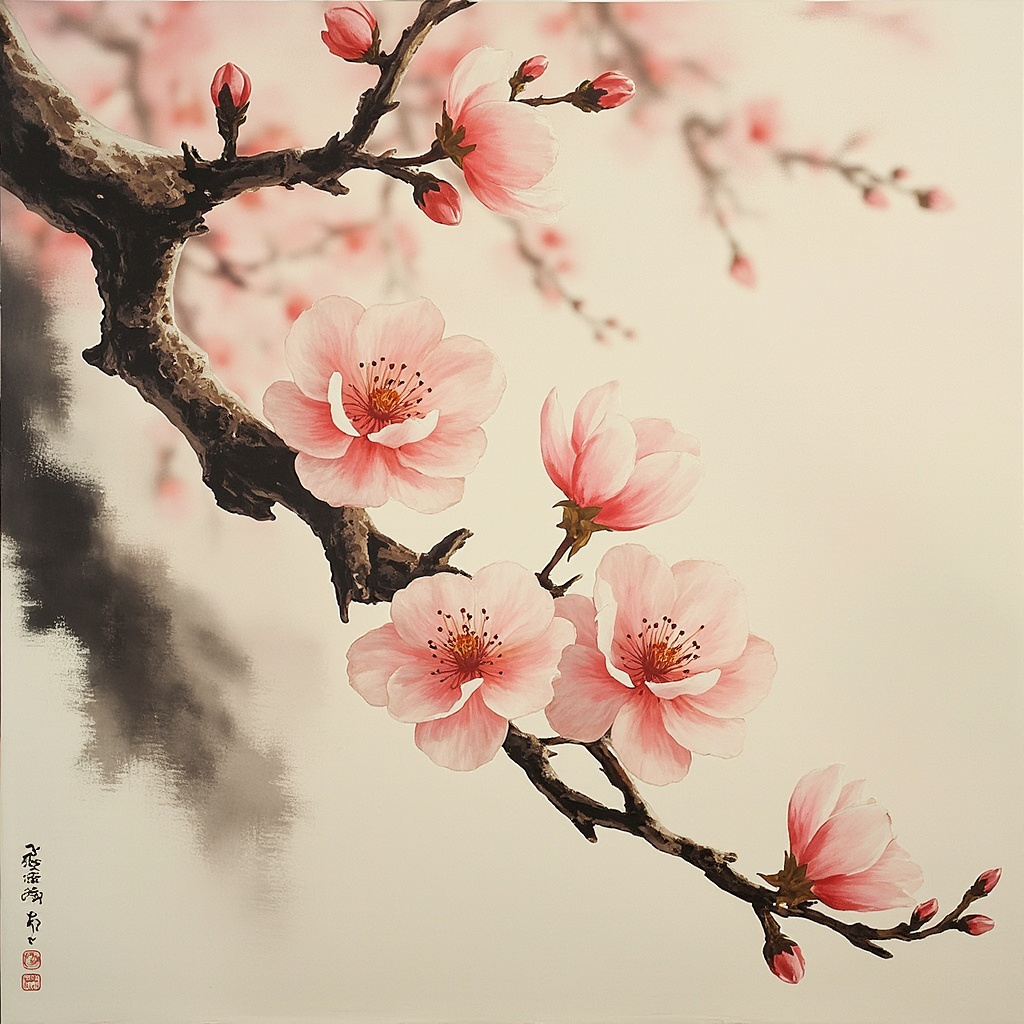
In Chinese culture, no flower carries more symbolic weight than the plum blossom. Known as meihua, it blooms in winter when nothing else dares to flower, earning it a place in Chinese art, poetry, and philosophy for over a thousand years. But beyond its cultural significance, plum blossom has been valued in Chinese incense traditions for its delicate, fleeting fragrance. Here is everything you need to know about this remarkable flower in the context of xiangdao.
What is Plum Blossom in Chinese Incense?
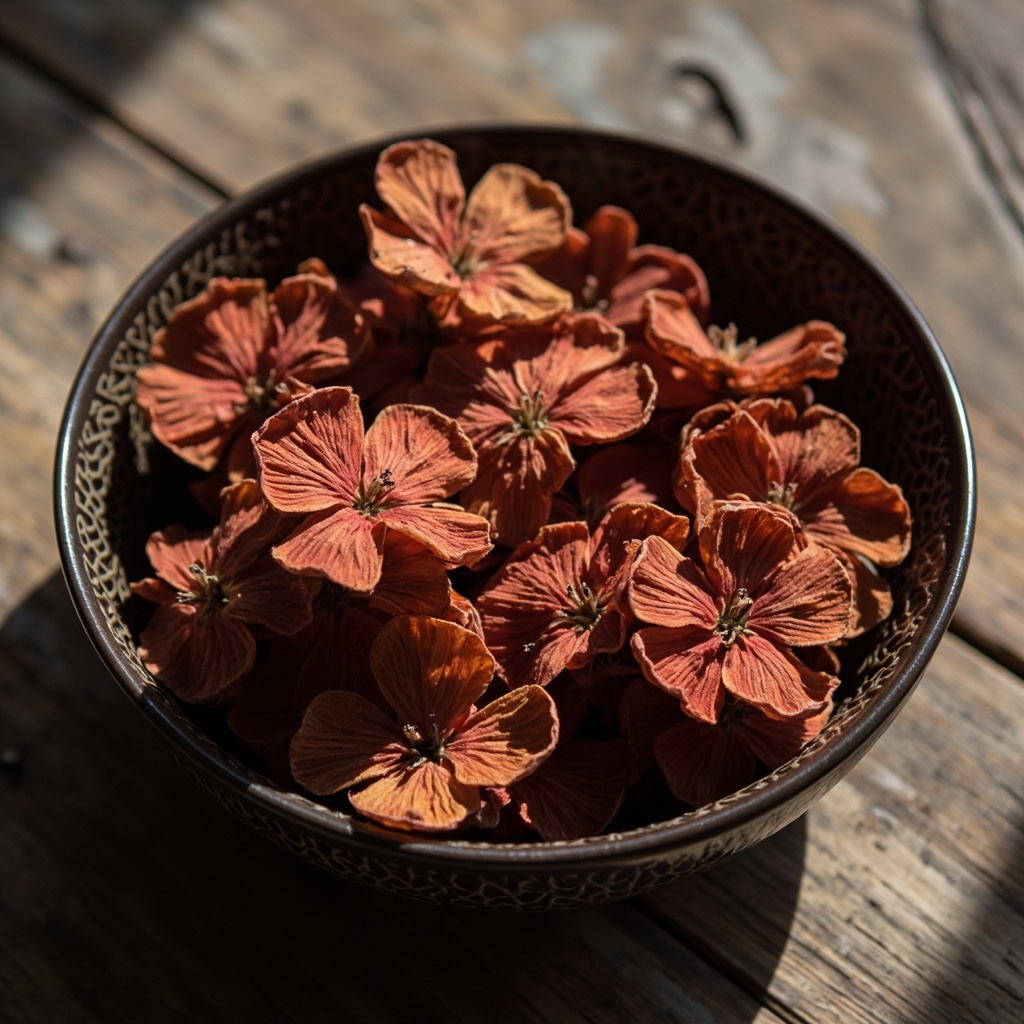
Plum blossom (Prunus mume, mei) is not the same as the plum fruit you might find in Western groceries. The ume plum is a small, ornamental tree that produces tiny, sour fruits used in Chinese cooking and medicine. The flowers – delicate pink and white – are the prize in incense contexts.
In traditional Chinese incense, dried plum blossoms are used primarily as a supplementary aromatic material – adding subtle floral notes to larger blends rather than serving as a base material. The fragrance is light, clean, and slightly tart – nothing like the heavy sweetness of jasmine or gardenia. It reads as cold and refined, which is exactly why Chinese practitioners valued it.
The History of Plum Blossom in Chinese Culture
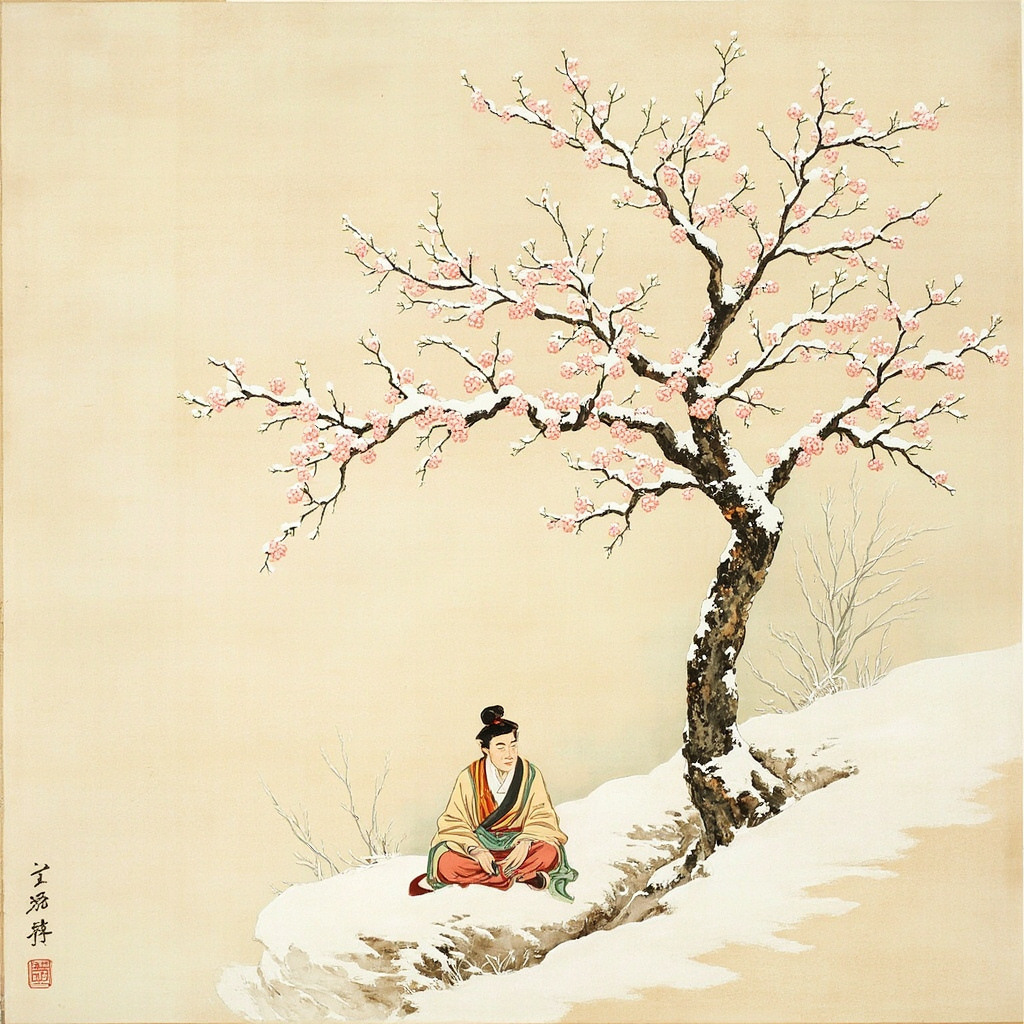
Plum blossom has been cultivated in China for over three thousand years. By the Song Dynasty, it had become one of the most celebrated subjects in Chinese art. The scholar class developed an entire aesthetic around plum blossom viewing – traveling to famous groves, composing poetry, and painting the flowers in various stages of bloom.
The association with winter and hardship gave plum blossom its status as a symbol of perseverance and moral integrity. In incense contexts, this translated to an appreciation for the flower ability to deliver beauty under difficult conditions – burning cleanly and releasing fragrance even in cold environments.
Mei Gui Hua vs Meihua – Important Distinction
Western practitioners often confuse meihua (plum blossom) with meigui (rose). They are entirely different plants with different fragrances:
Meihua (Plum Blossom) – Prunus mume. Light, clean, slightly tart floral fragrance. Associated with cold weather and refined elegance. Used in small quantities in classical blends.
Meigui (Rose) – Rosa species. Rich, heavy, sweet floral fragrance. Associated with romance and luxury. Used more extensively in modern commercial incenses.
Classical Chinese incense texts consistently distinguish between these materials. Using rose when a formula calls for plum blossom represents a significant error – the fragrances are chemically distinct and produce different effects in blends.
Using Plum Blossom in Incense Blending
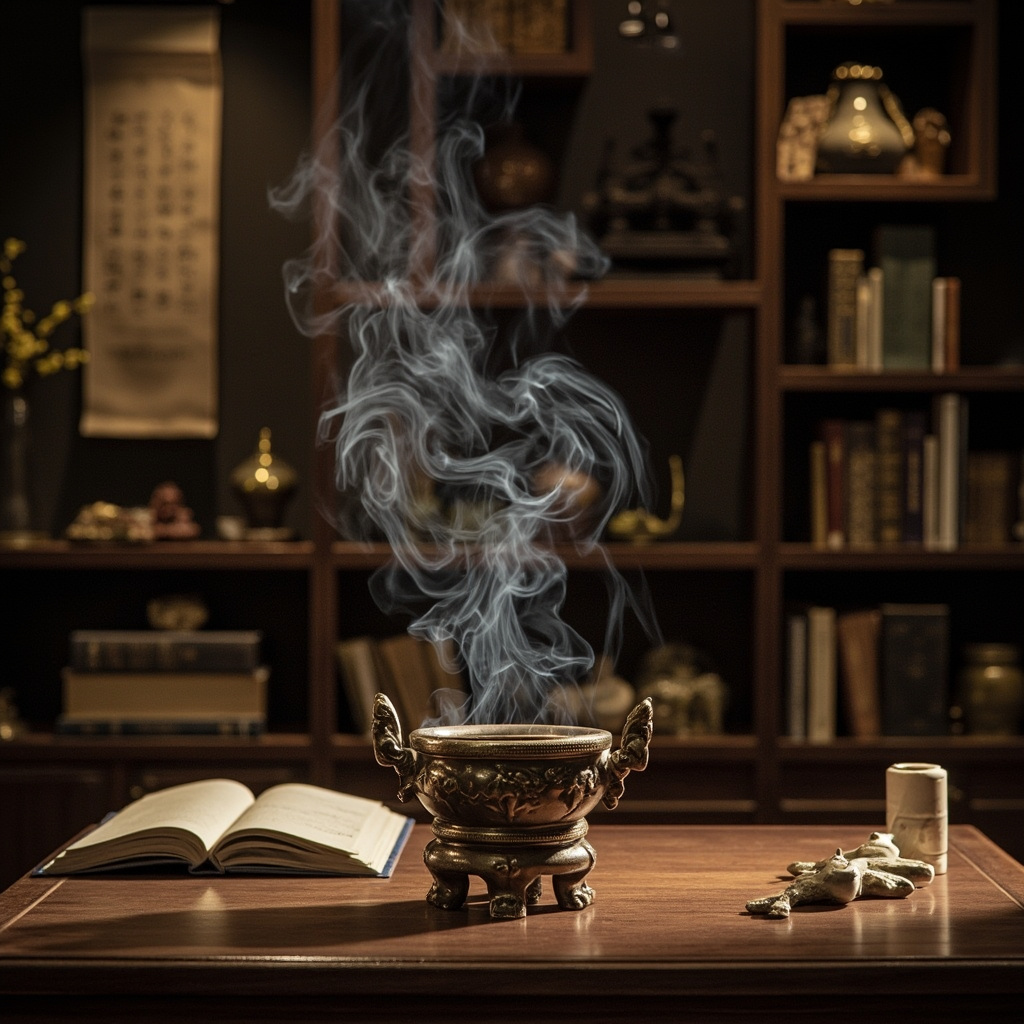
Plum blossom works as a supporting note in blends rather than a dominant material. The classical texts describe it as an element that brightens and lifts heavier base materials – preventing blends from becoming too heavy or cloying.
Effective combinations include:
Agarwood + Plum Blossom – The cold quality of plum blossom tempers the richness of agarwood, creating a more balanced fragrance that reads as both refined and approachable.
Sandalwood + Plum Blossom – The creamy warmth of sandalwood and the cool elegance of plum blossom create complementary contrast.
Cedar + Plum Blossom – The dry, woody character of cedarwood with the delicate floral notes of plum creates a distinctly Chinese combination.
Traditional Plum Blossom Formulas
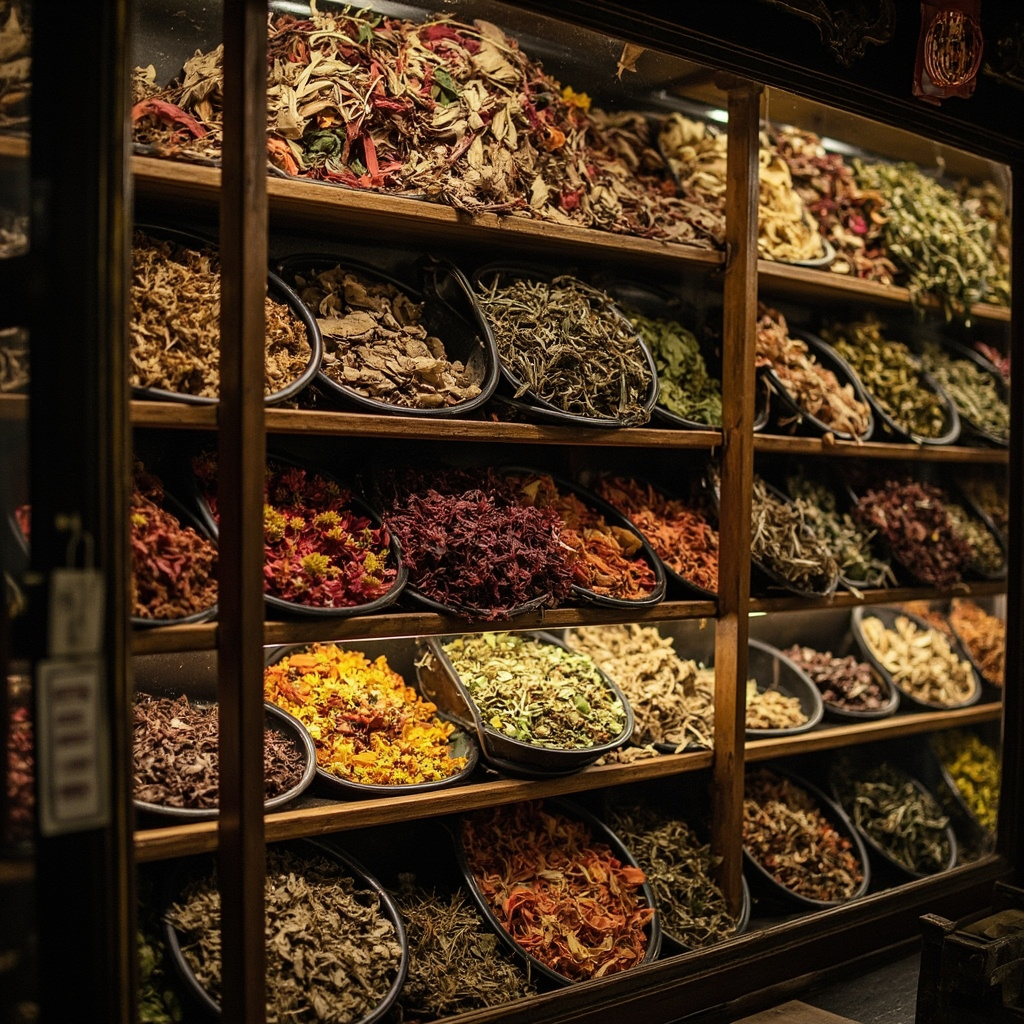
Several classical formulas feature plum blossom prominently. The most documented appear in Ming and Qing Dynasty sources:
Xun Mei Xiang – Plum Blossom Incense. A relatively simple blend focusing on the plum blossom as the primary material, supported by minor quantities of other florals and a light wood base. Designed for spring use when plum trees are blooming.
Chun Mei Xiang – Spring Plum Fragrance. A more complex blend incorporating plum blossom with early-spring materials like magnolia and a touch of aromatic herb. Popular during the Lantern Festival.
Modern Applications
Today, plum blossom incense is experiencing renewed interest among practitioners seeking alternatives to the heavily floral commercial incenses dominating the market. The subtlety and refinement of genuine plum blossom fragrance appeals to those who find most commercial products overpowering.
Modern practitioners use plum blossom in several ways:
Seasonal Blending – Creating spring blends that incorporate plum blossom alongside other early-blooming materials to capture the feeling of the season.
Minimalist Practice – Using very small quantities of plum blossom in simple two or three material blends to appreciate its subtlety.
Complementary Notes – Using plum blossom as a finishing note in larger blends to add brightness without overwhelming the base materials.
Related Articles
- Osmanthus (Guihua): The Fragrant Flower of Chinese Incense Culture
- The Big Four: Agarwood, Sandalwood, Ambergris, Musk
- Hexiang: The Chinese Art of Blended Incense
Frequently Asked Questions
What is the difference between meihua and meigui in Chinese incense?
Meihua (plum blossom, Prunus mume) and meigui (rose, Rosa species) are entirely different plants with distinct fragrances. Plum blossom has a light, clean, slightly tart floral scent associated with cold weather and refined elegance. Rose has a rich, heavy, sweet floral scent. Classical Chinese incense consistently distinguishes between these materials – using rose when a formula specifies plum blossom is considered an error in traditional practice.
Can I use fresh plum blossoms for incense?
Fresh plum blossoms do not preserve well and do not work well for burning. Traditional incense uses dried petals and flowers, dried through careful methods that preserve the aromatic compounds. Fresh flowers quickly lose their fragrance as they dry out and become brittle. Purchase properly prepared dried plum blossoms from reputable TCM or incense vendors for use in blends.
What other incense materials blend well with plum blossom?
Plum blossom works well with woody base materials that can carry its subtle fragrance without being overwhelmed. Indian sandalwood, agarwood, and Himalayan cedarwood are excellent choices. Avoid combining plum blossom with other heavy florals like jasmine or gardenia – the fragrances compete rather than complement. Plum blossom also pairs well with clean, sharp materials like selfheal and chrysanthemum for spring seasonal blends.