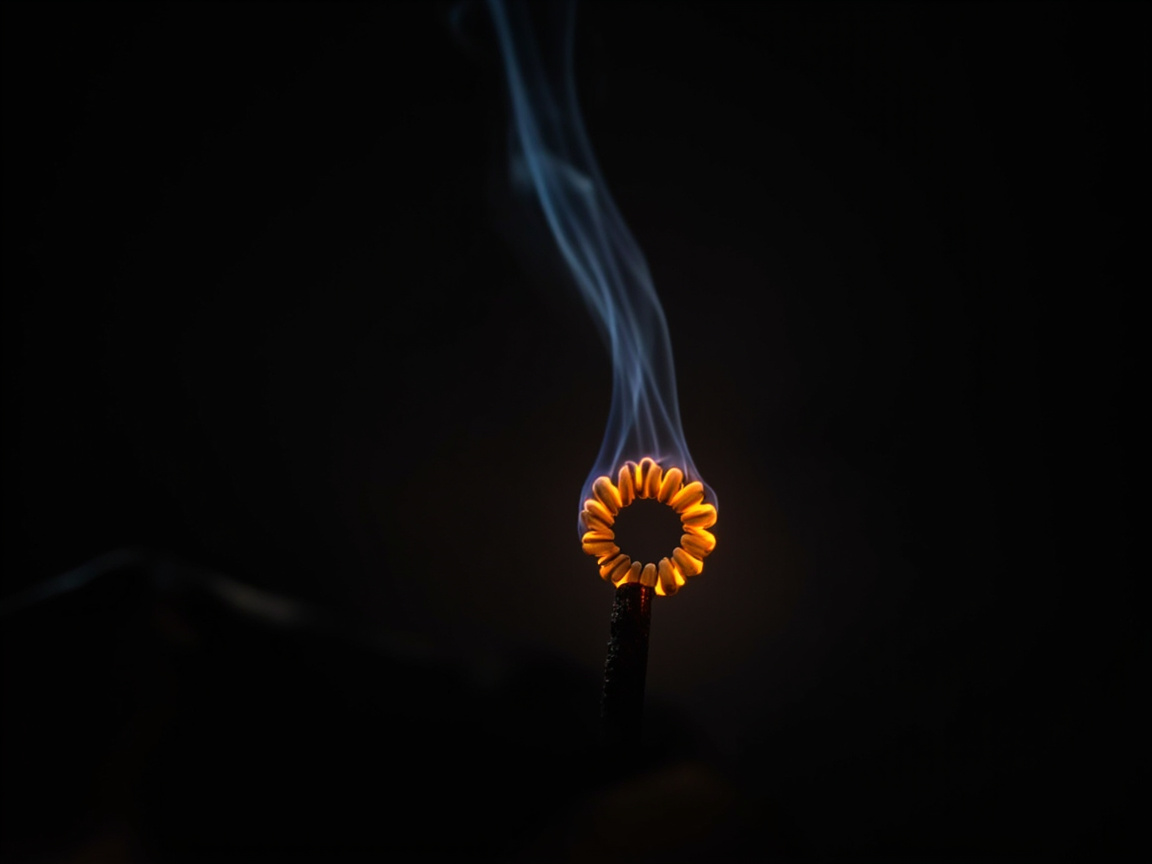
Every morning in the Forbidden City, the emperors of China burned incense. Not in the temples. Not in the gardens. In their private study, while they read. While they wrote. While they held their morning audiences. Incense in the palace was not ritual. It was infrastructure — as much a part of the room as the desk or the window.
This is 宫廷香, palace incense culture. And understanding it changes how you think about what Chinese incense actually is.
The Imperial Incense System
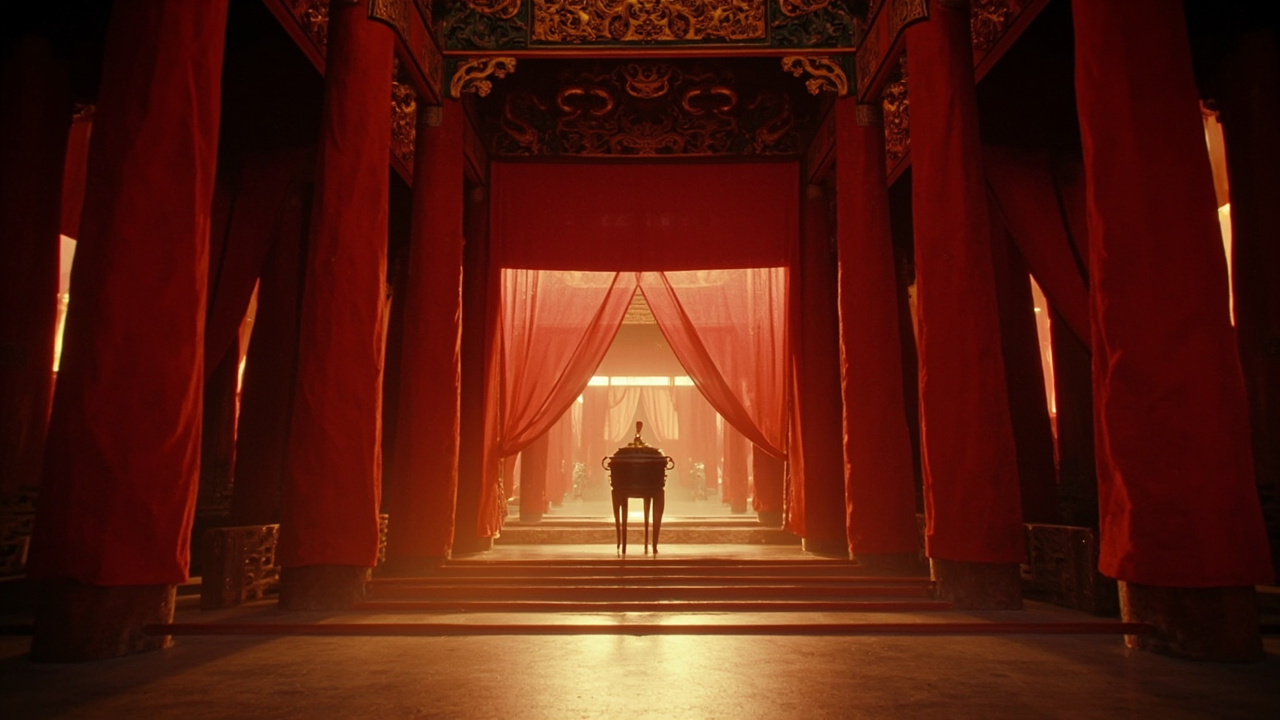
By the time of the Ming and Qing dynasties, the Chinese imperial household had a sophisticated incense culture. Specific formulas were prepared for specific purposes, specific times of day, and specific spaces within the palace.
The 内务府 (Imperial Household Department) employed专门的香匠 (incense craftsmen) who produced formulas exclusively for imperial use. Some of these formulas were kept secret. Others leaked out and became the classics we know today.
Famous Imperial Incense Formulas
鹅梨帐中香 (E Li Zhang Zhong Xiang)
Originally produced for Emperor Qianlong’s private chambers. The goose pear note gave it a fruity sweetness that was considered calming and appropriate for evening use. This formula eventually escaped the palace and became the most famous beginner blend in traditional Chinese incense.
皇帝御用香 (Imperial Emperor’s Blend)
A heavily guarded formula based on rare imported沉香 and 海南沉 (Hainan agarwood). The specific recipe varied by emperor — some preferred warmer blends, others cooler.
How Palace Incense Was Different
- Purity of materials: The palace had access to the finest materials in the world. Southeast Asian agarwood, Tibetan musk, Arabian frankincense — everything was the best available.
- Consistency: Imperial formulas were produced in batches. Each batch was tested for fragrance quality before use. This was more quality control than most people had access to until the 20th century.
- Functional specificity: Different formulas for morning (invigorating), afternoon (focused), and evening (calming). This is the origin of the Chinese idea that incense can be matched to the time of day and desired mental state.
What We Can Learn From Palace Culture
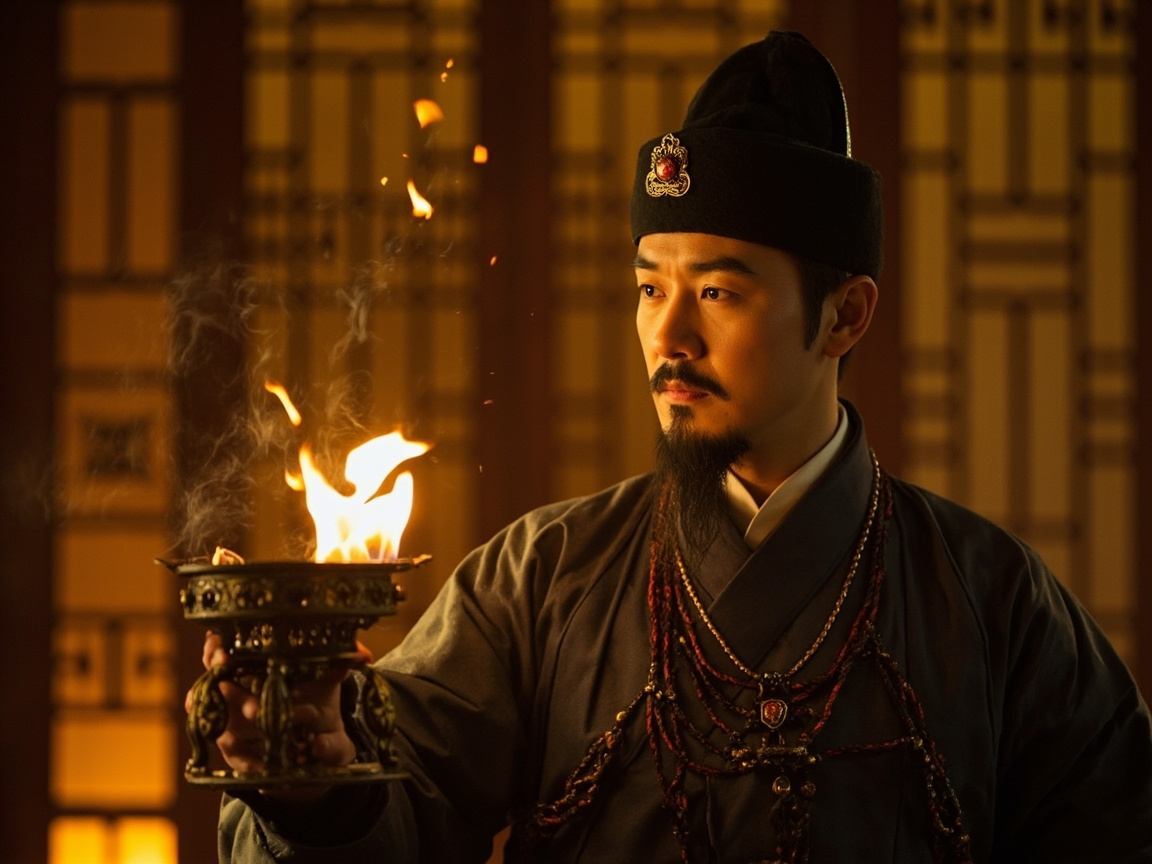
The palace system had one useful insight: incense is not one thing. The same material used at different temperatures, in different concentrations, at different times of day, produces different effects. This is why serious practitioners today use different blends for morning versus evening, for active practice versus passive enjoyment.
You do not need an imperial budget to apply this logic. You just need to pay attention to what you are burning, when, and how it makes you feel.