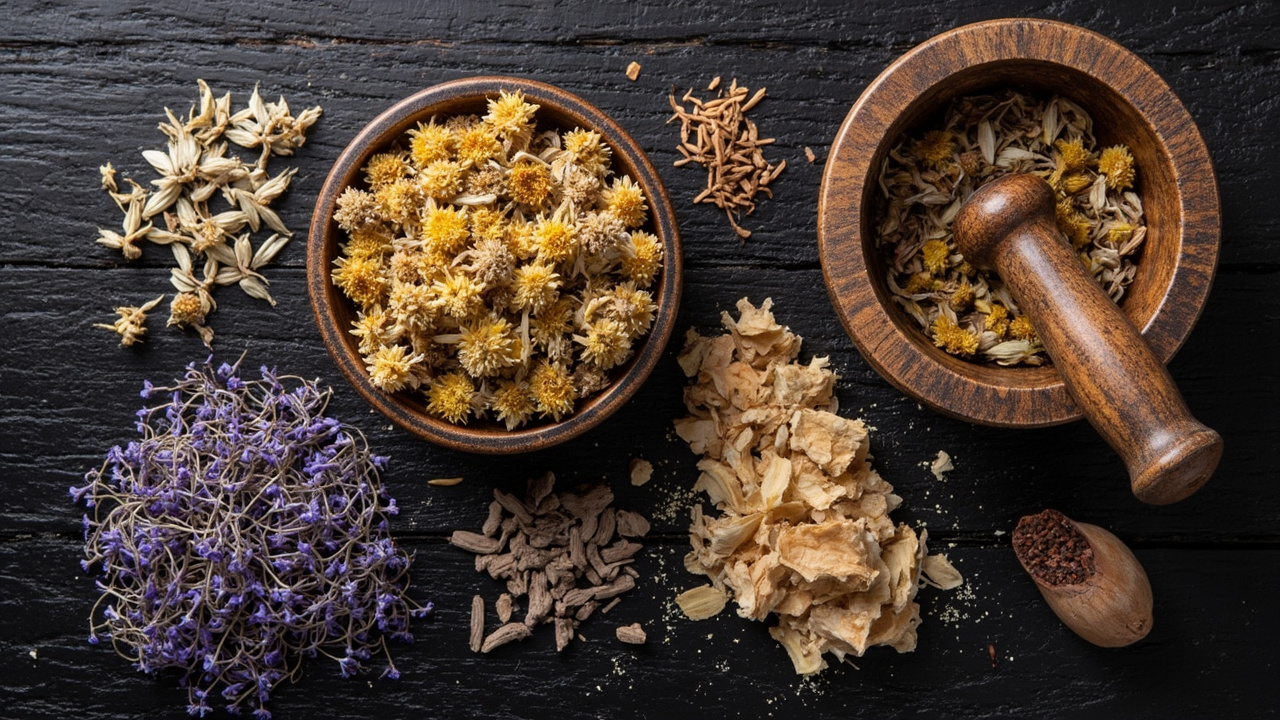
Mugwort (Ai Cao): The Ancient Chinese Herb for Warmth and Calm
In Chinese medicine, it is called 艾 (Ai). In English, it is mugwort. In Europe, it was used to flavor beer before hops. It grows everywhere. It has been used… Read more »
In Chinese medicine, it is called 艾 (Ai). In English, it is mugwort. In Europe, it was used to flavor beer before hops. It grows everywhere. It has been used… Read more »
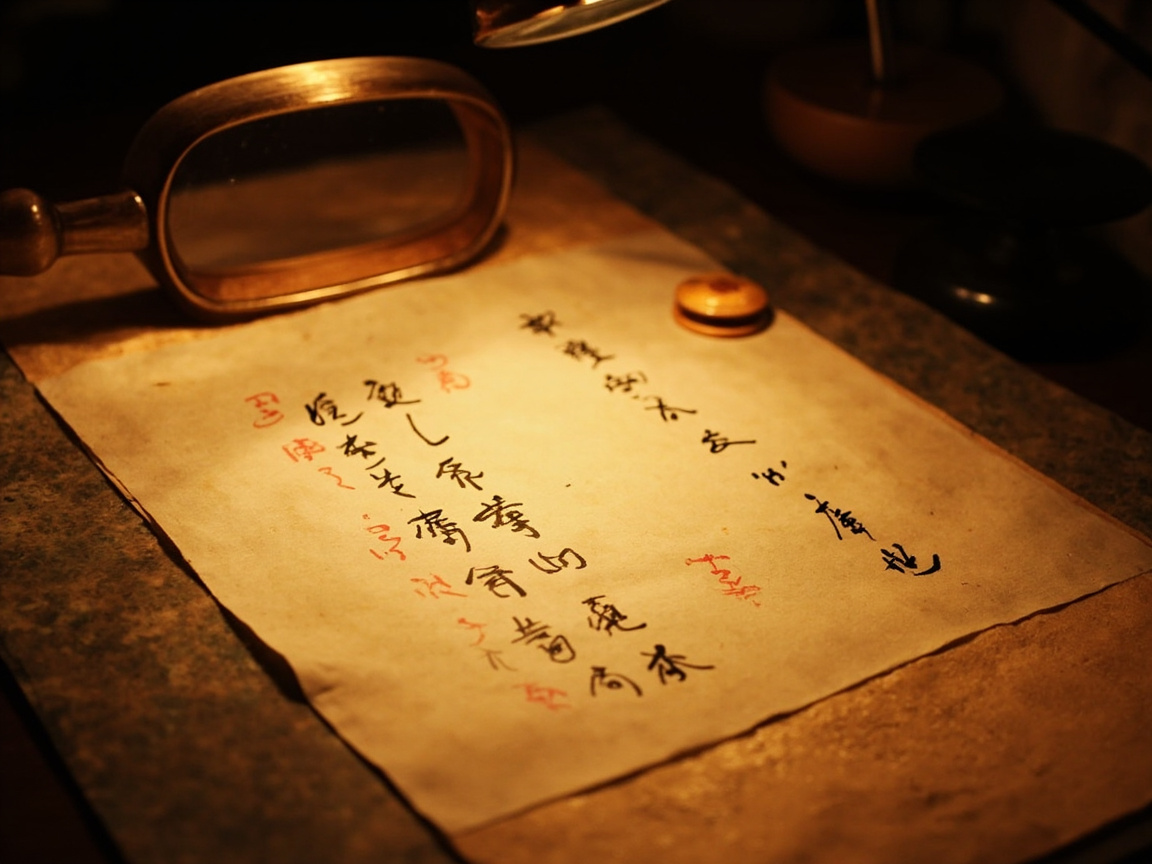
You see it in old paintings: a bronze or ceramic disk with intricate patterns carved into it, ash laid carefully within those patterns, and a thin line of smoke rising… Read more »
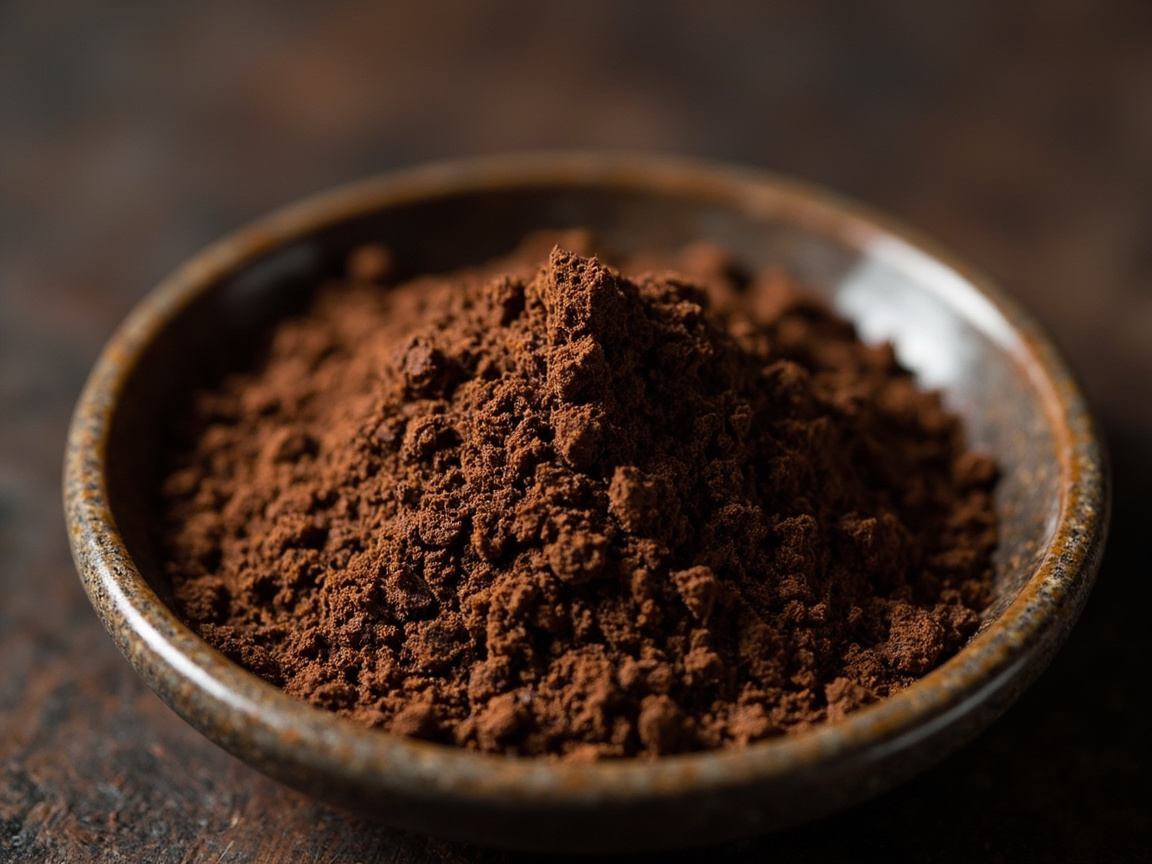
It smells like vanilla. Warm. Comforting. The kind of smell that makes you want to sit down and slow down. Benzoin — 安息香 (Anxixiang) in Chinese — is one of… Read more »
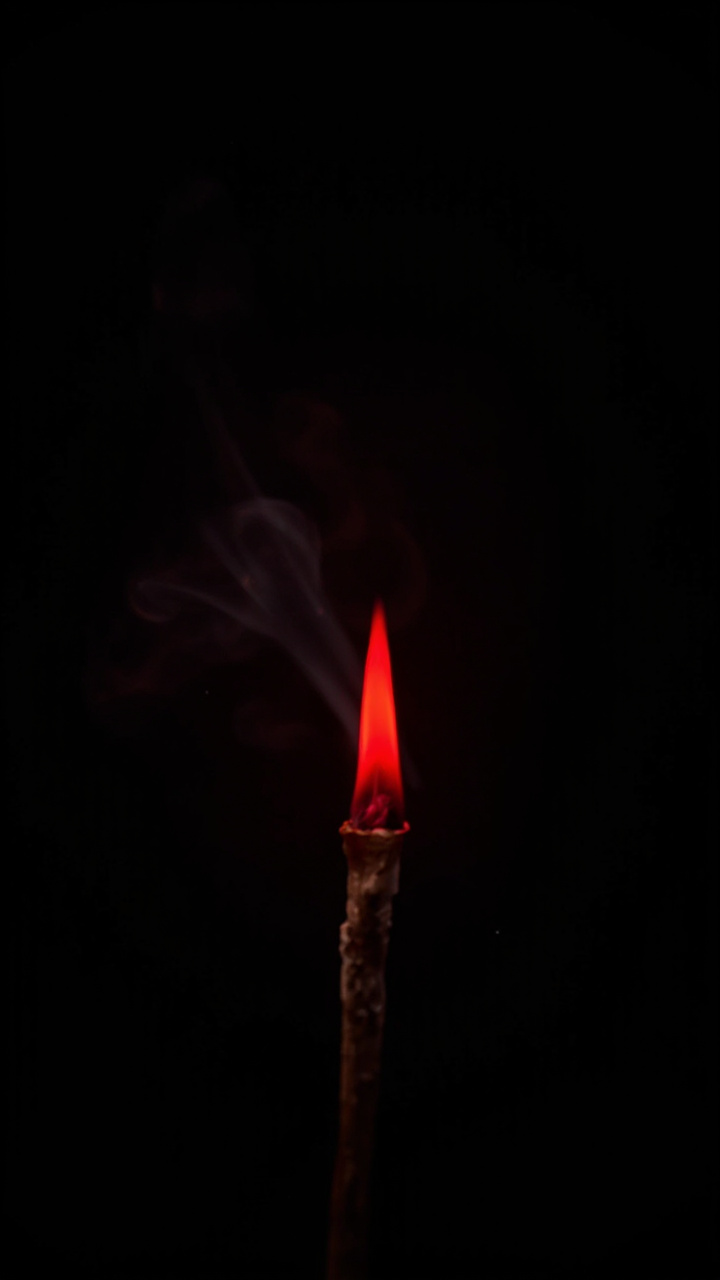
You have seen it in church. You have seen it in the hands of ancient Egyptian priests. You have seen it in the Quran, where it is named as one… Read more »
You paid $80 for a box of “沉香 chips.” The seller showed you the resin, the weight, the dark color. You brought it home, burned it, and it smelled like… Read more »
In Daoist practice, burning incense is not about making the room smell good. It is about establishing a communication channel between the physical and the spiritual. The smoke is the… Read more »
Every morning in the Forbidden City, the emperors of China burned incense. Not in the temples. Not in the gardens. In their private study, while they read. While they wrote…. Read more »
You have probably seen it in photos: a small ceramic or metal dish sitting above a flame, with fragrant material on top, and no visible smoke — just the faint… Read more »
Before there were sticks, before there were coils, before there were censers — there was powder. 香粉, incense powder, is the oldest human incense technology. The earliest evidence of incense… Read more »
There is a version of 灵虚香 that appears in the Lei Gong Pao Zhi, a text associated with Daoist ritual practice. And there is a version that circulated among scholar-officials… Read more »