E Li Zhang Zhong: The Goose Pear Chamber Incense of Song Dynasty
The story goes like this: the last ruler of the Southern Tang dynasty — Li Yu, the man who wrote poetry about his dead wife and his conquered kingdom —… Read more »
The story goes like this: the last ruler of the Southern Tang dynasty — Li Yu, the man who wrote poetry about his dead wife and his conquered kingdom —… Read more »
You sit down. You light a stick. Twenty minutes later, you have been staring at the smoke and thinking about nothing in particular. Your to-do list did not shrink. Your… Read more »
It washes up on a beach somewhere. It has been in the ocean for decades, sometimes centuries. It smells like nothing you have ever encountered — a strange, warm, animalic… Read more »
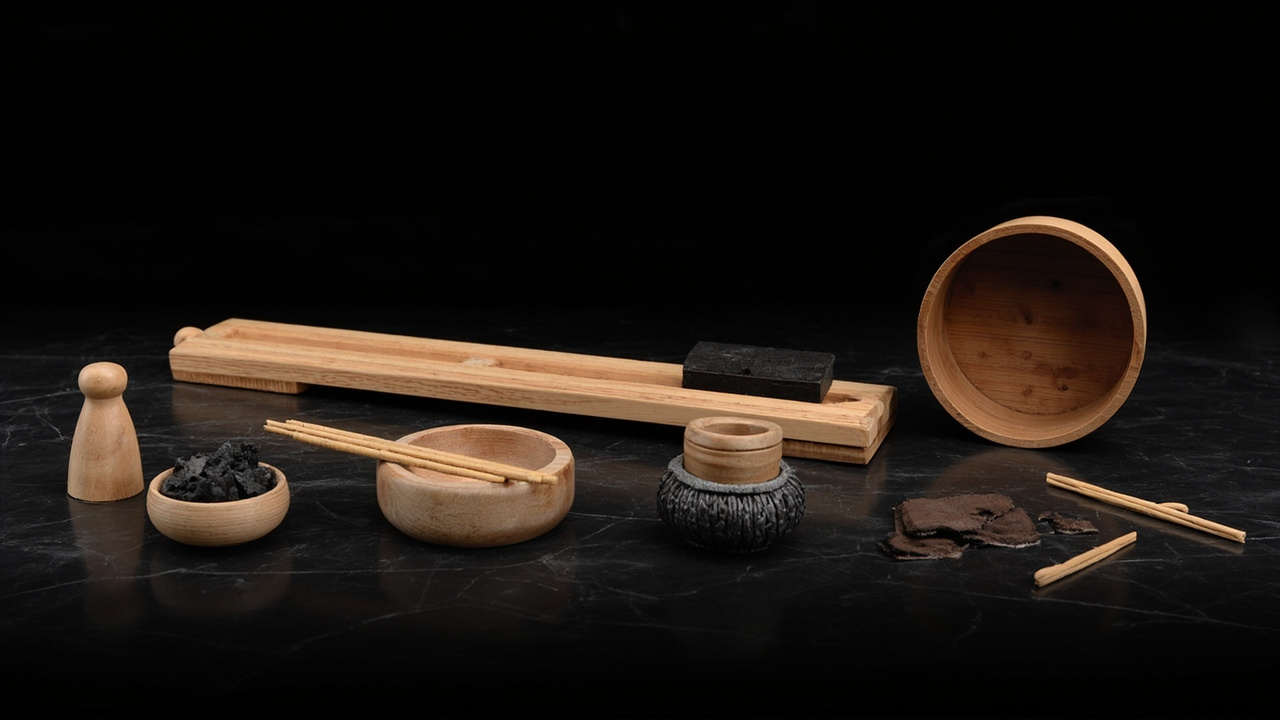
You do not need many incense burners. You need a few good ones. But the difference between a beginner with one cheap censer and a serious practitioner with a thoughtful… Read more »
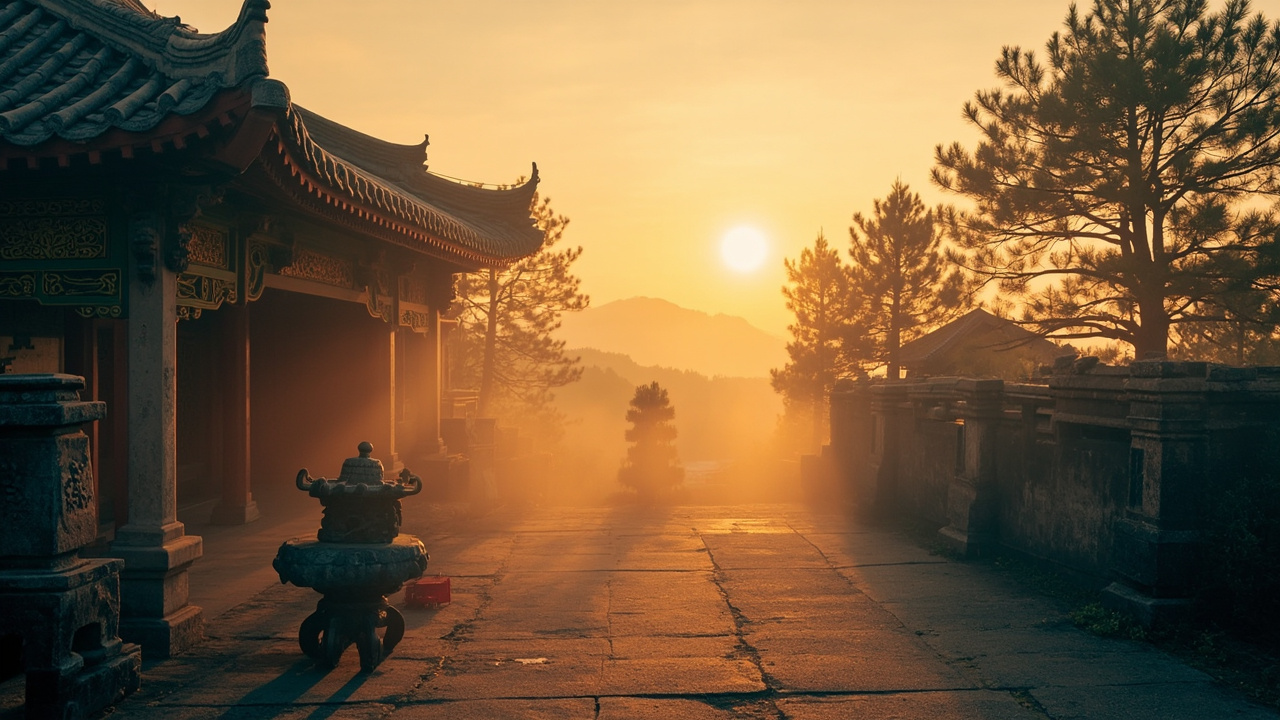
Walk into any Tibetan Buddhist monastery and you will smell it immediately: a distinctive blend of cedar, musk, and something sharp and medicinal. This is 藏香 (Zangxiang) — Tibetan incense…. Read more »
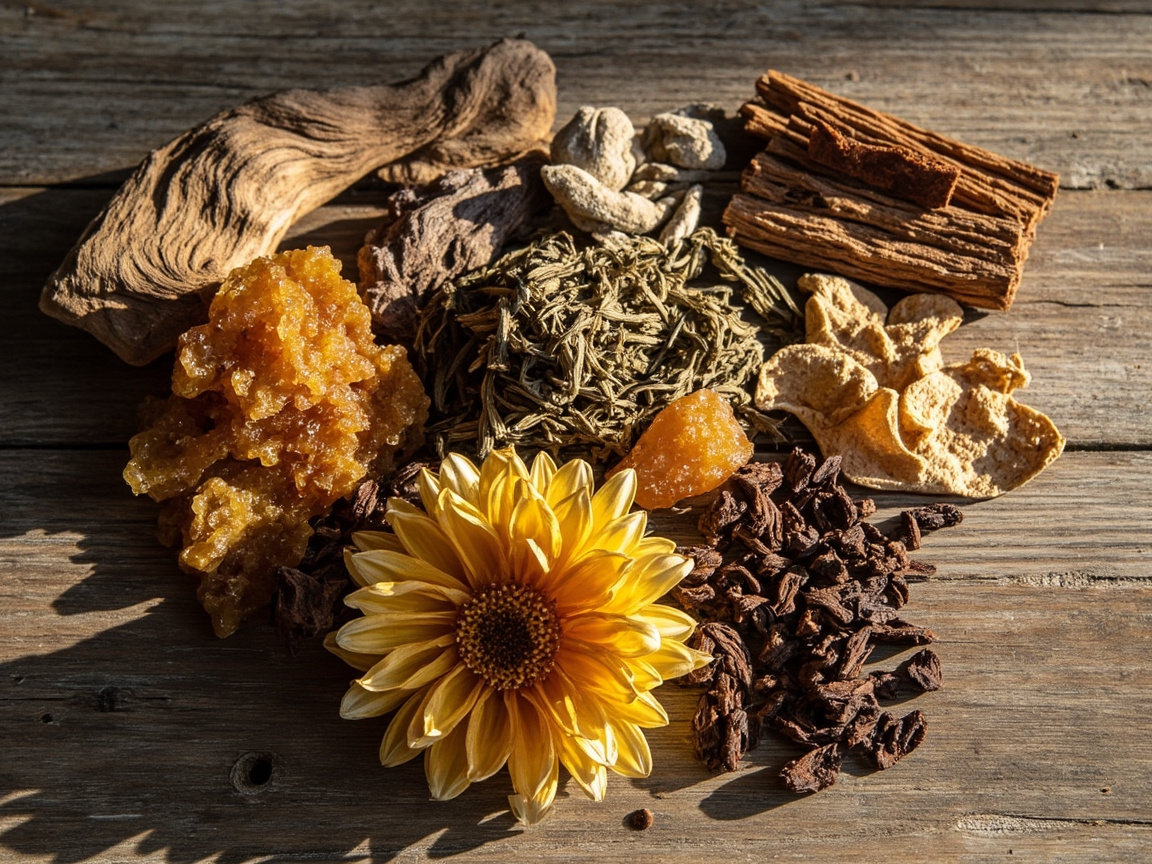
Cardamom — 豆蔻 (Doukou) in Chinese — is one of the most versatile spices in the world. It is also one of the oldest incense materials. In India, it has… Read more »
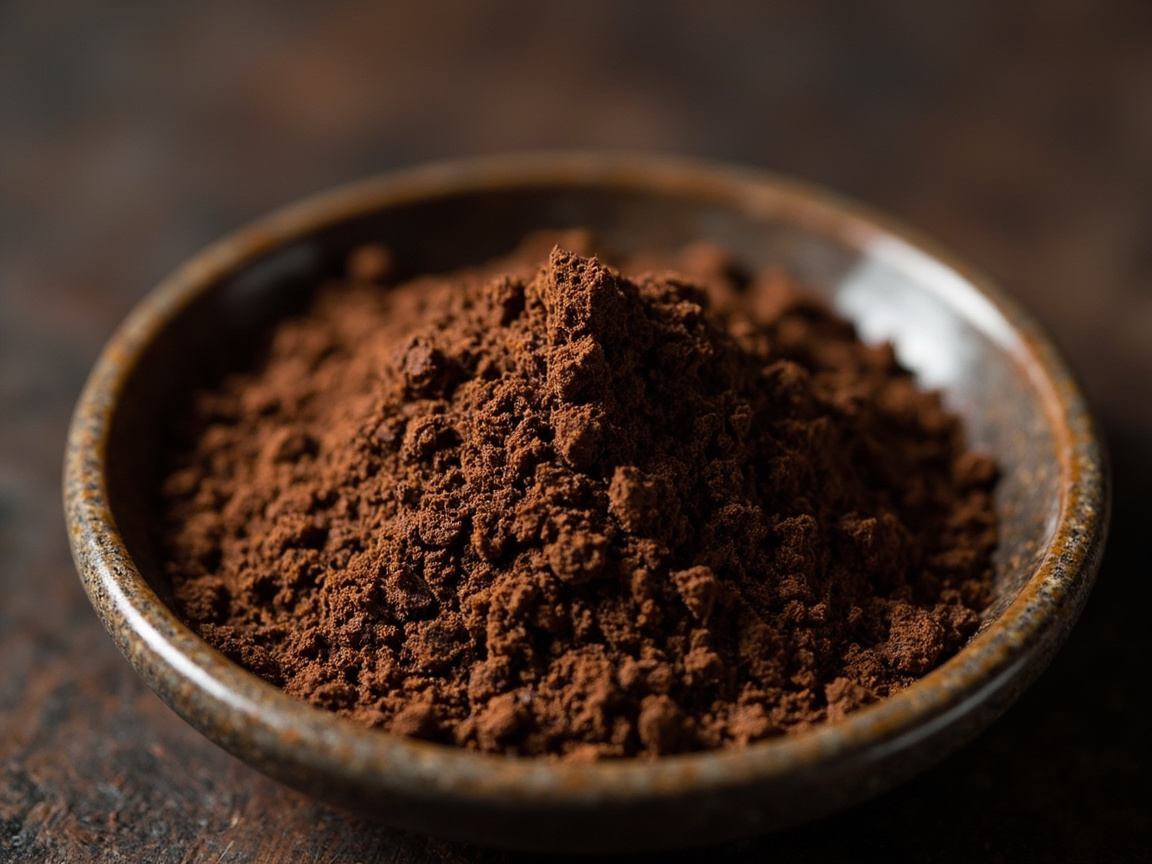
You see it in stable barns in winter. You see it in the hands of African healers. You see it in the Bible — one of the gifts for the… Read more »
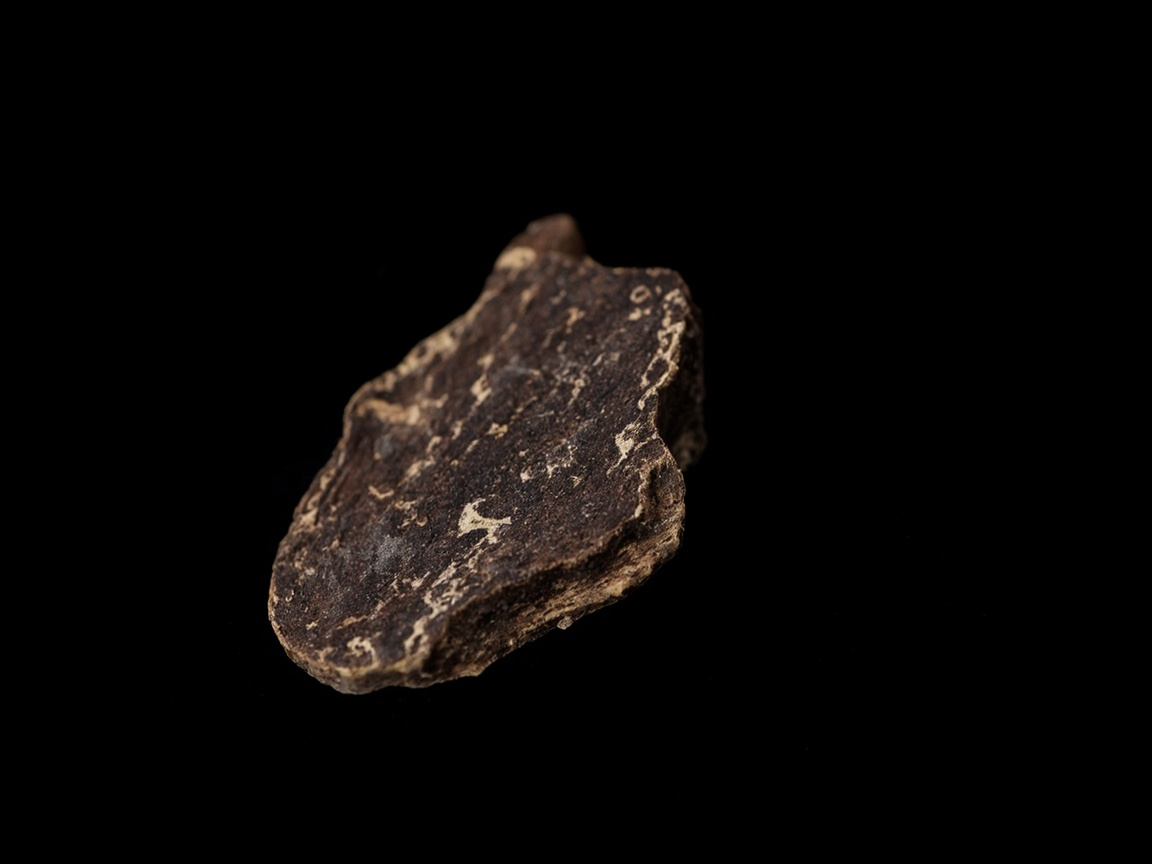
You have burned it. You have definitely burned sandalwood — even if you did not know what it was called at the time. That warm, creamy, slightly sweet smell that… Read more »
In Chinese medicine, 苍术 (Cang Zhu) is used to dry dampness and strengthen the spleen. In incense culture, it is used for something more specific: creating an atmosphere of clarity,… Read more »
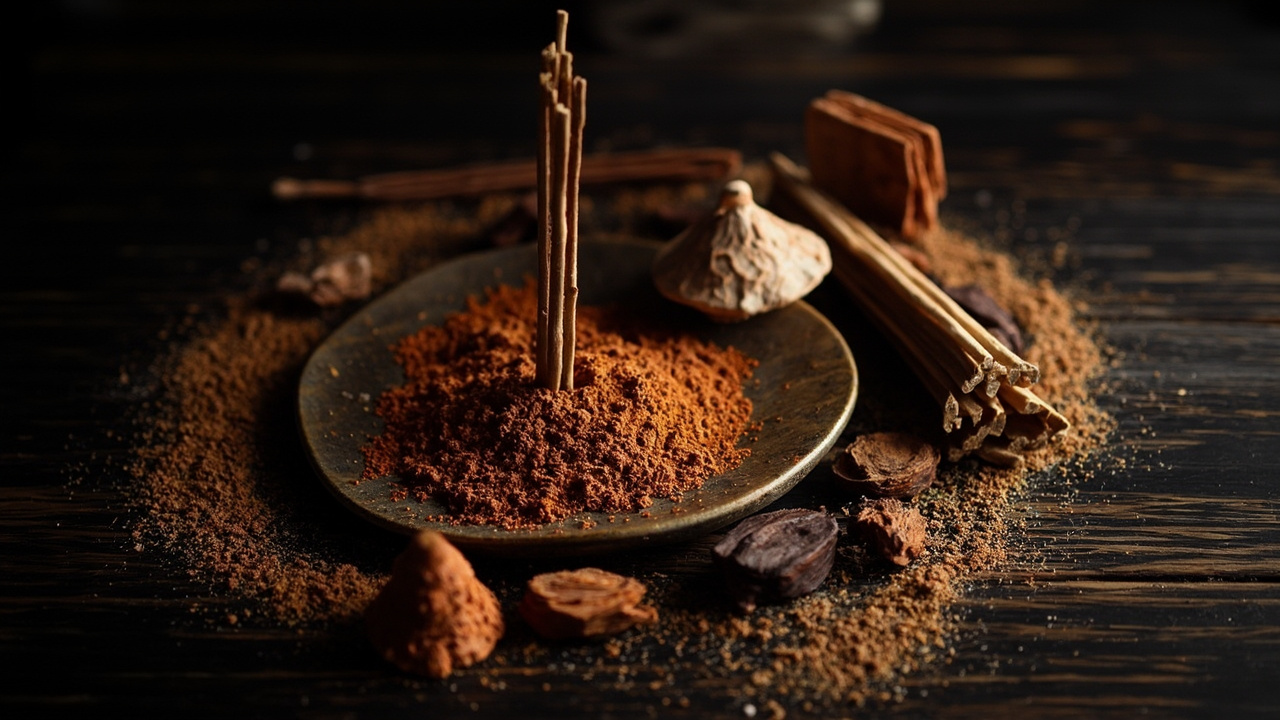
Among Chinese incense practitioners, there is a quiet debate that has been going on for centuries: which material deserves to be called the “second agarwood”? Some say 降真香 (Jiangzhen). Others… Read more »