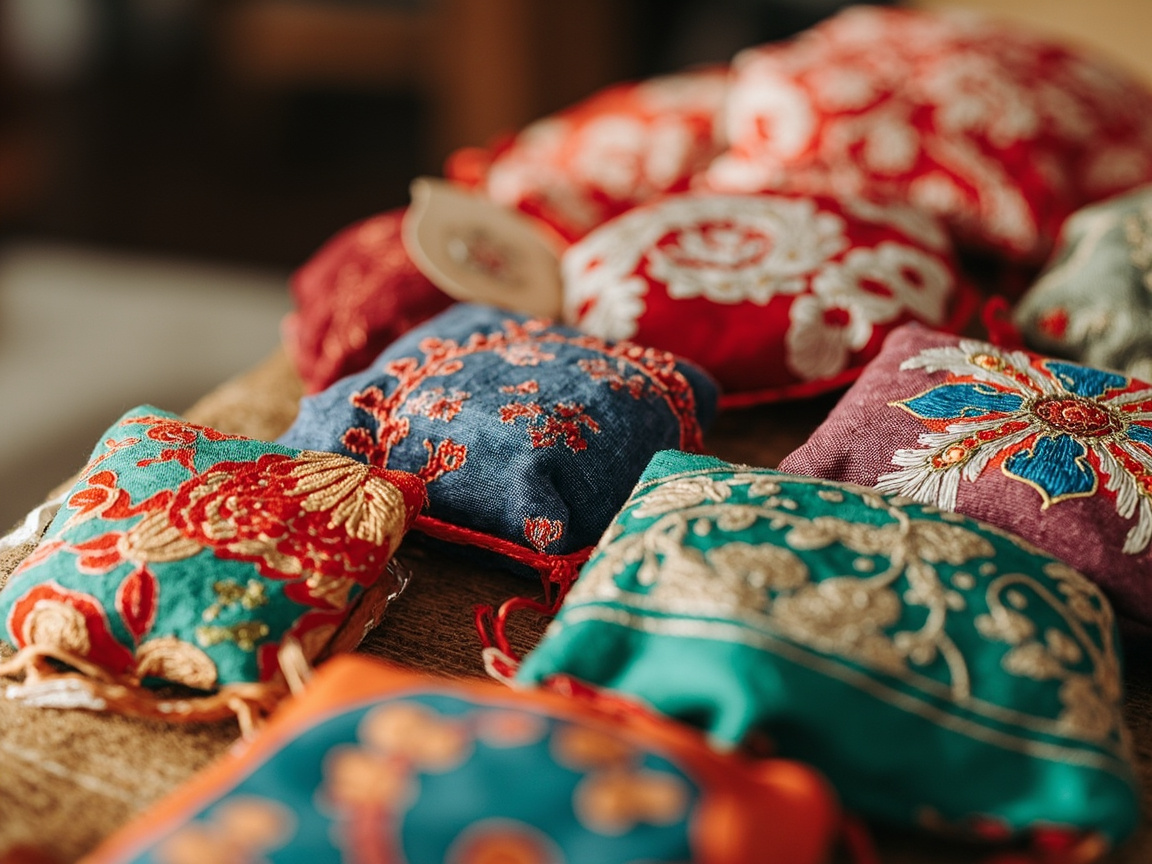
Not all Chinese incense requires burning. For thousands of years, Chinese practitioners have used aromatic materials without flame – in sachets, simmering pots, perfumes, and decorative forms. Non-burn incense is not a modern invention or Western adaptation. It is one of the oldest ways Chinese culture used fragrance. Here is the complete picture.
Sachets: The Original Portable Fragrance
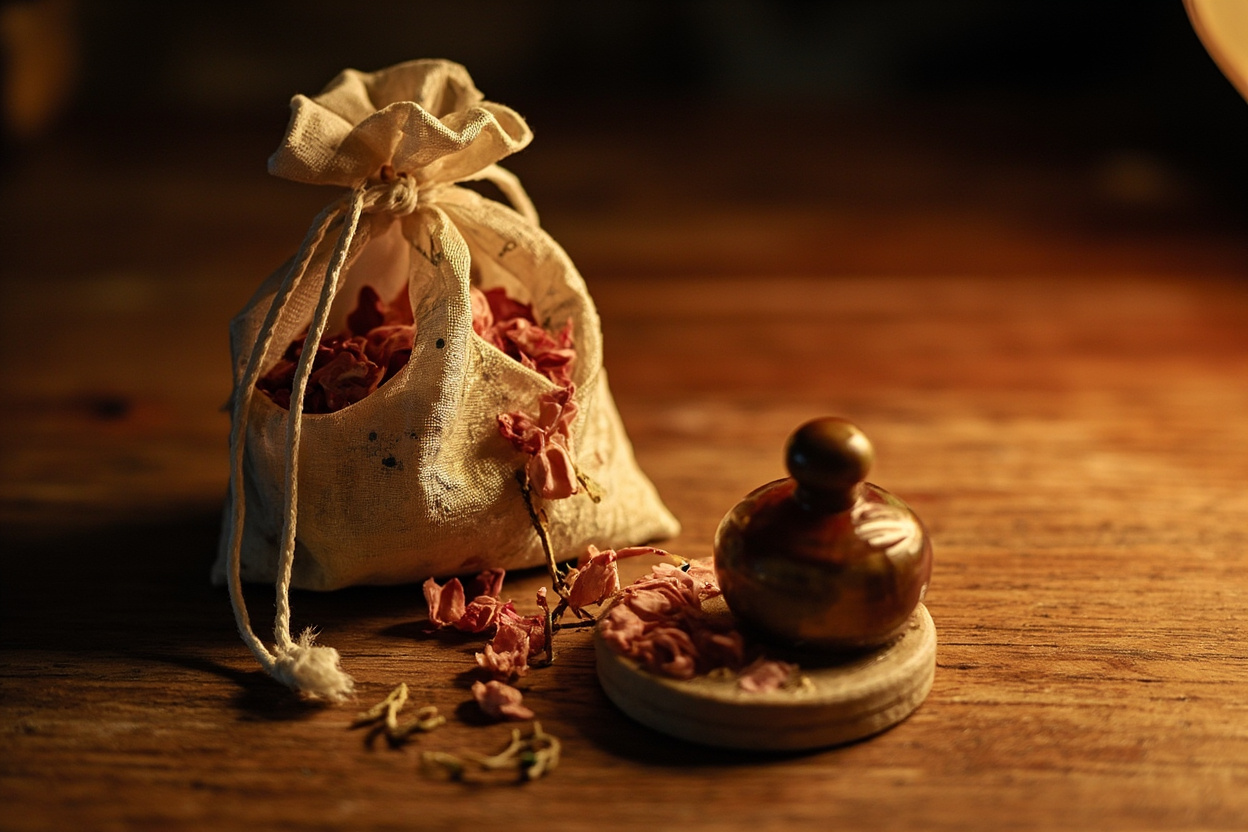
Xiangnang – scented sachets – are small fabric pouches filled with aromatic powdered herbs. They are worn on the body, carried in pockets or bags, or placed in rooms. The fragrance releases slowly as body heat or room temperature warms the herbs.
Sachets are documented in Chinese culture since at least the Han Dynasty. They served multiple purposes: fragrance, medicinal prophylaxis (certain herbs were believed to ward off illness or pestilence), and status display. The quality of your xiangnang signaled your social standing.
Aromatherapy and Simmering Pot Traditions
Chinese households have long used simmering pots – pots of water with aromatic herbs brought to a gentle simmer to release fragrance into living spaces. This method is older than most forms of burned incense and predates the use of charcoal for incense burning.
The simmering method provides controlled, sustained fragrance without smoke. It is particularly appropriate for indoor spaces where smoke is undesirable – children rooms, spaces with respiratory sensitivity, or locations with poor ventilation. The steam also adds humidity to dry environments.
Traditional Chinese Perfume: Solid and Liquid
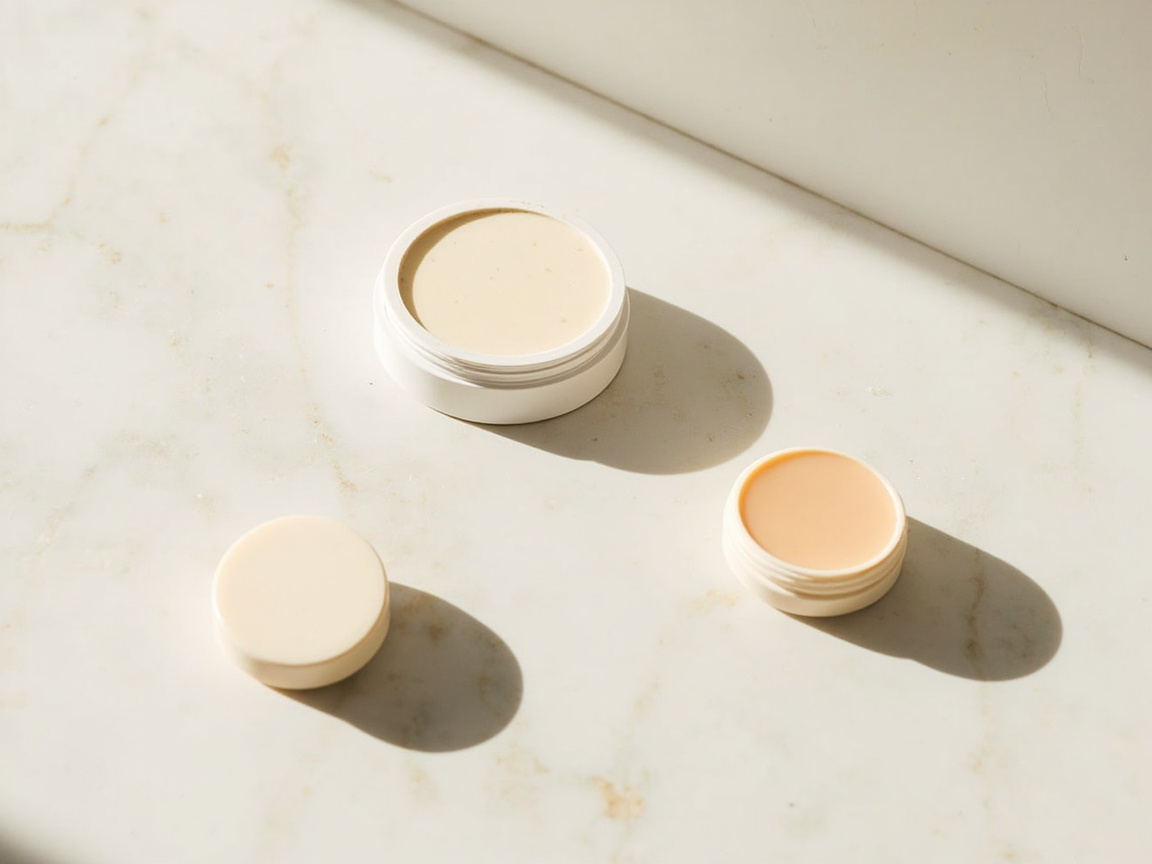
Traditional Chinese solid perfume was applied directly to skin and clothing. Unlike Western perfumes, which arrived in China in the 19th century, traditional Chinese perfume was always based on aromatic plant materials rather than distilled alcohol-based preparations.
The preparation methods for solid perfume paralleled medicinal incense paste – aromatic powders mixed with binders and fixed with materials that slowed evaporation. Solid perfume cases were often elaborate bronze, jade, or silver containers designed for portability and status display.
Wearing Incense: Sachets and Accessories
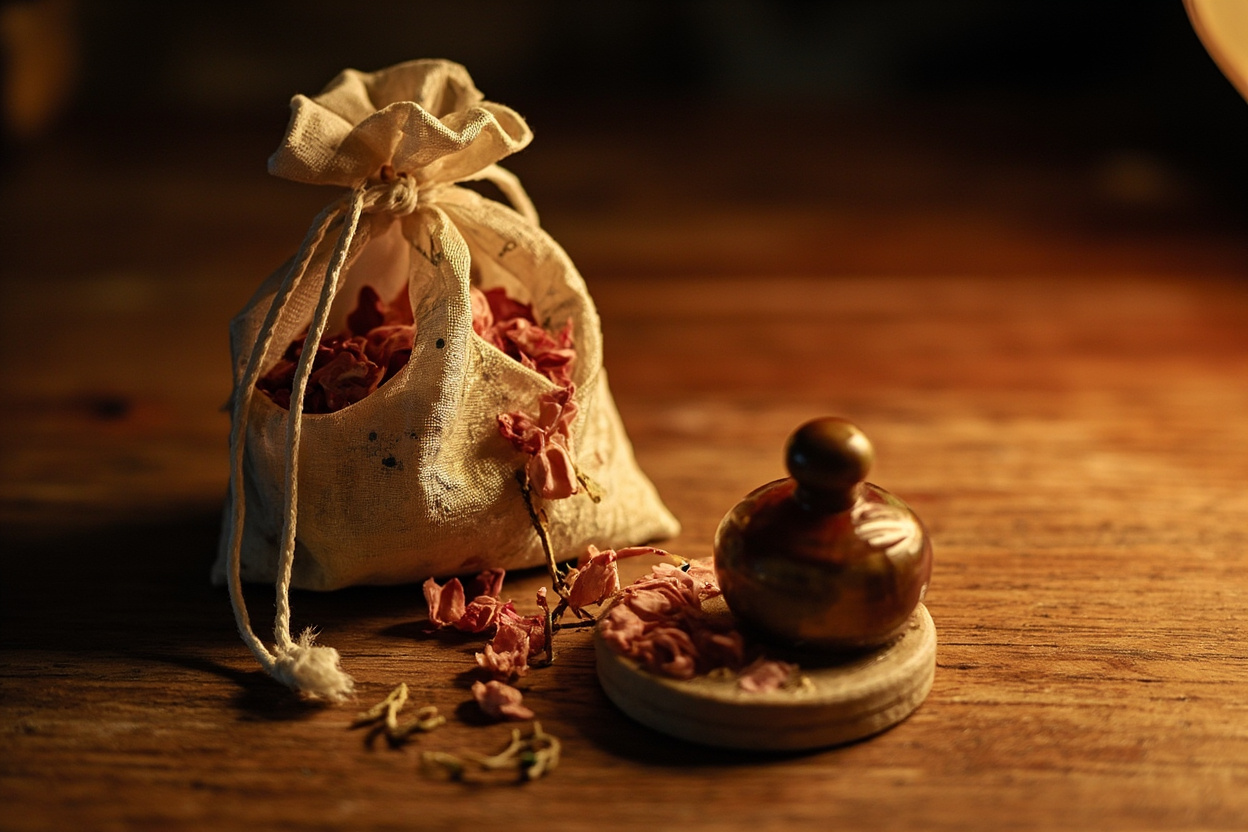
Beyond fabric sachets, Chinese culture developed decorative wearable forms:
Xiangxi – Ornamental incense accessories worn as jewelry. These might be small pendants containing aromatic resin or powder, designed to be worn close to the body. The warmth from skin contact slowly releases fragrance.
Fragrant Hair Accessories – Hairpins and hair ornaments containing small amounts of aromatic material. Popular among court women in Tang and Song Dynasty documentation.
Room Fragrance: Potpourri and Decorative Forms

Decorative aromatic objects have a long Chinese tradition. Dried flowers, spices, and aromatic chips were displayed in openwork containers that allowed fragrance to diffuse while presenting an attractive visual arrangement. These served the same function as modern potpourri while using higher-quality aromatic materials.
Some decorative forms were specifically crafted for fragrance display – carved aromatic wood pieces, shaped aromatic clay, and woven aromatic reed arrangements. These were often given as gifts and displayed in scholar studios and women quarters.
Modern Applications of Non-Burn Incense

Modern practitioners who prefer non-burn methods have several options:
Sachets – Make or purchase fabric sachets filled with quality aromatic materials. Replace the filling every 3-6 months or when fragrance diminishes.
Aromatherapy Diffusers – While not traditional Chinese, electric diffusers using true aromatic materials work well for room fragrance. Avoid synthetic fragrance oils.
Simmering Pot – Simmer aromatic herbs and chips in water on low heat. Monitor to prevent burning dry.
When to Choose Non-Burn Over Burned Incense
Non-burn methods suit specific situations where burned incense is impractical:
- Spaces where smoke creates problems – smoke detectors, small rooms, spaces with ventilation restrictions
- Households with children, pets, or individuals with respiratory sensitivity
- Situations requiring subtle, consistent background fragrance rather than focused attention
- Long-duration fragrance needs where burned incense would require relighting
- When you want the benefits of aromatic materials without fire safety concerns
Related Articles
- Wearable Incense Guide: Sachets, Perfume & Traditional Chinese Scents
- Incense Paste & Gel: Traditional Semi-Solid Incense Forms
- Home Fragrance Guide: Using Incense in Modern Spaces
Frequently Asked Questions
What is the difference between non-burn incense and aromatherapy?
Non-burn incense uses the same aromatic materials as burned incense – agarwood, sandalwood, herbs, resins – but without combustion. Aromatherapy typically refers to modern Western essential oil practices. Both release aromatic compounds, but the methods, traditional context, and material quality standards differ. Traditional non-burn incense uses specific materials selected and prepared according to classical Chinese formulas, while aromatherapy uses essential oils extracted from various plants, many not used in traditional Chinese incense contexts.
Do sachets really work for fragrance?
Yes, sachets provide genuine fragrance release. The aromatic compounds in powdered herbs volatilize at room temperature, creating perceptible fragrance over weeks to months depending on the material quality and storage conditions. High-quality aromatic materials in sachets produce noticeable, genuine fragrance. Sachets filled with sawdust soaked in synthetic fragrance oils are not true sachets and produce only weak, short-lived scent.
How long do non-burn incense methods last?
Sachets typically remain fragrant for 1-3 months depending on material quality and storage conditions. Simmering pot preparations can be reheated multiple times over several days. Solid perfumes last 1-2 years if stored properly. Unlike burned incense, which provides short intense sessions, non-burn methods provide continuous low-level fragrance suitable for ambient scenting rather than focused practice.