
There is a version of 灵虚香 that appears in the Lei Gong Pao Zhi, a text associated with Daoist ritual practice. And there is a version that circulated among scholar-officials who borrowed Daoist concepts for their intellectual incense culture. Both are real. Neither is definitive.
This ambiguity is actually part of the appeal. 灵虚香 — the “Numinous Void” incense — is the incense formula most associated with Daoist internal cultivation practice. Understanding it means understanding how incense became a tool for transformation, not just pleasure.
The Daoist Theory Behind 灵虚
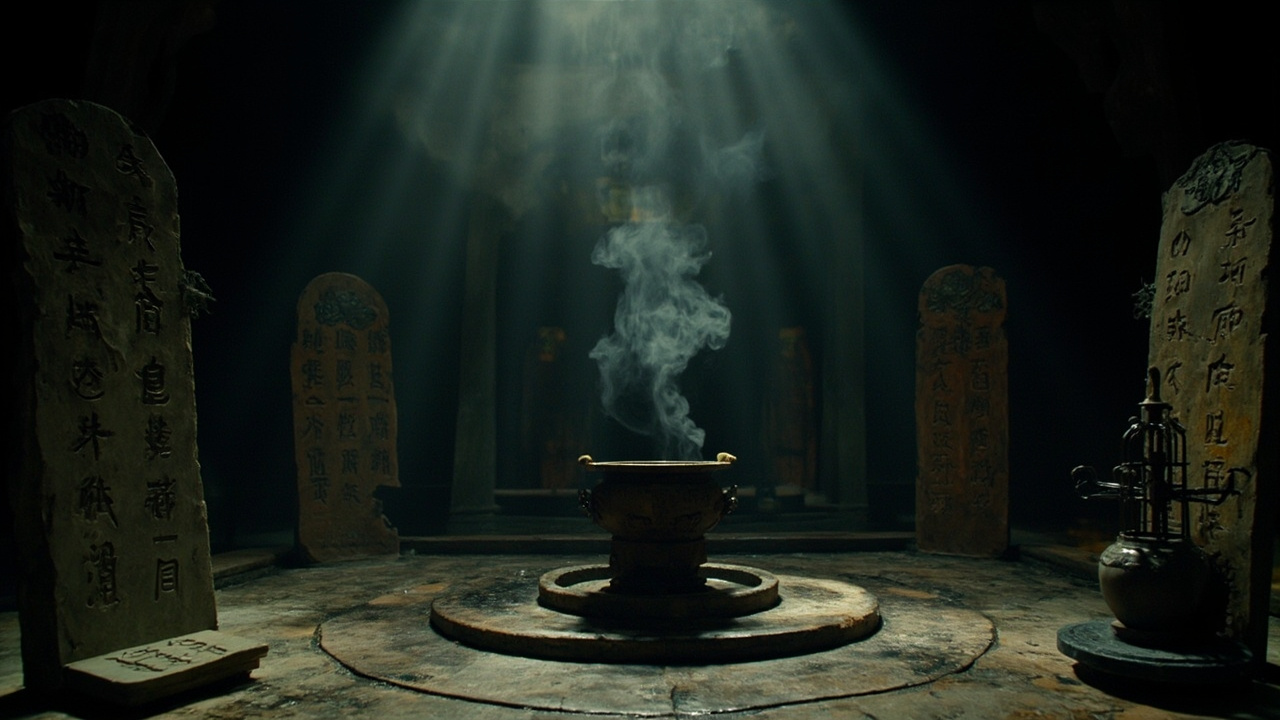
In Daoist cosmology, 灵虚 (Numinous Void) is the state before creation — the empty potential from which all things arise. This is not “nothingness” in the Western sense. It is more like the fertile silence before a decision, or the stillness in a room just before music starts.
An incense called 灵虚香 is trying to evoke that state: spacious, contemplative, neither warm nor cold, with an almost paradoxical quality of being both empty and full.
The Ingredients
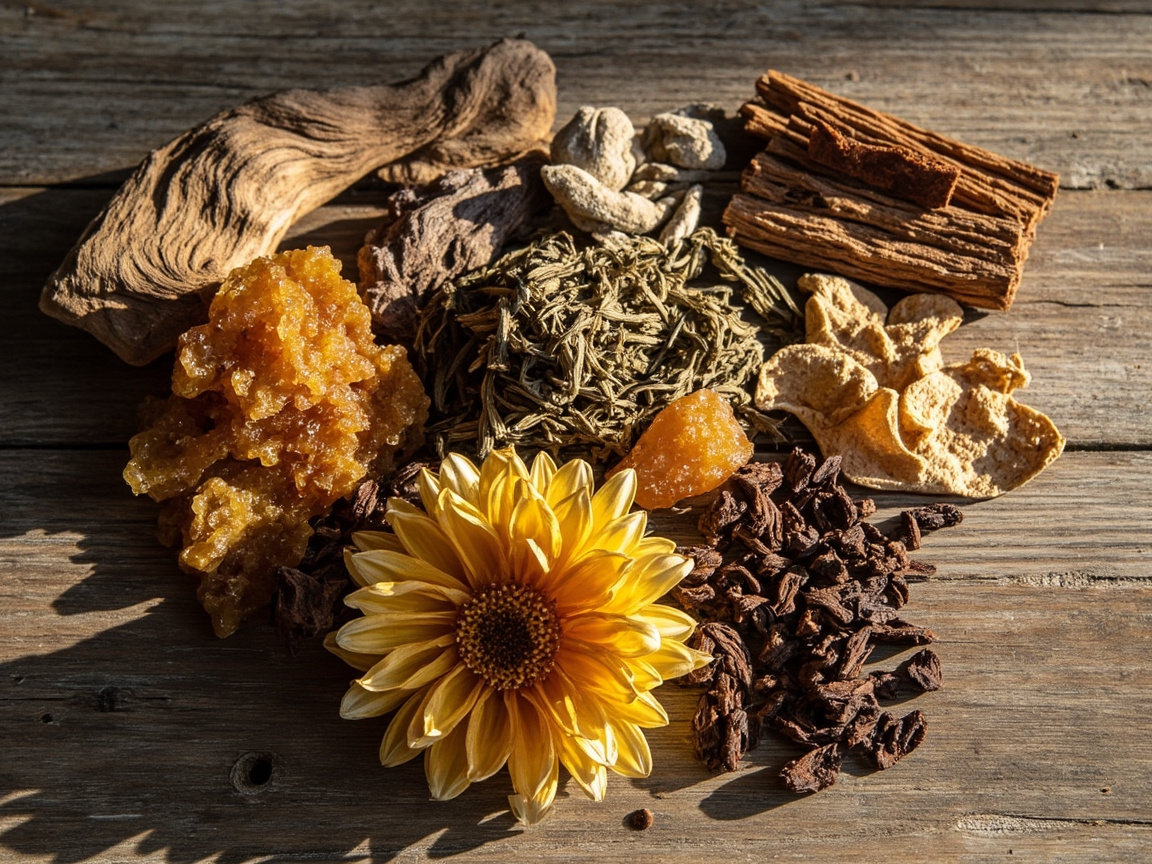
The Daoist versions tend to be minimal — using fewer ingredients but in larger quantities, with heavy emphasis on long-burning base materials that create a stable, evolving fragrance field rather than distinct notes.
- 沉香 (Agarwood) — aged, high grade, for depth and duration
- 檀香 (Sandalwood) — for the warmth that makes the space feel inhabited
- 乳香 (Frankincense) — for the resinous, slightly medicinal “purifying” note
- 没药 (Myrrh) — in small amounts, for the earthiness
- 甘松 (Nardostachys) — for the distinctive slightly bitter, cooling quality
How to Practice With 灵虚香
This is one incense where the practice matters as much as the formula. Daoist incense practice is typically done in three stages:
- Purification: Burn the incense and let it fill the space. Do not try to do anything else. Walk around in it for 5-10 minutes. Let the ordinary smell of the room dissolve.
- Sitting: Sit in your practice space. Bring your attention to the smell itself — not what it reminds you of, not what you think about it. Just the smell. When your mind wanders, return to the smell.
- Integration: After 20-30 minutes, let the incense burn down. Do not immediately light another. Sit with the residual fragrance for another 10 minutes in silence.
灵虚香 FAQ
Is this religious?
The practice is borrowed from Daoist ritual, but you do not need to believe anything to practice it. The mechanism is attention training, not faith.
What if I cannot find all the ingredients?
Use what you have. The formula is a guide, not a specification. Even agarwood alone, burned properly on low heat, can be a valid 灵虚香 practice.