The Last Emperor Who Loved Flowers More Than Power
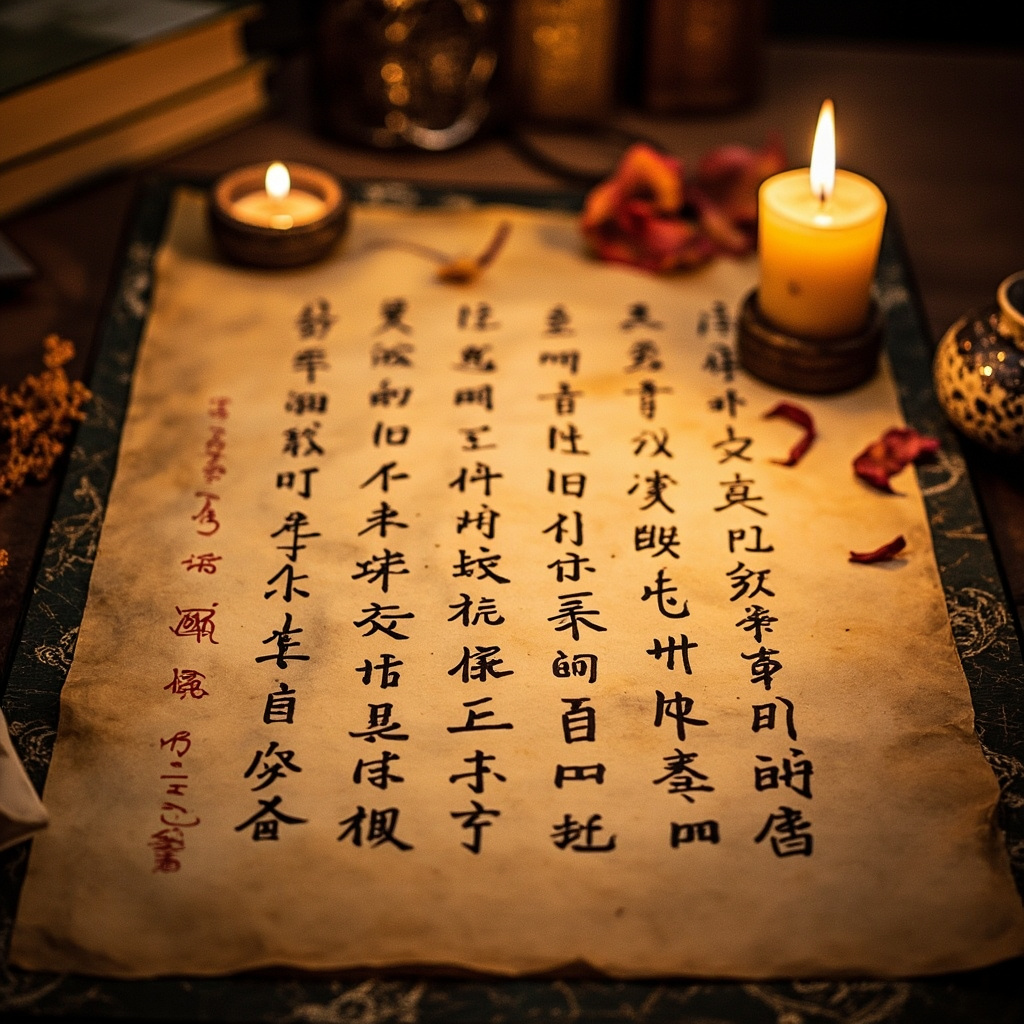
You’ve probably heard of Li Yu, the last emperor of the Southern Tang Dynasty. He’s known for two things: being a terrible ruler who lost his empire, and being one of China’s greatest poets.
But here’s something less known: he was also obsessed with incense. And specifically, flower-based incense. While other emperors burned woody, resinous blends, Li Yu went his own way — literally drenching agarwood in flower essences until the wood absorbed the fragrance.
The result was Li Zhu Hua Jin — “Li Lord’s Flower-Soaked Agarwood.” And it’s still made today, nearly a thousand years later.
The Man Behind the Formula
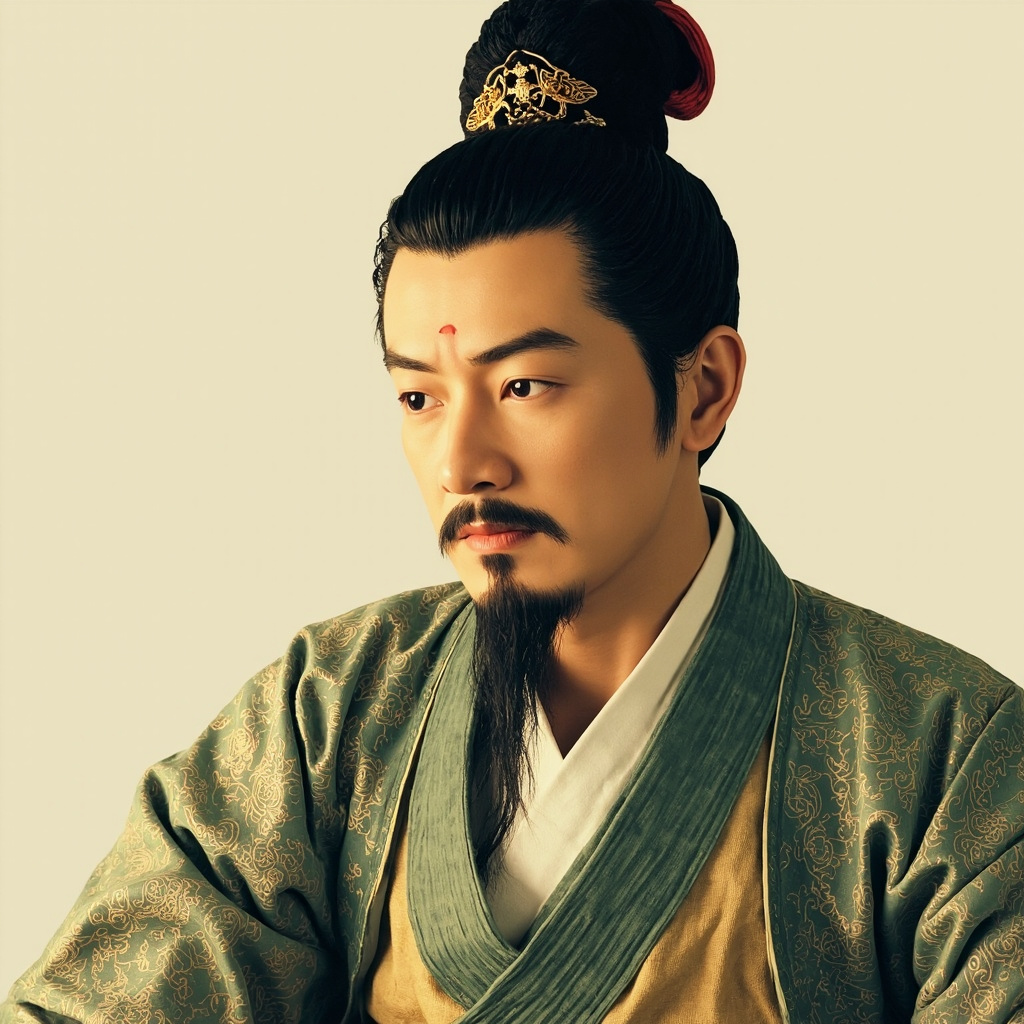
Li Yu (李煜, 937-978) was the last emperor of Southern Tang, ruling during one of China’s most cultured and peaceful periods — at least until the Song Dynasty came knocking.
He’s been called many things: poet, musician, painter, calligrapher. Also: terrible administrator, politically naive, not remotely suited for the throne. All probably true.
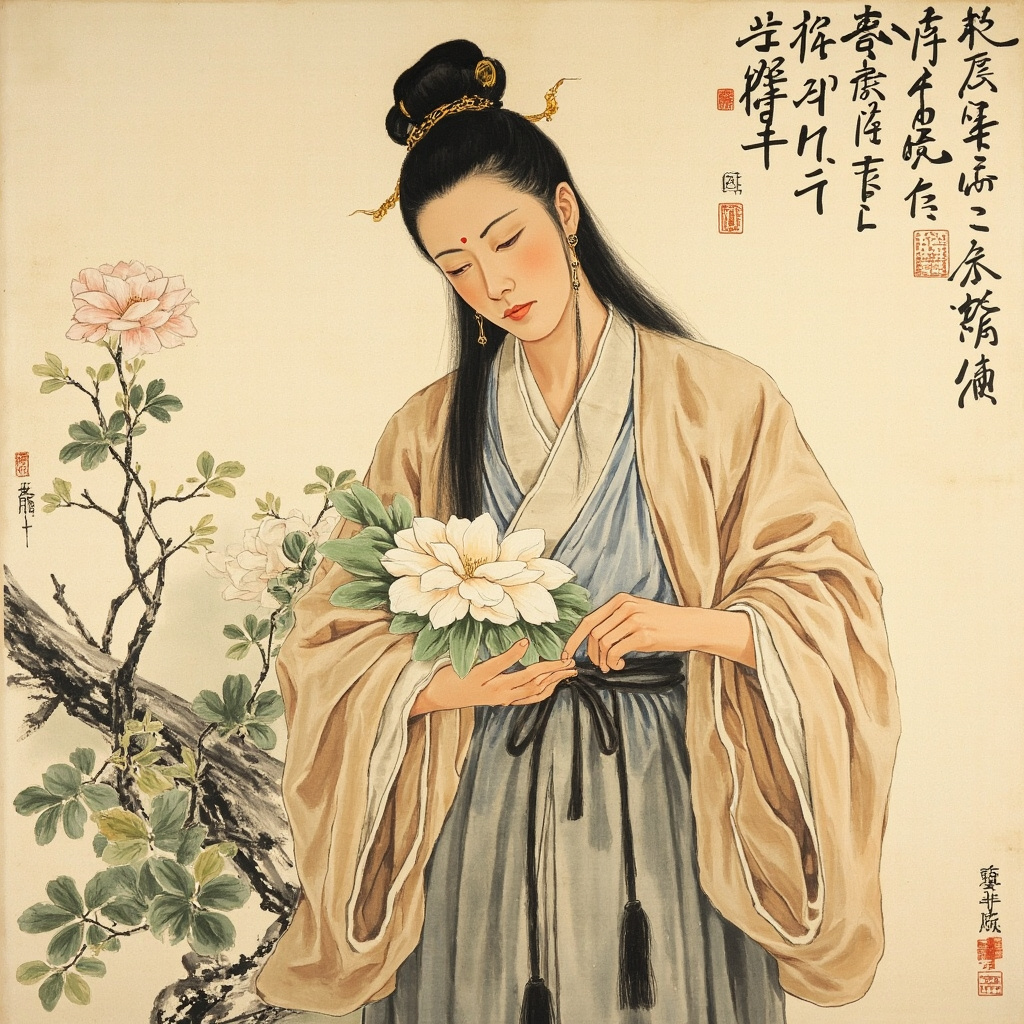
But here’s the thing about Li Yu: he was genuinely, authentically devoted to beauty, art, and the finer things. While his court was busy with politics, Li Yu was in his palace gardens, writing poetry, composing music, and apparently, developing incense formulas.
The Flower-Soaked Agarwood was his signature creation. And it shows something important about his character — he wasn’t interested in power or politics. He was interested in presence, in beauty, in capturing ephemeral moments.
What Makes Li Zhu Hua Jin Different
Most traditional Chinese incense is made by blending materials together. Ground ingredients, mixed ratios, formed into sticks or pellets. The result is a combination of scents.
Li Zhu Hua Jin is different. Instead of mixing, Li Yu’s method was imbibition — soaking agarwood in flower essence repeatedly until the wood became saturated with fragrance.
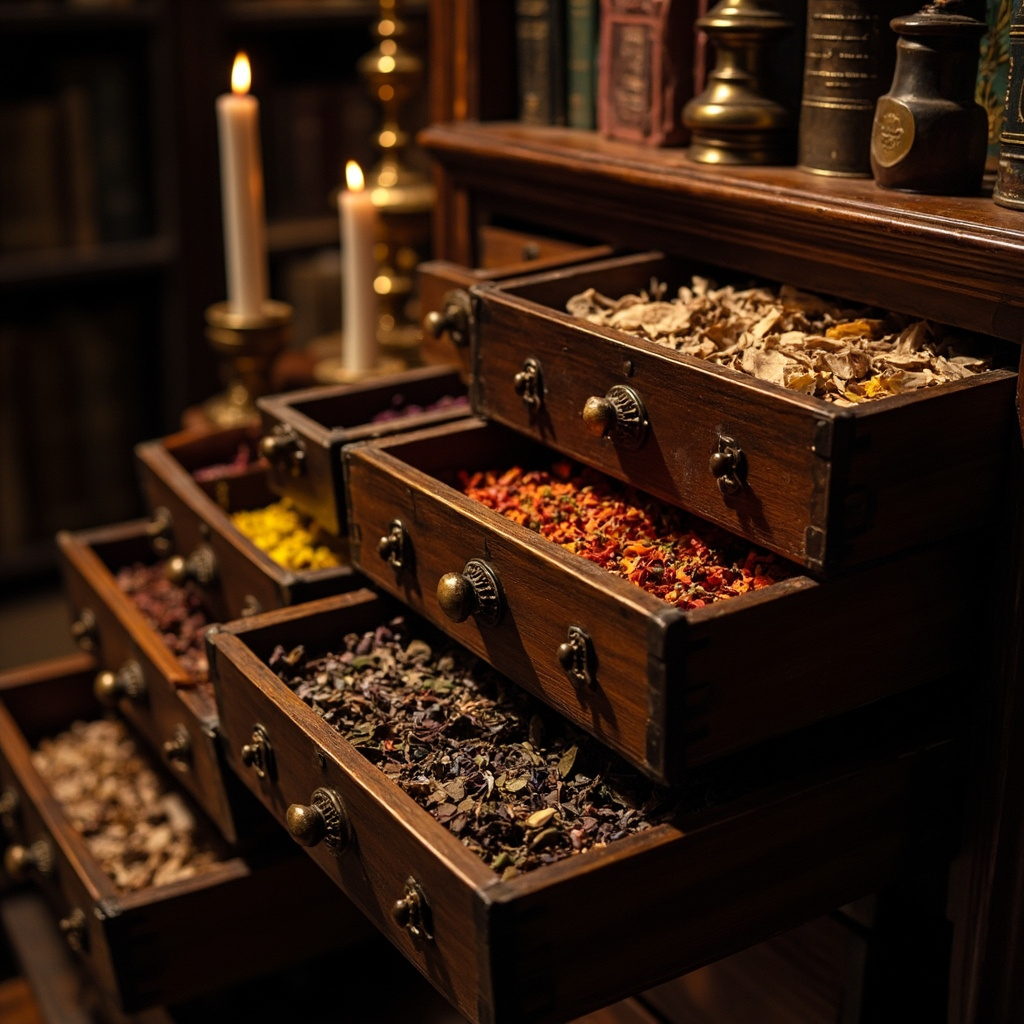
This creates something unique: an incense that’s primarily woody but suffused with floral notes. Not a blend of sandalwood and roses. More like sandalwood that’s learned to smell like roses over months of careful soaking.
The process is time-consuming and requires patience. But the result is unmistakably elegant.
The Flower Soaking Process
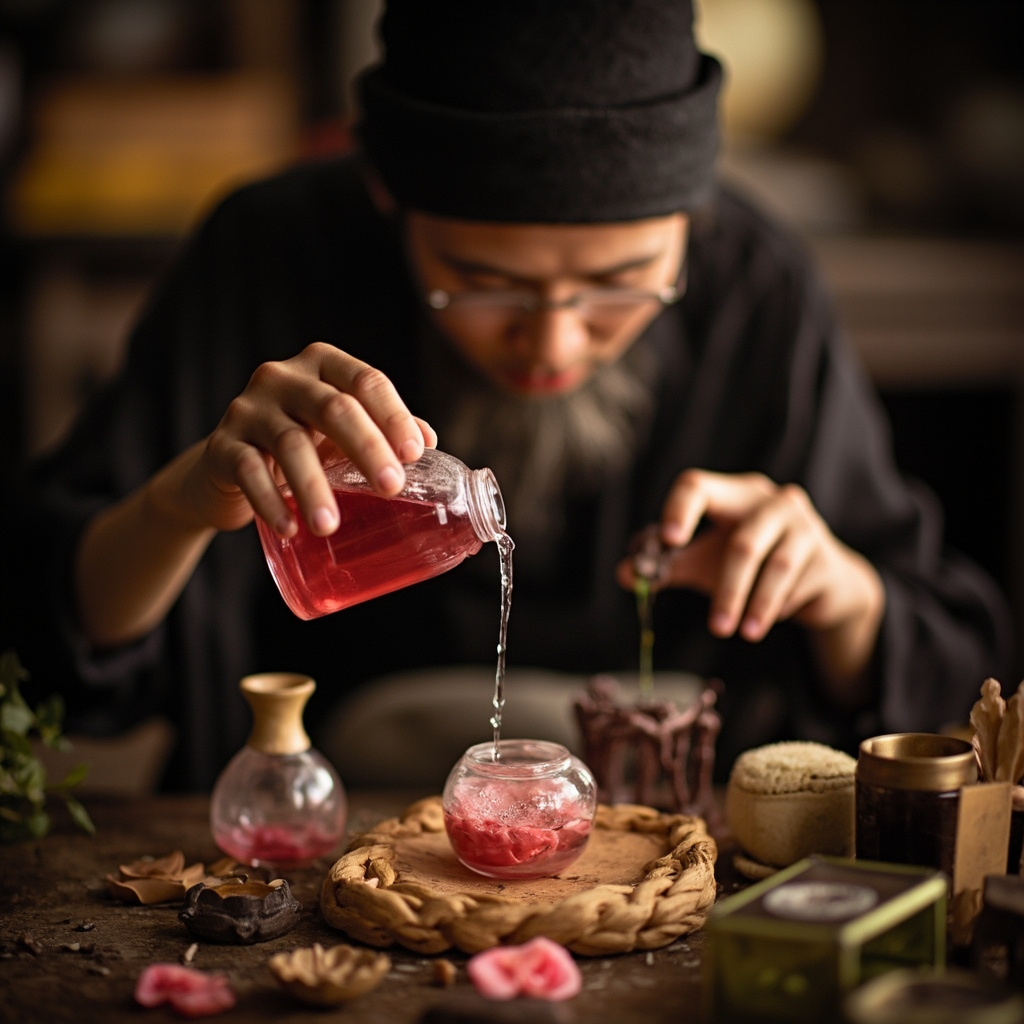
Here’s roughly how it works:
Step 1: Prepare the flowers
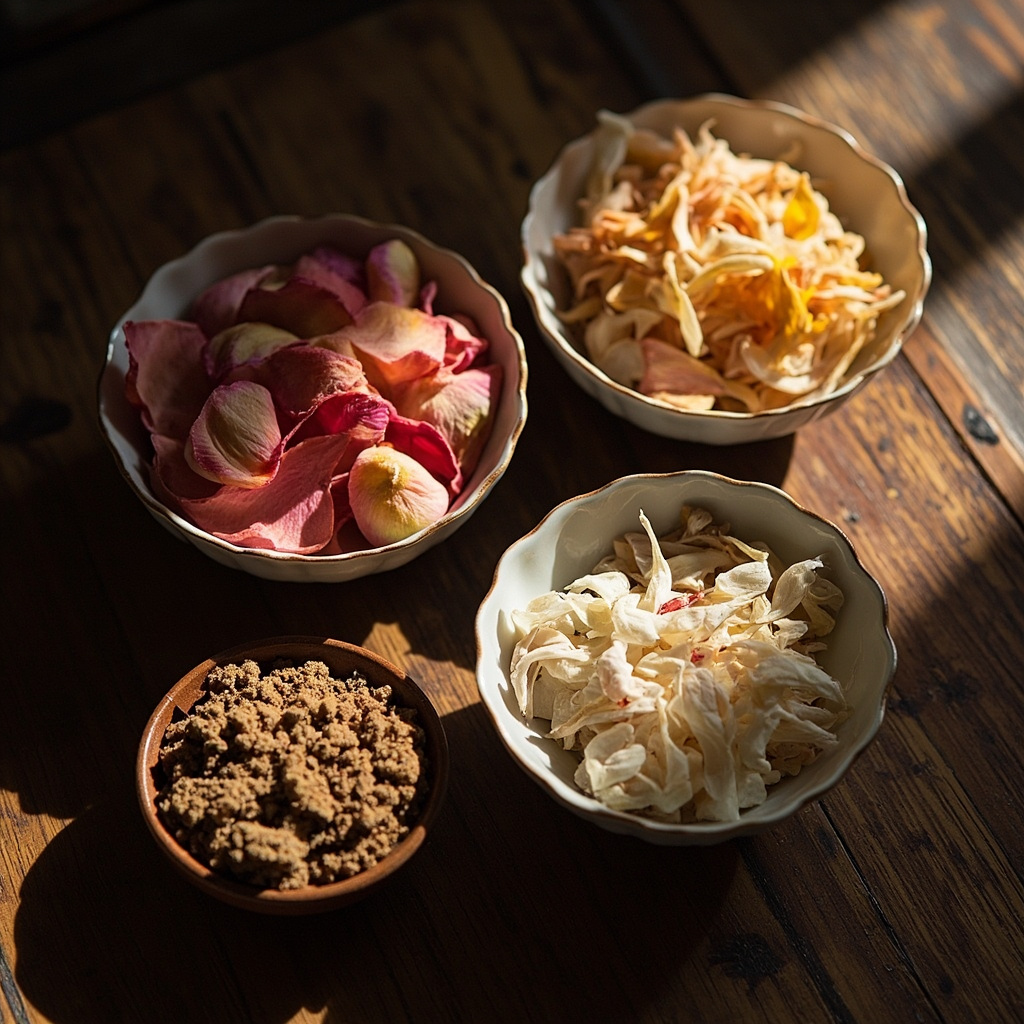
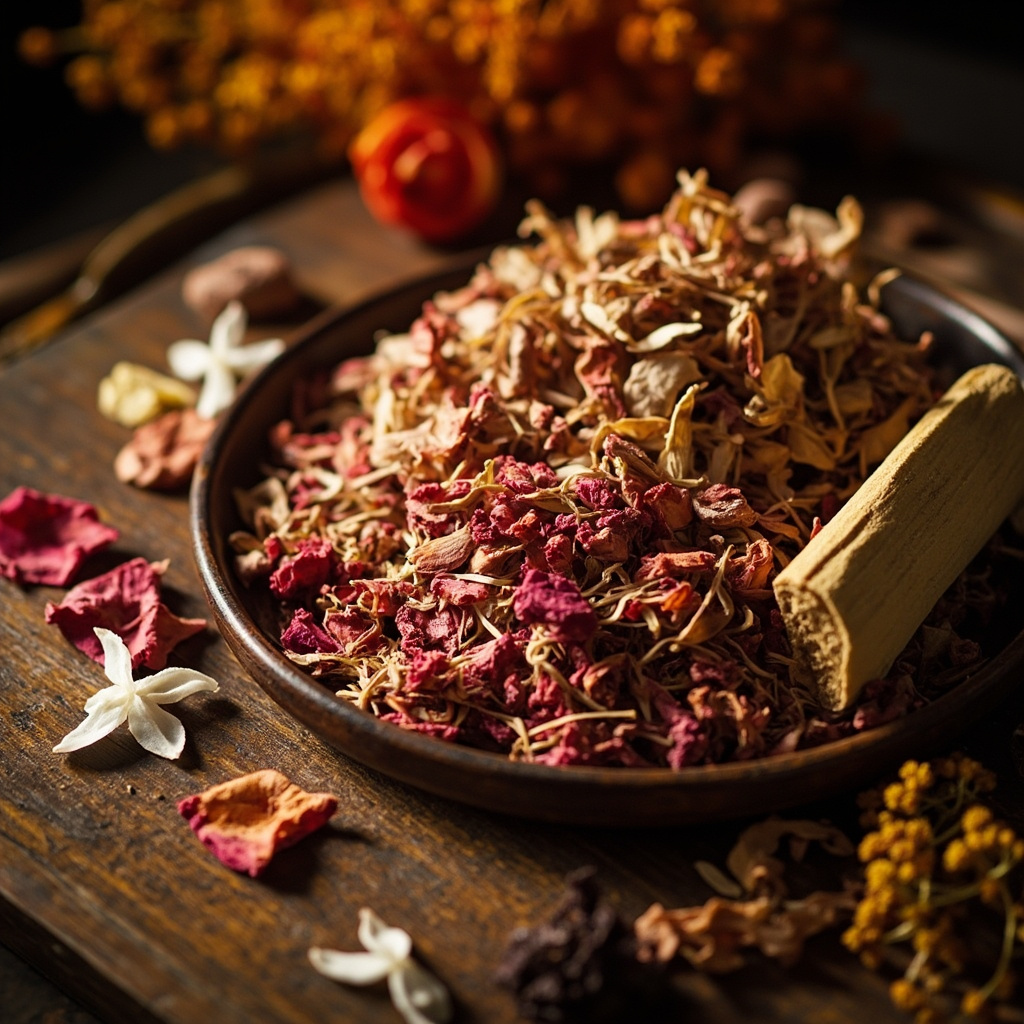
Fresh flowers — traditionally roses were preferred, though jasmine and osmanthus have been used — are picked at their peak. The petals are then processed to extract their essence. This might be through distillation, enfleurage, or other traditional methods.
Step 2: Prepare the agarwood
Quality agarwood chips are selected. These provide the woody base — deep, complex, slightly resinous. The better the agarwood, the better the final result.
Step 3: The soaking
The agarwood is soaked in the flower essence repeatedly. We’re talking days, sometimes weeks. Each soak allows more fragrance to penetrate deeper into the wood. Some makers repeat this process dozens of times.
Step 4: Drying and aging
After soaking, the agarwood is carefully dried. Then aged. The aging allows the floral notes to integrate more deeply with the woody base. Fresh Li Zhu Hua Jin smells good. Aged Li Zhu Hua Jin smells exceptional.
The Character of the Smoke
What does it smell like?
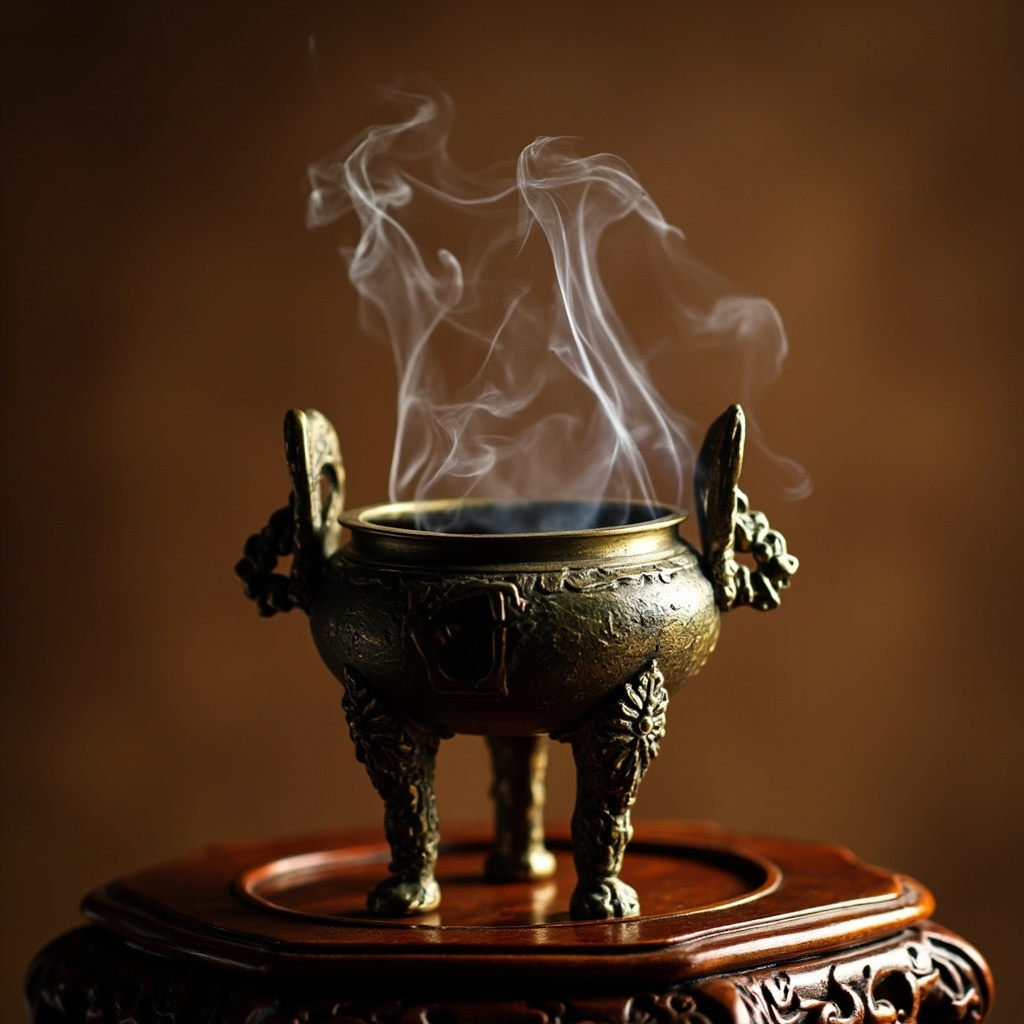
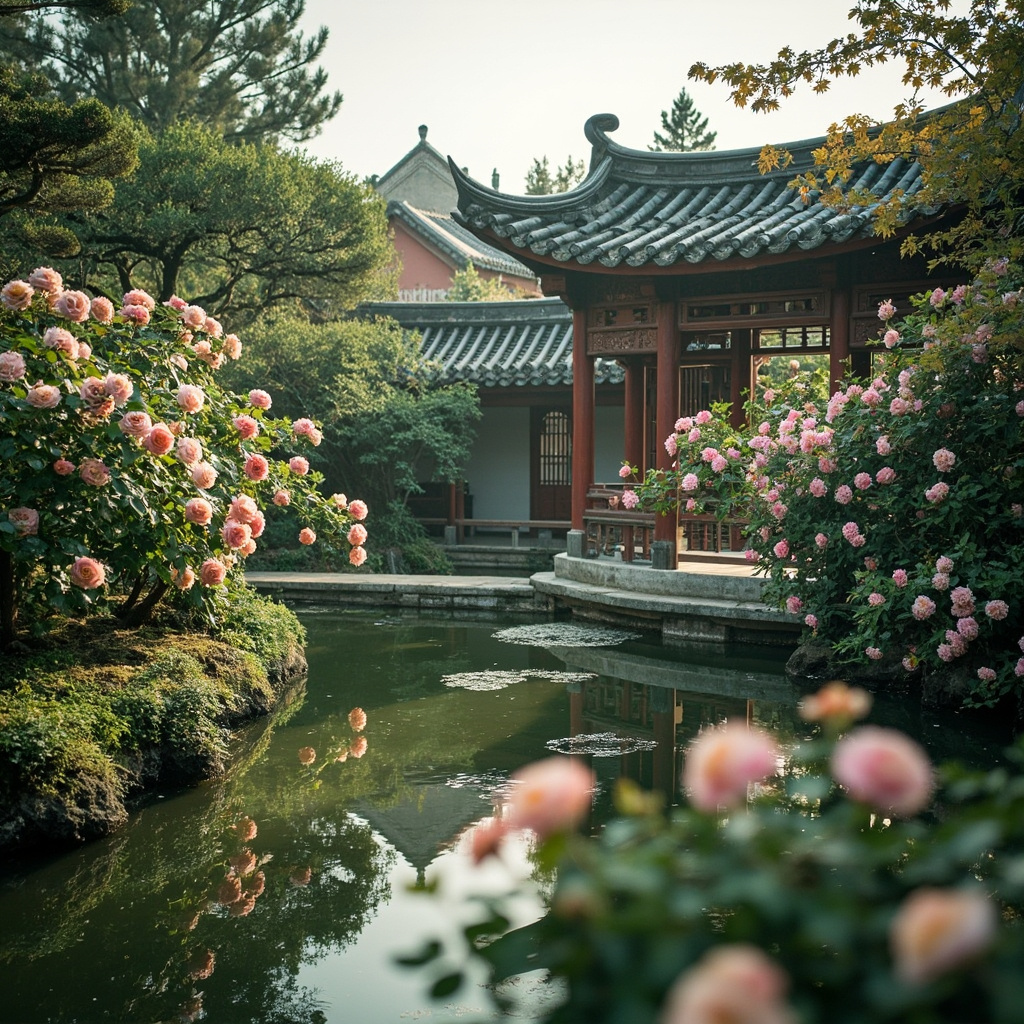
It opens with something deep and woody — the agarwood asserting itself. But underneath, or rather woven through it, is something floral. Not a sharp floral, more like the memory of flowers. Gentle. Persistent. The rose (or jasmine or osmanthus) isn’t announcing itself. It’s just… there, making the whole experience more interesting.
There’s a subtlety to this incense that’s hard to describe. It’s not trying to overwhelm. It’s inviting you to pay attention. To notice the layers. To appreciate the patience it took to create something this refined.
That’s very Li Yu, honestly. Everything he did was about presence, about slowing down and noticing beauty. Even when his empire was crumbling around him.
Finding and Making Li Zhu Hua Jin
If you want to experience this formula:
Commercial versions
Some traditional incense makers produce Li Zhu Hua Jin. Quality varies widely. Look for natural ingredients, proper soaking process (ask the maker if possible), and aged products when available.
The process can’t be rushed. Commercial versions that claim to be Li Zhu Hua Jin but have only been soaking for a week or two aren’t the real thing.
Making your own
This is ambitious. The traditional process takes months. But here’s a simplified version:
Get quality agarwood chips. Get high-quality rose water (or jasmine, or osmanthus — whatever flower essence you’re using). Soak the chips repeatedly, letting them dry between soakings. Do this for at least 2-3 months. Age for several more months after that.
The result won’t be exactly like the traditional formula, but it’ll give you an idea of what this incense is about.
Why This Formula Still Matters
Li Yu is remembered as a failure as an emperor. But his legacy in art, poetry, and apparently incense has outlasted his dynasty.
Li Zhu Hua Jin isn’t just historical curiosity. It represents something important: the idea that beauty requires patience. That some things can’t be rushed. That taking months to make incense isn’t excessive — it’s necessary.
In a world of instant gratification, there’s something almost radical about a formula that requires months of careful work before it’s ready to burn.
And there’s something poignant about it being created by a man who lost everything because he wasn’t patient enough with politics. He found his immortality somewhere else — in poetry, in art, in this incense formula that still carries his name a thousand years later.
How to Experience It
Li Zhu Hua Jin is contemplative incense. It’s not for casual background burning. It’s for moments when you can give it proper attention.
Some suggestions:
- During poetry reading or writing — Li Yu would appreciate that
- During meditation or quiet reflection
- In a space with other beautiful things — art, flowers, fine tea
- When you need to remember that some things can’t be rushed
This is incense for presence. For slowing down. For noticing the layers. If you approach it that way, you’ll find something meaningful. If you just want something to make your room smell nice, there are simpler options.
Li Zhu Hua Jin vs Other Traditional Formulas
Compared to E Li Zhang Zhong: Both are elegant, but E Li is simpler (sandalwood + pear) while Li Zhu is more complex (agarwood soaked in flower essence). E Li is about creamy warmth. Li Zhu is about woody-floral integration.
Compared to Xue Zhong Chun Xin: Both are complex, contemplative incenses. Xue Zhong is about the transition from winter to spring. Li Zhu is about the integration of two elements — wood and flower — into something new.
Each offers a different experience. Li Zhu might be the most refined of the three, but that also means it’s the most demanding to appreciate fully.
The Bottom Line
Li Zhu Hua Jin is one of the more unusual traditional Chinese incense formulas. Created by an emperor who cared more about beauty than power, it represents a different approach: not blending, but imbibition. Not combining, but saturating.
The result is something subtle, refined, and deeply contemplative. It takes patience to make and patience to appreciate. But in a world that moves fast, that patience might be exactly what we need.
Li Yu failed as an emperor. But as a creator of beauty, his legacy has outlasted his dynasty. And every time someone burns Li Zhu Hua Jin, they’re connecting with something he started a thousand years ago.
That’s not a bad legacy, when you think about it.
Frequently Asked Questions
What flowers are traditionally used for Li Zhu Hua Jin?
Roses are most traditional, but jasmine and osmanthus have been used as well. The flower should be fresh and fragrant. The key is repeated soaking until the agarwood is thoroughly imbued with the floral essence.
How is Li Zhu Hua Jin different from a sandalwood-rose blend?
A blend mixes ingredients together. Li Zhu Hua Jin saturates the wood with floral essence over months. The result is different — the floral quality is woven into the wood itself, not sitting on top of it. When you burn Li Zhu Hua Jin, you’re not getting “sandalwood with rose” — you’re getting something that’s become a new thing.
Is this difficult to find?
More difficult than simpler formulas like E Li Zhang Zhong. You’ll need to find makers who specialize in traditional flower-soaked incenses. Quality varies dramatically, and the traditional process can’t be rushed.
Can I make a simplified version at home?
Yes, though it won’t be the authentic traditional product. Soak agarwood chips in high-quality flower water repeatedly over 2-3 months, then age. It’s a commitment, but the process teaches you something about patience and presence.
What does Li Yu have to do with this incense?
He’s traditionally credited with creating this formula. Whether he actually invented it or just popularized it, the association is strong. The incense carries his name — “Li Lord’s Flower-Soaked Agarwood” — and his philosophy of beauty and presence.