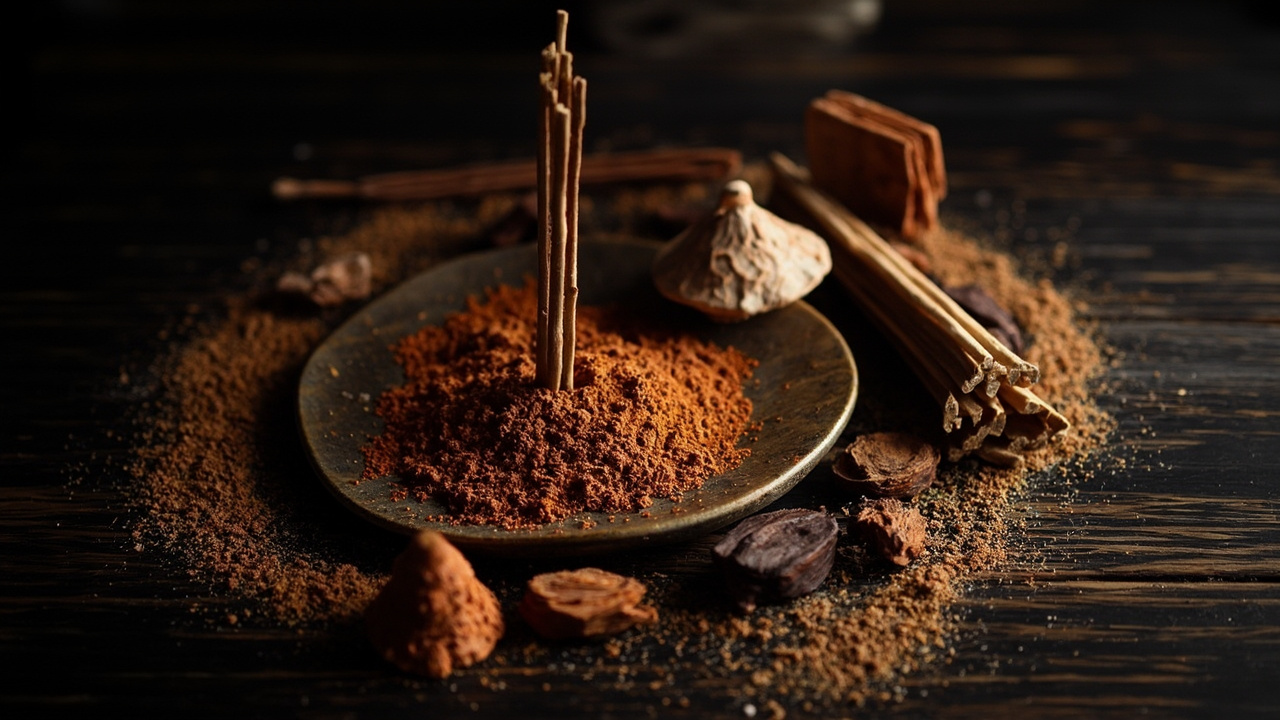
Among Chinese incense practitioners, there is a quiet debate that has been going on for centuries: which material deserves to be called the “second agarwood”? Some say 降真香 (Jiangzhen). Others argue it is overrated. Here is how to understand both sides.
What Is 降真香?
降真香 comes from the genus Dalbergia — specifically Dalbergia odorifera, also known as rosewood or beta-wood in the trade. Unlike agarwood, which requires a specific infection to produce resin, Jiangzhen develops aromatic properties naturally in the heartwood of the tree. The name means “the one that trues the real” — implying it is the closest to the genuine, expensive agarwood.
The Fragrance Profile
Jiangzhen is harder to describe than agarwood because its quality varies more dramatically based on:
- Age of the tree — older trees produce denser, more complex fragrance
- Growing conditions — soil, climate, elevation all matter
- Which part of the tree — heartwood vs root, center vs outer
- How it is cut — tangential, radial, or cross-section
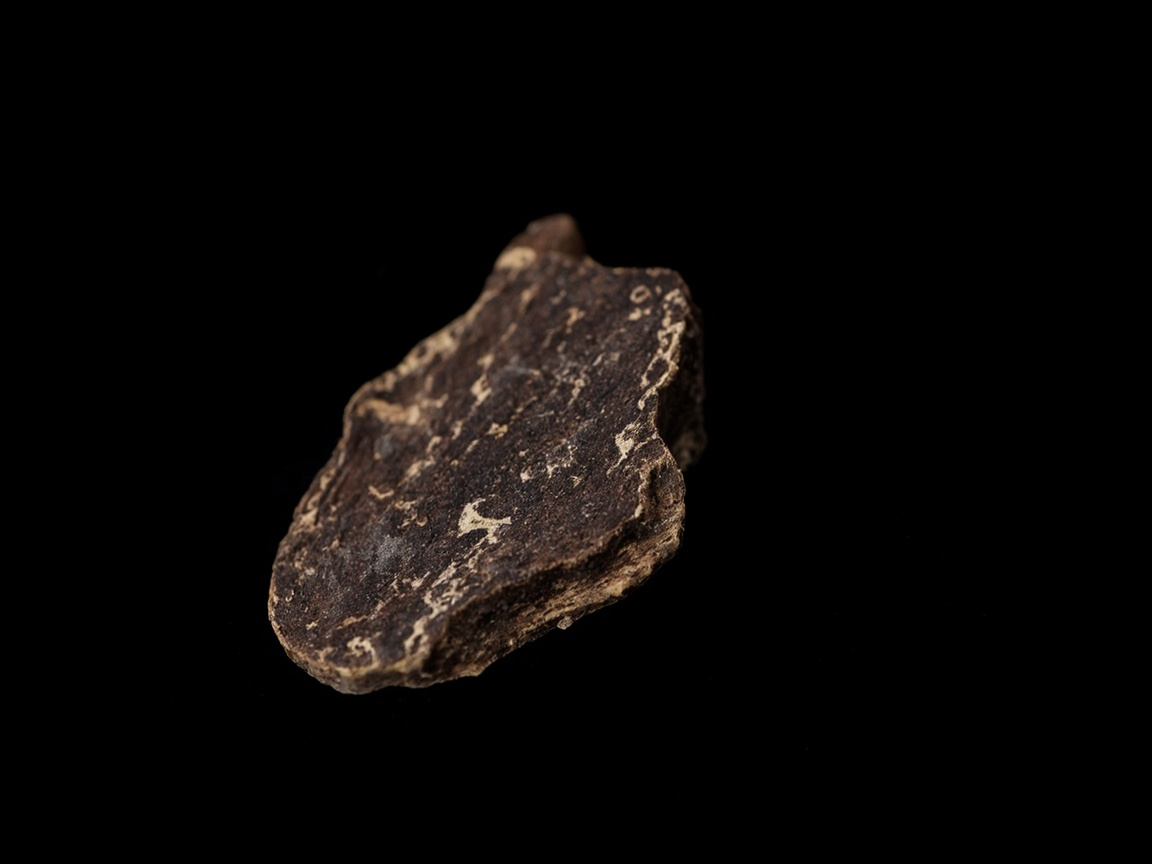
When good, it smells: lightly sweet, with notes of coconut, dried flowers, and a subtle resinous warmth. When mediocre, it smells like ordinary wood with a faint sweetness. When poor, it smells like nothing at all.
Jiangzhen vs Agarwood
The comparison is inevitable. In objective fragrance quality, high-grade agarwood is more complex and more persistent. In price, the best Jiangzhen is 10-20% of the price of the best agarwood. This makes it the practical choice for daily practice.
How to Use Jiangzhen
Same as agarwood. Electric heater at 60-80C, or on charcoal at low heat. Start with small amounts — 0.2-0.3g — to learn how it performs before committing to larger quantities.
FAQ
Is Jiangzhen a substitute for agarwood?
No. It is a different material with a different fragrance profile. Think of it as an entry point into high-quality wood-based incense, not a replacement for agarwood.