The Accessible Alternative in the Sandalwood Family
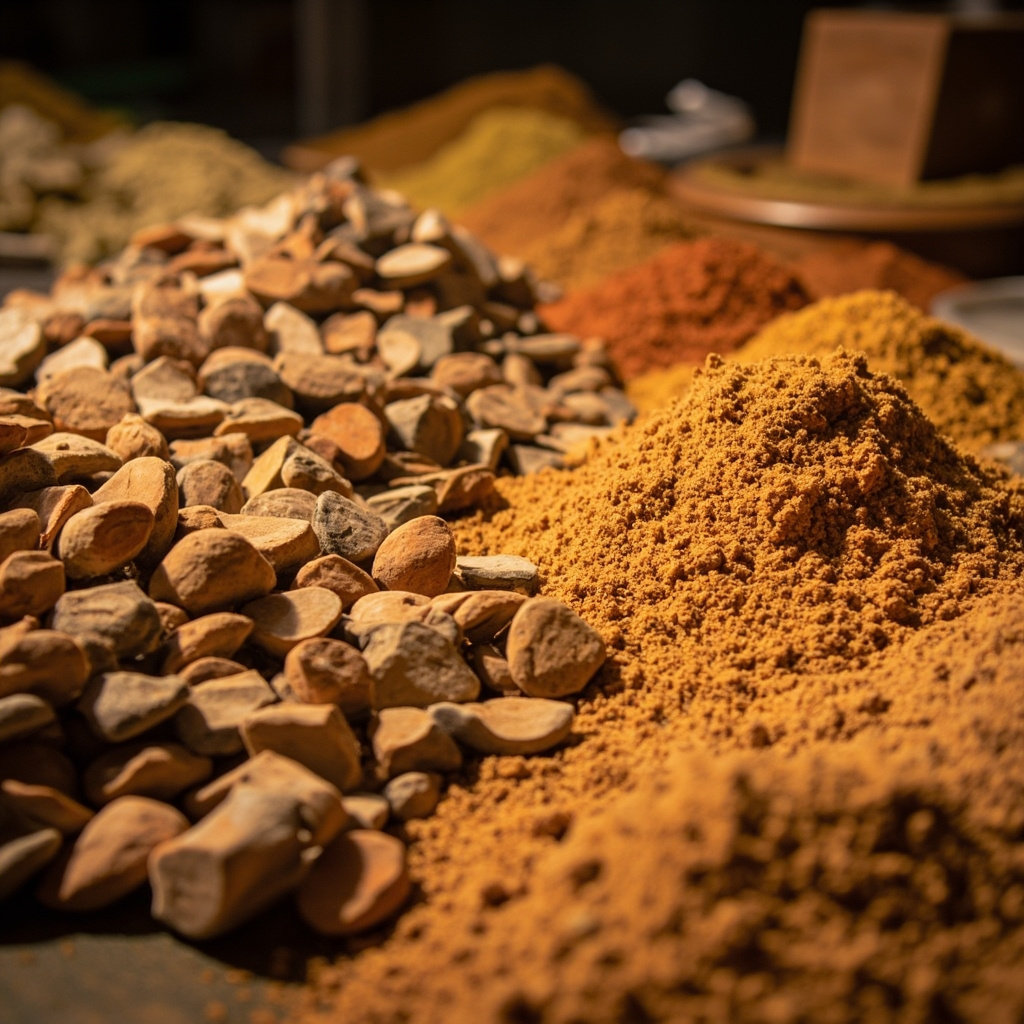
Move down the sandalwood quality ladder and you encounter Indonesian sandalwood — the most accessible of the commercially significant sandalwood origins. Where Indian Mysore commands premium pricing and Australian occupies middle territory, Indonesian sandalwood provides the entry point for practitioners who want real sandalwood without the investment.
Chinese incense culture has always maintained hierarchy in materials. At the peak sits the rarest, most exceptional — Qinan, premium Hainan agarwood, Mysore sandalwood. Foundation materials must be accessible for daily use. Indonesian sandalwood fills this role for sandalwood specifically — the reliable, affordable option that serves most practitioners most of the time.
This is not dismissiveness. Indonesian sandalwood provides genuine sandalwood fragrance at prices that make regular burning practical. For many practitioners, this accessibility matters more than the marginal quality improvements of premium origins.
Understanding Indonesian Sandalwood Origins
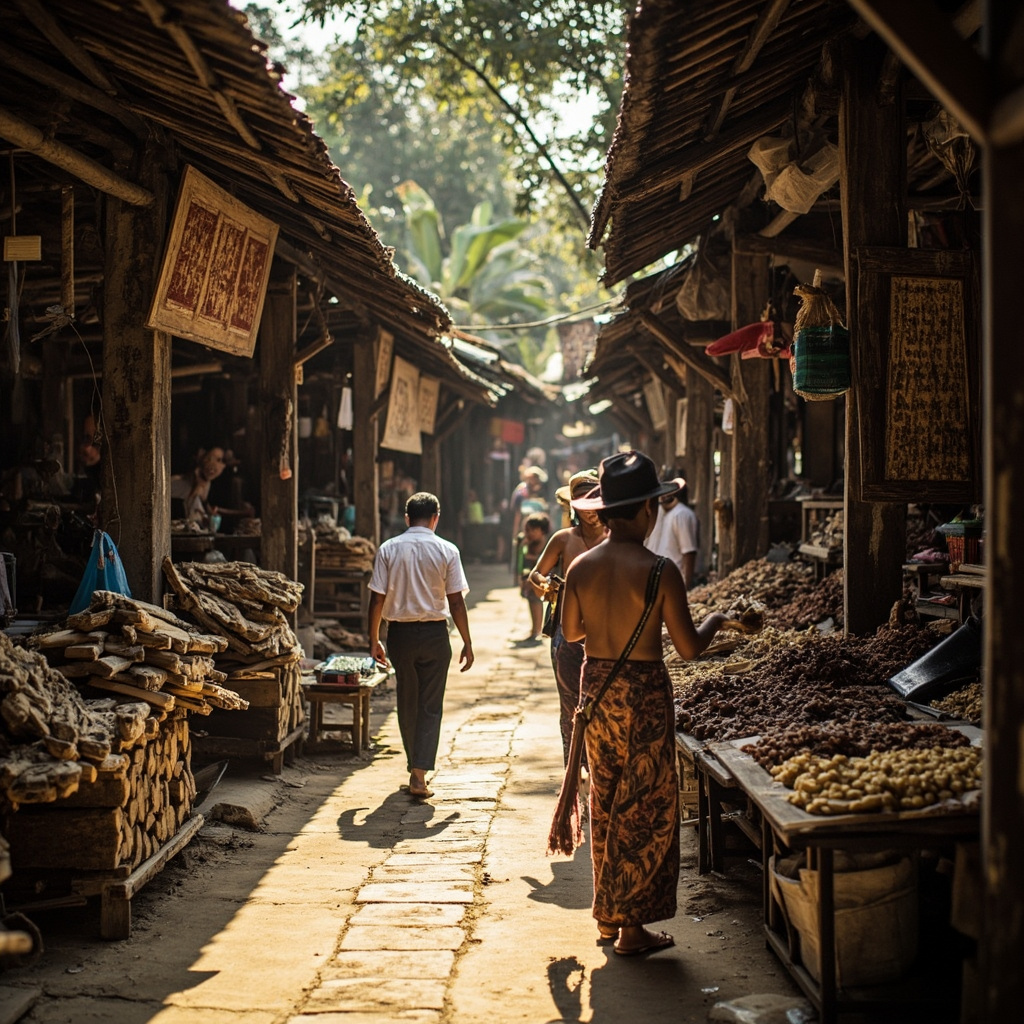
Indonesian sandalwood comes primarily from two regions within the archipelago.
Sumatra (苏门答腊) — The largest Indonesian island produces the most commercially significant sandalwood. The tropical climate supports extensive sandalwood growth, though much of the original wild sandalwood has been depleted. Plantation production has largely replaced wild harvest, with varying results depending on management practices.
Timor (帝汶) — This island produces sandalwood considered superior to Sumatra material. Timor sandalwood tends toward sweeter, more complex fragrance with less of the earthy quality that characterizes some Indonesian varieties. Timor sandalwood occupies the middle ground between Sumatra and Australian — better than basic Indonesian, more affordable than premium alternatives.
Other islands — Various smaller Indonesian islands produce sandalwood for local markets, rarely entering international trade channels. Quality varies significantly based on local growing conditions and harvesting practices.
The Fragrance Character of Indonesian Sandalwood
Describing Indonesian sandalwood requires comparison to better-known alternatives.
Versus Indian Mysore — Indonesian sandalwood lacks the creaminess and depth of Mysore. Where Mysore reads as smooth and refined, Indonesian can smell more purely woody, sometimes with earthy undertones that Mysore avoids. The difference is not subtle — most experienced practitioners identify Indonesian immediately by the absence of the Mysore character.
Versus Australian — Indonesian tends toward earthiness that Australian generally avoids. Australian can be sharp; Indonesian tends toward depth without the brightness. For some applications, the Indonesian character provides presence that Australian lacks.
The earthy quality — This is Indonesian sandalwood signature characteristic. Some practitioners find this earthiness appealing — it provides solid, grounded presence that creamier sandalwoods sometimes lack. Others find it inferior to smoother alternatives. Neither perspective is objectively correct.
Longevity — Indonesian sandalwood generally does not last as long as Mysore when burning. The fragrance presence diminishes faster. This is partly why Indonesian pricing is lower — the oil content and fragrance concentration simply do not match premium alternatives.
Regional Variations Within Indonesia

The quality spectrum within Indonesian sandalwood is wider than with more controlled origins.
Premium Timor — Timor sandalwood approaches Australian in quality. The specific growing conditions on this drier island produce sandalwood with better fragrance concentration than typical Indonesian varieties. Timor sandalwood can serve as legitimate middle-quality option for practitioners who find Indian too expensive but Australian unnecessary.
Standard Sumatra — The basic Indonesian offering. Suitable for applications where sandalwood presence matters more than premium character. Burning space fragrance, where you want the room to smell of sandalwood without requiring exceptional quality, Sumatra delivers.
Lesser varieties — Various island-specific productions range from adequate to poor. Vendor sourcing matters more with Indonesian sandalwood than with more established origins — the variation within “Indonesian sandalwood” is wider than within “Indian sandalwood.”
Practical Applications for Indonesian Sandalwood
Indonesian sandalwood excels in specific applications where premium materials might be wasteful.
Burning space fragrance — When you want a room to smell good without requiring close attention to fragrance quality, Indonesian sandalwood serves perfectly. The earthy, solid presence fills space effectively even if it lacks refinement.
Daily practice — For regular meditation or ritual use where the specific sandalwood character matters but premium quality does not, Indonesian provides practical economics. You can burn generously without cost concerns that premium materials would generate.
Beginner exploration — Before investing in premium sandalwood, understanding what sandalwood provides as a category helps. Indonesian sandalwood lets you explore the sandalwood experience without commitment to expensive materials. You can decide whether sandalwood suits your practice before exploring premium options.
Blending base — Like Australian sandalwood, Indonesian works well as the base material in custom blends. The overall sandalwood presence comes from Indonesian while you add smaller amounts of premium materials for accent.
Quality Evaluation for Indonesian Sandalwood
Navigating Indonesian sandalwood quality requires attention that more established origins do not demand.
Origin specificity — “Indonesian sandalwood” encompasses too much variation to be useful. Seek vendors who specify island of origin — Timor or Sumatra at minimum. “Indonesian” alone tells you little about what you are actually getting.
Fragrance testing — Quality Indonesian sandalwood should smell recognizably of sandalwood with the characteristic earthy undertone. If the sandalwood character is unclear or the earthy quality dominates to the point of distraction, the quality is likely lower.
Price reality — Indonesian sandalwood should cost significantly less than Indian or Australian for comparable quality grades. If pricing seems similar to these premium origins, the vendor is likely misrepresenting origin or quality.
Vendor relationships — Indonesian sandalwood quality variation makes established vendor relationships more valuable. Vendors with reputations to protect have incentive to accurately represent their products.
The Bottom Line
Indonesian sandalwood occupies legitimate territory in the sandalwood hierarchy — not the peak, but the accessible foundation that makes sandalwood practice practical for most people most of the time.
For beginners, Indonesian sandalwood provides the logical entry point. You can explore what sandalwood offers, develop your palate, and determine whether sandalwood suits your practice — all without investing in premium materials before understanding your preferences.
For experienced practitioners, Indonesian sandalwood serves specific purposes well. Daily burning, space fragrance, and blending base applications all benefit from Indonesian economics without requiring the refinement of premium alternatives.
The key is understanding what Indonesian sandalwood is rather than resenting what it is not. It is not Mysore. It does not aim to be. It aims to provide genuine sandalwood presence at accessible prices — and within this purpose, it succeeds.
Approach Indonesian sandalwood on its own terms, and you will find valuable material. Judge it against premium standards, and you will miss its genuine utility.
Frequently Asked Questions
Is Indonesian sandalwood real sandalwood?
Yes. Indonesian sandalwood comes from Santalum species native to or cultivated in the Indonesian archipelago. It provides genuine sandalwood fragrance, even if the specific character differs from Indian or Australian alternatives.
How is Indonesian sandalwood different from Indian?
Indian Mysore is creamier, sweeter, and more refined with greater fragrance depth. Indonesian tends earthier and less complex, lacking the smoothness that defines premium Mysore. The difference is significant enough that most experienced practitioners identify Indonesian immediately.
Which Indonesian region is best?
Timor sandalwood is generally considered superior to Sumatra, with sweeter, more complex fragrance and less earthy quality. Within Timor, quality still varies by vendor and specific sourcing.
Can beginners use Indonesian sandalwood?
Absolutely. Indonesian sandalwood is excellent for beginners — accessible pricing lets you explore what sandalwood offers before investing in premium materials. You get genuine sandalwood experience at practical prices.