The Gold Standard of Sandalwood
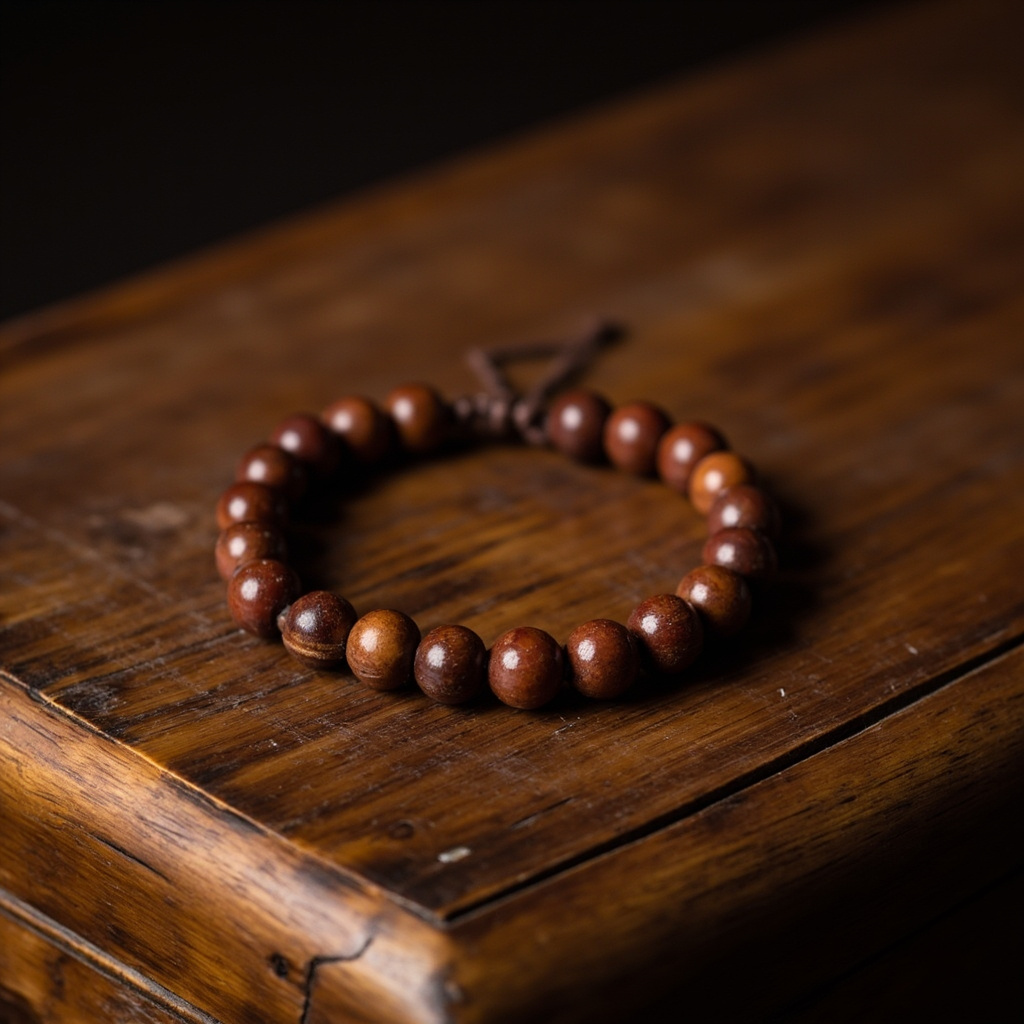
When people discuss the finest sandalwood in the world, one name dominates: Indian Mysore. Located in the southern Indian state of Karnataka, the Mysore region has produced sandalwood considered superior for over a thousand years. The specific combination of soil, climate, and centuries of cultivation produces sandalwood with fragrance that other origins struggle to match.
In Chinese, Indian sandalwood is called laoshan tan (老山檀) — literally “old mountain sandalwood.” The name implies what makes it special: the trees grow slowly in mountainous regions, developing dense heartwood with exceptional oil content. Time creates what cannot be rushed.
This is the sandalwood that Chinese emperors sought. The sandalwood that Buddhist temples used for their most important ceremonies. The sandalwood that remains the reference point against which all other sandalwood is measured.
Understanding the Mysore Difference
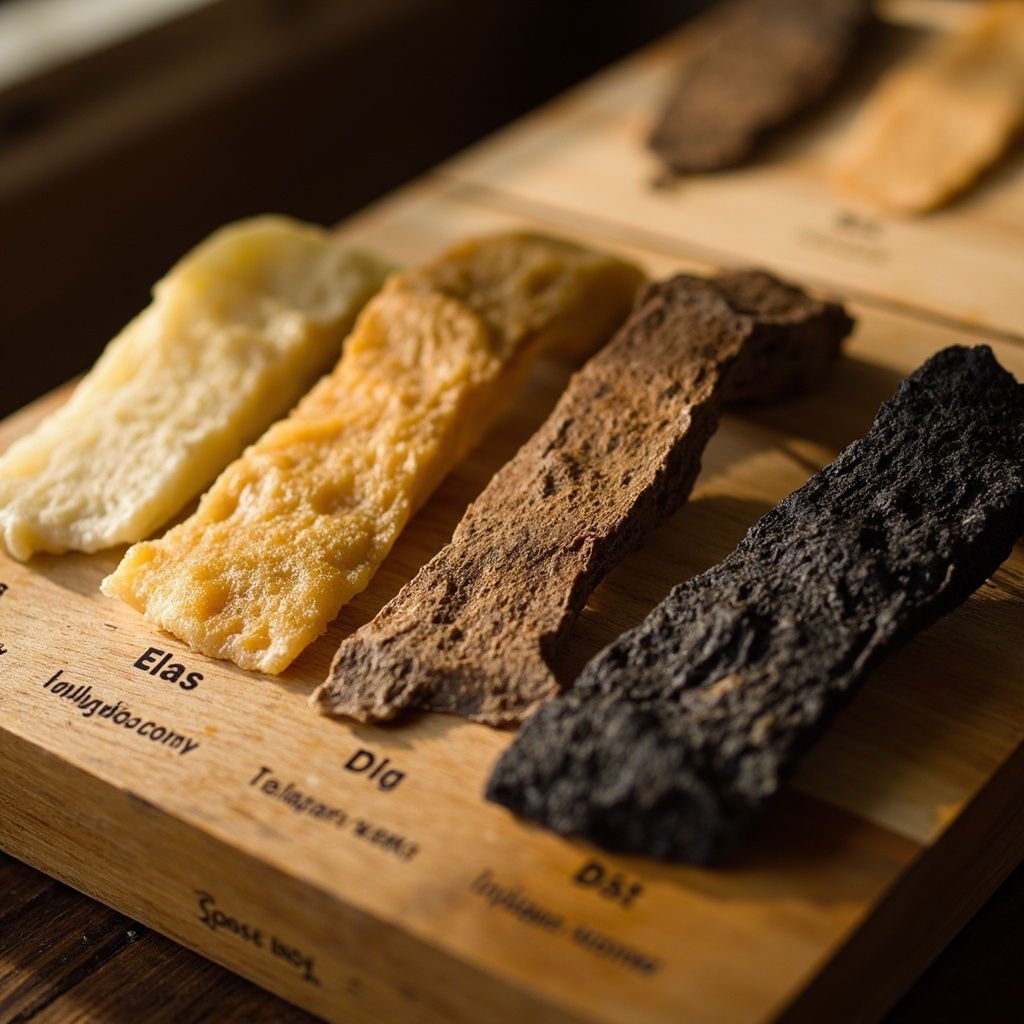
Not all Indian sandalwood is equal, even within Mysore. The region produces different grades based on specific characteristics.
The color grades — Mysore sandalwood is graded by color. Yellow flesh represents entry-level quality. Red flesh shows better concentration. Black flesh (heirou, 黑肉) represents the absolute premium — dense resin saturation that produces the deepest, most complex fragrance. The progression from yellow to black can multiply price several times over.
Sinking properties — Premium Mysore sandalwood sinks in water. This density indicates oil content sufficient for intense, long-lasting fragrance. Non-sinking grades may still be genuine Mysore but represent lower overall quality.
Grain patterns — Fish-roe grain (yuziweng, 鱼籽纹) and tiger-stripe patterns (huban, 虎斑) indicate exceptional wood structure. These patterns develop over decades and correlate with superior fragrance quality.
The Fragrance Character of Mysore Sandalwood
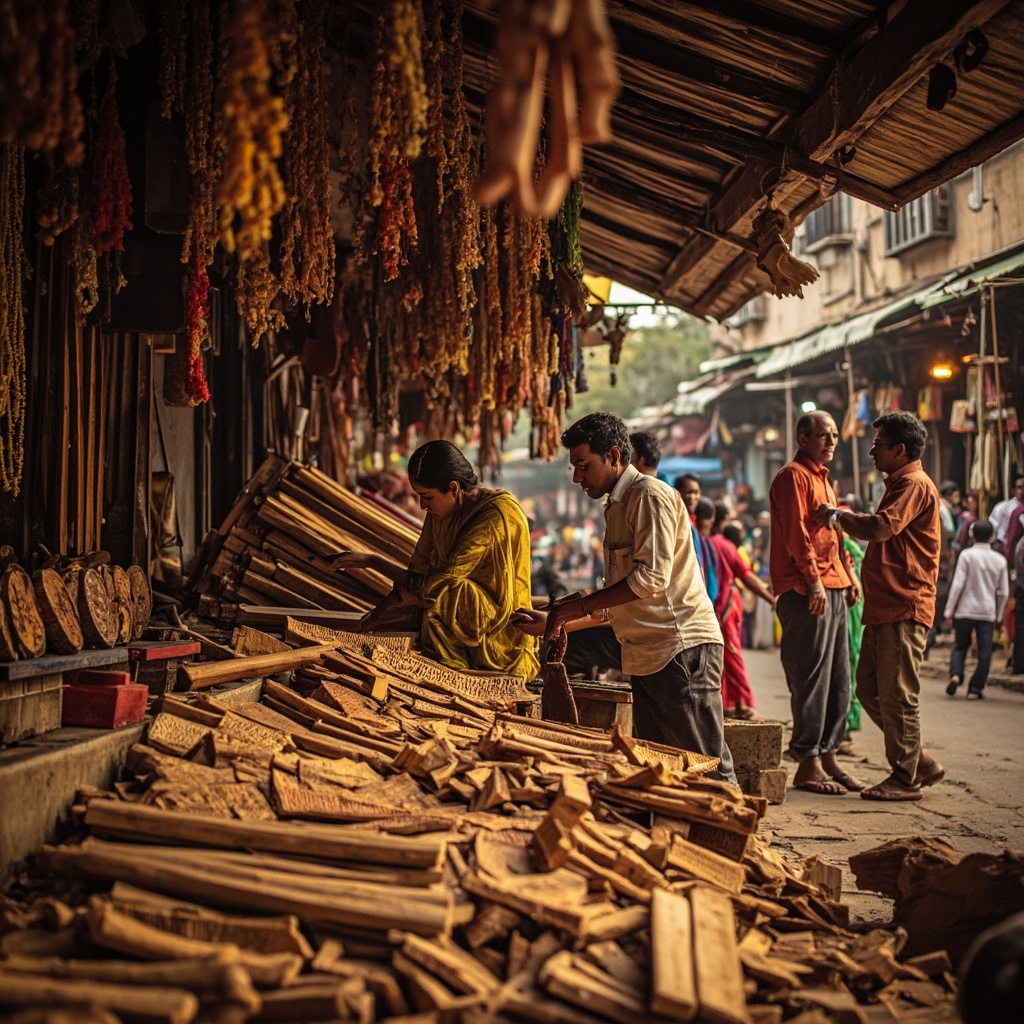
Describing Mysore sandalwood fragrance requires comparison to other origins to convey what makes it distinct.
Versus Australian sandalwood — Australian material often smells sharper, more resinous. Mysore reads as creamier, sweeter, more refined. Think of the difference between premium dairy butter and standard butter — both butter, but one clearly more refined.
Versus Indonesian sandalwood — Indonesian varieties tend toward earthiness. Mysore maintains sweetness and clarity that Indonesian sometimes lacks. Indonesian might smell more “natural” and wild; Mysore smells more cultivated and refined.
The depth factor — Mysore sandalwood fragrance has depth that other origins cannot replicate. The fragrance does not sit on the surface — it seems to emanate from within. Even the first impression carries complexity rather than simple sweetness.
Longevity — The oil content in Mysore sandalwood means fragrance lasts longer than other origins. What fills a room for an hour with Australian sandalwood might fill for three hours with Mysore at equivalent quantity.
Authenticating Mysore Sandalwood
Given the premium pricing of genuine Mysore sandalwood, authentication matters more than with other origins.
Visual assessment — The grain patterns, color density, and surface texture all provide authentication clues. Experienced practitioners can often identify Mysore from sight alone. For beginners, this skill develops over time with exposure to many samples.
Cold fragrance test — Quality Mysore sandalwood should smell extraordinary even cold. If the unheated material seems merely “good,” be suspicious. True Mysore character announces itself immediately.
Price reality — If the price seems too good to be true, it probably is. Genuine Mysore black-flesh sandalwood commands prices that reflect its rarity and demand. Deeply discounted “Mysore” material is almost always misrepresented.
Vendor verification — Establish relationships with vendors who can demonstrate sourcing. Mysore sandalwood enters markets through specific channels. Vendors with established reputations have more to lose from misrepresentation than opportunistic sellers.
How to Use Mysore Sandalwood
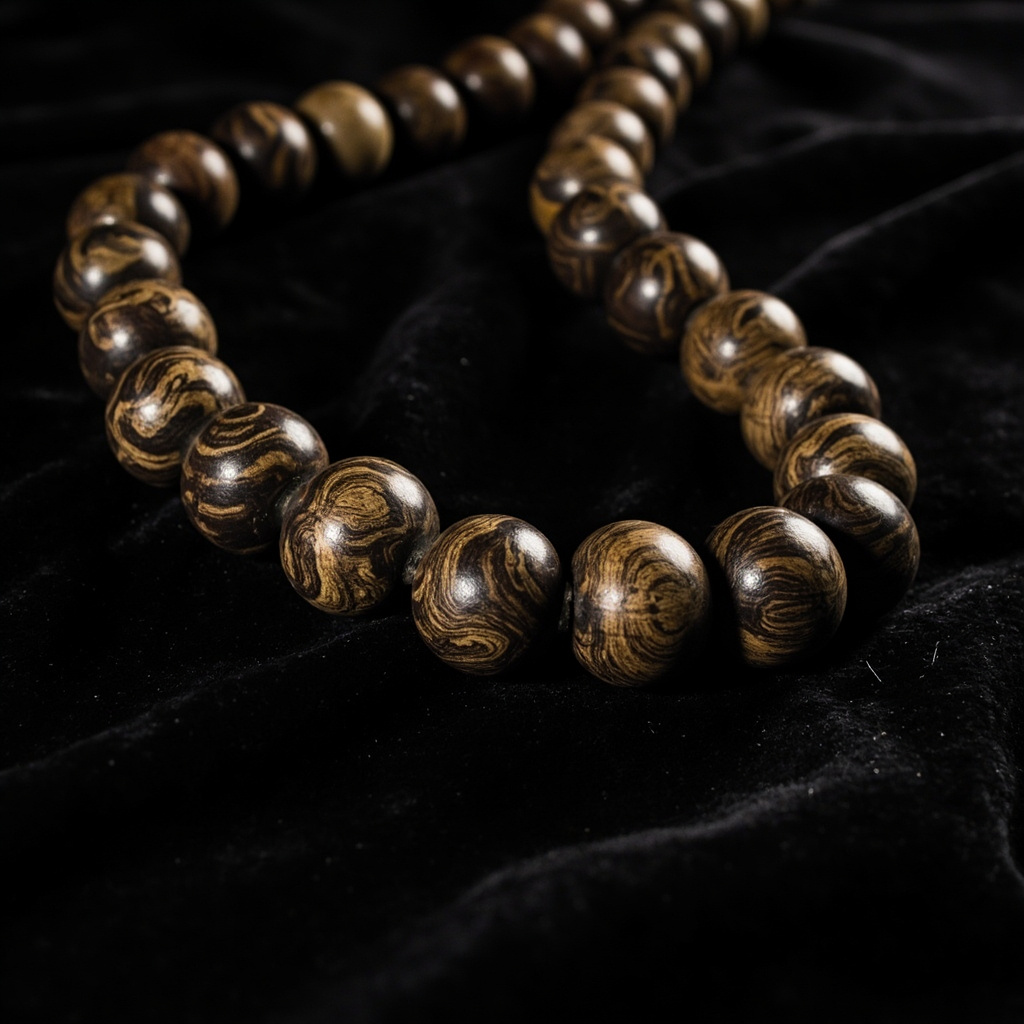
Pure appreciation — The finest use of Mysore sandalwood is pure burning. Heat it on charcoal or electric burner and simply experience the fragrance. No blending, no mixing. Let the material express itself fully.
Blending base — Because Mysore sandalwood fragrance is so complete, it serves as exceptional base for other materials. A small amount of challenging incense added to Mysore creates blend where Mysore carries the overall experience while other materials add interest.
Quantity discipline — With premium materials, less produces more. Mysore sandalwood is potent. Start with smaller amounts than you might use with lesser grades. You can always add more; you cannot remove what you have burned.
Storage — Like all sandalwood, Mysore improves with proper aging. Airtight containers away from light and heat. The fragrance deepens and sweetens over years of proper storage.
The Collection Value of Mysore Sandalwood
Beyond use as incense, Mysore sandalwood has become significant collector material.
Supply constraints — Indian government controls sandalwood harvesting and trade. Legal supply is limited. This scarcity ensures continued price appreciation as demand increases while supply remains controlled.
Investment perspective — Quality Mysore sandalwood has demonstrated consistent value appreciation over decades. While no investment is guaranteed, the fundamental supply-demand dynamics favor continued scarcity and price support.
Cultural significance — As Chinese interest in traditional culture grows, demand for authentic materials increases. Mysore sandalwood occupies clear position as the premium reference point. This cultural cachet supports value independent of pure aromatic utility.
The Bottom Line
Mysore sandalwood represents the gold standard against which all other sandalwood is measured. For those with resources to invest in premium materials, it provides both exceptional aromatic experience and collection value that lesser origins cannot match.
For most practitioners, Australian or Indonesian sandalwood at reasonable prices serves daily needs completely. The difference between Mysore and other origins is real but exists on a continuum rather than categorical distinction. Good sandalwood from any quality origin provides the core experience Mysore amplifies.
That said, every serious practitioner should experience genuine Mysore sandalwood at least once. The reference point it establishes reorganizes understanding of what sandalwood can achieve. After burning true Mysore, evaluating other sandalwood becomes more nuanced and grounded in direct experience rather than abstract description.
Whether you invest in Mysore for collection, burn it for special occasions, or simply explore to understand what premium means — the experience provides foundation for everything else in your sandalwood journey.
Frequently Asked Questions
What makes Mysore sandalwood the best?
The specific combination of slow growth in mountainous regions, optimal soil conditions, and centuries of cultivation produces heartwood with exceptional oil content and fragrance complexity. No other region has replicated this exact combination, though other origins produce genuinely good sandalwood.
Is black-flesh Mysore sandalwood worth the price premium?
For pure appreciation, yes. The fragrance depth, longevity, and complexity justify pricing for serious practitioners. For casual use, yellow or red flesh grades provide excellent experience at more accessible prices. Black flesh is premium, not mandatory.
How can I verify authentic Mysore sandalwood?
Visual assessment develops with experience. Cold fragrance testing works — genuine Mysore smells extraordinary immediately. Price provides signal — if the price seems too good to be true, assume misrepresentation. Establish vendor relationships with sellers who have reputation protecting.
Can I use Mysore sandalwood for daily burning?
Technically yes, but the pricing makes this impractical for most practitioners. Save Mysore for special occasions or exploration sessions. Use more accessible sandalwood grades for daily practice.