Incense Types: A Complete Guide to Every Form of Incense
If you’ve ever stood in front of a wall of incense at a specialty shop — sticks, cones, coils, powders, resins — and wondered what actually distinguishes them all, you’re not alone. The world of incense is broader and more nuanced than most people realize, and the form of incense you choose has a significant impact on the experience: how it burns, how the fragrance develops, how long it lasts, and what equipment you need.
This guide covers every major type of incense, explaining what it is, how it works, and when to choose it.
The Four Primary Incense Forms
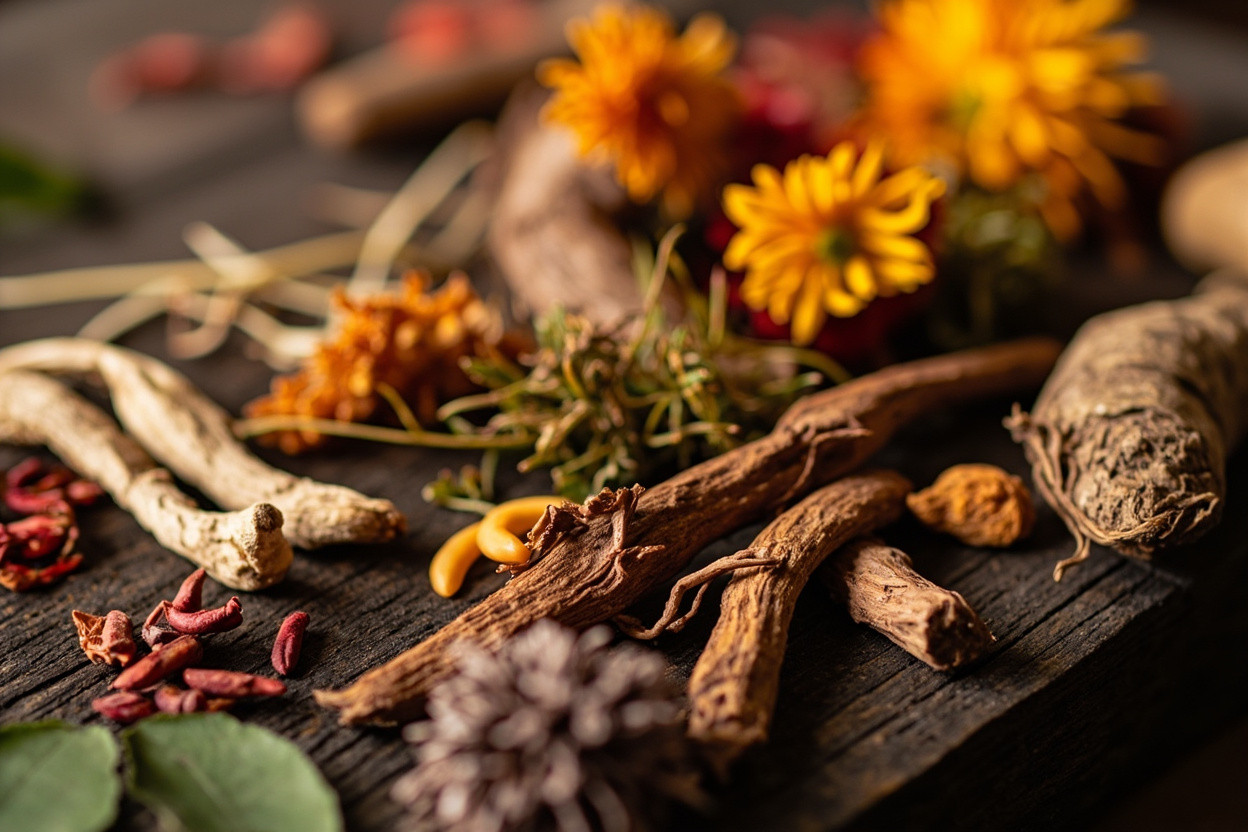
1. Incense Sticks (线香 / Xiànxiāng)
The most universally recognized form of incense. A thin, cylindrical stick — with or without a bamboo core — coated or made entirely from aromatic materials.
Characteristics:
- Easy to use: light and place, minimal equipment needed
- Burn time: 20–60 minutes per stick depending on thickness and composition
- Fragrance delivery: Moderate; the fragrance is consistent but less nuanced than powder burned on charcoal
- Smoke output: Moderate; bamboo-core sticks produce more smoke than pure-material sticks
Best for: Everyday use, beginners, small to medium rooms, any situation where simplicity is valued.
2. Incense Cones (香锥 / Xiāngzhuī) and Pyramids
Compressed powdered incense formed into a cone or small pyramid shape. The entire surface burns slowly from the top down.
Characteristics:
- More concentrated than sticks — a small cone can produce significant fragrance
- Burn time: 15–40 minutes depending on size and density
- Self-extinguishing: A well-made cone burns down completely and extinguishes itself
- Smoke output: Can be heavy in the first minute; dissipates as the cone thins
Best for: Larger spaces, stronger fragrance presence, ritual use.
3. Incense Powder (香粉 / Xiāngfěn)
Loose powdered incense — the original form from which sticks and cones are made. Burns directly on charcoal or in electric heaters.
Characteristics:
- Most authentic expression of incense — no binders or additives obscuring the pure fragrance
- Maximum fragrance complexity and nuance
- Burn time: Depends on amount; 0.3–0.5g on charcoal burns for 10–20 minutes
- Smoke output: Minimal when burned on charcoal; close to zero on electric heater
- Requires equipment: charcoal or electric incense heater
Best for: Serious practitioners, those seeking the deepest fragrance experience, traditional Chinese and Japanese incense practices.
4. Incense Coils (盘香 / Pánxiāng)
Long, spiraling coils designed for extended, slow burning. A single coil can burn for 2–6 hours continuously.
Characteristics:
- Longest burn time of any incense form
- Designed for large spaces or extended sessions: temples, meditation halls, overnight burning
- Smoke output: Significant — coils produce the most smoke of any form
- Requires dedicated coil holder
Best for: Temples, large rooms, prolonged ceremonies, outdoor use.
Specialized Incense Forms
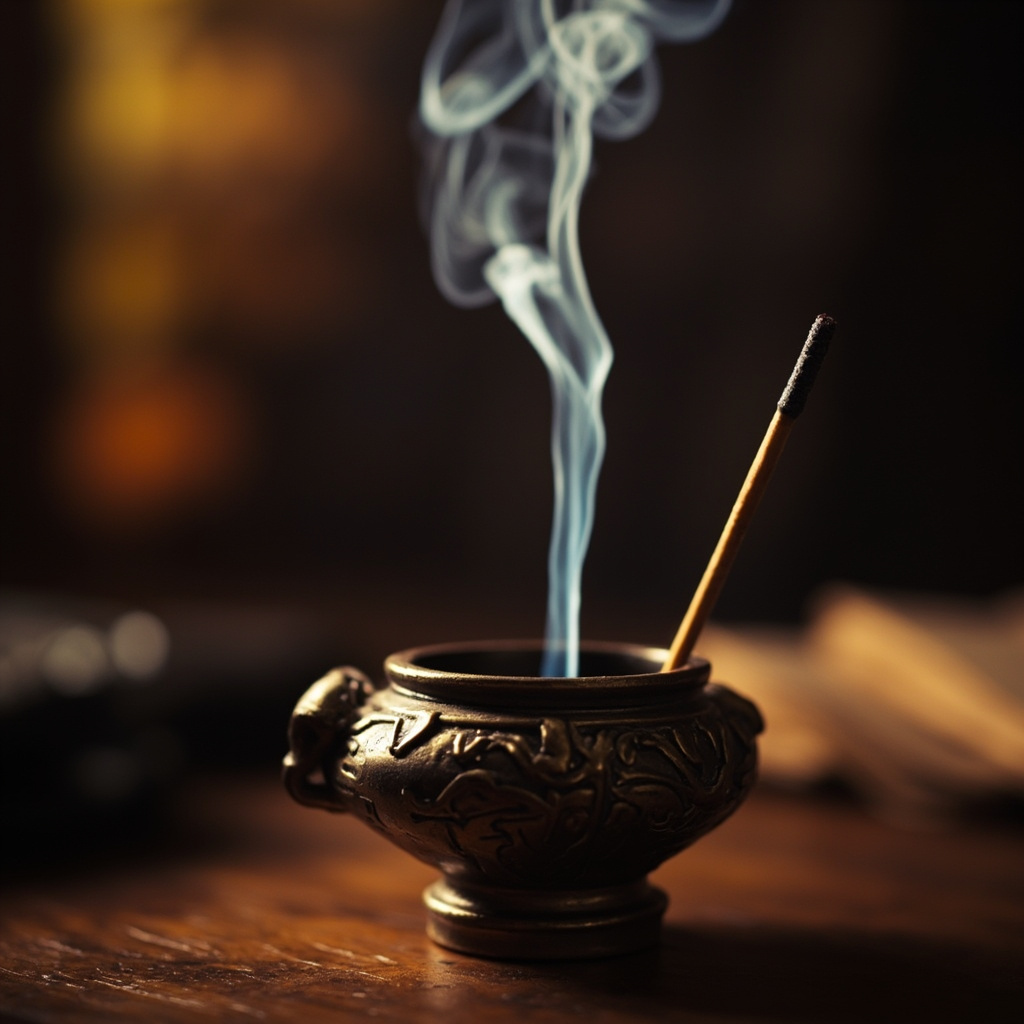
Direct-Burning Wood Chips (块香 / Kuàixiāng)
Pieces of aromatic wood or resin (agarwood, sandalwood, frankincense) placed directly on a heat source without further processing. This is the most traditional form in Chinese and Japanese incense practices.
Characteristics:
- Pure, uncompromised fragrance — no binder, no filler, no paper wrapper
- Most economical: you use exactly the amount you want, down to 0.1g
- Requires charcoal or electric heater
- Skill dependent: needs some practice to judge correct amount and heating temperature
Best for: Experienced practitioners, those who prioritize fragrance quality above all else.
Premade Incense Pellets and Tablets
Small, compressed pellets or tablets of powdered incense — common in Japanese kinara (incense burner) practice. These are neat, convenient, and allow for precise dosing.
Charcoal-Free Options
Several forms do not require charcoal:
- Charcoal-free sticks — Some sticks are made to burn without charcoal by incorporating a oxidizing agent in the tip
- Electric incense heaters — Work with any loose powder or chip; no combustion involved
- Aroma diffusers — Use essential oils or incense oil with a passive diffuser; no burning at all
Material Categories: What the Incense Is Made From
Wood-Based Incense
The most common category. Aromatic hardwoods ground into powder or used as chips. Examples:
- Sandalwood — Warm, creamy, persistent
- Agarwood (oud) — Dark, complex, resinous
- Cedarwood — Dry, woody, slightly camphoraceous
- Pine resin — Fresh, sharp, forest-like
Herb-Based Incense
Dried herbs, flowers, and plant materials. Examples:
- Lavender — Floral, calming
- Rose — Rich, romantic floral
- Mugwort — Bitter, earthy, slightly psychedelic
- Damiana — Sweet, herbaceous
Resin Incense
Natural tree resins, typically burned on charcoal for best results. Examples:
- Frankincense — Citrusy, piney, slightly smoky
- Myrrh — Dark, balsamic, medicinal
- Benzoin — Sweet, vanilla-like, warm
- Dragon’s Blood — Fruity, slightly sweet, deep red resin
Compound or Blended Incense (合香 / Hexiang)
Incense made by combining multiple base, supporting, and modifier materials in precise formulas. Most traditional Chinese and Japanese incense is compound — pure single-material incense is actually the exception rather than the rule.
Incense by Cultural Tradition
Chinese Incense (中国香)
Chinese incense tradition is characterized by complex hexiang (blended) formulas, typically using wood-based materials as the foundation. The emphasis is on the evolving fragrance profile over time — Chinese practitioners often value how a blend changes from the first note to the final dry-down. Materials commonly include sandalwood, agarwood, benzoin, dragon’s blood, and various aromatic herbs. Burning methods include sticks, powder on charcoal, and electric heaters.
Japanese Incense (日本香 / Kōdō)
Japanese incense tradition is more austere — focused on the pure fragrance of natural materials, often without complex blending. Common forms include full-stick incense (bamboo-free, rolled from pure material), and awase (浅香, layered blends burned in sequence). The Japanese tradition places great emphasis on the sound and behavior of the burning incense, not just the fragrance.
Indian Incense (Indianmasala)
Indian incense, often called masala incense, uses a paste of powdered materials (including aromatic spices, resins, and woods) rolled onto bamboo sticks. The paste contains a high proportion of fragrant materials relative to the stick, giving Indian masala sticks a rich, complex fragrance even at low burning temperatures. Popular scents include sandalwood, jasmine, rose, and patchouli.
Tibetan Incense
Tibetan incense is typically herb-based, made from a blend of Himalayan aromatic plants, juniper, and other local materials. It is often produced by monastic workshops using traditional recipes. Tibetan incense is characterized by a sharp, clean, slightly medicinal fragrance. Most Tibetan incense is stick form without bamboo core.
Korean Incense
Korean incense tradition is closely related to the Chinese tradition but has developed distinct characteristics, particularly the use of byeol (herbal) materials alongside woods and resins. Korean incense is typically burned on charcoal.
Middle Eastern Bakhoor and Oud
The Middle Eastern tradition centers on oud (agarwood) chips burned on charcoal, often with bakhoor — wood chips soaked in oud oil and other aromatic compounds. The fragrance is intense, resinous, and long-lasting. Bakhoor is typically placed in a muqarnas or censer with heated coals.
Choosing the Right Incense Form for Your Purpose
| Purpose | Best Form | Why |
|---|---|---|
| Daily home fragrance | Sticks or electric heater with powder | Easy, controllable, low smoke |
| Meditation practice | Powder on charcoal or electric heater | Maximum fragrance nuance; supports contemplative mood |
| Large room or temple | Coils or multiple sticks | Extended burn, fills large volume |
| Beginners | Sticks (standard bamboo-core) | No equipment needed; forgiving of technique |
| Experienced practitioners | Powder or direct-burning chips | Full control over fragrance; purest experience |
| Gift giving | Premium stick boxes or coiled incense | Attractive presentation; well-contained |
| Outdoor use | Coils or large sticks | Wind-resistant; long burn time |
| Sleep/bedroom | Electric heater with light powder, or very thin sticks | Minimal smoke; controlled intensity |
Incense Safety by Form
Sticks: Fire risk from knocked-over sticks. Always use a proper holder with a wide base. Never leave burning unattended.
Cones: Fire risk if the cone collapses onto flammable material. Use a stable, non-flammable holder. The initial burst of smoke can be intense — ensure ventilation.
Powder (charcoal): Hot charcoal is a fire risk. Never touch hot charcoal with bare hands. Allow to cool fully before disposal. Smoke output is significant in the first 2 minutes.
Coils: Extended burn means extended fire risk. Place on a stable, non-flammable surface away from drafts that could blow embers. Never leave a burning coil unattended.
Frequently Asked Questions
Which incense type produces the least smoke?
Electric incense heaters with loose powder produce virtually no visible smoke — the material is gently heated rather than burned, releasing fragrance as a vapor. This is the best option for those sensitive to smoke or using incense in smoke-detecting environments.
Which incense type has the strongest fragrance?
Direct-burning agarwood or oud chips on charcoal produce the most concentrated fragrance of any form. A single 0.2g chip of high-grade agarwood can fill a large room with complex fragrance for 30+ minutes.
Can I mix different incense forms?
You can burn different forms, but not simultaneously in the same space — the fragrances will compete and create olfactory confusion. If you want to explore different forms, burn one, air out the room, then try another.
Why do some sticks smell different when burning vs. when cold?
The cold scent (from rubbing the stick) gives you the fragrance of the aromatic materials in the blend. The burning scent reveals how the heat transforms those materials — some compounds are only released at specific temperatures, creating a different and often more complex experience. Always evaluate incense by its burning scent, not the cold rub.
What is the cleanest burning incense?
Natural incense made from pure botanical materials — without synthetic fragrance oils, chemical binders, or bamboo cores — produces the cleanest smoke and is safest for regular indoor use. Look for products that list specific botanical ingredients rather than “fragrance” or “parfum.”
Related Articles