
Stress does not wait for you to arrive home. It accumulates in meetings, in commutes, in the ninety seconds between back-to-back calls when you finally have a moment to breathe. Most stress management advice assumes you have time, space, and privacy. Your office does not come with these. What you do have is a desk, a chair, and approximately three minutes if you are strategic about it.
Incense is not the first thing most people think of when they consider workplace wellness. But burning incense at your desk is one of the most effective immediate interventions for acute stress available. Not because the aroma is pleasant, though it is. Because of how specific aromatic compounds interact with your nervous system within seconds of exposure.
The Stress Response and Aromatic Intervention
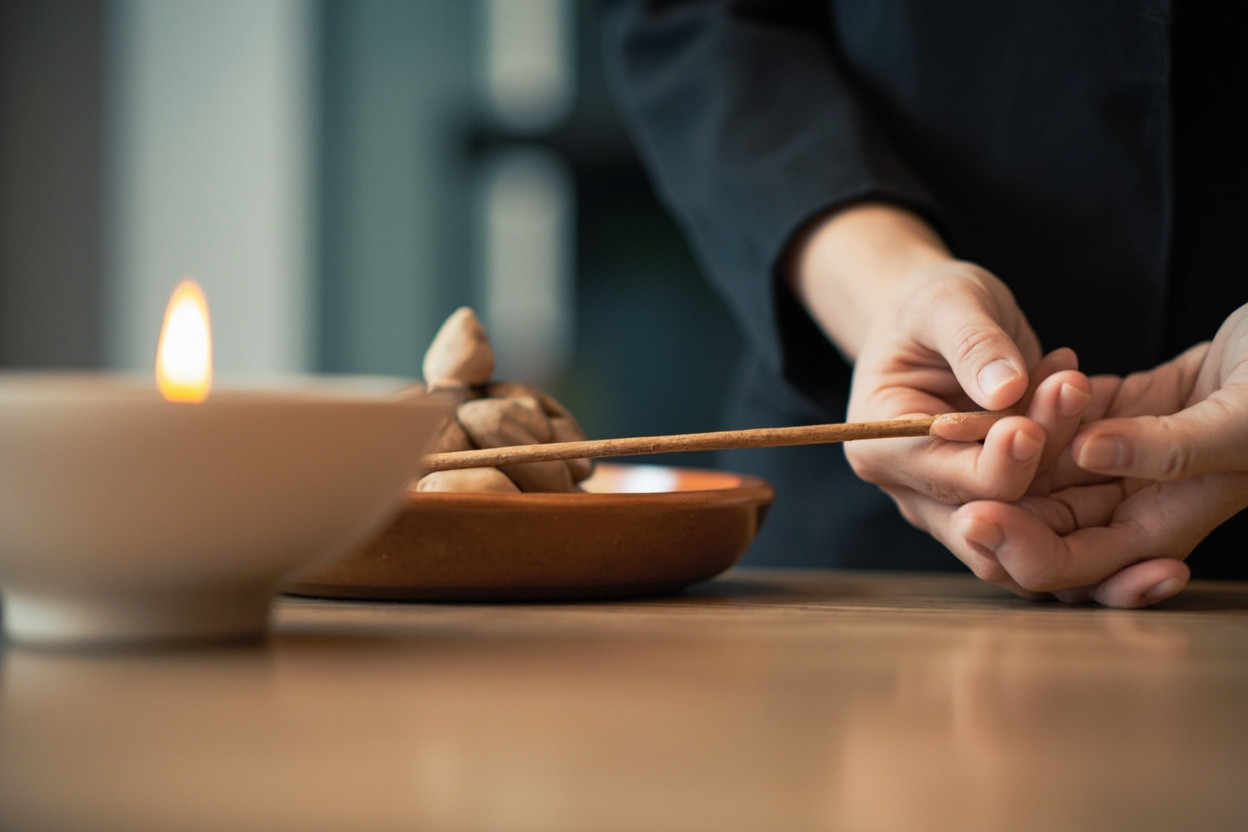
When your body perceives stress, the amygdala triggers the hypothalamic-pituitary-adrenal axis, releasing cortisol and adrenaline. This is the fight-or-flight response that served your ancestors well when the threat was a predator. In modern offices, it activates during deadlines, difficult conversations, and the slow accumulation of unresolved tasks.
Certain aromatic compounds interrupt this cascade. Lavender contains linalool, which has documented anxiolytic effects via GABAergic system modulation. Sandalwood contains santalol, which reduces cortisol levels without sedation. The mechanism is not psychological, not about feeling calmer because the smell is pleasant. The mechanism is physiological, and the effect begins within approximately thirty seconds of exposure.
The herbs for Workplace Stress
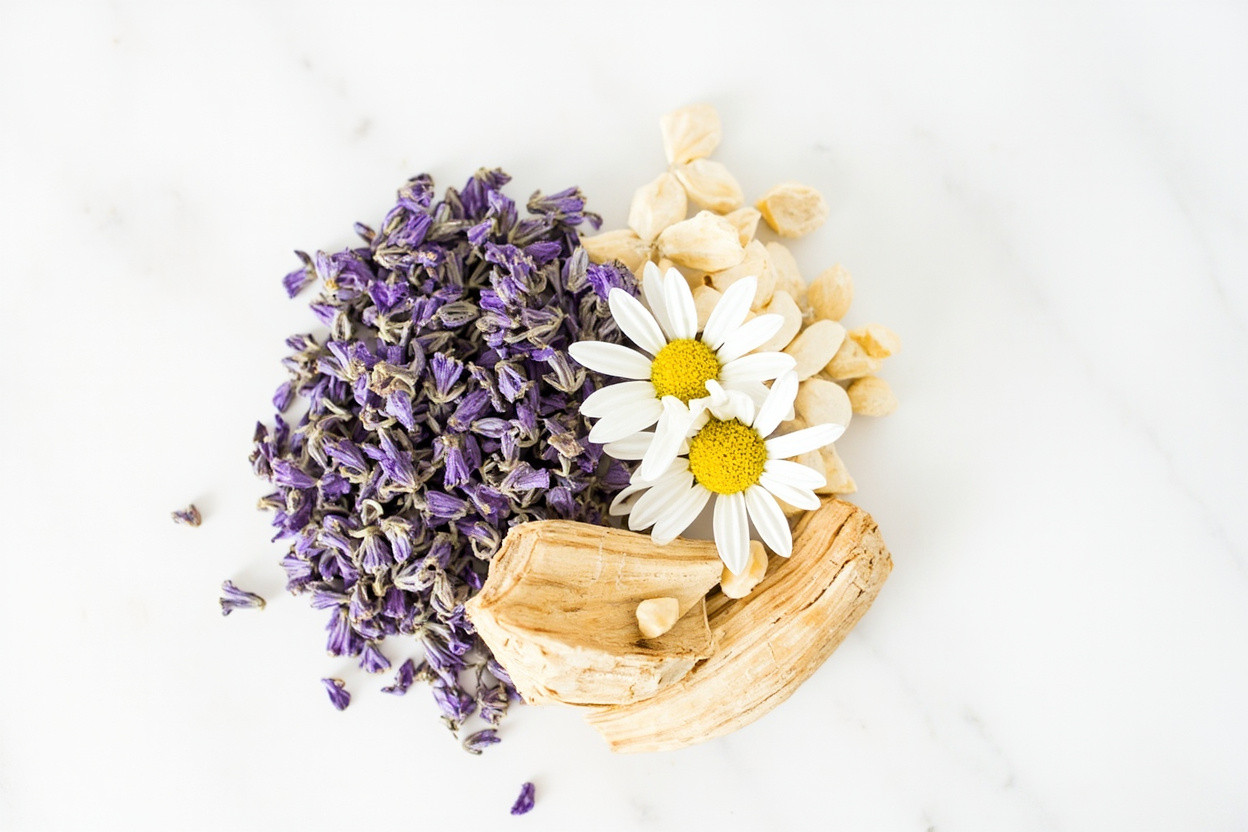
Lavender (薰衣草) – The most studied anxiolytic aromatic. Essential for acute stress. Use when the deadline is in two hours and your hands are shaking. Burning time: fifteen minutes. Effect duration: ninety minutes after you stop.
Chamomile (甘菊) – Calming without sedating. Particularly effective for the specific stress that comes from being overwhelmed, from having too much to do and not enough time. The classical texts describe it as “settling scattered spirit.”
Sandalwood (檀香) – The baseline. Use every day as maintenance rather than intervention. The cumulative effect of daily sandalwood burning at your desk creates a stress-buffering effect that compounds over weeks. Not acute intervention, long-term prevention.
The Three-Minute Protocol
When stress spikes and you have three minutes:
One: Light the incense. Not at your desk. At arm length, on the opposite side of the room if possible. The point is not proximity. The point is the action, the intentional pause.
Two: Close your eyes. Thirty seconds of slow breathing. Four counts in, four counts hold, four counts out. This is not meditation. This is just breathing.
Three: Open your eyes. Return to the task. The incense will continue burning for twenty minutes. The aromatic environment continues working for ninety minutes after it stops.
The Maintenance Protocol
For chronic workplace stress, not acute spikes: burn sandalwood at your desk every morning for twenty minutes before the work day begins. This is not about immediate stress relief. This is about building a baseline of reduced reactivity. After four weeks of consistent practice, most people report that the same stressors that previously triggered strong stress responses now trigger moderate responses. The cumulative effect of daily aromatic exposure changes your stress threshold.
Frequently Asked Questions
Is it appropriate to burn incense at my desk?
Depends on your workplace culture. In most professional environments, an electric incense burner producing no visible smoke, with a subtle fragrance, is no more disruptive than a colleagues perfume. The key is discretion: sandalwood rather than patchouli, 0.2 grams rather than a full stick, a burner that does not produce visible smoke.
Will my coworkers complain?
Probably not if you are subtle. The most common complaint about workplace fragrances is intensity. You want aroma that is present only when someone is within two feet of your desk. If someone needs to be close to you to notice it, you have the concentration right.
How is this different from stress relief medication?
Incense is not medication. It does not eliminate stress or change your perception of stressors. What it does is modulate your physiological response to stress, reducing the intensity of the stress reaction. You still have work to do. You just do it with a lower cortisol baseline.
Related Articles
Try It Tomorrow Morning
Tomorrow morning, before your first meeting, before your first email, before anyone else arrives: light 0.2 grams of sandalwood. Wait seven minutes. Then begin. Notice the difference in your baseline stress level by noon.