
Burning incense involves fire, smoke, and heat. Treat it carelessly and you risk house fires, smoke damage, or health problems from prolonged exposure. This guide covers everything you need to practice safely – so fragrance enhances your life instead of creating new problems.
Fire Safety: The Non-Negotiable Rules
Never leave burning incense unattended. This is the most common cause of incense-related fires. If you leave the room, extinguish the incense first.
Keep incense away from anything flammable: curtains, bedding, books, clothing. The ember at the tip of a burning stick can exceed 500 degrees Celsius. At that temperature, it will ignite most common materials given direct contact.
Place burners on stable, non-combustible surfaces. A ceramic dish on a wooden desk works. A paper fan next to an open candle does not.
Keep burning incense away from ceiling fans, air vents, and anywhere drafts could cause the ember to fall off the stick onto a flammable surface below.
Smoke Safety: Ventilation Is Not Optional

Incense smoke contains particulate matter, carbon monoxide, and other combustion byproducts. While occasional exposure is generally safe for healthy adults, prolonged exposure to heavy smoke in poorly ventilated spaces can cause respiratory irritation and exacerbate asthma or other conditions.
The solution is not to burn less incense – it is to ensure proper air circulation. A cracked window, a door that allows air exchange, a small fan pointed away from the burner. You want fresh air mixing with the smoke, not smoke accumulating.
If you burn incense daily, consider an air purifier with a HEPA filter in the same room. This removes particulate matter and keeps the air clean even with regular burning.
Surface Safety: Protecting Your Furniture
Incense burners get hot. Very hot. Placing a burner directly on wooden furniture, plastic surfaces, or any material sensitive to heat will cause damage over time. Always use a heat-resistant base or trivet between the burner and your furniture.
Ash is also corrosive to metal surfaces over time. Clean up ash regularly and do not let it accumulate on metal surfaces or inside burners that are not designed for ash collection.
Ash and Ember Disposal: Wait Before Touching
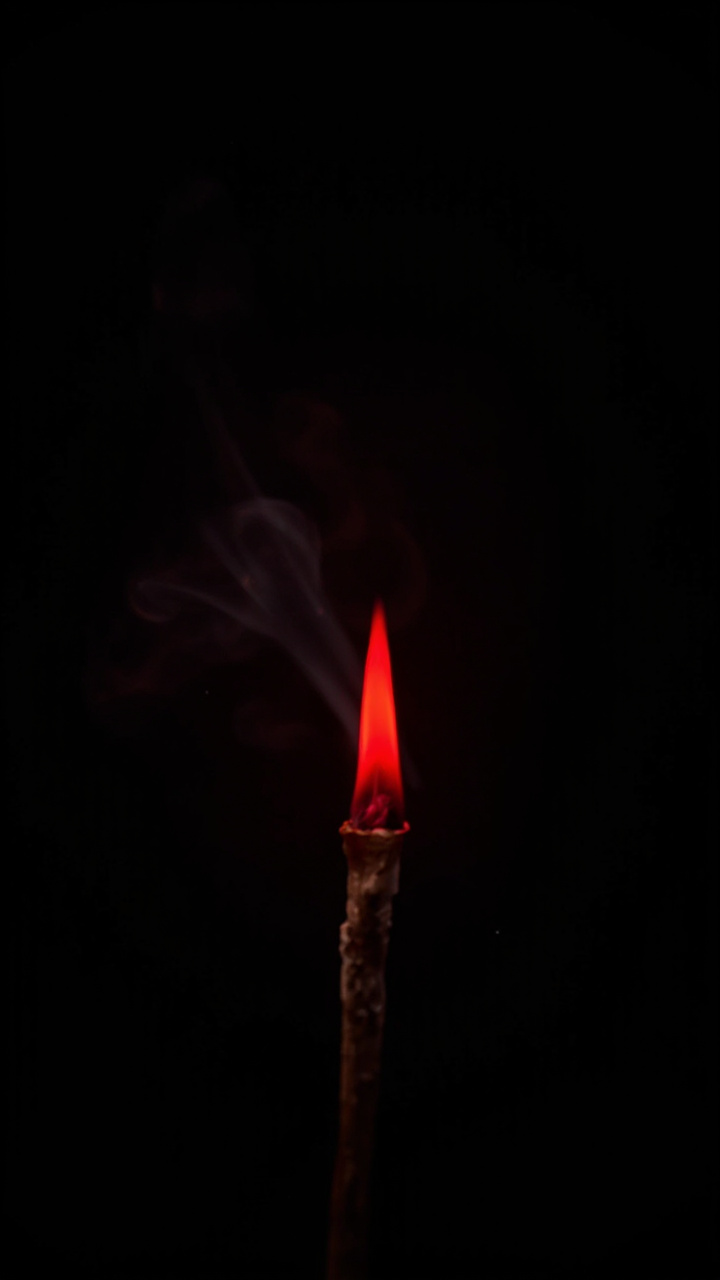
Ash from incense can remain hot enough to cause burns for up to an hour after the flame appears to have gone out. Never handle ash immediately after extinguishing an incense stick. Wait at least 30 minutes, or until the ash is completely cool to the touch.
Dispose of ash in a metal container with a lid – never in plastic trash bins. A single ember hidden in ash can reignite and cause a fire in your trash.
Special Considerations: Children, Pets, and Pregnancy

Children and pets should not have unsupervised access to burning incense. The smell may attract curious children or animals to touch the ember, and smoke exposure affects them more acutely than adults due to smaller lung capacity and developing respiratory systems.
If you are pregnant, burning incense in well-ventilated areas is generally considered safe, but heavy smoke exposure should be avoided. Consult your healthcare provider if you have specific concerns about incense use during pregnancy.
Long-Term Storage of Incense Materials
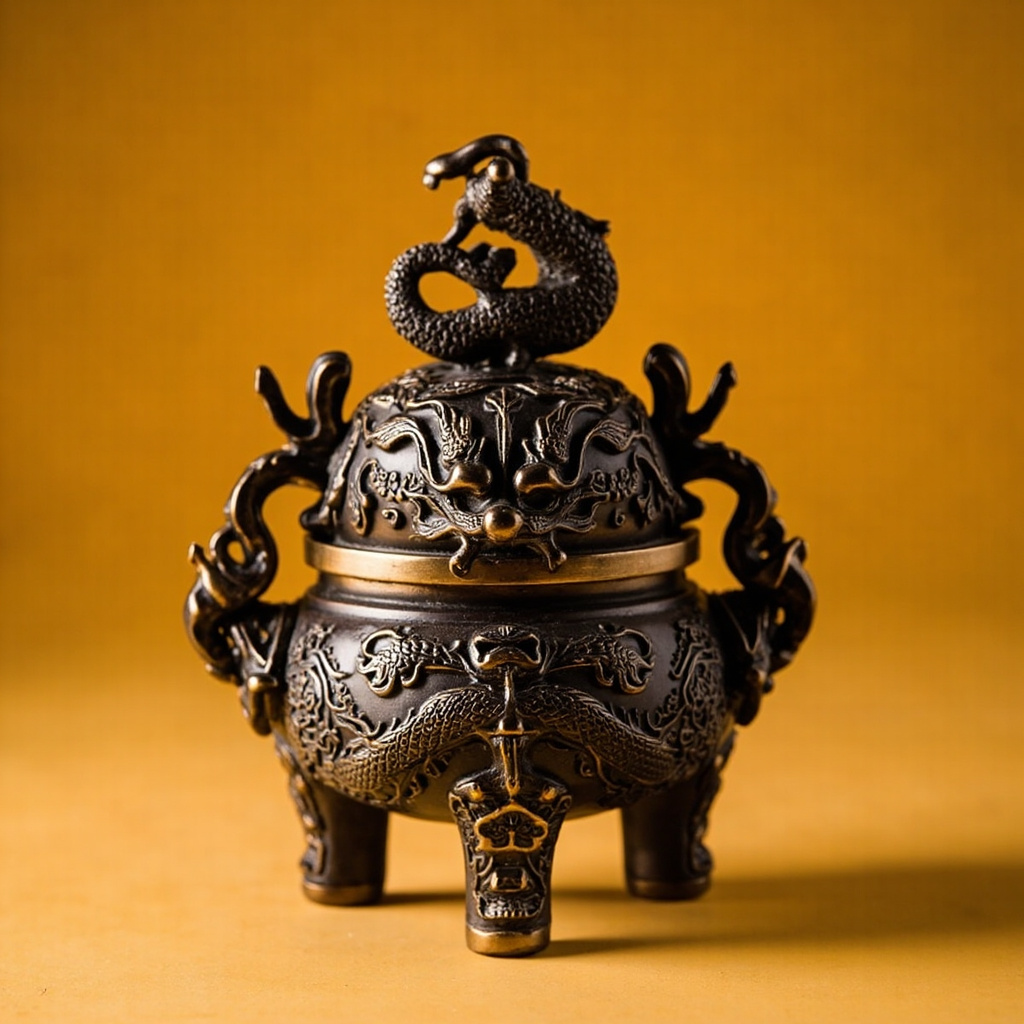
Store incense materials in airtight containers away from humidity, direct sunlight, and temperature extremes. Heat and moisture degrade aromatic resins and reduce fragrance quality. Quality agarwood stored improperly will lose its potency within months.
Keep all incense materials away from children and pets – not just when burning, but in storage. Some materials can be toxic if ingested.
Related Articles
- 5 Common Mistakes New Incense Users Always Make
- How to Burn Incense Safely: A Practical Guide
- Xiangdao for Complete Beginners: Your 7-Day Starter Plan
Frequently Asked Questions
Is incense smoke dangerous?
Occasional incense burning in well-ventilated spaces is generally safe for healthy adults. However, incense smoke contains particulate matter and combustion byproducts that can cause respiratory irritation with prolonged heavy exposure. People with asthma, COPD, or other respiratory conditions should use extra caution and ensure good ventilation. Burning incense as occasional ambient fragrance in a well-ventilated room is very different from burning large quantities in a small sealed space.
Can I burn incense while sleeping?
Burning incense in a bedroom while sleeping is not recommended. You cannot monitor the flame for safety hazards, and prolonged smoke exposure while unconscious is inadvisable. If you want to enjoy incense before sleep, burn it earlier in the evening, ensure the room is well-ventilated, and extinguish it completely before sleeping.
What should I do if I burn myself?
Run the burned area under cool (not cold) water for 10-20 minutes. Do not use ice, butter, or any home remedies. If the burn is larger than a small coin, appears white or leathery, or develops blisters, seek medical attention. Ember burns from incense are usually small and superficial – cool water and patience are the treatment.