The Most Fundamental Form of Chinese Incense
Before there were incense sticks, before coils, before any shaped form, there was powder. Incense powder — called xiangfen (香粉) in Chinese — represents the purest, most elemental form of fragrant material. Everything else evolved from this starting point.
When you understand incense powder, you understand the foundation. The quality of any incense product ultimately depends on the quality of its powder. Sticks are just powder bound with water and binder. Coils are just powder shaped and dried. Even wooden incense holders often feature powder burned on charcoal as the original method.
This article explores why powder matters, how it’s made, and why serious practitioners eventually circle back to this most fundamental form.
What Exactly Is Incense Powder?
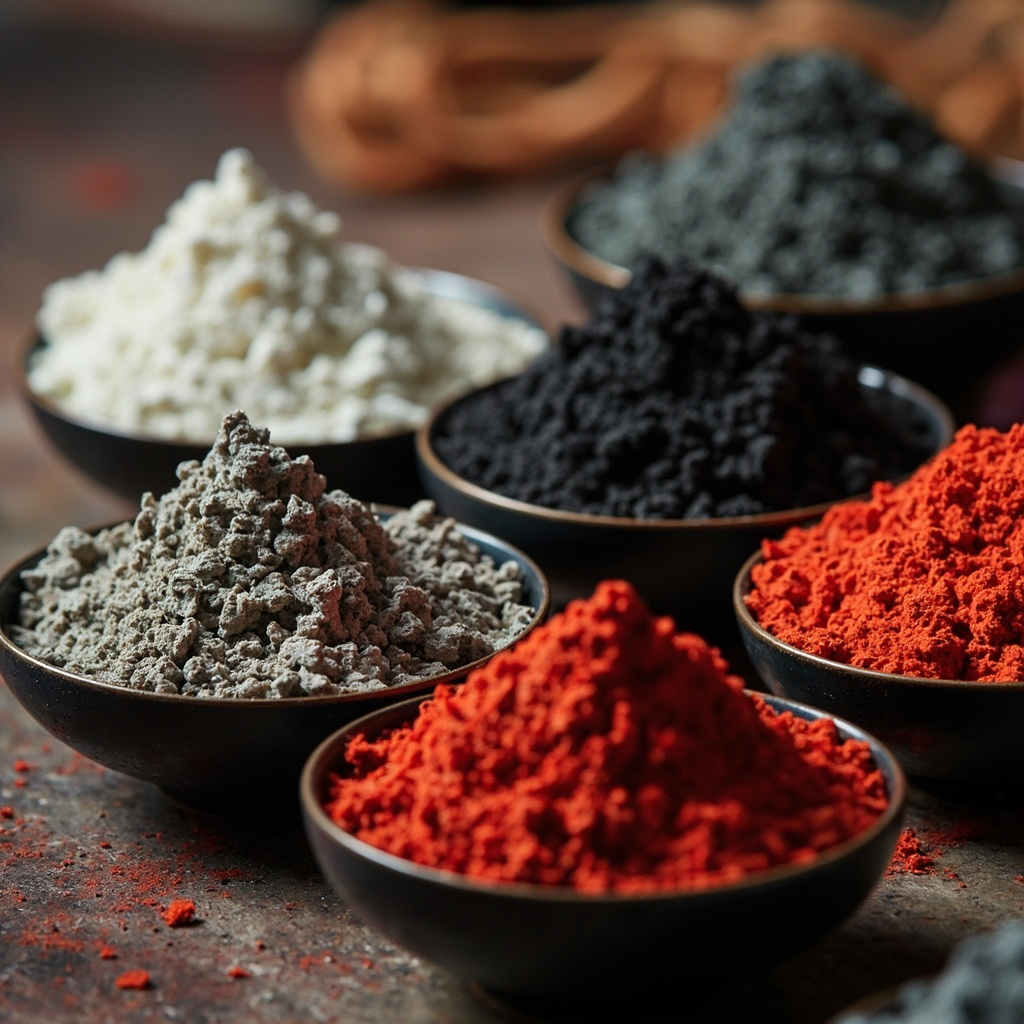
Incense powder is exactly what it sounds like — finely ground aromatic material. But not all powders are equal. The difference between quality powder and inferior powder is the difference between wine and grape juice concentrate.
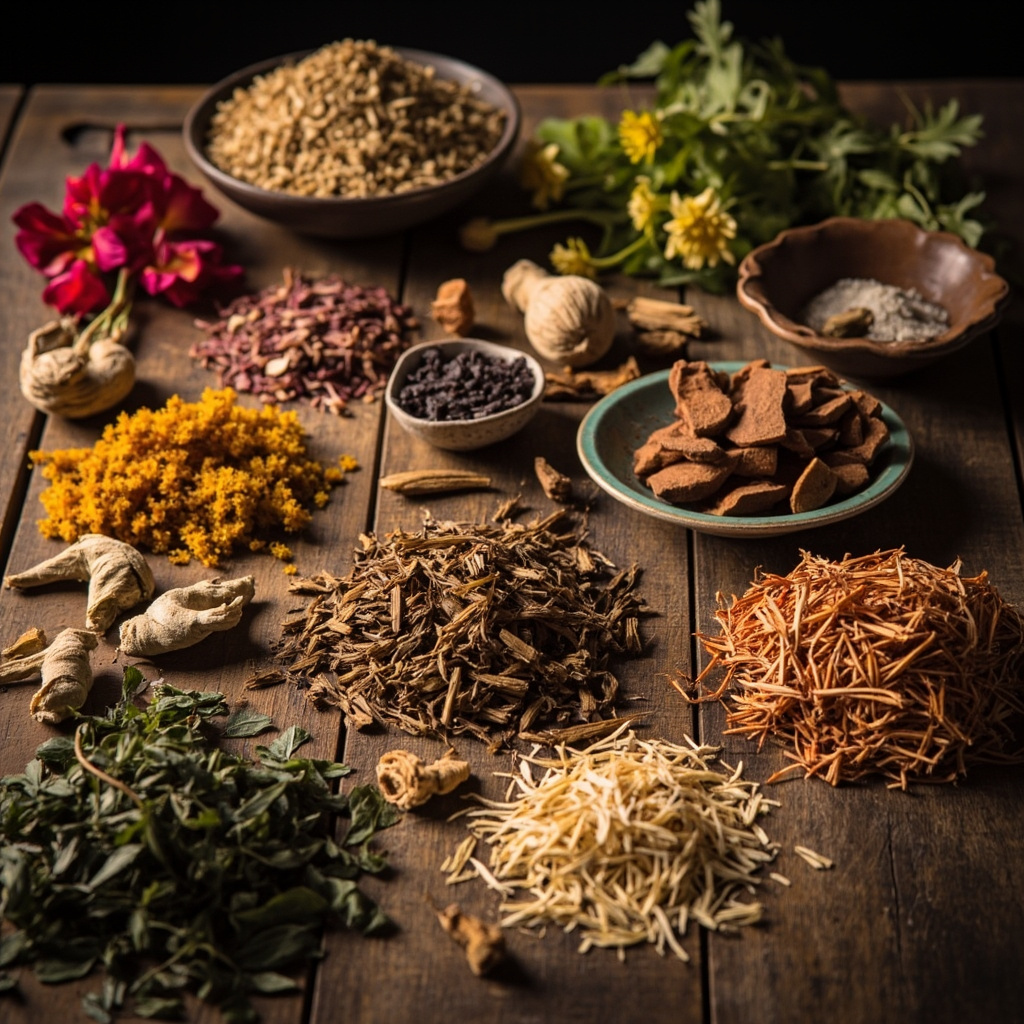
Material sources include wood-based materials like sandalwood and agarwood, resin-based materials like frankincense and myrrh, bark-based materials, and blends combining multiple elements. Each produces different fragrance characteristics.
Grind levels vary from relatively coarse (still visible to the eye) to extremely fine (practically dust). Finer powder burns more evenly and releases fragrance more gradually, but requires more skill to handle properly.
Purity matters. Some commercial powders cut corners — adding clay, talc, or other fillers to increase volume. Quality powder is pure aromatic material, nothing else.
A Brief History of Incense Powder in China
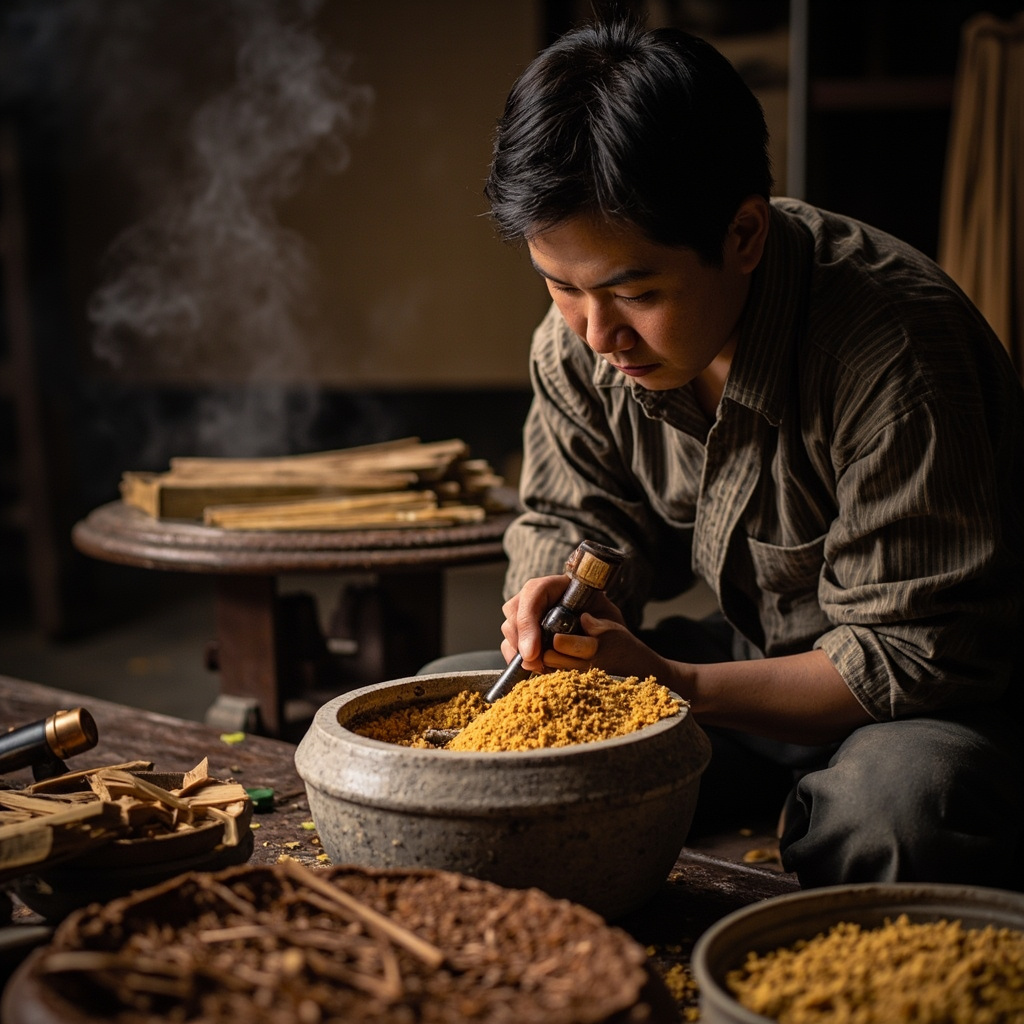
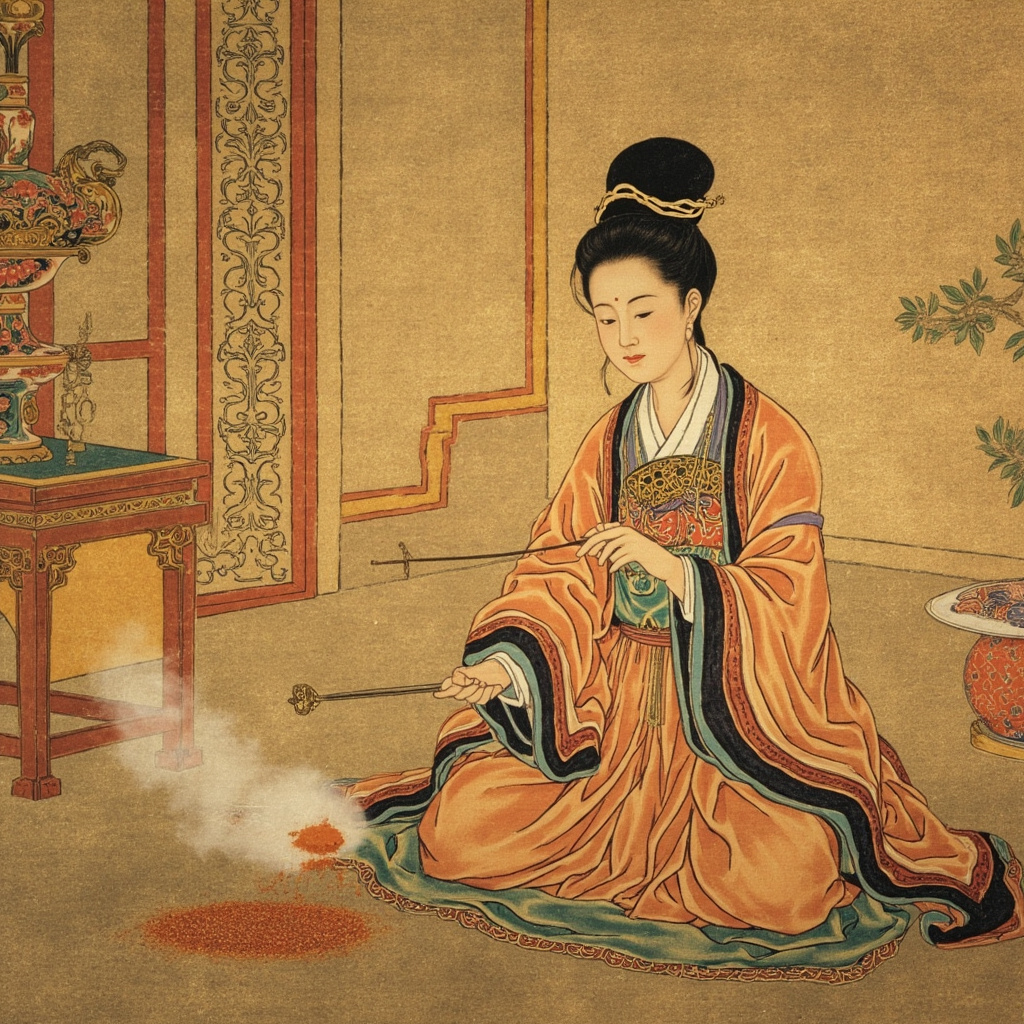
Ancient Chinese texts describe grinding fragrant woods and resins by hand, often in Buddhist and Daoist contexts where purity of practice mattered. Historical illustrations from the Tang Dynasty show scholars and nobles with powder preparation equipment at their desks.
The classical method involved grinding materials just before burning, preserving maximum freshness and fragrance potency. This contrasts with modern practice where powders might be stored for months before use.
During the Song Dynasty, when xiangdao (incense culture) reached its peak refinement, powder preparation became an art form in itself. The quality of one’s powder and the skill of one’s preparation became markers of cultivation and taste.
How to Burn Incense Powder
Burning powder requires more equipment than lighting a stick, but the process rewards the extra effort.
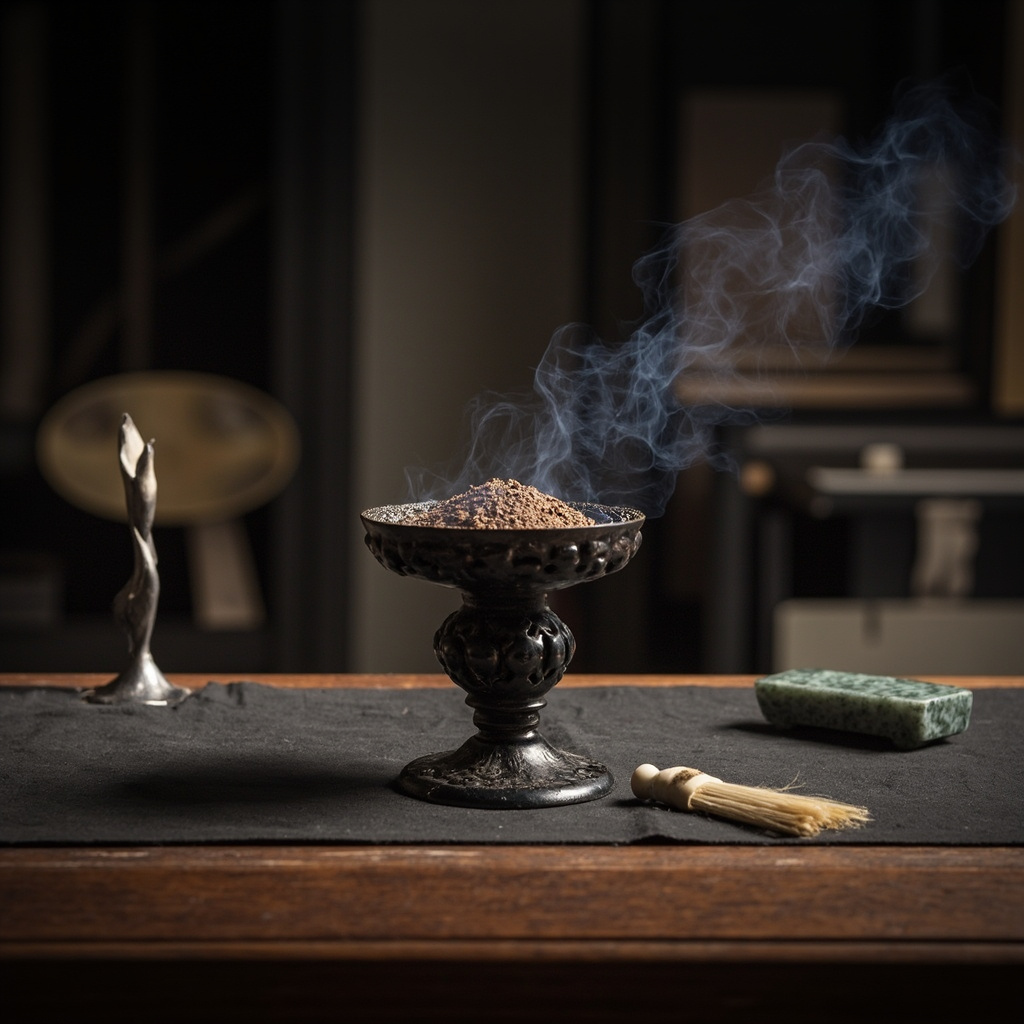
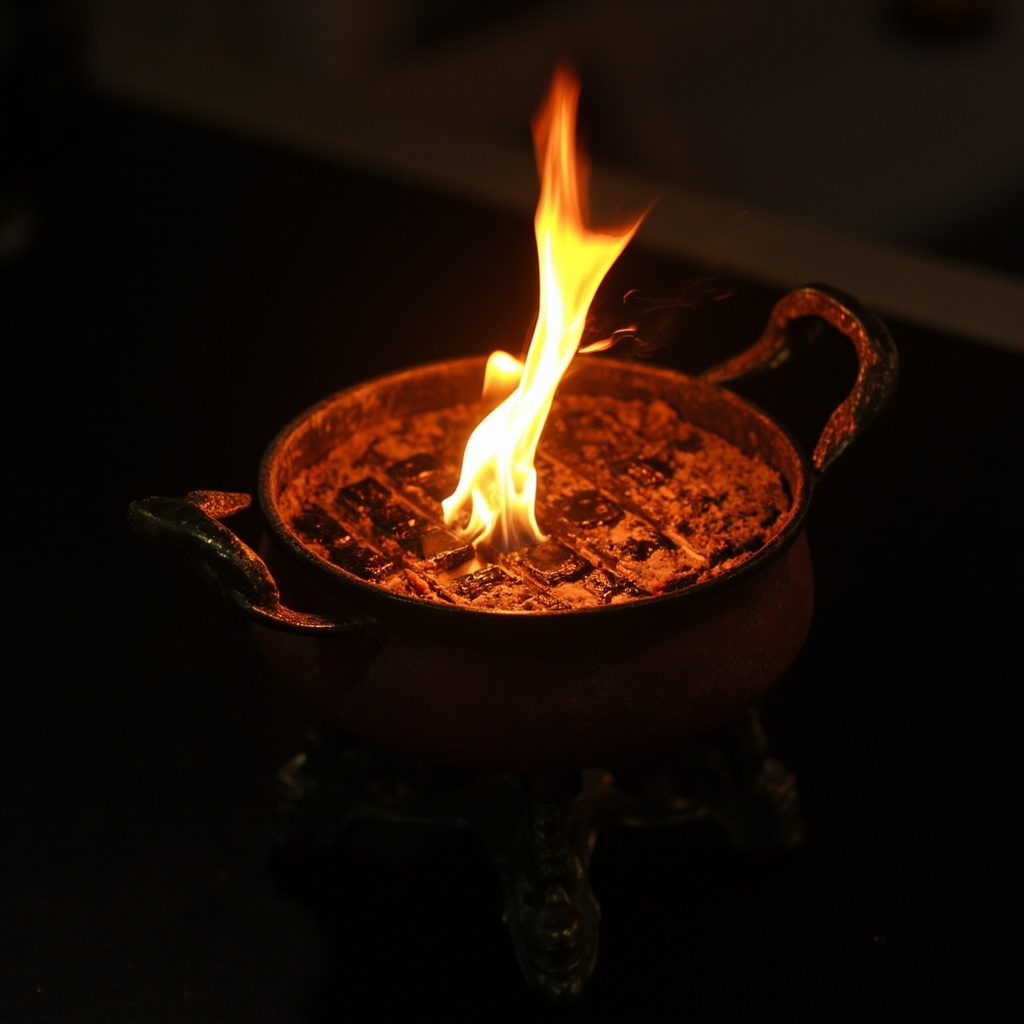
The charcoal method is traditional and preferred by purists. Small pieces of charcoal (usually shaped as pyramids or cylinders) are lit until glowing, then placed in a bowl of ash or on a metal screen. A small amount of powder is placed on top. The heat releases fragrance without direct flame.
Electric burners offer a modern alternative. Temperature-controlled surfaces allow precise fragrance release without smoke or fire. Some practitioners frown on this method as lacking authenticity; others appreciate its convenience.
Quantity matters. Unlike sticks where burning time is predetermined, powder lets you control intensity through amount. Start conservative — you can always add more, but excess overwhelms and wastes material.
Grading and Quality
Not all incense powder deserves the name. Quality varies enormously.
Pure materials — Powder made from single ingredients, like pure sandalwood powder, offers the cleanest expression of that material’s fragrance. No blending, no masking, just the wood itself.
Blended powders — Traditional formulas often involve precise blends of multiple materials, each chosen to complement or enhance the others. These hexiang (合香) powders represent generations of refinement.
Commercial powders — Many products marketed as incense powder contain significant non-aromatic fillers. If the price seems too good to be true, it probably is.
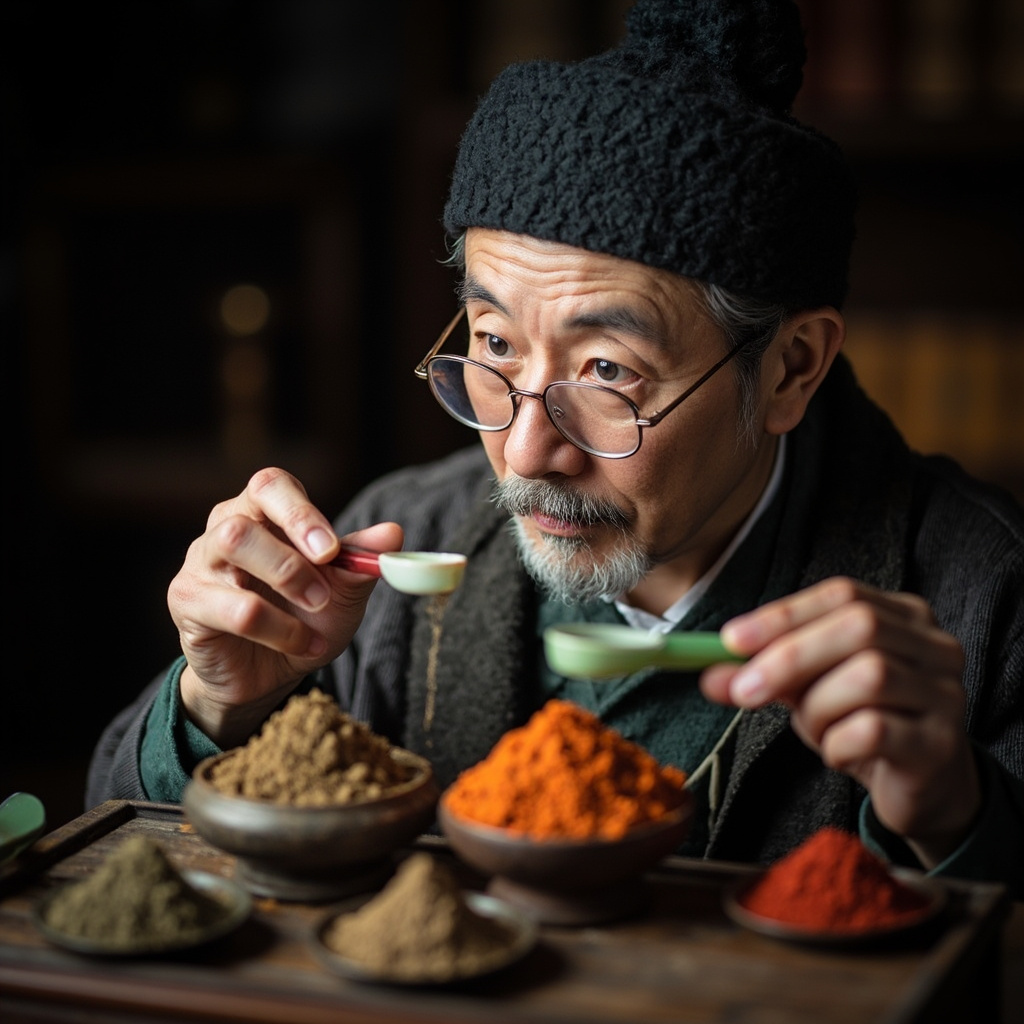
Aroma test — Quality powder smells complex even at room temperature. If it smells flat or one-dimensional cold, the fragrance will be worse when burning.
Why Use Powder Instead of Sticks?
Sticks dominate the modern market for good reason — convenient, predictable, beginner-friendly. So why bother with powder at all?
Purity — No binders, no fillers, just aromatic material. What you smell is exactly what the material is, without interference from binding agents.
Flexibility — Powder can be blended to taste. Create your own combinations, adjust ratios, experiment freely. Commercial sticks offer no such flexibility.
Control — Burn as much or as little as you want. Control intensity by controlling quantity. Sticks are all-or-nothing.
Depth — Many practitioners report that powder reveals subtleties invisible in stick form. Fragrance layers emerge that sticks never show.
Traditional connection — For practitioners interested in classical xiangdao, powder connects you to the original practice. The Tang and Song masters burned powder. Understanding powder means understanding incense’s roots.
Making Your Own Powder
Grinding your own incense powder connects you to the material in ways buying готовых продуктов cannot match.
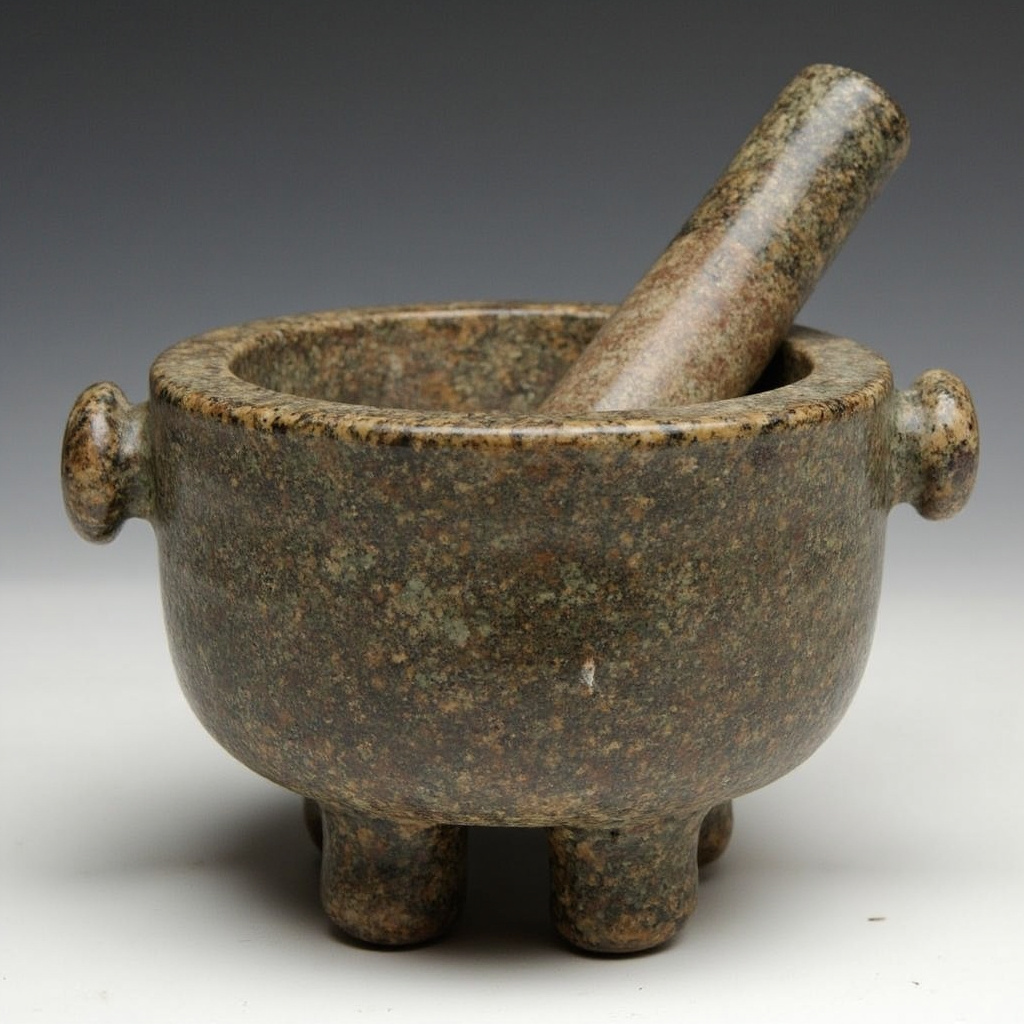
Equipment — Traditional stone mortars and pestles work beautifully but require physical effort. Mechanical grinders speed the process but may generate heat that damages fragrance compounds. A dedicated herb grinder offers a middle path.
Materials — Start with a single wood — good quality sandalwood or agarwood chips. Grind to the consistency you prefer. Experiment with different grind levels to understand how texture affects burning.
Storage — Fresh powder is more potent than stored powder. Grind small quantities for immediate use. Store excess in airtight containers away from light and heat.
Safety — Dry materials grind more easily and store better, but the dust created is intensely concentrated. Work in ventilated areas. Don’t inhale dust from any aromatic material.
Common Mistakes with Powder
Too much heat — Excessive heat burns rather than releases fragrance. Start with small amounts and low heat. You can always increase.
Direct flame — Burning powder directly in flame creates smoke, not fragrance. Always use indirect heat via charcoal or electric burner.
Poor ventilation — Unlike sticks which burn relatively cleanly, powder can produce more visible smoke if airflow is wrong. Ensure adequate ventilation.
Expecting stick results — Powder offers different experiences than sticks. If you approach powder expecting stick-fragrance from stick-equivalent effort, disappointment follows. Accept the method on its own terms.
The Bottom Line
Incense powder represents both the most traditional and most demanding form of Chinese incense practice. It requires more equipment, more skill, and more attention than lighting a stick. Yet for those willing to learn its ways, it offers rewards unavailable elsewhere.
Whether you eventually make powder your primary practice or simply appreciate its role in understanding incense’s fundamentals, knowing about xiangfen enriches your overall appreciation. Every stick begins as powder. Understanding that starting point illuminates everything that follows.
Start with small experiments — buy quality powder, try burning it properly, notice what you experience. Your first attempts may not rival sticks for convenience, but they might reveal aspects of fragrance you’ve never noticed before.
Frequently Asked Questions
Is incense powder safe to use?
When used properly with appropriate ventilation, quality incense powder is safe. Avoid inhaling dust, ensure adequate airflow, and use common sense. Those with respiratory conditions should exercise additional caution.
How long does incense powder last?
Properly stored powder — airtight, cool, dark — maintains fragrance for months to years depending on the material. Resins keep longer than wood-based powders. Fresh grinding provides maximum potency.
Can I mix different powders together?
Absolutely. Traditional hexiang often involves blending multiple powders. Start experimenting with simple two-material combinations and expand as you develop your palate. Traditional formulas offer guidance, but personal creativity has no limits.
Do I need special equipment for powder?
Minimum requirements: something to hold the powder, a heat source (charcoal or electric), something to contain the heat. Traditional setups use specific vessels, but improvised alternatives work for beginners. Quality equipment enhances the experience but isn’t mandatory to start.