Beyond sticks and coils, traditional Chinese incense comes in forms that most Western practitioners never encounter: compressed pellets, honey pills, and molded cakes. These formats are the foundation of classical hexiang blending and offer control over burning that sticks simply cannot match. Here is everything you need to know about pills, pellets, and cakes.
What Are Incense Pills and Cakes?
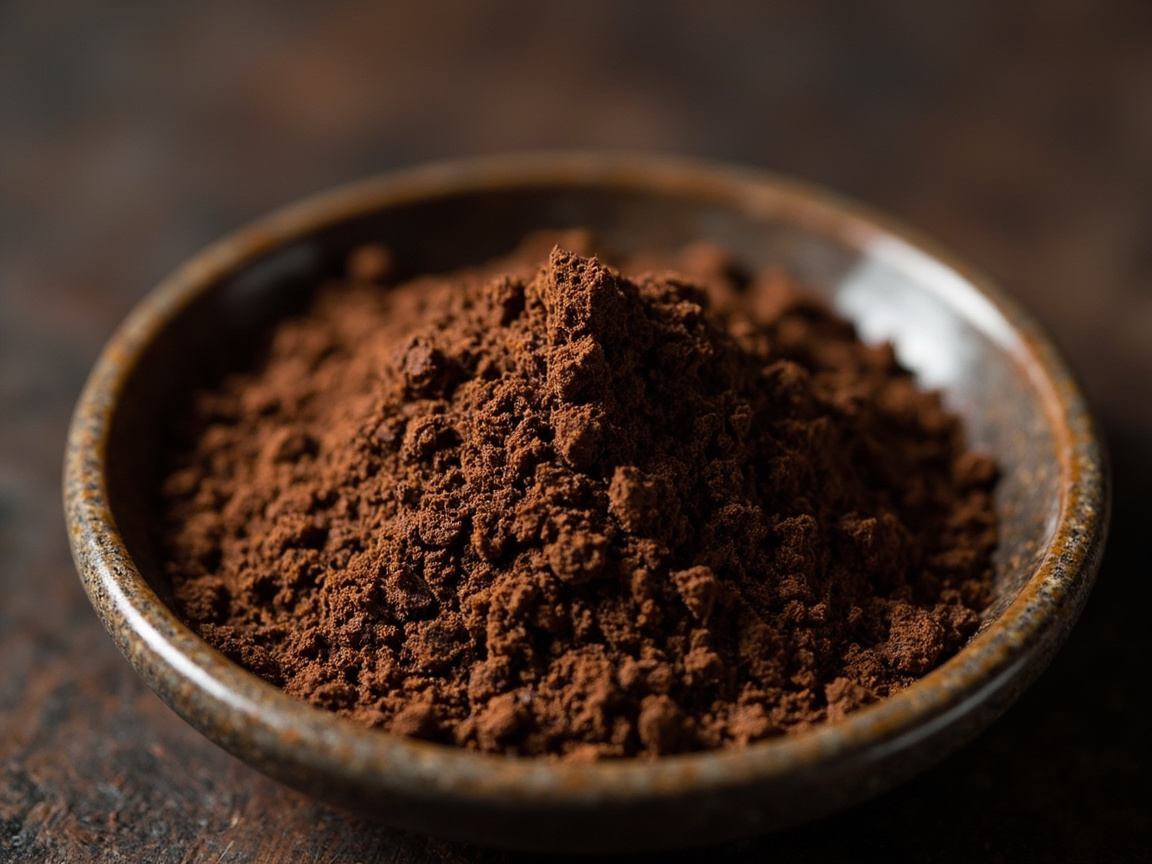
Incense pills (丸, wan) and cakes (饼, bing) are compressed forms of incense powder, sometimes mixed with a binder and sometimes pressed without. The compression process serves several purposes:
First, it concentrates fragrance. Removing air from the powder makes the material denser and burns more slowly. Second, it creates consistent burning. Pills and cakes burn at a more predictable rate than hand-rolled sticks. Third, it preserves volatile compounds. Compression seals the material, slowing oxidation and preserving fragrance in storage.
Types of Compressed Incense

Xiang Wan (香丸) – Incense pellets. Small round pills, typically pea-sized, made from powdered incense mixed with a binding agent – historically honey or glue from animalhide. The honey adds sweetness and helps the pill hold its shape. Burned directly on ash or in a specialized pellet burner.
Xiang Bing (香饼) – Incense cakes. Larger compressed rounds, often coin-shaped or oval. Thicker than pellets and burn longer. Common in Qing Dynasty palace incense practice. Some xiang bing are specifically designed for indirect burning (ge huo) and have a slight concave shape to hold the material above the heat source.
Xiang Zhuan (香砖) – Incense bricks. Larger compressed blocks, not round at all. Used for very long burns – a single brick can burn for days. Traditional in some Buddhist temple contexts.
How Pills and Cakes Are Made
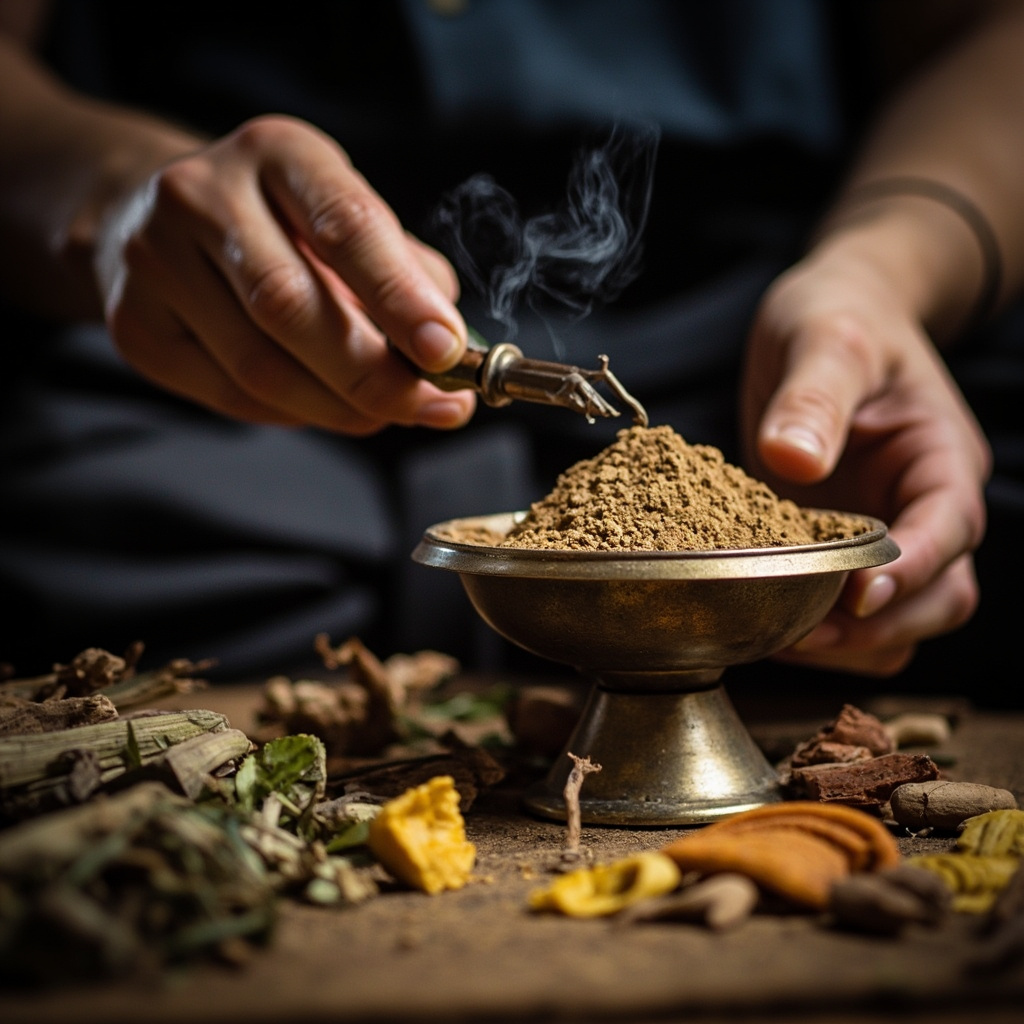
The process of making incense pills and cakes follows classical protocols documented in texts like the Xiang Cheng:
First, ingredients are ground separately into fine powder. Each material is processed individually because different ingredients require different grinding times and techniques. Some materials are ground wet to preserve volatile compounds; others are ground dry.
Second, the powders are combined according to the formula. Classical formulas specify ratios measured by weight, but skilled practitioners adjust by feel based on the quality of individual batches of material.
Third, a binder is added. Honey is most common – it adds its own fragrance, acts as a preservative, and creates a smooth texture when compressed. The amount of honey must be precise: too much creates a gummy pill that burns poorly; too little produces pills that crumble.
Fourth, the mixture is compressed in molds. Traditional molds are bronze; modern practitioners use wooden or plastic molds. The compression must be firm and even – air pockets create uneven burning.
How to Burn Pills and Cakes
Pills and cakes can be burned two ways:
Direct: Place the pill on a bed of ash in your burner, light the edge with a match, and let it burn. This is simpler but produces more smoke and less nuanced fragrance than indirect methods.
Indirect (Ge Huo): Place the pill on a thin metal disc or ceramic piece above your heat source. This method heats the pill without direct flame contact, releasing fragrance more gradually and with greater subtlety. For quality materials, indirect burning is strongly preferred.
Storage and Aging
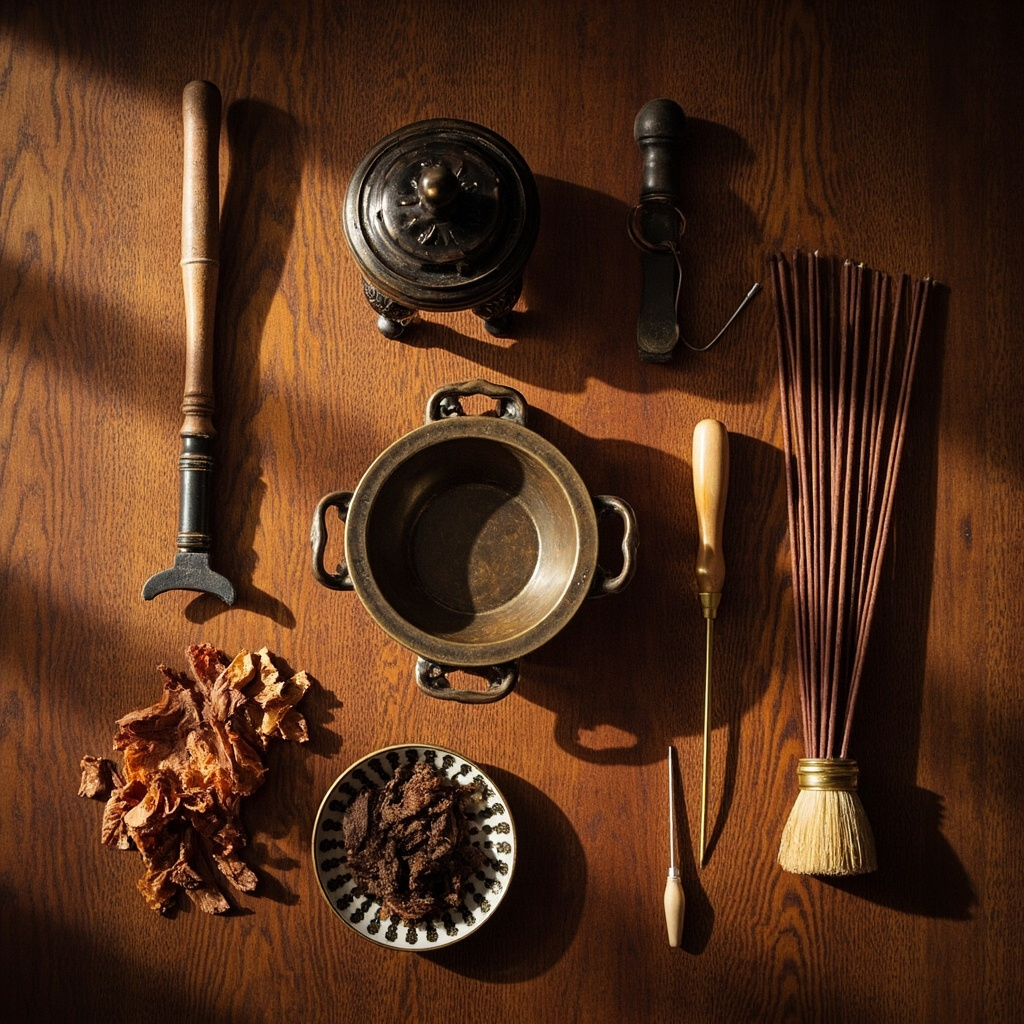
Compressed forms age well – in fact, some pills improve with age. The honey binder crystallizes over time, and the fragrance compounds continue to blend and mature within the compressed matrix. Classical practitioners would age pills for years before burning.
Store pills and cakes in airtight containers away from light and humidity. A small sealed glass jar with a desiccant packet works well. Unlike line incense, which should be used relatively fresh, pills benefit from extended storage.
Where to Buy and What to Pay
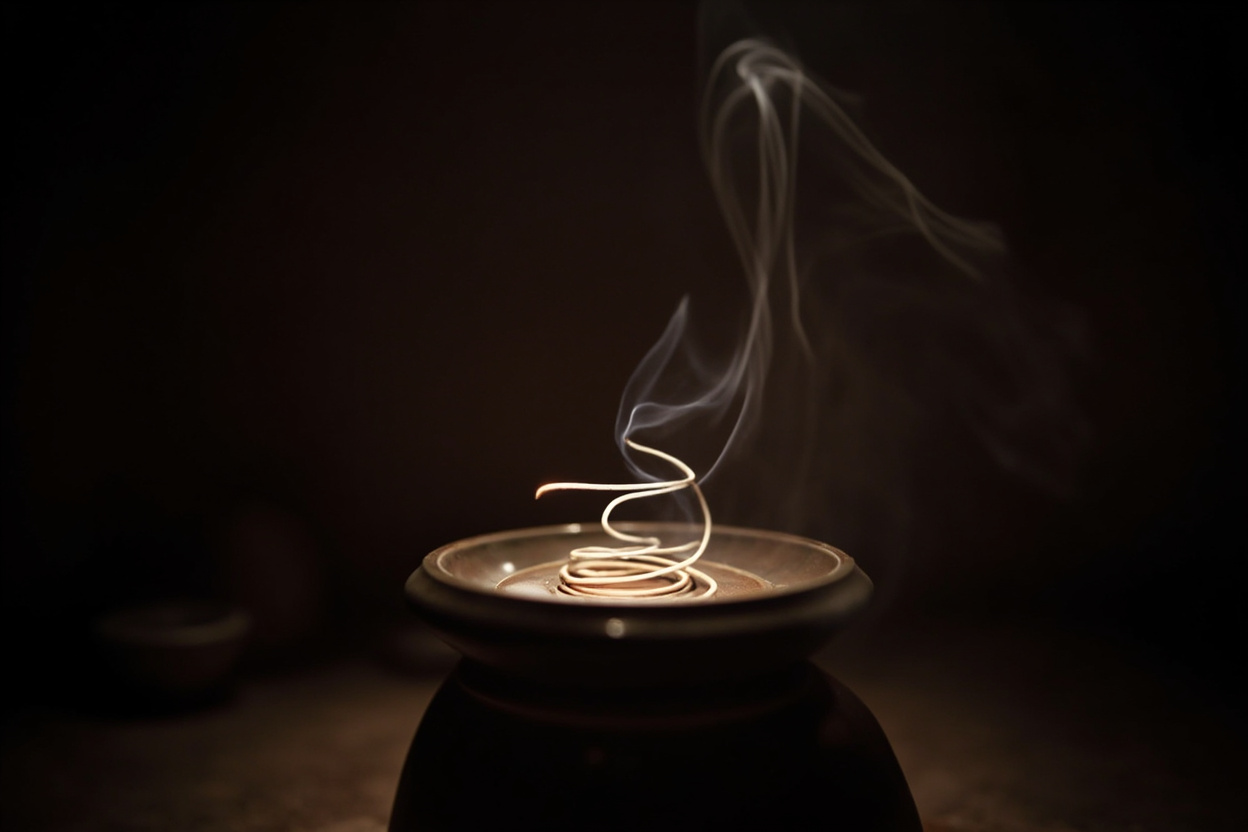
Pills and cakes are specialty products, not typically sold in Western incense shops. Chinese TCM pharmacies sometimes carry them, as do specialized traditional incense vendors. Prices range from $10-30 for simple commercial products to $100+ for hand-crafted classical formulas.
Start with commercial products before investing in artisan pills. There is a significant quality gap, and you need baseline sensory reference points to appreciate what premium products offer.
Related Articles
- Incense Powder (Xiang Fen): The Oldest Chinese Incense Form Explained
- Indirect Incense Burning (Ge Huo): Why Serious Practitioners Prefer This Method
- Hexiang: The Chinese Art of Blended Incense
Frequently Asked Questions
What is the difference between incense pills and incense sticks?
Incense pills and cakes are compressed powdered incense, while sticks are powdered incense bound around a bamboo core. Pills contain only aromatic material (with a binder), while sticks add an accelerant (the bamboo) that helps them burn. Pills offer more nuanced burning and are the traditional format for serious hexiang practice; sticks are more convenient and portable.
Can beginners use incense pills and cakes?
Yes, but they require more equipment than sticks. At minimum you need a burner with an ash bed and ideally a metal disc for indirect burning. The learning curve is steeper than with sticks, and the results are less forgiving – if you burn pills with direct flame on poor materials, you will produce unpleasant smoke rather than fragrance. Start with sticks to develop sensory reference points, then advance to pills.
Why do some incense pills smell better with age?
The compression process brings aromatic compounds into intimate contact with each other and with the honey binder. Over time, chemical reactions occur that smooth and integrate the fragrance – similar to how aging improves wine or whiskey. This maturation process continues for years, which is why some practitioners specifically seek out aged pills. Not all pills age well – low-quality materials or improper storage will degrade rather than improve.