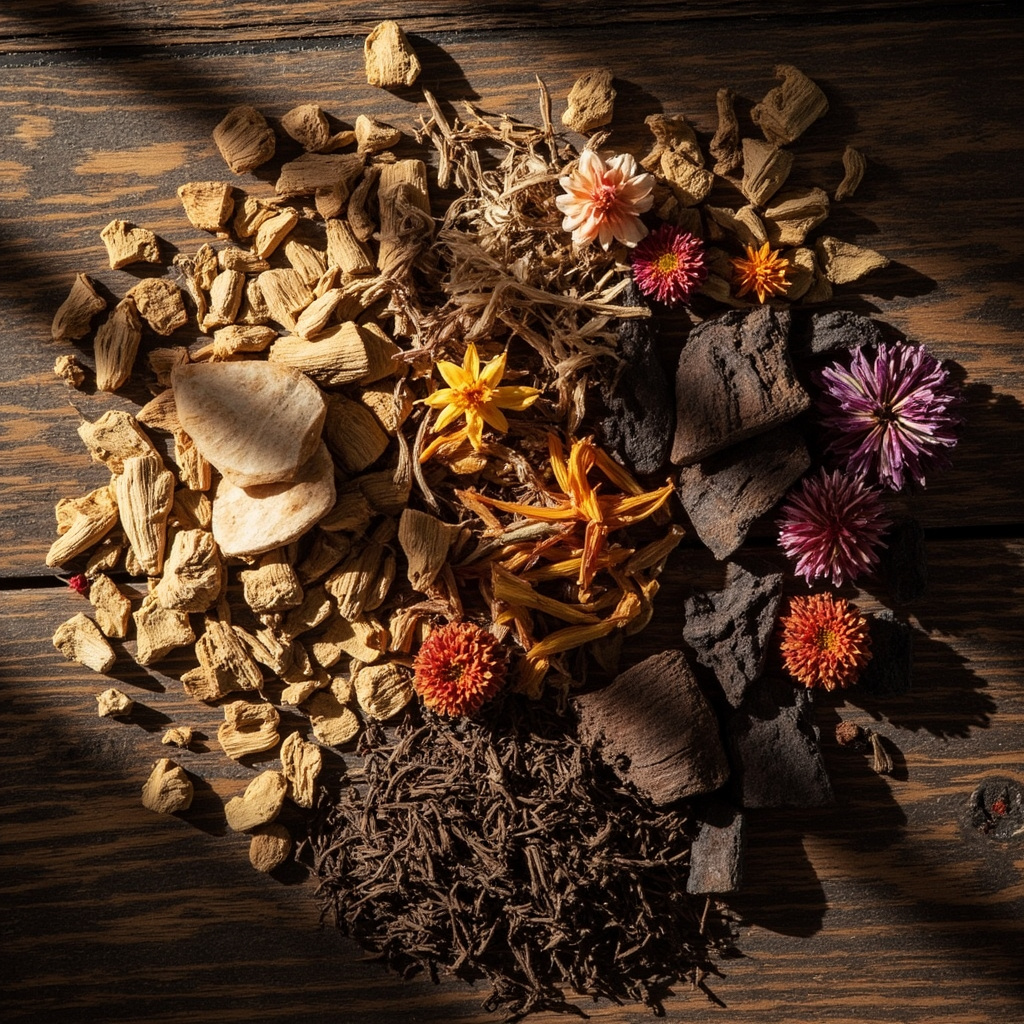
Incense for the Four Seasons: A TCM Guide to Seasonal Burning
In Traditional Chinese Medicine, the body is not separate from the environment. The qi of the body responds to the qi of the seasons: the explosive growth energy of spring, the maximal yang energy of summer, the收敛ing, inward energy of autumn, the stored, quiet energy of winter. This seasonal pathology is one of the central frameworks of TCM diagnosis and treatment.
The classical Chinese incense tradition took this framework seriously. Incense was not merely a pleasant ambient fragrance — it was a therapeutic tool calibrated to the season. Burning the right incense at the right time was a form of preventive medicine.
The Seasonal Framework in TCM
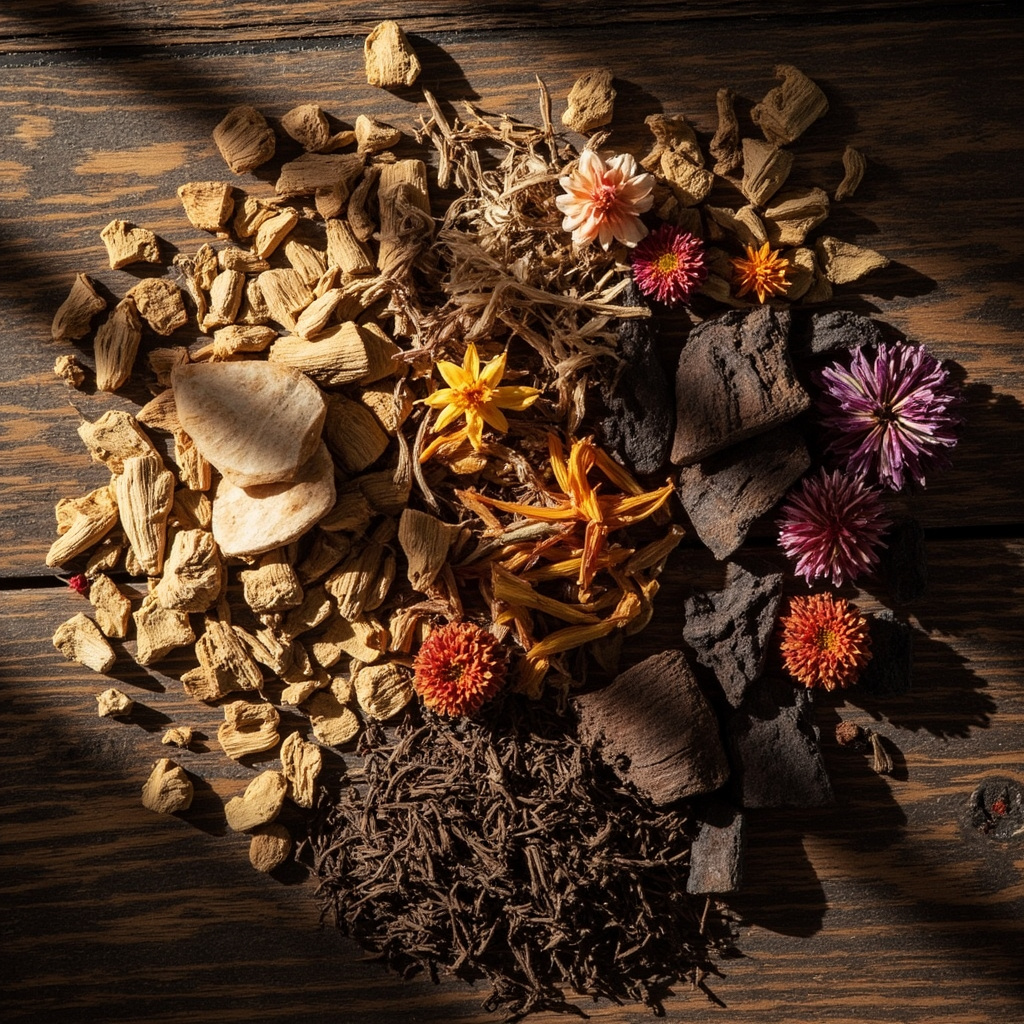
TCM organises the year into five seasons: spring (木), late summer (土), summer (火), autumn (金), and winter (水). Each season corresponds to a specific organ system, a specific emotion, and a specific thermal quality.
Spring (肝, Liver): The liver governs the smooth flow of qi throughout the body. Pathogenic factors: wind and cold. Incense focus: dispersing, spreading, awakening.
Late Summer (脾, Spleen): The spleen governs transformation and transportation. Pathogenic factors: dampness. Incense focus: drying, strengthening, harmonising.
Summer (心, Heart): The heart governs blood and houses the shen. Pathogenic factors: heat and fire. Incense focus: cooling, opening, protecting the shen.
Autumn (肺, Lung): The lung governs qi and respiration. Pathogenic factors: dryness. Incense focus: moistening,收敛ing, protecting the exterior.
Winter (肾, Kidney): The kidney stores essence and governs the foundations of yin and yang. Pathogenic factors: cold. Incense focus: warming, nourishing, storing.
Spring Incense: Awakening and Spreading
Spring is the season when liver qi must spread smoothly upward and outward. Spring incense should support the liver’s natural tendency to emerge. The appropriate fragrance profile is fresh, green, and slightly pungent.
Recommended materials:
- Calamus (石菖蒲): Sharp, clearing, “opens the orifices” — specifically indicated for liver qi stagnation
- Pei Lan (佩兰): Fresh, green, aromatic — helps the liver spread
- Mint (薄荷): Cooling and spreading — but use lightly
Late Summer Incense: Harmonising and Drying
Late summer is the season most associated with dampness. Late summer incense should support the spleen’s transformation function and address accumulated dampness.
Recommended materials:
- Patchouli (藿香): The primary herb for transforming dampness
- Magnolia bark (厚朴): Dries dampness, moves qi in the middle jiao
- Cardamom (白豆蔻): Aromatic, moves qi, transforms dampness
- Sandalwood: Warming base that supports the spleen’s qi
Summer Incense: Cooling and Protecting the Shen
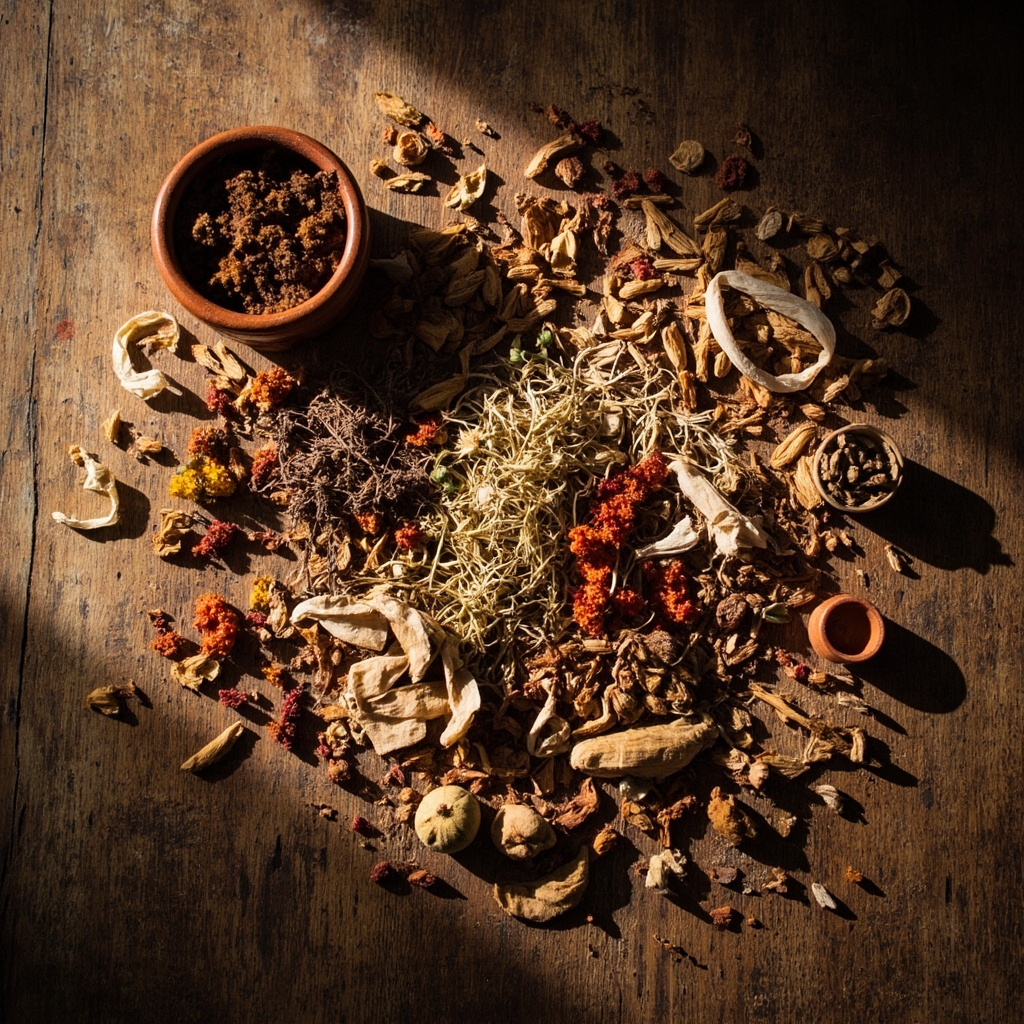
Summer is the season of maximal yang. When summer heat accumulates, it disturbs the shen: insomnia, anxiety, palpitations, irritability. Summer incense should cool and protect.
Recommended materials:
- Chrysanthemum (菊花): The primary herb for cooling summer heat
- White sandalwood: Cooler and lighter, supports the heart without adding heat
- Benzoin (安息香): Calming, grounding, cools and calms the shen
- Borneol (冰片): Strongly cooling and opening — use very sparingly
Autumn Incense: Moistening and收敛ing
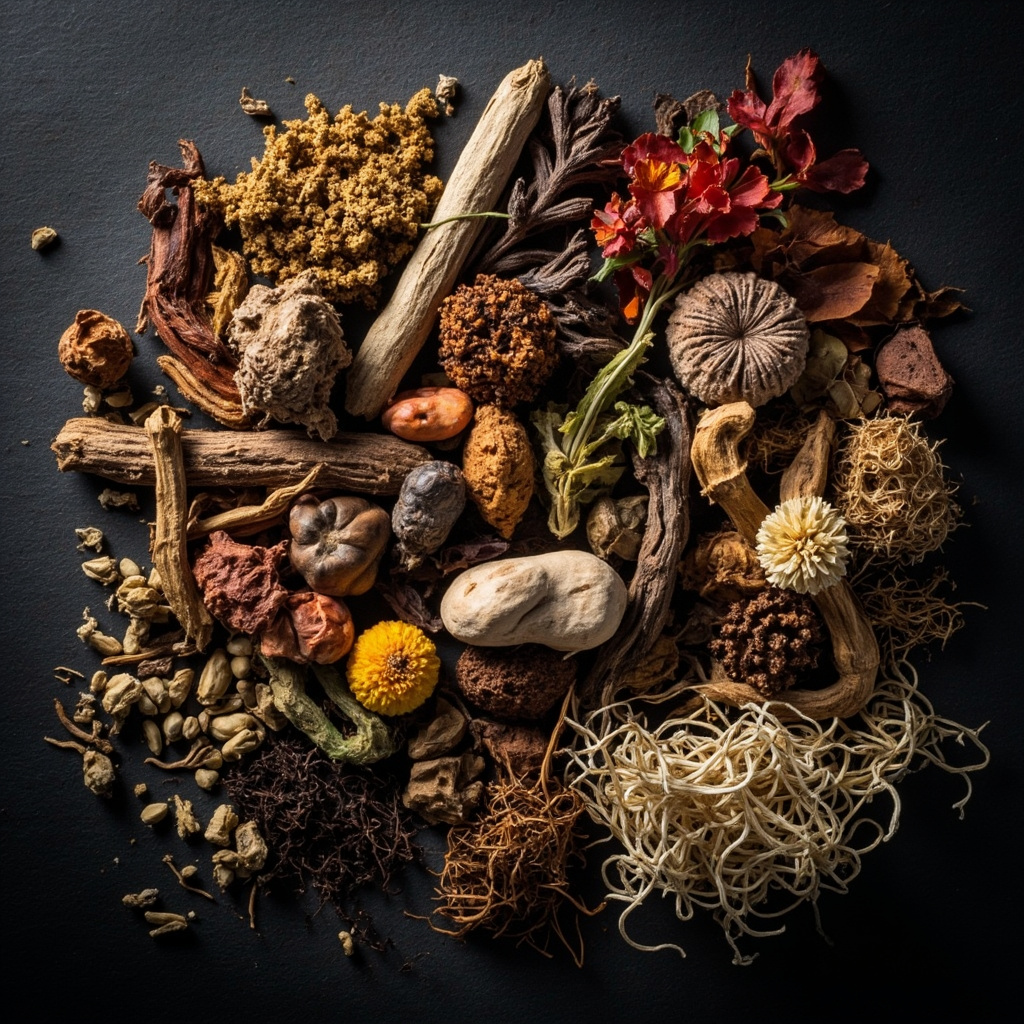
Autumn is the season of收敛 — energy moving inward and downward. The characteristic autumn pattern is lung dryness: dry cough, dry throat, dry skin. Autumn incense should moisten and收敛.
Recommended materials:
- Plum blossom (梅花): Slightly bitter,收敛ing — moistens the lungs
- Osmanthus (桂花): Sweet, aromatic, moistening
- Lily bulb (百合): Sweet and slightly bitter, moistens the lung and calms the shen
Winter Incense: Warming and Storing
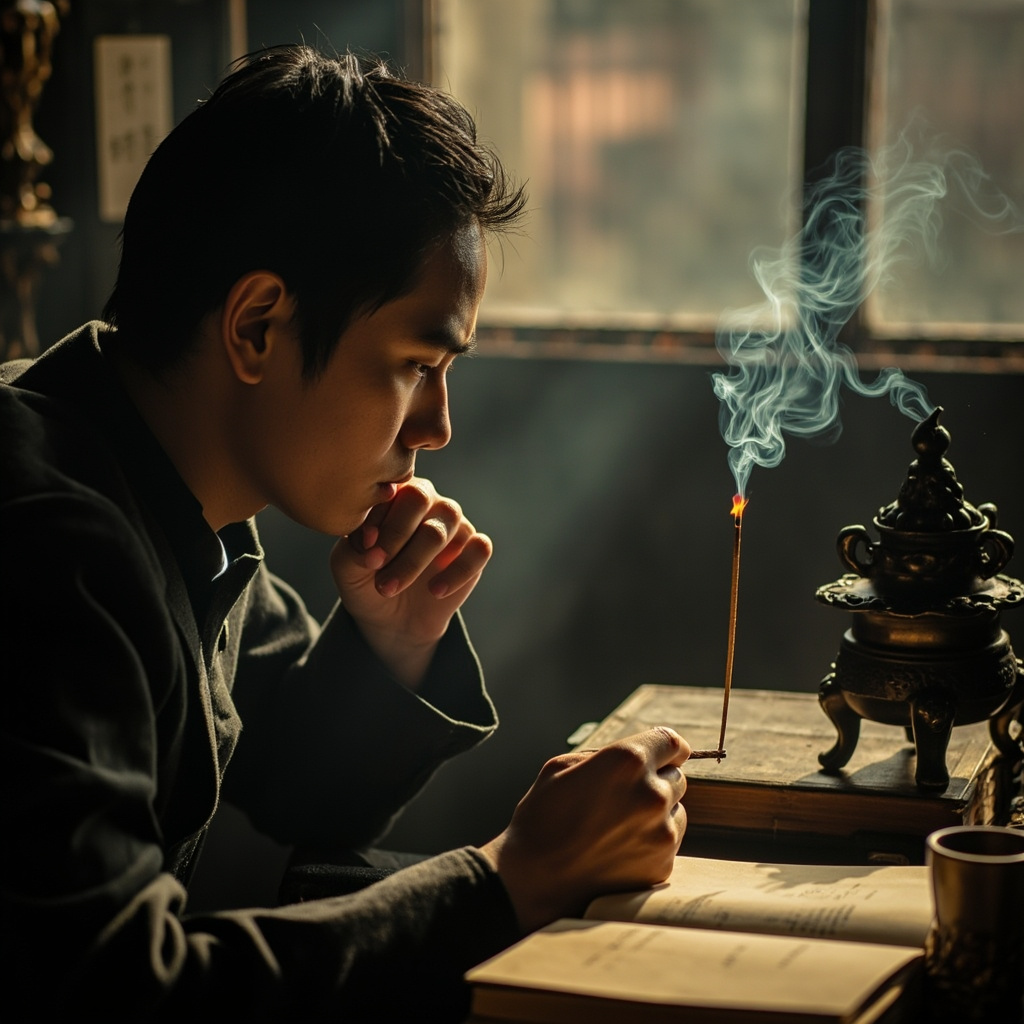
Winter is the season of storage — maximal yin, energy turning inward. The characteristic winter pattern is kidney yang deficiency: cold intolerance, fatigue, back pain. Winter incense should warm and store.
Recommended materials:
- Cinnamon bark (肉桂): The primary herb for warming kidney yang
- Agarwood (沉香): Warm, grounding, sinks downward — precisely the direction of winter qi
- Clove (丁香): Warms the kidney and addresses cold pain
- Frankincense (乳香): Warms and moves — addresses the stiffness and pain of cold
Frequently Asked Questions
Can I use the same incense all year?
You can — your body will adapt. But seasonal incense, used appropriately, functions as a form of preventive medicine: it supports your body’s natural seasonal adaptation.
What if I live in a tropical climate without distinct seasons?
Your body still goes through seasonal patterns over the course of each day. Morning corresponds to spring, midday to summer, evening to autumn, night to winter.