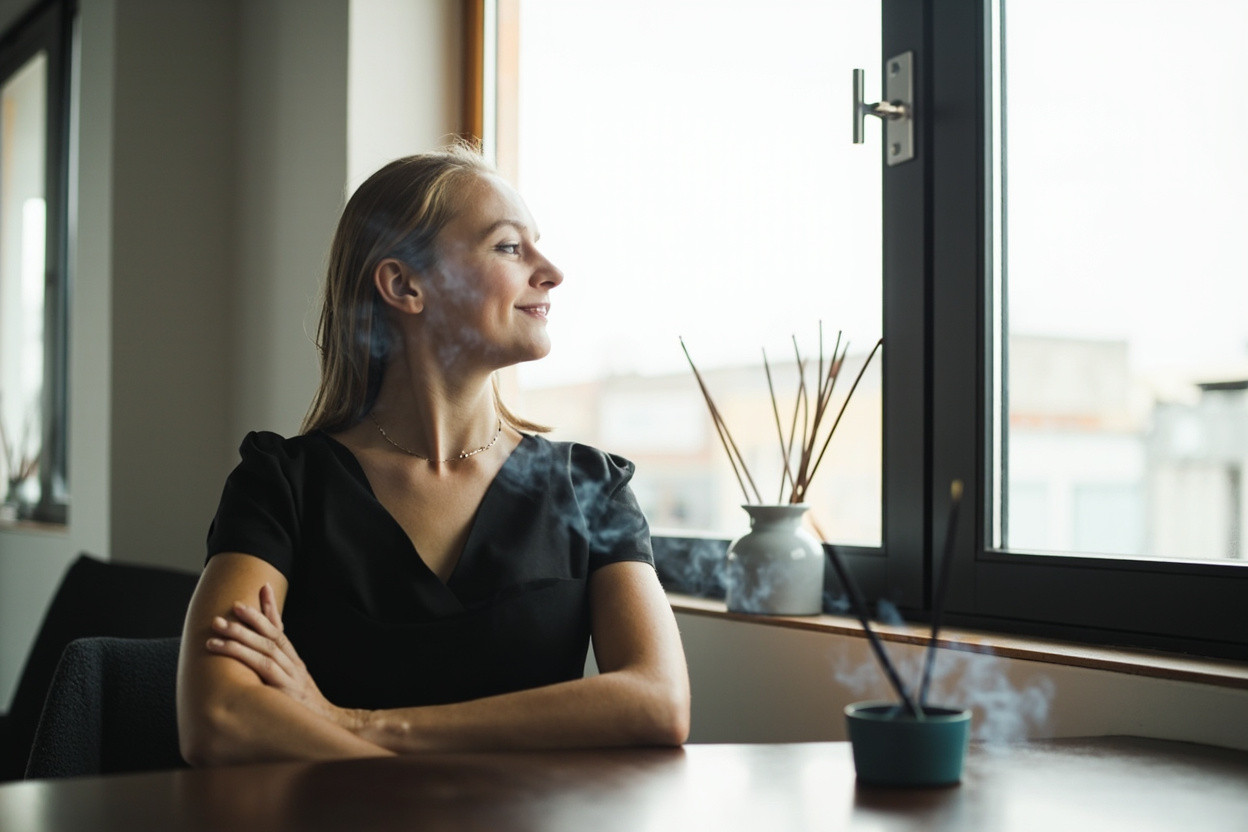
Incense for Anxiety and Stress: The Complete Relief Guide
Anxiety doesn’t announce itself politely. It arrives as a tightness in the chest, a racing heart, a mind that won’t settle no matter how hard you try to push it quiet. You’ve probably tried the standard recommendations: breathing exercises, meditation, limiting caffeine. But there’s an ancient tool that sits alongside these modern techniques — one that Chinese, Buddhist, and Ayurvedic practitioners have used for thousands of years to address exactly this experience of agitated, restless, anxious energy.
Incense for anxiety and stress isn’t about masking the feeling or numbing it. Done properly, it’s about working with the anxiety — using the ritual of burning, the presence of the smoke, and the specific properties of aromatic compounds to interrupt the anxiety cycle and create the physiological conditions for calm.
This guide explains how it works, which scents to use, and how to incorporate incense into an anxiety management practice.
Understanding the Anxiety Response
When you experience anxiety — whether a brief spike of stress or chronic low-grade worry — your body’s sympathetic nervous system is activated. Heart rate increases. Breathing becomes shallow. Cortisol and adrenaline flood the system. Blood shifts away from the digestive system and toward the muscles, preparing for fight or flight. The brain, flooded with stress hormones, struggles to access the prefrontal cortex (responsible for rational thinking) and defaults to the amygdala (emotional, reactive processing).
Most anxiety management techniques work by interrupting this cycle: deep breathing activates the vagus nerve and signals the parasympathetic system to take over; meditation trains the prefrontal cortex to observe the anxiety rather than be consumed by it; exercise burns off stress hormones. Incense works on all three levels simultaneously — the breath, the attention, and the physiological chemistry of the aromatic compounds themselves.
How Incense Interrupts the Anxiety Cycle
1. The Ritual Creates a Pause
The first and most powerful effect of incense for anxiety is the ritual itself. Anxiety is characterized by rushing, compulsive thought — a sense that you must act, solve, fix, escape. The ritual of burning incense requires you to slow down: find the matches, light the charcoal, wait for it to glow, place the material, watch the smoke begin. This sequence takes 3–5 minutes, and those minutes are a deliberate interruption of the anxiety spiral. You are doing something physical, present, and purposeful. The amygdala, which processes threat and produces the fear response, begins to register: this is not a threat. This is a ritual.
2. The Olfactory Signal Conditions Calm
With repeated use, the specific scent you choose for anxiety becomes a conditioned trigger — a sensory cue that your brain learns to associate with safety and calm. This is the same principle behind all classical conditioning: the scent becomes the conditioned stimulus, and the physiological state of calm becomes the conditioned response. Over time, simply lighting that particular incense can begin to activate the parasympathetic nervous system before the fragrance has even fully released.
3. Specific Compounds Reduce Anxiety Chemically
Beyond conditioning, certain aromatic compounds have direct anxiolytic effects — they interact with neurotransmitter systems in ways that reduce anxiety at a neurochemical level.
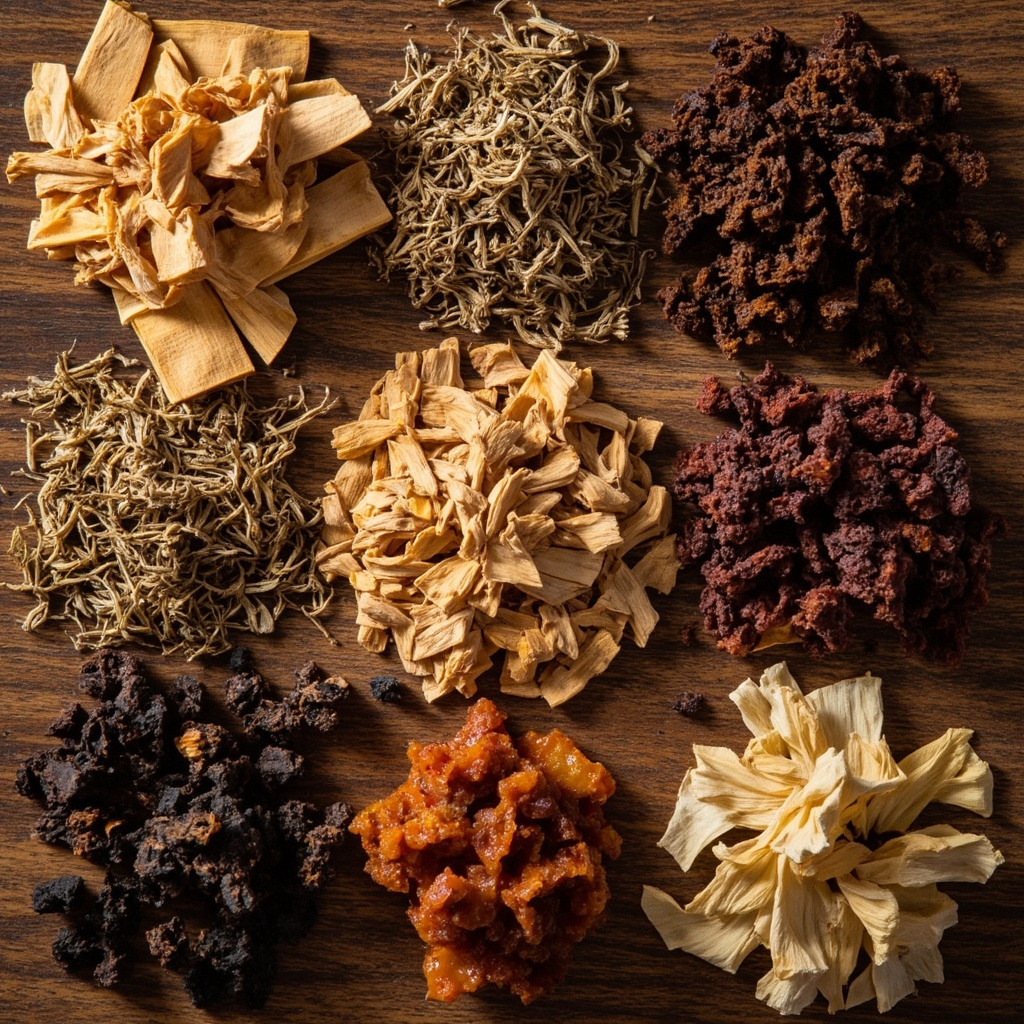
Sandalwood (santalol): Research published in Phytomedicine demonstrated that alpha-santalol (the primary aromatic compound in sandalwood) reduces anxiety-related behaviors in animal models through interaction with GABA receptors — the same receptors targeted by benzodiazepine anti-anxiety medications, though through a different mechanism.
Agarwood (sesquiterpenes): Studies on agarwood smoke have documented sedative and anxiolytic effects attributed to sesquiterpene compounds that cross the blood-brain barrier and modulate serotonin and dopamine systems.
Benzoin: The warm, vanilla-like resin of benzoin has mild antidepressant and anxiolytic properties attributed to its styrene compounds. It is particularly effective for anxiety that presents as heaviness or lethargy rather than agitation.
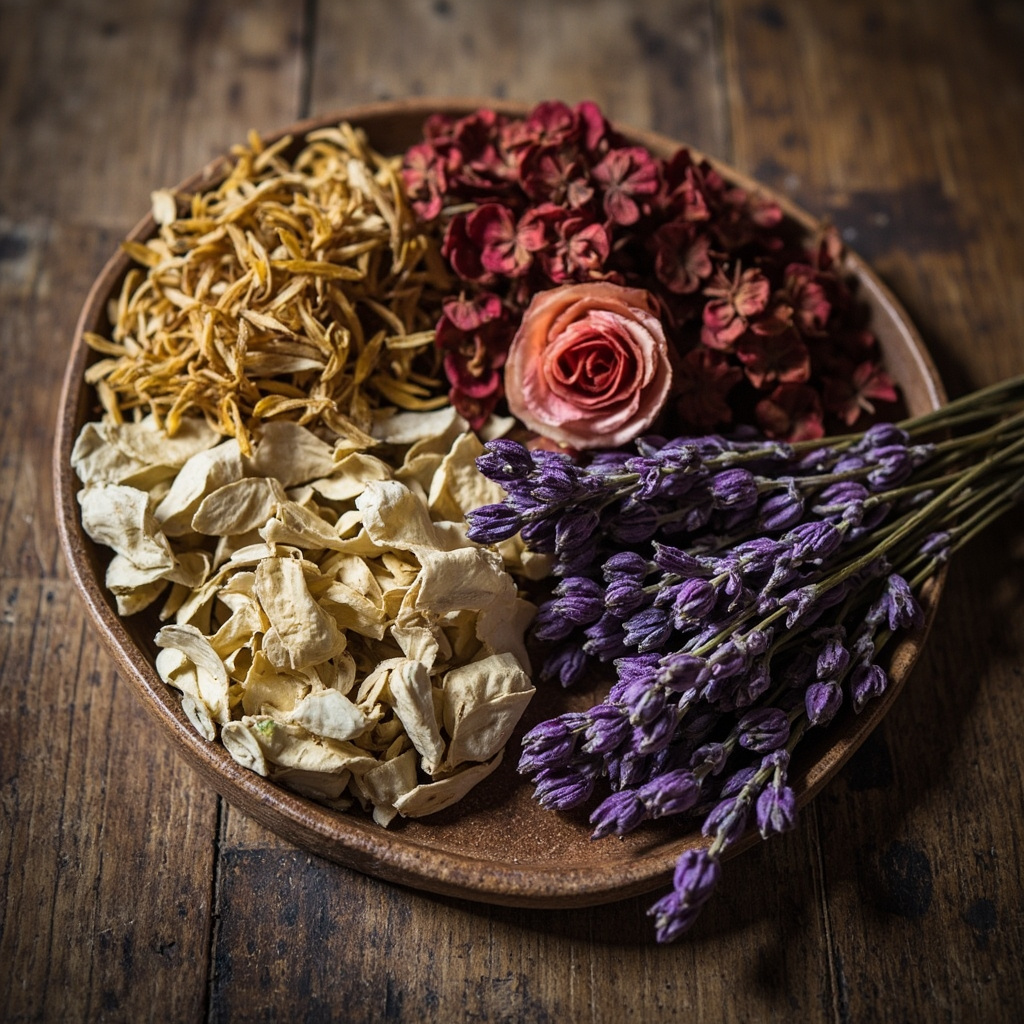
Lavender: The most studied aromatherapy agent for anxiety. Linalool and linalyl acetate in lavender interact with GABA receptors and have demonstrated significant anxiety-reducing effects in multiple randomized controlled trials.
The Best Incense for Anxiety
Sandalwood — The Primary Anxiolytic
Start with sandalwood. If you use only one incense for anxiety, make it this. Sandalwood’s fragrance is warm, grounding, and consistently calming — it doesn’t jolt the system, it settles it. Indian Mysore sandalwood, with its high santalol content, is the gold standard, but high-quality Australian sandalwood is more accessible and nearly as effective.
Agarwood — For Deep, Restless Anxiety
When anxiety presents as agitation, restlessness, or a sense that you cannot settle — agarwood is unmatched. Its deep, complex fragrance has a grounding, anchoring quality that seems to pull scattered energy inward. Use at the end of the day, when anxiety peaks, or during insomnia. Note: agarwood’s intensity can be overwhelming for some — start with small amounts (0.1–0.2g of chips on charcoal) and see how you respond.
Benzoin — For Heavy, Lethargic Anxiety
When anxiety comes with heaviness — a feeling of being weighed down, low motivation, mild depression — benzoin’s warmth is specifically indicated. The fragrance is sweet, comforting, and deeply reassuring. It does not energize; it lifts gently from below.
Lavender — For Acute, Spiking Anxiety
For sudden anxiety spikes — a panic moment, a wave of fear — lavender’s familiar, safe fragrance provides immediate comfort. It is the most approachable scent for those new to incense, and the most widely studied for acute anxiety relief.
What to Avoid
Sharp, stimulating scents — heavy camphor, pure menthol (Bo He), clove, cinnamon — can increase alertness and, in some individuals, exacerbate anxiety rather than reduce it. These scents are energizers, not sedatives. Save them for morning use when you need activation, not evening when you need settling.
How to Use Incense for Anxiety: A Practical Protocol
For Acute Anxiety Spikes
- When you feel the spike beginning, stop. Do not try to push through or analyze it.
- Light a sandalwood stick or place 0.2g of sandalwood powder on your electric heater.
- Sit with the fragrance. Don’t try to meditate — just sit and breathe. Let the smoke or scent be your focus.
- After 5–10 minutes, assess: has the peak passed? If not, continue until it does.
- Use this consistently for acute spikes, and over 2–3 weeks, your brain will begin to associate the scent with the relief response.
For Chronic Low-Grade Anxiety
- Choose one primary anxiety incense — sandalwood is recommended.
- Burn it at a fixed time each day: either morning (to set a calm baseline for the day) or evening (to process the day’s accumulated tension).
- Make it a ritual: same incense, same time, same holder. The ritual itself is part of the therapeutic effect.
- Continue for at least 3–4 weeks before assessing. The conditioning effect builds gradually.
For Sleep-Related Anxiety
- In the 30 minutes before bed, burn sandalwood or a sandalwood-agarwood blend.
- Place the burner near your bed but not directly in the breathing zone.
- Use this time for a wind-down practice: reading, gentle stretching, or journaling — something that transitions you from doing to resting.
- Extinguish the incense before sleep. Never leave burning incense unattended during sleep.
Combining Incense with Other Anxiety Techniques
With Breathing Exercises
The physiological entry point for anxiety is shallow, rapid breathing. The behavioral entry point is attention. Burning incense gives you something to do with your hands and your attention — lighting it, watching it, breathing near it — which is often enough to slow the breath without explicit instruction. Try this: as you breathe in, follow the rising smoke with your eyes for 3–5 breaths. As you exhale, feel the warmth of the fragrance in the space. The smoke becomes an attentional anchor that naturally extends and deepens the breath.
With Meditation
Incense and meditation are natural partners for anxiety. Use incense for 5 minutes before meditation to prepare the space and settle the nervous system. During meditation, let the fragrance fade into background awareness. The incense acts as a context cue: your brain learns to associate the ritual and the scent with the calm, observing state of meditation practice.
With Cognitive Reframing
Anxiety often involves catastrophic or repetitive thought patterns. The act of watching incense burn — observing the smoke rise, dissipate, change — is an exercise in impermanence. The smoke that was there is now gone; the next column of smoke is also temporary. This observation, without judgment, is a cognitive reframe in miniature: it demonstrates impermanence experientially rather than intellectually.
Frequently Asked Questions
Can incense make anxiety worse?
In some individuals, certain scents can trigger or exacerbate anxiety rather than relieve it. This is typically the result of: (1) negative associations — if a particular scent reminds you of a stressful situation, it will activate, not relieve, anxiety; (2) overly stimulating scents — sharp, camphoraceous, or very strong fragrances can increase alertness to the point of discomfort for anxious individuals; (3) smoke sensitivity — some people are physically sensitive to smoke, which itself can trigger anxiety symptoms. Start with subtle, sweet scents (sandalwood, benzoin) at low doses, and avoid strong incenses until you know how you respond.
How long does it take for incense to reduce anxiety?
The immediate, pharmacological effect of aromatic compounds begins within 2–5 minutes of exposure. The ritual effect (conditioned response) builds over 2–4 weeks of consistent use. For chronic anxiety management, expect to see meaningful results after 3–4 weeks of daily practice. For acute spikes, expect relief within 10–20 minutes.
Is it safe to burn incense every day for anxiety?
Yes, daily incense use is safe for most people, provided you use natural botanical incense (not synthetic), ensure adequate ventilation, and choose appropriate scents for the time of day (calming scents in the evening, energizing scents in the morning). Those with respiratory conditions or smoke sensitivities should use electric incense heaters rather than combustion-based methods.
What’s the best incense for panic attacks?
For acute panic, sandalwood is the most consistently effective. Its warm, grounded fragrance is immediately recognizable as safe and comforting. Lavender is a close second. Place the incense burner close enough to smell clearly but not so close that the smoke is directly in your face. Sit with it until the panic subsides — typically 10–20 minutes.
Can I use essential oils instead of incense?
Yes — essential oils in electric diffusers or passive diffusers are an effective alternative for anxiety, particularly for those sensitive to smoke. Use the same scent principles: sandalwood, lavender, or benzoin for anxiety. Note that essential oils deliver fragrance differently than burning incense (no smoke, different compound profile), so your experience may differ.
Related Articles