The Art of Incense and Tea: How Fragrance and Flavor Converse
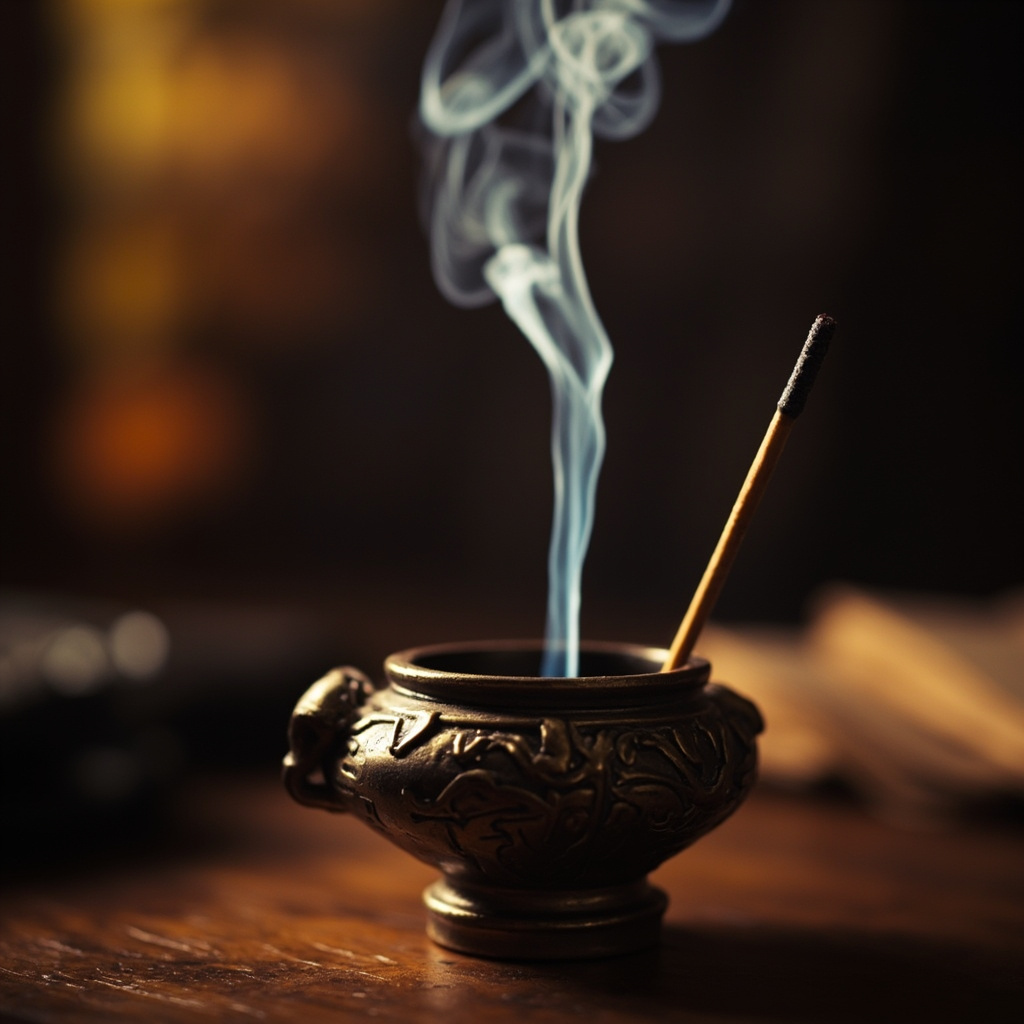
There is a moment in the Chinese gongfu tea ceremony — the second or third steep, when the leaves have opened and the true character of the tea has emerged — when the practitioner will pause and burn a small amount of incense in a closed censer: a single chip of aged agarwood, placed on a charcoal tablet, the censer held near the nose and the smoke inhaled gently before the cup is raised. This is not ritual for its own sake. It is functional: the fragrance prepares the palate, sharpens the sensory attention, and creates the atmospheric context in which the tea’s subtleties can be fully perceived.
The Common Ground
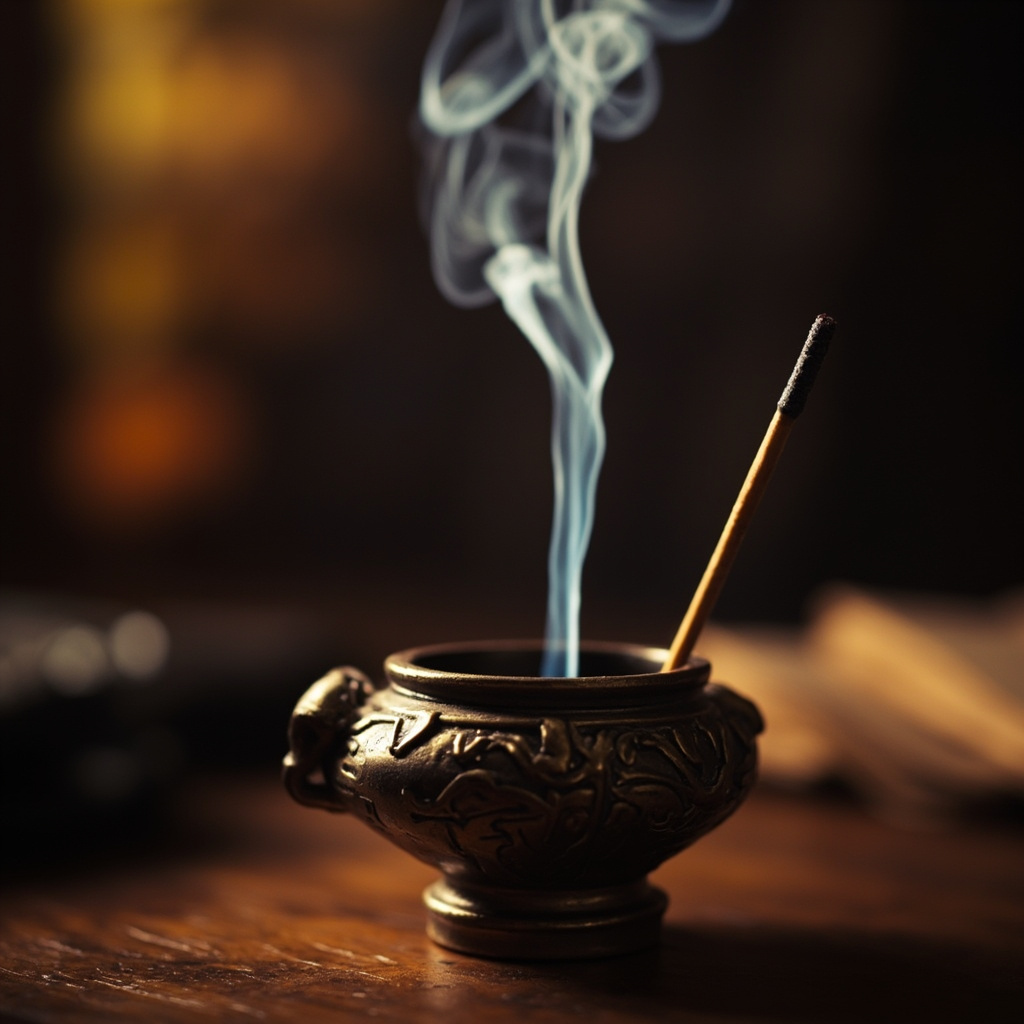
Both tea and incense were, in their origins, monastic practices. Buddhist monks developed both tea drinking and incense burning as supports for meditation — tools for maintaining alertness, clarity, and a state of calm observation during long hours of seated practice. Tea countered drowsiness; incense focused the mind. This shared monastic origin gave tea and incense a natural affinity that has never entirely been lost.
How Fragrance Affects the Perception of Tea
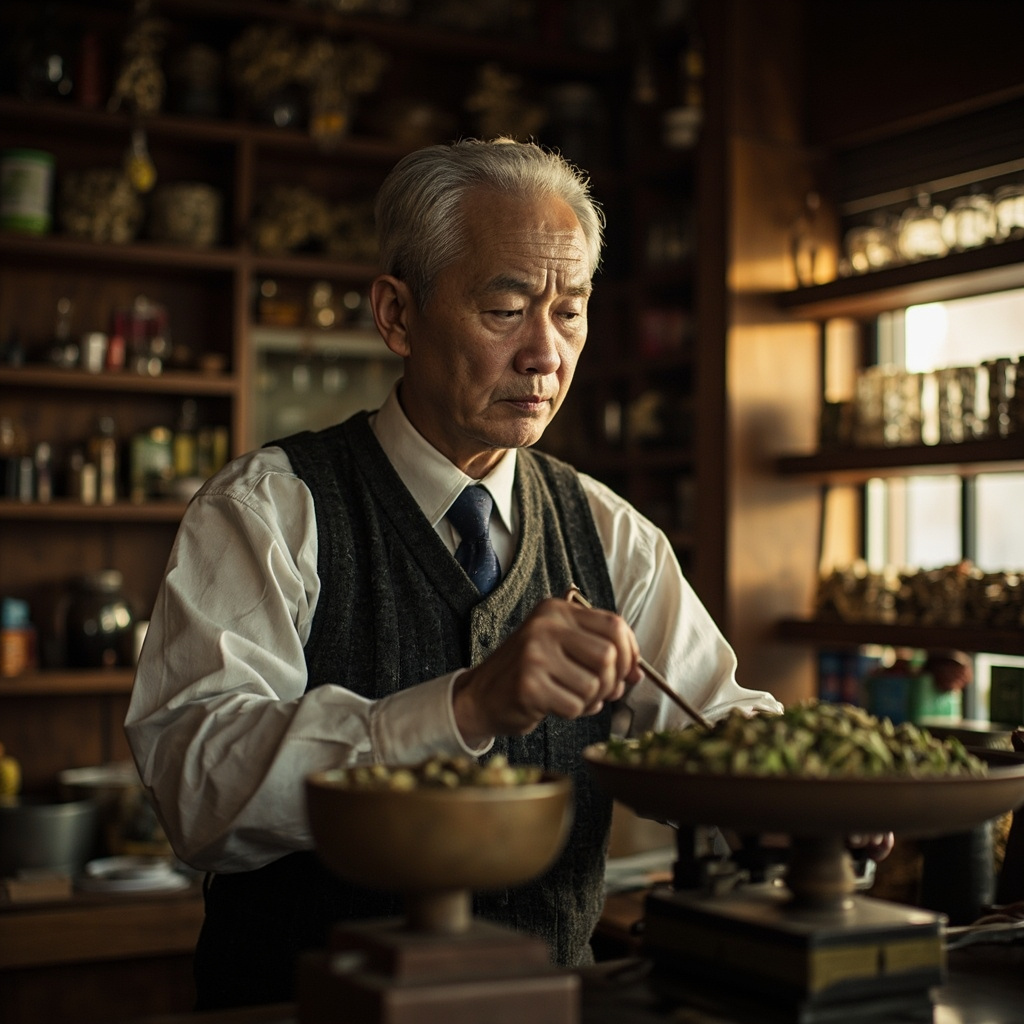
The olfactory system and the gustatory system are intimately connected — what you smell profoundly affects what you taste. The right incense can make a mediocre tea seem more interesting; the wrong incense can overwhelm the subtleties of the finest spring pu-erh.
The practical principle: incense and tea should complement each other in intensity. A heavy, resinous agarwood burned while drinking a light, floral oolong will compete rather than complement.
Pairing Principles: Matching Intensity and Character
Light teas (green tea, white tea, light oolong): Pair with light, fresh incenses. Light sandalwood, small amounts of calamus or mint. Avoid heavy resins and strong florals.
Floral teas (jasmine pearl, osmanthus oolong): Pair with complementary florals or light woods. Light osmanthus, subtle floral sandalwood. Avoid jasmine incense with jasmine tea.
Roasted teas (yancha, heavy oolongs, aged shou pu-erh): Pair with deeper, warmer, more complex incenses. Aged agarwood, rich sandalwood, benzoin.
Aged pu-erh (5+ years): Pair with deep, complex, aged incenses. High-grade aged agarwood, or a blend with aged benzoin, aged dragon’s blood, and aged sandalwood.
The Incense Ceremony Before Tea
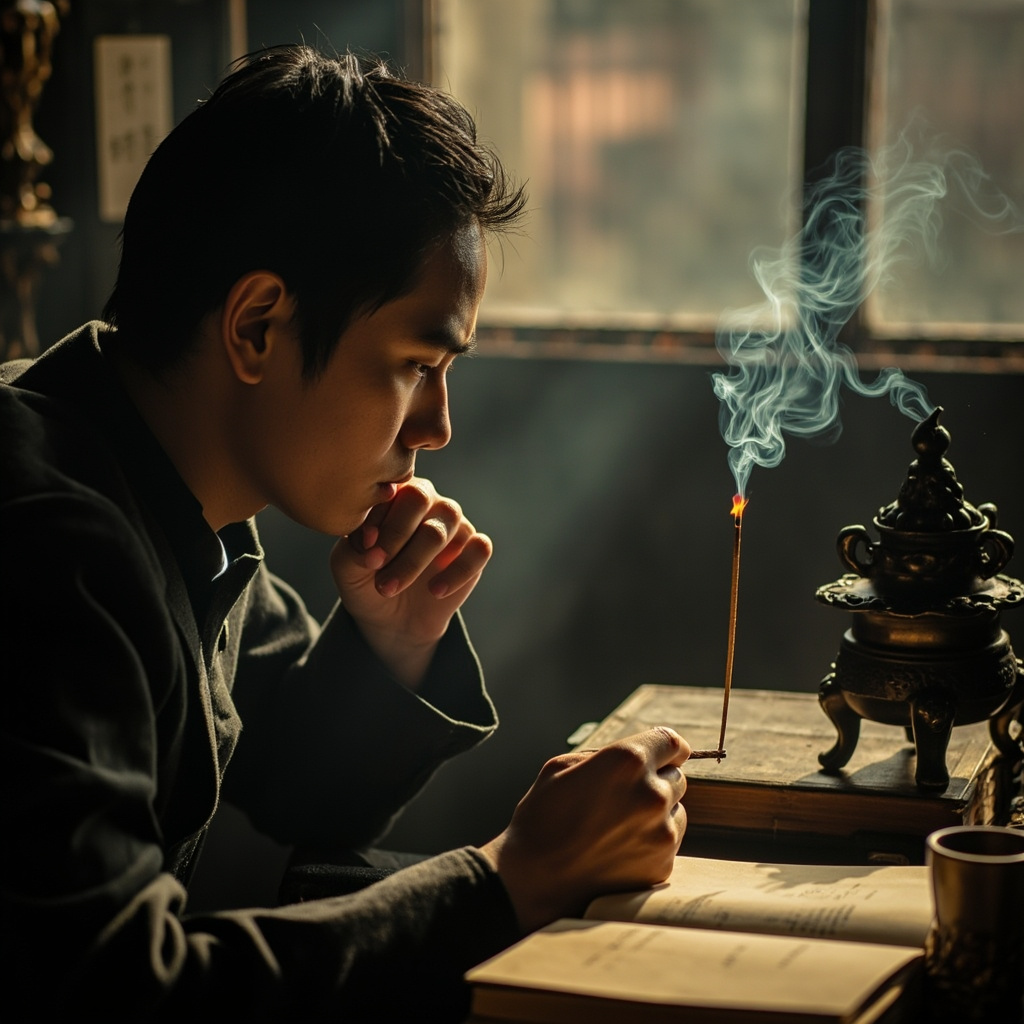
In the classical gongfu tea ceremony as practised in潮州 (Chaozhou), the incense ceremony precedes the tea ceremony proper. The practitioner burns incense in a closed censer — the smoke is circulated through the ceremony space — before the first tea is brewed. This is called ishi (引香) — “inviting fragrance” — and its function is to shift the attention of everyone present from the ordinary world to the ritual world of the tea ceremony.
Tea-Grade Incense: A Special Category
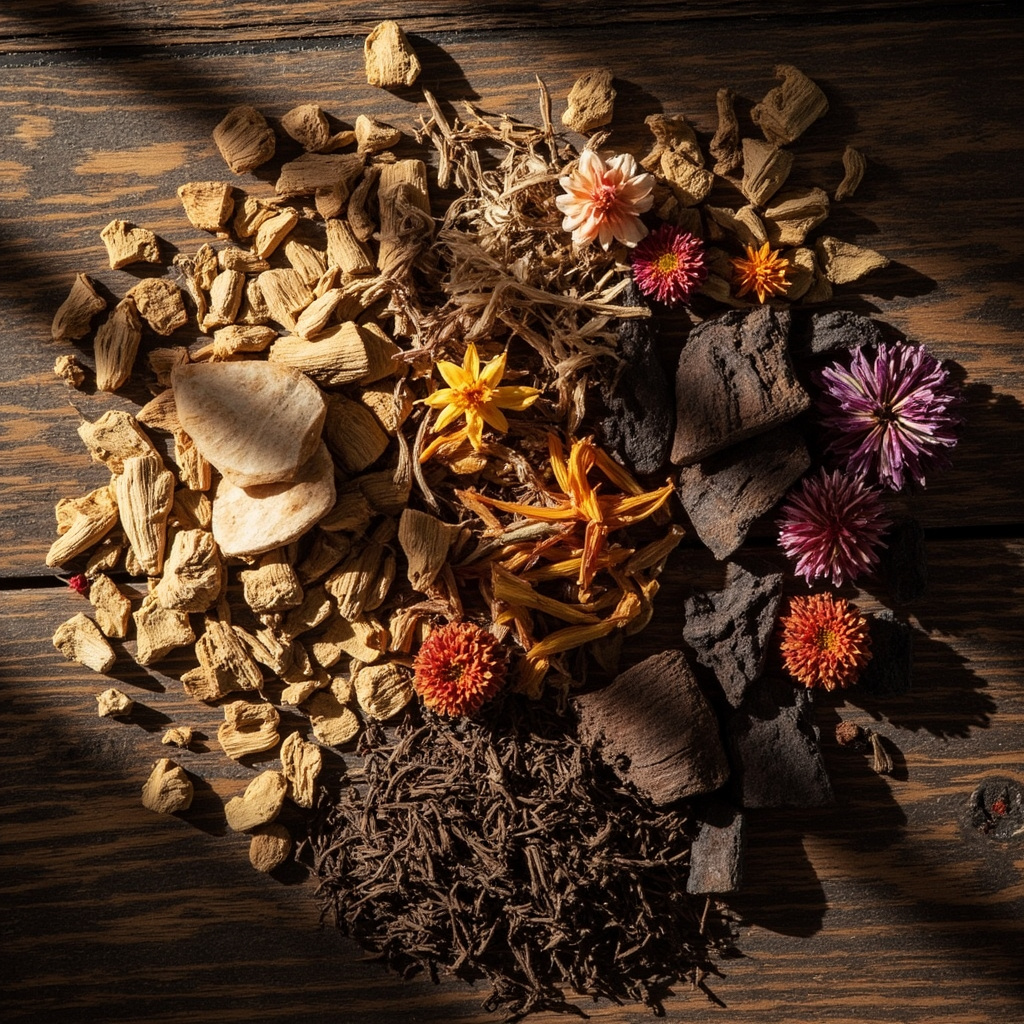
There is a category of incense specifically formulated for tea ceremony use — 茶香 (chaxiang), literally “tea incense.” The materials are typically high-quality woods and resins, blended with very light florals or herbs, and the resulting fragrance is designed to be present without being intrusive.
Tea-grade incense typically uses:
- High-quality sandalwood as the base
- Aged agarwood in small amounts (expensive and powerful — a little goes far)
- Very small amounts of floral materials (osmanthus, a tiny touch of jasmine)
- No heavy animal materials (no musk, no ambergris)
Frequently Asked Questions
Should I burn incense while drinking tea every time?
No — occasional use is more powerful than constant use. Burning incense with every tea session dulls the sensitivity to both the incense and the tea.
What incense should I avoid while drinking tea?
Avoid anything overpowering: heavy musk, strong floral intensity, heavily perfumed commercial incenses. Also avoid incense with synthetic fragrance compounds.
What’s the best tea to pair with sandalwood incense?
Sandalwood — particularly aged Indian Mysore sandalwood — pairs well with the widest range of teas, from light oolongs to aged pu-erh.