

Why Sandalwood Authentication Matters
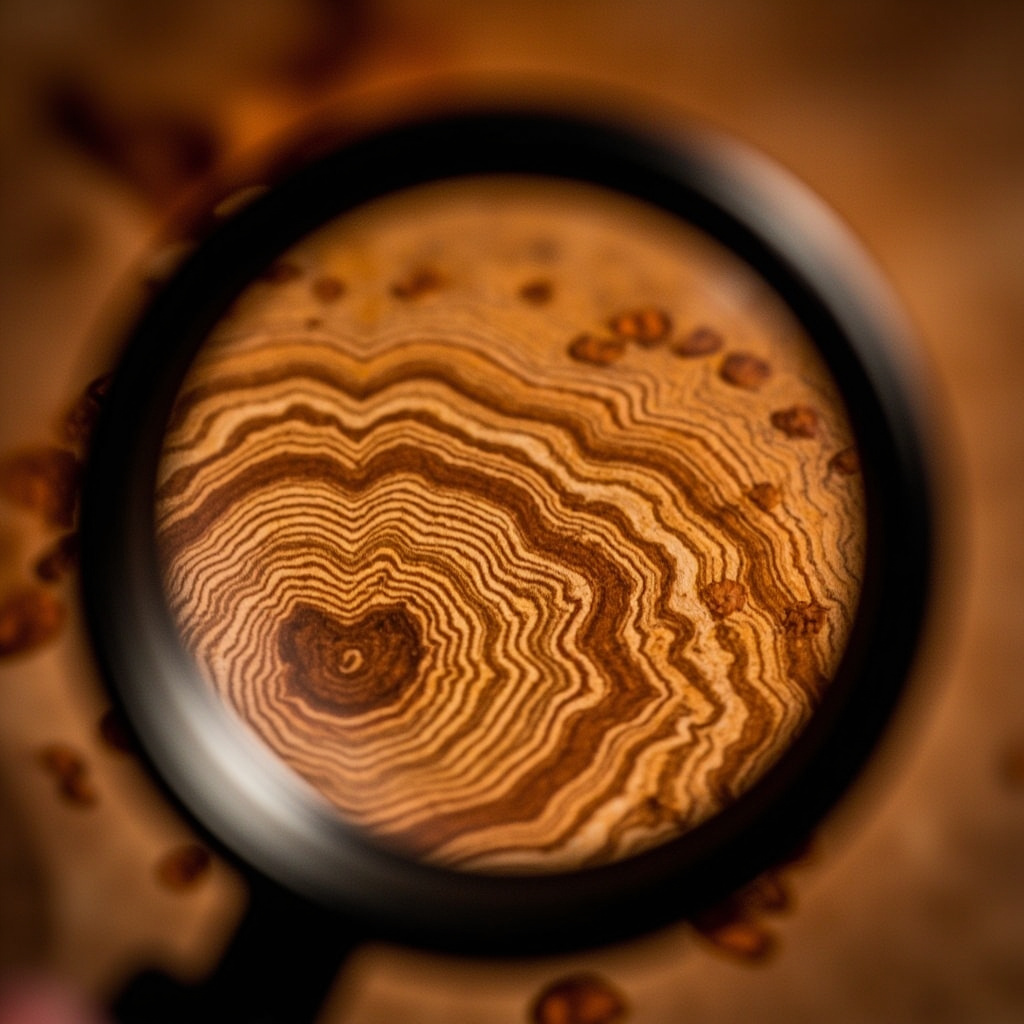
You have spent real money on sandalwood. The vendor assures you it is genuine Indian Mysore. The price felt right. But something seems off. The fragrance does not match what you expected. Was the vendor honest?
This is the sandalwood problem. Unlike some materials where authenticity matters little beyond bragging rights, sandalwood authenticity directly affects what you experience. Fake sandalwood might smell pleasant enough — some synthetic fragrances are quite good. But you are not getting what you paid for, and the experience differs fundamentally from genuine sandalwood.
Learning to identify real sandalwood protects your investment and ensures the experience you seek. This is not about becoming an expert. It is about developing enough familiarity to avoid the most common deceptions.
The Water Test: Simple but Effective
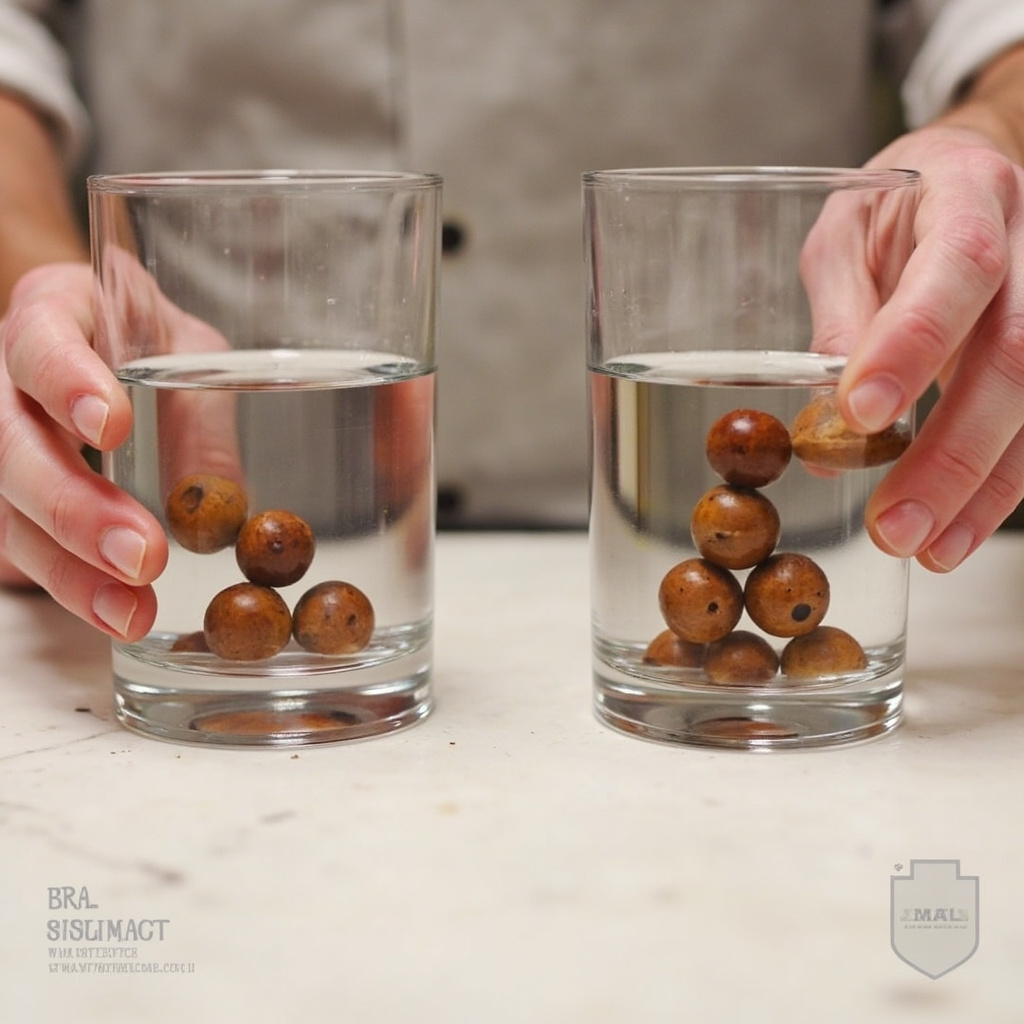
The most basic test requires only a glass of water. Genuine sandalwood with high oil content sinks. This is not universal truth — some genuine sandalwood floats, and some fake sandalwood sinks — but sinking generally indicates better quality material.
Why does this work? The oil content that makes sandalwood valuable is denser than water. Wood with sufficient oil saturation weighs enough to sink. Low-quality sandalwood or fake material lacks this density.
The water test works best as one indicator among many. Do not make final judgments based on sinking alone. Use it as initial screening rather than definitive authentication.
Examining Grain Patterns
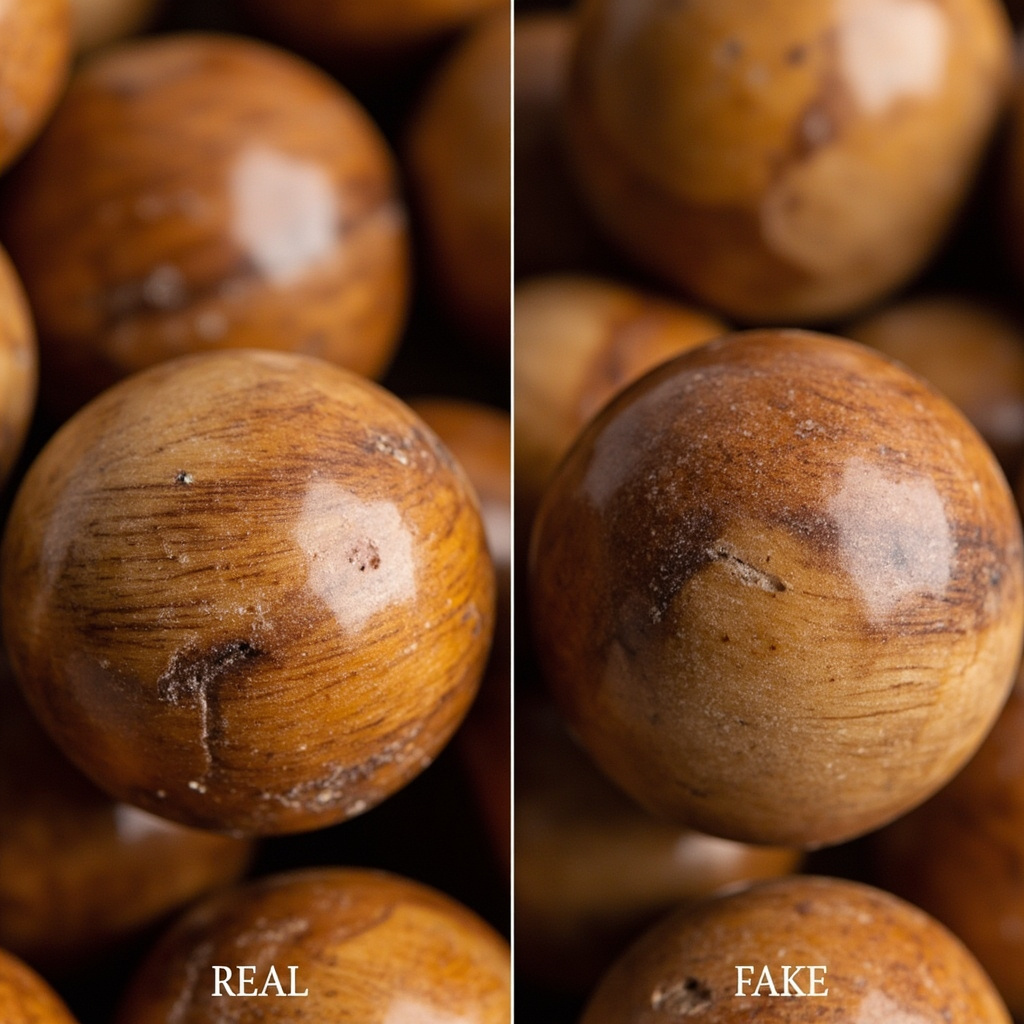
Genuine sandalwood displays characteristic grain patterns visible to careful observation. These patterns develop over decades of growth and cannot be replicated in fake materials.
Natural grain complexity — Real sandalwood grain is not uniform. The patterns change subtly across the surface, showing growth over years. Fake materials often display repetitive, artificial-looking patterns that lack this natural variation.
Oil vein visibility — When you examine genuine sandalwood under good light, you can sometimes see subtle lines or patterns that indicate natural oil distribution within the wood. These veins are not always obvious, but their presence suggests genuine material.
Surface texture — Run your fingers across sandalwood. Genuine material feels slightly oily, almost waxy. This comes from the natural oils within the wood. Fake sandalwood often feels dry by comparison.
The Fragrance Test: Most Important
No test matters more than fragrance. Sandalwood is defined by its scent. If the scent is wrong, everything else is irrelevant.
Cold fragrance — Quality sandalwood should smell recognizable even before heating. Break a small piece or hold the material to your nose cold. Genuine sandalwood has that characteristic creamy, sweet fragrance. Fake materials often smell like nothing or smell chemical.
Heating response — When you apply heat, genuine sandalwood releases fragrance smoothly, building gradually. Fake materials might release all their scent immediately and then nothing, or might smell acrid or chemical when heated.
The Mysore standard — If you have access to genuine Indian Mysore sandalwood, use it as your reference point. Once you know what real Mysore smells like, deviations become obvious. If you do not have this reference, seek out a trusted source for comparison.
Common Deceptions and How to Spot Them
Misrepresented origin — The most common deception. Australian sandalwood sold as Indian. Sumatra material sold as Mysore. Indonesian sold as Australian. The material is genuine sandalwood, just not the premium origin claimed. Fragrance character reveals these misrepresentations to experienced noses.
Sandalwood-scented synthetics — Some materials are not sandalwood at all but carry sandalwood fragrance. Chemical processing creates the scent without the actual wood. These often smell initially pleasant but lack the complexity and evolution of genuine sandalwood.
Blended materials — Some products mix genuine sandalwood with other materials to reduce cost while maintaining some authentic character. These blends can be difficult to identify but generally lack the depth of pure material.
Overpriced low-quality material — Not exactly fake, but misrepresenting quality. Taking advantage of buyer ignorance to charge premium prices for basic material. The material is genuine sandalwood, but pricing exceeds quality.
The Black Meat Trap
One misconception that causes problems: black sandalwood automatically means premium. This is not true.
Some fake materials are dyed black — Material artificially colored to appear as premium black-flesh sandalwood. The black color comes from dye, not natural oil saturation. The fragrance will not match the appearance.
Not all genuine sandalwood blackens — Quality sandalwood can remain relatively light in color while delivering excellent fragrance. Assuming black is necessary for quality leads to paying premiums for unnecessary darkness.
Quality over appearance — Fragrance quality matters more than color. The goal is experience, not visual confirmation of darkness. If the fragrance is exceptional, the color matters less.
Building Your Authentication Skills
Start with comparison — If possible, examine known genuine sandalwood alongside questionable material. The differences become obvious when you can directly compare. Visit reputable vendors. Ask to smell their material. Build your reference library.
Buy small initially — Before committing to significant purchases from a new vendor, buy small samples. Test them against your reference points. Only after confidence in authentication should you make larger purchases.
Trust your senses — If something seems wrong, it probably is. Your initial impression during purchase often proves correct even when you talk yourself out of it later. Trust the reaction you have in the moment.
Learn from mistakes — Everyone gets fooled occasionally. When it happens, analyze what went wrong. Perhaps you wanted to believe the vendor. Perhaps you lacked experience. Use these moments to refine your authentication skills.
The Bottom Line
Sandalwood authentication is learnable. You do not need expert-level skills to avoid the worst deceptions. Focus on fragrance as the primary indicator. Build reference experience with known genuine material. Use water testing and grain examination as secondary indicators. Trust your senses when something seems wrong.
The sandalwood market is not universally dishonest. Many vendors sell genuine material accurately represented. Finding these vendors, establishing relationships, and building trust matters as much as raw authentication skills.
Approach purchases with appropriate caution. Do not let vendors rush you. Take time to examine material. Ask questions. Any vendor who becomes defensive when asked for authentication information reveals something about themselves through that defensiveness.
Frequently Asked Questions
Does sinking in water prove sandalwood is genuine?
No. Sinking indicates higher oil content, which correlates with quality, but does not prove origin or authenticity. Some genuine sandalwood floats, and some fake material sinks. Use sinking as one indicator among many, not definitive proof.
What is the most reliable authentication test?
Fragrance testing. Sandalwood is defined by its scent. If you know what genuine sandalwood smells like, fragrance testing reveals most deceptions. Build your fragrance reference by examining known genuine material before relying on this test.
Are dyed black sandalwood products fake?
Not necessarily fake, but potentially misrepresented. Some materials are dyed to appear as premium black-flesh grades when they are not naturally that dark. The fragrance will tell you whether the dark appearance matches the actual quality.
How can I find trustworthy sandalwood vendors?
Reputation develops over time. Start with small purchases from new vendors. Test their material. If the quality matches representation, make gradually larger purchases. Any vendor who resists this gradual approach raises red flags.