So You Wanna Learn Xiangdao. Where Do You Even Start?
Okay, real talk. You’ve been burning incense for a while. Maybe you started with some basic sticks from a local shop. They smelled nice. Made your place feel calmer. Then you stumbled down this rabbit hole called xiangdao and now you wanna go deeper.
But where do you even start? There’s so much. Historical texts, different schools, hundreds of incense types, formulas that take years to master… It can feel overwhelming.
Relax. Everyone starts somewhere. Here’s how to actually begin.
First: Understand What Xiangdao Actually Is
Before you spend money on fancy equipment or rare materials, take some time to understand what xiangdao is really about.
Xiangdao (香道) is the Chinese art and philosophy of incense. It’s not just about burning nice smells. It’s about presence, mindfulness, connecting with a tradition that goes back thousands of years.
Start by reading. Understanding the history and philosophy gives you context for everything else. When you know why something matters, you appreciate it more.
Some starting points:
- Learn the basic history of Chinese incense culture
- Understand the difference between hexiang (blended incense) and single-incense burning
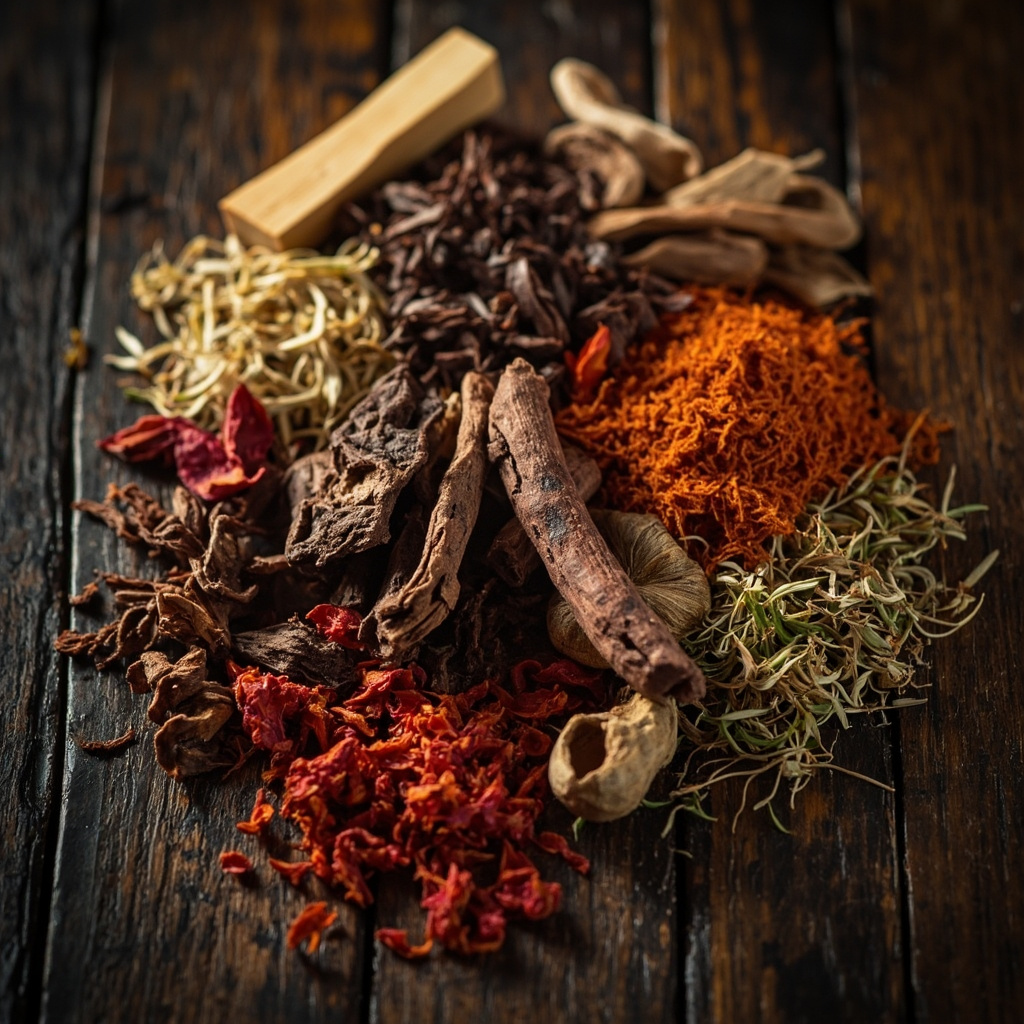
- Read about the main scent families and their characteristics
- Familiarize yourself with basic terminology
Start With the Basics: How to Burn Incense Properly
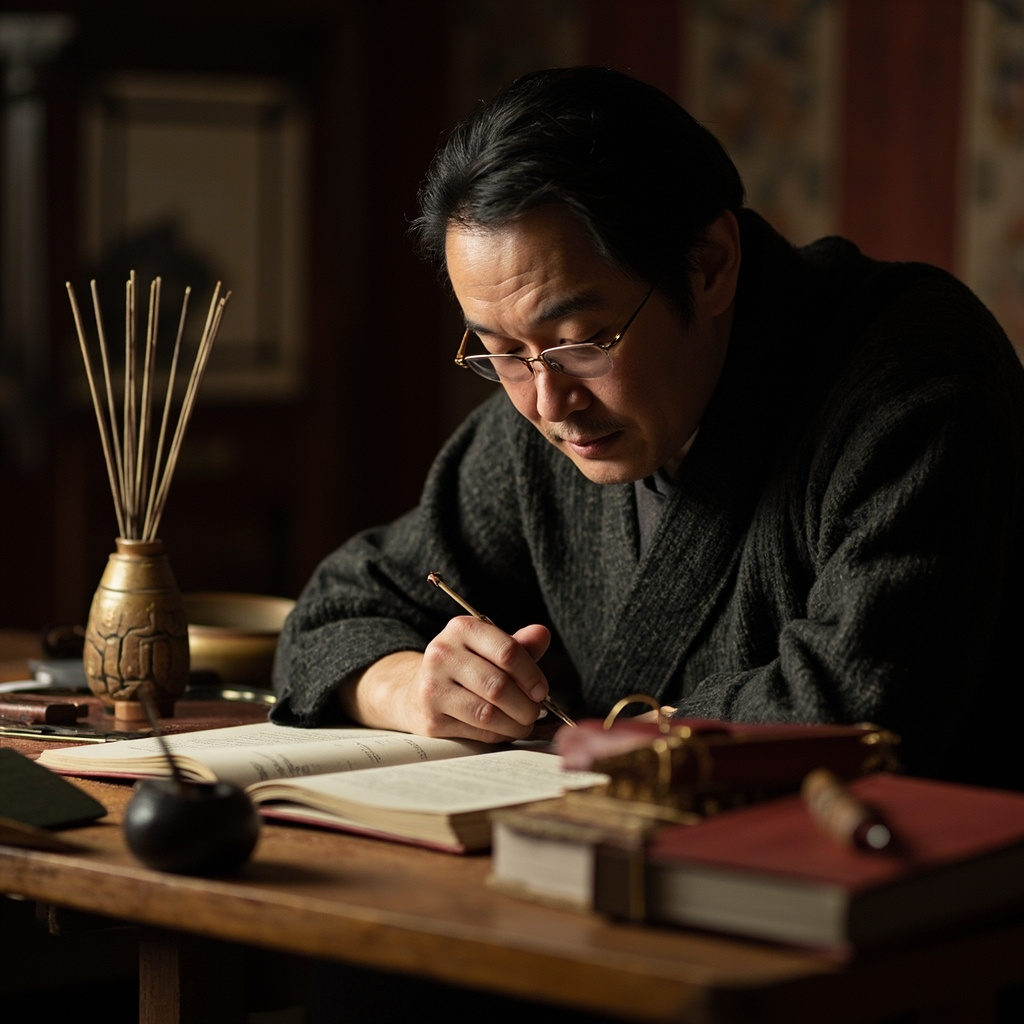
Seems obvious, right? Light the stick, let it burn, smell it. But there’s actually some technique here.
For stick incense:
- Light the tip until it catches, then blow it out
- Let the flame die down to a glowing ember
- Place it in your holder – don’t let it burn too fast
- Smoke should be thin and steady, not thick
- If smoke is too thick, you’re burning too hot or too much
For indirect heating (powder or pellets):
- Use a proper burner with a metal screen
- Place charcoal underneath, not directly touching the incense
- Temperature matters – too hot destroys the scent
- Start with just a tiny amount until you learn how it behaves
Build Your Foundation: Essential Equipment
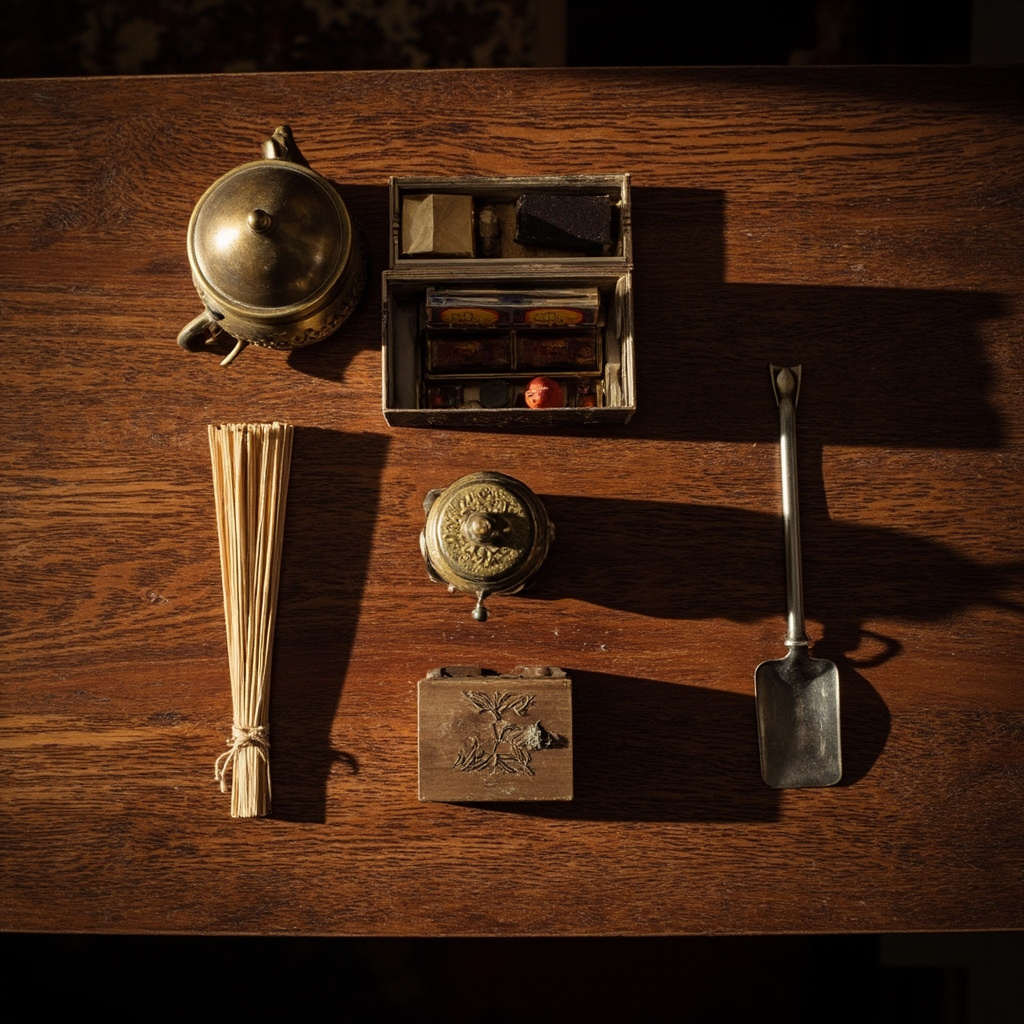
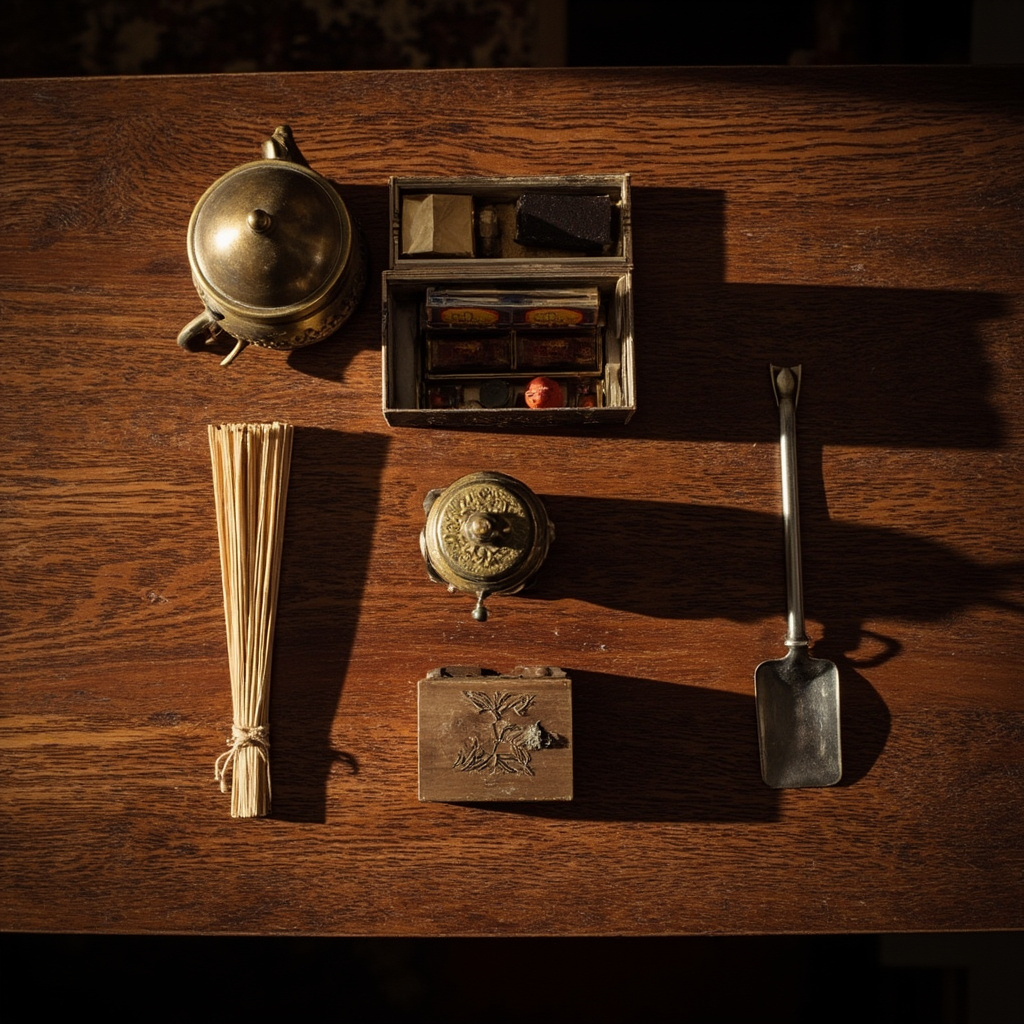
You don’t need much to start. Here’s what actually matters:
The essentials:
- A good holder – Something heat-resistant, stable, that fits your space
- Basic incense – Start with quality but not expensive. You’re learning.
- Ventilation – Not too drafty, but some airflow. Crack a window.
- A lighter or matches – Something simple, reliable
Nice to have as you progress:
- An ash catcher or additional burner
- Charcoal for indirect heating
- A small brush for cleaning your holder
- Something to rest incense on while lighting (to catch ash)
Find Your Entry Point: What Draws You In?
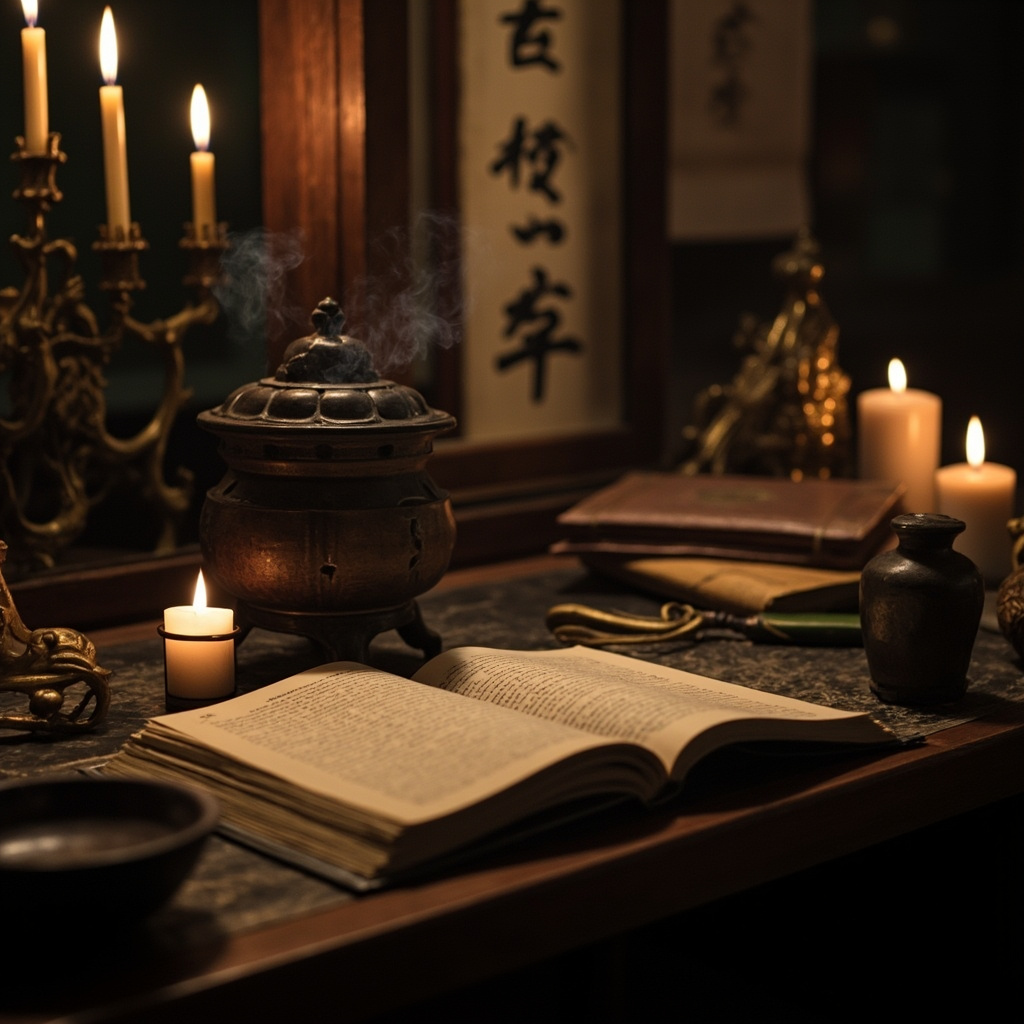
Xiangdao isn’t one thing. It has many facets. Figure out what pulls you in and start there.
Curious about the history and philosophy?
Dive into the cultural side. Read about how incense was used in ancient courts, in temples, by scholars. Learn the stories behind classic formulas.
Drawn to the sensory experience?
Start exploring different scent families. Try sandalwood, then agarwood. Notice the differences. Build your vocabulary for describing what you smell.
Want to make your own blends?
Begin experimenting with simple combinations. Start small – two or three ingredients max. Learn how they interact before trying anything complex.
Interested in the meditative aspect?
Focus on the practice. How to prepare your space. How to light incense mindfully. How to be present with the experience.
The Practice Matters More Than the Theory
You can read all the books, memorize all the formulas, learn all the history. But xiangdao is ultimately something you do, not just something you know.
So practice. Regularly. Even if it’s just burning one stick a day while you read or meditate or do nothing at all.
Some suggestions:
- Set a specific time each day for incense – make it a ritual
- Don’t multi-task while burning – be present with the experience
- Take notes on what you burn and how it affects you
- Experiment with different contexts – reading, meditating, relaxing
Common Pitfalls to Avoid
Buying too much too fast.
Resist the urge to stock up on dozens of incense types. You’ll waste money on things you don’t understand yet. Buy small amounts, experiment, learn what you like.
Comparing yourself to experts.
You’re a beginner. The fact that you can’t identify 47 scent notes or recite the history of every incense tradition is fine. That comes with time.
Rushing the experience.
Incense isn’t background music. If you’re just burning it while scrolling your phone, you’re missing the point.
Spending too much on materials before understanding what you like.
That $200-per-stick aged agarwood isn’t going to mean much if you don’t have a baseline for comparison. Learn the basics with affordable options first.
Finding Your Path: A Simple First Week
Here’s something concrete to get you started:
Day 1-2: Buy or find one quality stick incense. Something basic – sandalwood or a simple blended stick. Burn it twice. Pay attention to how the smell evolves over time.
Day 3-4: Try a different type. Notice the differences. Write down what you smell.
Day 5: Read one article or book chapter about xiangdao history or philosophy.
Day 6: Try burning while doing something else – reading, just sitting, light work. Notice how it affects your focus or mood.
Day 7: Reflect. What did you learn? What do you want to explore more?
That’s it. No pressure. No complicated rituals. Just presence and exploration.
The Long Game
Xiangdao is a lifetime practice. There’s always more to learn, deeper to go. Don’t expect to master it in a month, a year, probably ever.
That’s actually the point. The journey is the destination. You don’t arrive at some final state where you “know xiangdao.” You just keep exploring, keeps experiencing, keeps deepening.
So relax. Start where you are. Use what you have. Do what you can. The rest unfolds naturally.
Frequently Asked Questions
How long does it take to get good at xiangdao?
There’s no finish line. You’re not trying to reach some level of proficiency. It’s a practice, not a skill to be mastered. You get out what you put in, and there’s no endpoint.
Do I need expensive incense to start?
No. Start with quality but affordable options. You’re developing your palate and understanding, not impressing anyone. Cheap synthetic stuff isn’t great, but you don’t need the rarest agarwood either.
Is there a right age or background to start?
No. Anyone can practice xiangdao. Young, old, experienced with incense or completely new. It meets you where you are.
Do I need a teacher or can I learn on my own?
Both have value. A good teacher can accelerate learning and provide guidance. But self-study with good resources is completely valid. Many practitioners are self-taught. Do what works for you.
What if I don’t “get” the meditative aspect?
That’s fine. Not everyone connects with the mindfulness side, and that’s okay. Xiangdao is also about sensory exploration, craftsmanship, cultural connection. Whatever draws you in is valid.