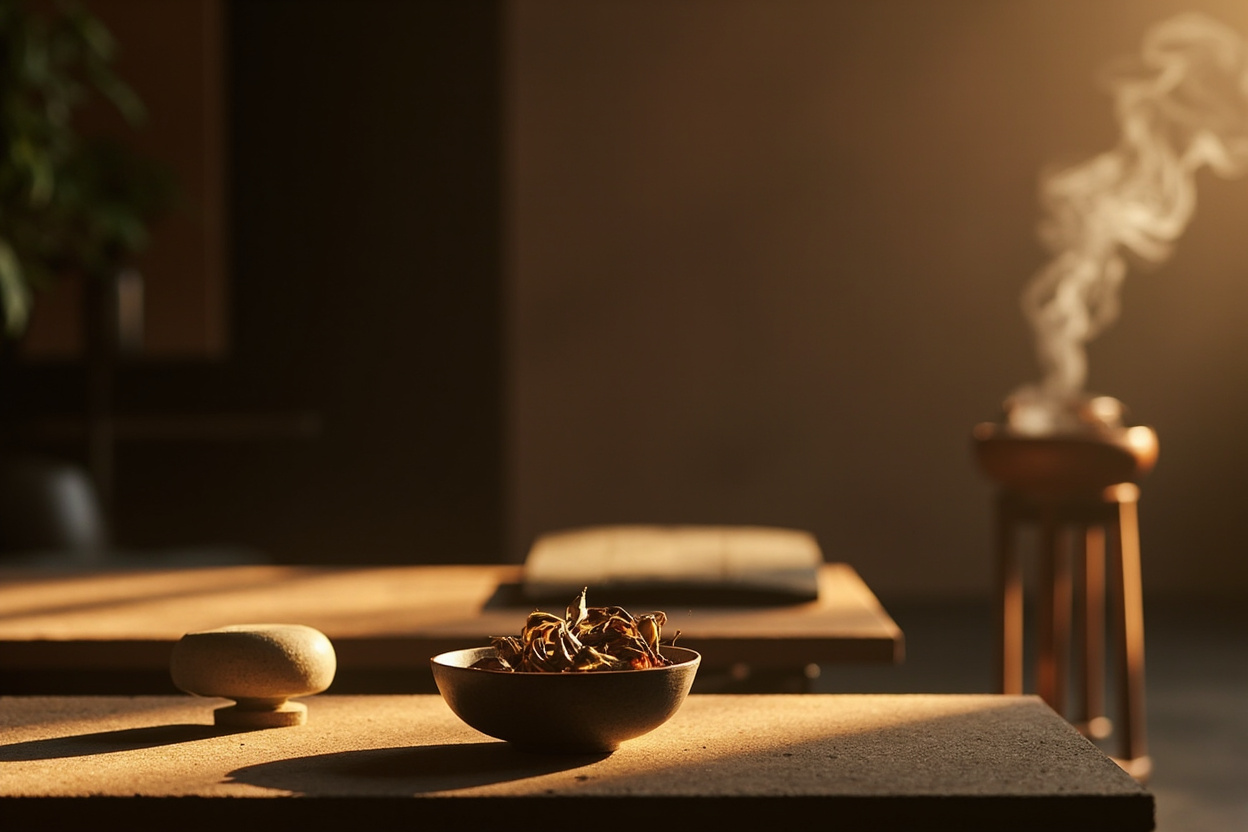
You open the door after a long day. Before anything else registers — the mail on the counter, the half-empty mug on the desk — there is a fragrance. It is waiting for you. Light, familiar, unhurried. And something in your chest loosens.
This is what a scented home feels like. Not air freshener. Not a candle. A home that has been quietly, consistently alive with fragrance — one that greets you before you even arrive.
Why Chinese Homes Have Always Been Scented
In Chinese domestic tradition, fragrance was never considered cosmetic. The home was understood as a living organism — and fragrance was its breath. Classical texts from the Han dynasty onward describe households burning incense in entrance halls to purify arriving energy, in main living areas for atmosphere, and in studies and bedrooms for more specific purposes.
Choosing the Right Fragrance for Each Room
The Entrance Hall — Set the Tone at the Door
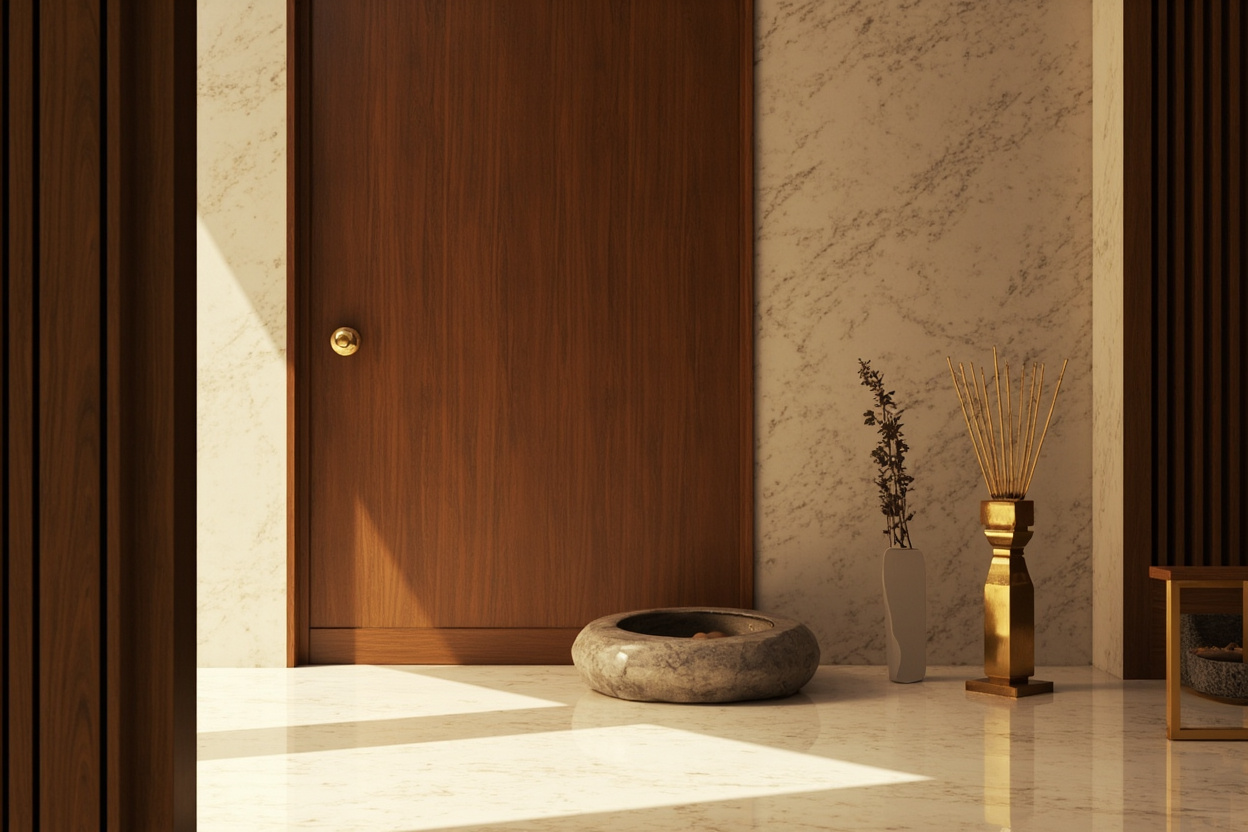
The entrance is where external energy enters your space. Classical practice recommended light, clearing scents here — not heavy or sedating. This is not the place for deep agarwood or rich blends.
- Recommended: 艾草 + 柏木 (Mugwort + Cypress) — sharp, clean, purifying
- Alternative: Light 沉香 (Chenxiang) — a small electric aroma tray by the door works well
- A reed diffuser or small aroma lamp near the entrance is safer than burning sticks where foot traffic is high
The Living Room — Warmth and Openness
The living room is the social center of the home and benefits from warm, welcoming fragrances that do not tire the nose over long exposure.
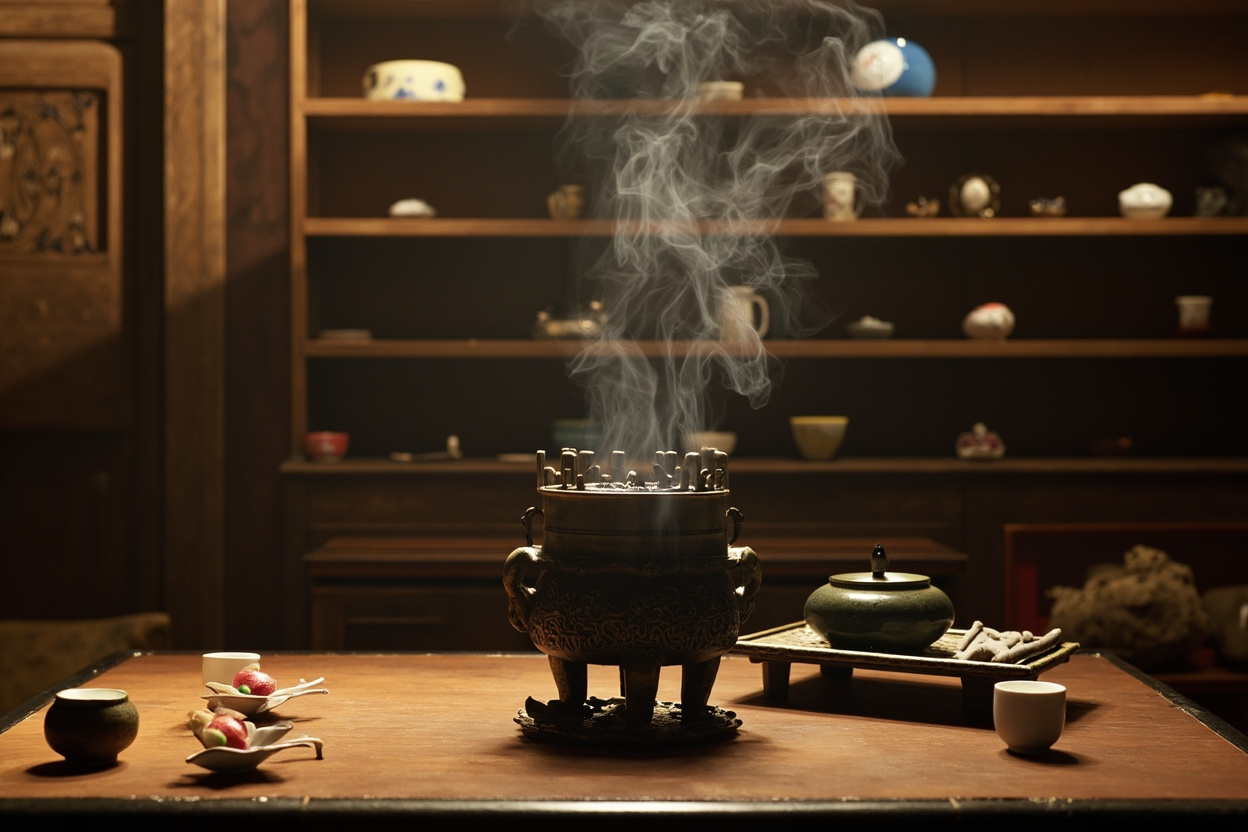
- Recommended: 檀香 (Tanxiang / Indian Sandalwood) — creamy, sweet, universally comfortable
- Alternative: 合香 (He Xiang / Blended Incense) — complex layers that evolve as people talk and move through the space
- Burn a stick 30 minutes before guests arrive so the room is ready when they step in
The Study or Home Office — Focus and Clarity
The Chinese scholar’s study (书房) was never without incense. The fragrance served a functional purpose: sharpening attention and creating a boundary between work-mode and rest-mode.
- Recommended: 沉香 (Chenxiang / Agarwood) — complex, non-linear scent that engages the mind without distracting
- Alternative: 乳香 (Ruxiang / Frankincense) — clean, slightly citrusy, excellent for sustained focus
- Use a small desk burner on low heat; a 20-minute burn is enough to set the tone for a work session
The Bedroom — Calm and Rest
The bedroom calls for the most restrained approach. The goal is not a strong fragrance but a subtle presence — one that promotes sleep rather than stimulation.
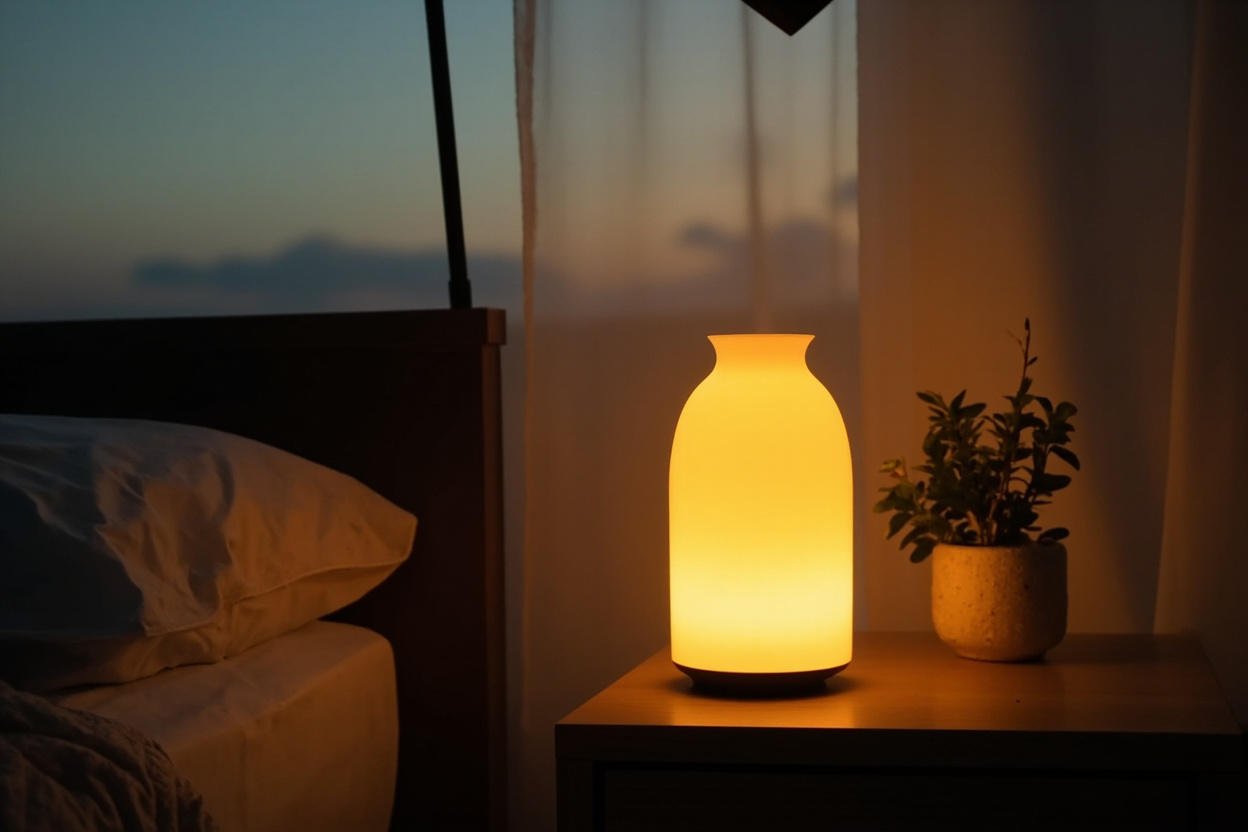
- Recommended: 薰衣草 + 沉香 (Lavender + Chenxiang blend) — deeply relaxing without being synthetic
- Alternative: 鹅梨帐中香 (Eli Zhang Zhong) — sweet, gentle, historically used in imperial bedrooms
- Use cold diffusion only in bedrooms — never burn incense in an enclosed bedroom while sleeping
Burning vs. Cold Diffusion: Choosing Your Method
There are two broad approaches to scenting a home with natural incense, and each has distinct advantages:
Direct Burning (线香 / 盘香)
- More authentic and traditional — the way incense was always intended to be used
- Produces actual smoke, which carries the scent further and faster
- Best in spaces with good ventilation (living room, entryway, open study)
- Requires supervision — never leave burning incense unattended
- Consider short sticks (10–15cm) for bedroom or bathroom use
Cold Diffusion (香薰 / 无火香薰)
- Safer for bedrooms, children’s areas, and anywhere you cannot monitor a burn
- Reed diffusers with pure 沉香 or 檀香 oil provide 24/7 ambient fragrance
- Aroma lamps (通电香薰灯) with a few drops of essential oil work very well for controlled, gentle scent
- Does not produce smoke — better for those with mild respiratory sensitivities
- The scent is milder and less complex than burning, but consistent throughout the day
Important Safety Notes
- Never burn incense in fully enclosed rooms without ventilation — crack a window
- Keep burning incense at least 1 meter away from curtains, bedding, or anything flammable
- Reed diffusers using pure natural oils should be kept out of reach of children and pets
- Replace reed diffuser oil every 2–3 weeks; stale oil can develop bacterial growth
- If you have cats or dogs at home, be aware that essential oils (especially tea tree, eucalyptus, citrus) can be harmful to pets — stick to natural wood-based scenting rather than oil diffusers
- Smoke-based scenting is not recommended for households with infants or anyone with asthma or COPD
Frequently Asked Questions
How do I make my home smell like a Chinese incense shop without it being overwhelming?
The key is layering. Start with a cold reed diffuser in the entrance hall or living room — this provides constant, gentle background fragrance. Then add a burning session (20–30 minutes, once or twice daily) in the room you are most present in. The combination is far more natural and less overwhelming than continuous burning, and the contrasts between scented and unscented moments actually make the fragrance more noticeable when it is present.
What is the best incense for a living room with open plan layout?
For open-plan spaces, choose 檀香 (Indian Sandalwood) or a light 合香 blend. Both carry well through air movement without becoming sharp or cloying. A larger burner (10cm+) with a longer stick (20–25cm burn time) is better than small sticks that burn out in 15 minutes.
Can I use the same fragrance throughout the entire house?
You can, but traditional Chinese practice would modulate intensity and type by room. The entrance hall benefits from lighter, clearing scents. The bedroom should be the most restrained. The living room and study can carry more complex fragrances. Think of it like music — the whole house can be in the same key, but each room has its own volume.
How often should I burn incense at home?
Once or twice a day is enough to maintain a scented home without overexposure. Morning and early evening are the most traditional times. If you prefer cold diffusion, a reed diffuser can run continuously but should be refilled or refreshed every 2–3 weeks.
How do I prevent my cat from knocking over the incense burner?
Place burners on high shelves, in wall niches, or on surfaces that are difficult for cats to access. Never burn incense on a low table or floor where a pet could brush against it. Alternatively, switch to a wall-mounted incense holder or a cold reed diffuser, which eliminates the fire risk entirely.
A scented home does not happen by accident — it is built deliberately, room by room, with the right fragrance for each space. Explore our full collection of natural incense sticks, burners, and cold diffusion sets to begin building your own fragrant home.