Starting With Incense Making? Start Here.
Okay, so you wanna make your own incense. That’s awesome. But before you go wild buying every herb and resin you can find, let me save you some headache.
I’ve seen people drop hundreds on materials, spend weeks experimenting, and end up with stuff that either smells weird or doesn’t burn right. All because they skipped the basics.
So here’s what I wish someone told me when I was starting out. The actual rules that matter.
Rule 1: Start Stupidly Simple
I know, I know. You wanna make something complex and amazing. But seriously — start with two, maybe three ingredients. Maximum.
Why? Because when you’re learning, you need to understand how each ingredient behaves on its own. How it burns. What it smells like fresh versus burned. How the smoke acts. All that basic stuff.
You can’t learn that in a blend with fifteen ingredients. Too much going on. Nothing makes sense.
So: one wood as your base. Maybe one supporting ingredient. That’s it. Get that working first.
Rule 2: Quality Over Quantity
Your ingredients are everything. Bad materials make bad incense. Period.
And I don’t mean you need to spend a fortune. I mean you need to buy from decent sources. Natural materials, properly processed. Not the cheapest stuff that might be old, adulterated, or just low-quality.
Start with the classics:
- Good sandalwood — your baseline for learning
- Agarwood chips — if you can afford it, adds complexity
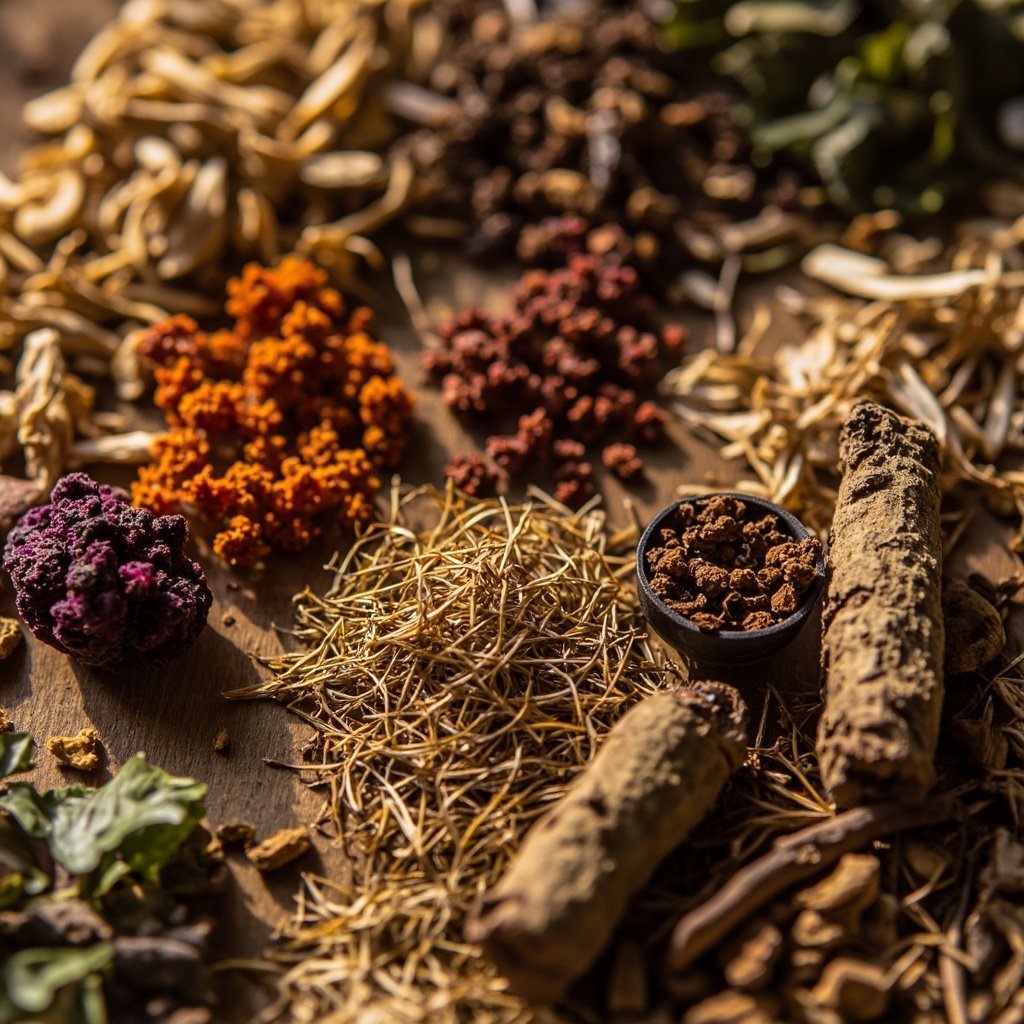
- Some simple botanicals — dried flowers, herbs you’re familiar with
Once you know what good materials smell like, you can expand. But start with quality, even if it means buying less.
Rule 3: Get Your Ratios Right
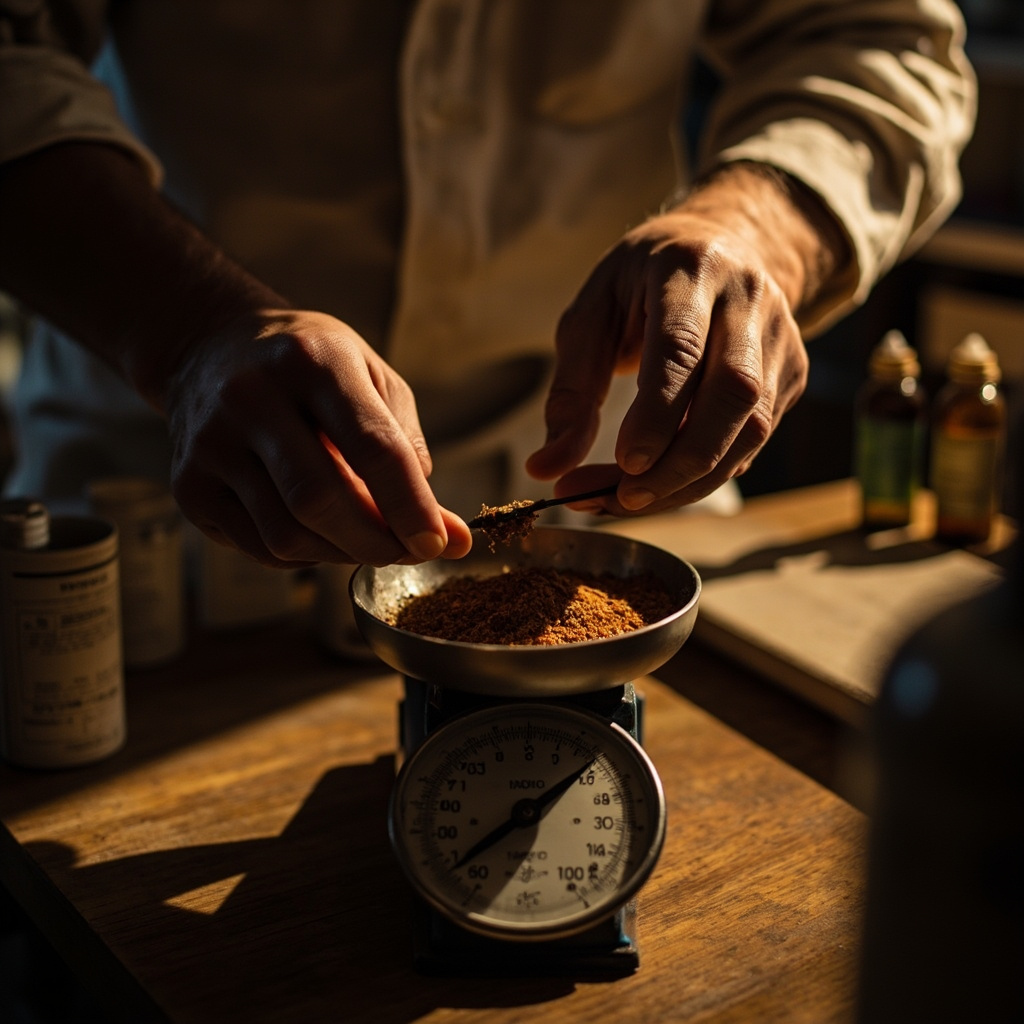
Yeah, yeah, math. Boring. But seriously — eyeballing doesn’t work. Not when you’re starting out.
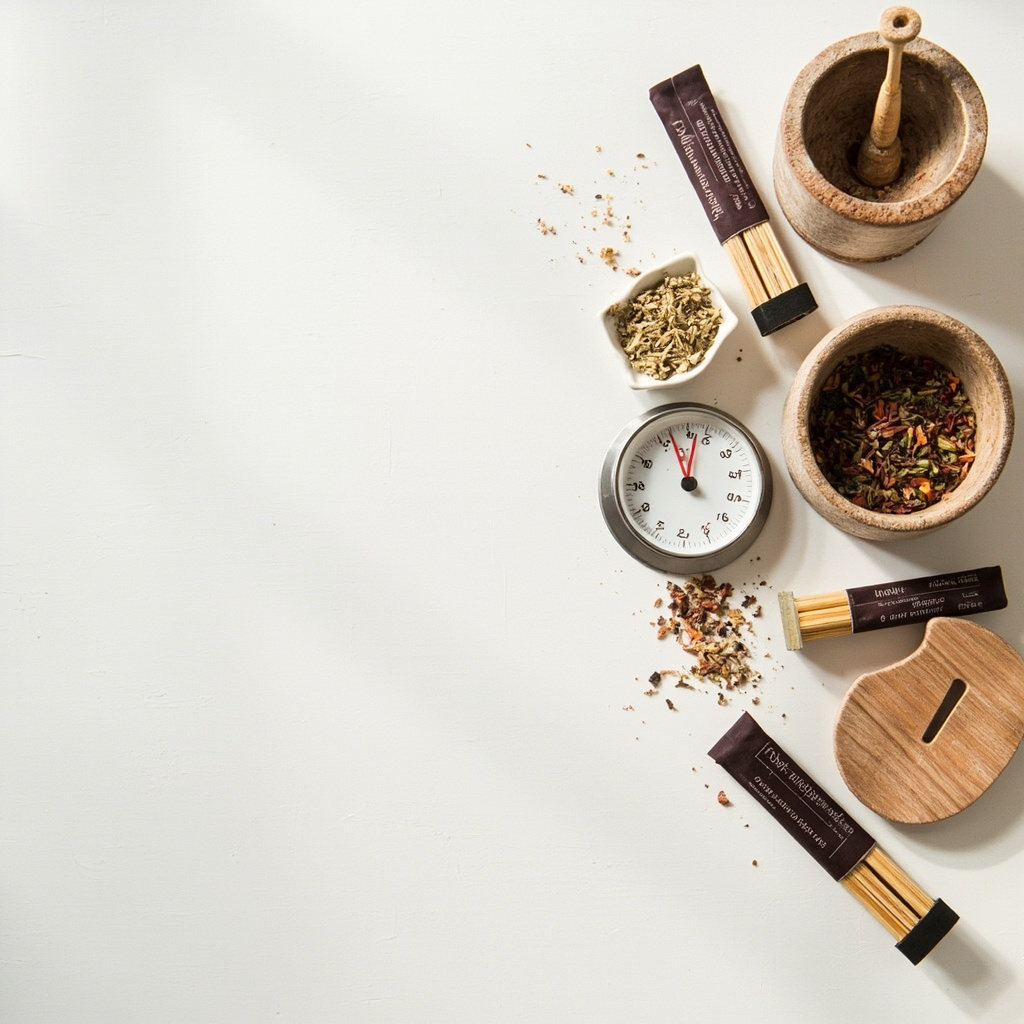
Get a small digital scale. Something accurate to 0.1 grams. You need to be able to measure your ingredients precisely so you can replicate what works and not waste what doesn’t.
Write everything down. What you used, how much, what happened when you burned it. Otherwise you’ll never be able to recreate a success or fix a failure.
Rule 4: Be Patient With Processing
Here’s something nobody talks about enough. Your ingredients probably need processing before you can use them.
Drying, grinding, sifting — all of this affects how the incense burns and smells. Different materials need different processing. Some need to be ground very fine. Others work better slightly coarser. Some benefit from being aged.
Don’t just dump raw materials together and expect magic. Take the time to process each ingredient properly. It’s half the work, maybe more.
Rule 5: Test Small
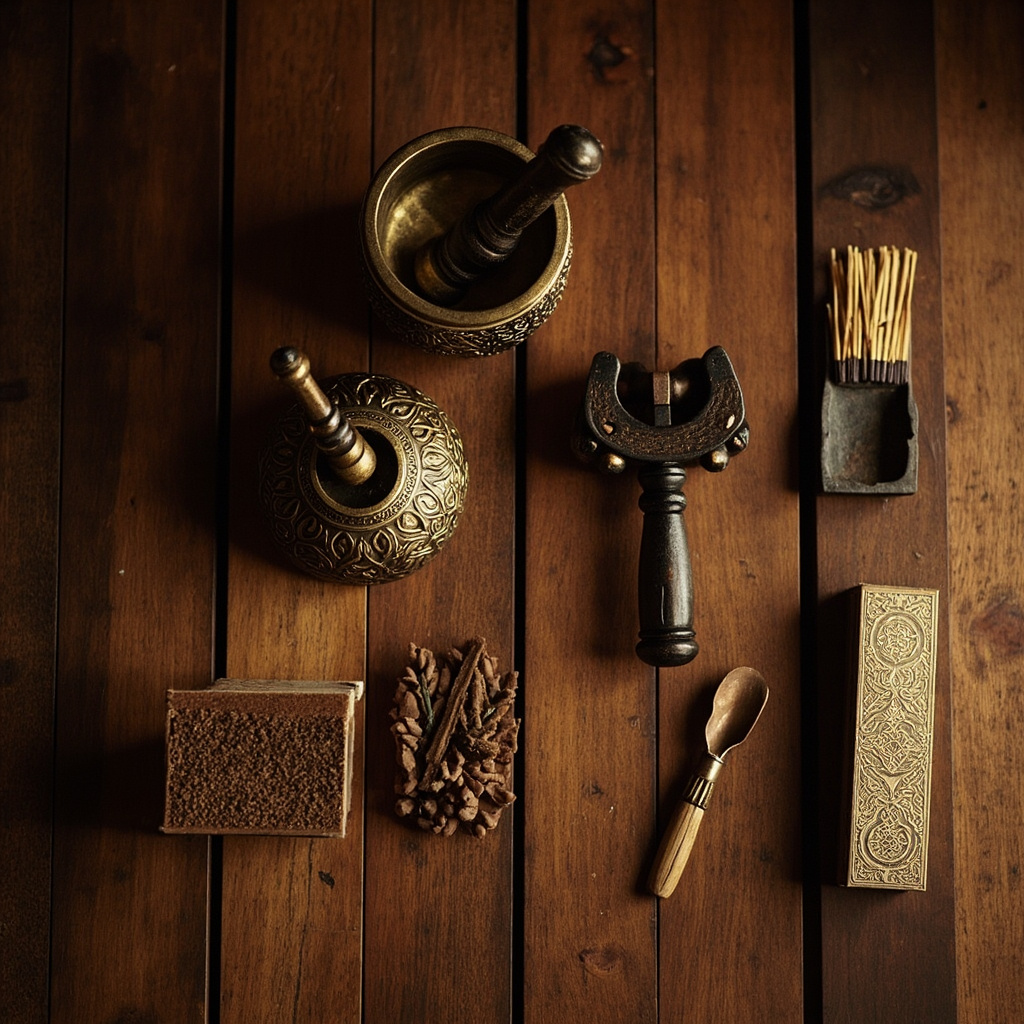
I know it’s exciting. You wanna make a big batch. But please — make like 5-10 grams at a time when you’re testing. Maybe less.
Why? Because if it doesn’t work, you’ve only wasted a tiny amount of materials. And you’ll probably need to adjust and try again. Maybe several times. Small batches let you iterate fast without blowing through your supplies.
Once you’ve got something that works? Then scale up. But not before.
Rule 6: Burn It Right
Here’s the thing — how you burn matters as much as what you made. A good blend can smell terrible if you burn it wrong. A mediocre blend can smell decent if you burn it right.
Some basics:
- Use proper holders — don’t just balance it on stuff
- Let it find its temperature — give it a minute before you decide how it smells
- Ventilation matters — not too much, not too little
- Wait between tests — give your nose a break, or you go nose-blind
Rule 7: Keep Your Nose Honest
Your nose adapts. Fast. What smells amazing after a few minutes might start to fade from your perception even though it’s still there.
Some tips:
- Take breaks between tests — 10-15 minutes minimum
- Cleanse your palate — coffee beans, unscented soap, anything neutral
- Test with fresh nose when possible — morning, before coffee, before anything strong-smelling
- Get feedback — other people’s noses don’t adapt the same way yours does
If something smells different to someone else than it does to you, trust theirs more. Yours is probably tired.
Rule 8: Document Everything
I can’t stress this enough. Keep notes. Detailed notes.
What did you use? How much of each? How did you process them? What was the weather like? How did you burn it? What did you smell and when?
Every detail could matter. And you think you’ll remember. You won’t. A week later you won’t remember what you did, and you’ll have to figure it out again from scratch.
Write. It. Down.
Rule 9: Start With Traditional Formulas
Here’s a secret. You don’t have to invent your own blends. Traditional formulas exist for a reason — they work. They’ve been refined over generations.
Start by following traditional formulas exactly. E Li Zhang Zhong. Xue Zhong Chun Xin. Whatever. Make them as written. Get a feel for how they smell, how they burn, how the ingredients behave.
Only after you’ve made a few traditional blends should you start experimenting with modifications. By then you’ll understand why the formula is structured the way it is.
Rule 10: Accept That You’ll Fail
Most of what you make at first will be mediocre. Some will be bad. That’s normal. That’s fine. That’s how everyone starts.
The makers of the classic formulas? They failed for years before getting things right. Multiple iterations. Refinements. What you’re using as reference took someone a long time to develop.
So don’t expect to nail it immediately. Give yourself permission to mess up. That’s literally how you learn.
The Bottom Line
Starting with incense making? It’s a journey. Not a quick fix. The basics are simple, but mastering them takes time.
Start simple. Use quality materials. Measure everything. Test small. Be patient. Keep notes. Follow traditional formulas first. And remember — most of what you make at first won’t be great, and that’s completely normal.
But if you stick with it, if you keep learning and adjusting and trying again — eventually you’ll make something that just hits different. Something that makes you stop and just… sit there. That’s the goal. That’s why we do this.
Frequently Asked Questions
How long does it take to get decent at making incense?
Depends on how much you practice and how naturally your nose picks things up. Most people need at least 6 months to a year of regular experimentation before making consistently good incense. Some take longer. Be patient.
What’s the minimum equipment I need to start?
A good scale (0.1g accuracy), something to grind with (mortar and pestle or grinder), something to sift through, and a way to burn test (incense holder, charcoal, whatever method you’re using). That’s basically it.
Can I make incense without expensive ingredients?
Yeah, you can. Some of the best incense uses simple, affordable materials. What matters is getting the basics right, not having the rarest ingredients. Start with simple blends using common materials.
How do I know if my materials are any good?
Honestly, experience. Burn them alone. See if they smell right for what they’re supposed to be. See if they burn cleanly. Over time you’ll develop a sense for quality. Buy from reputable sources that know what they’re selling.
What’s the most common beginner mistake?
Trying to do too much too soon. Too many ingredients, too complicated formulas, not enough testing. Start simple. Master the basics. Then expand.