Guangdong’s Famous Local Agarwood
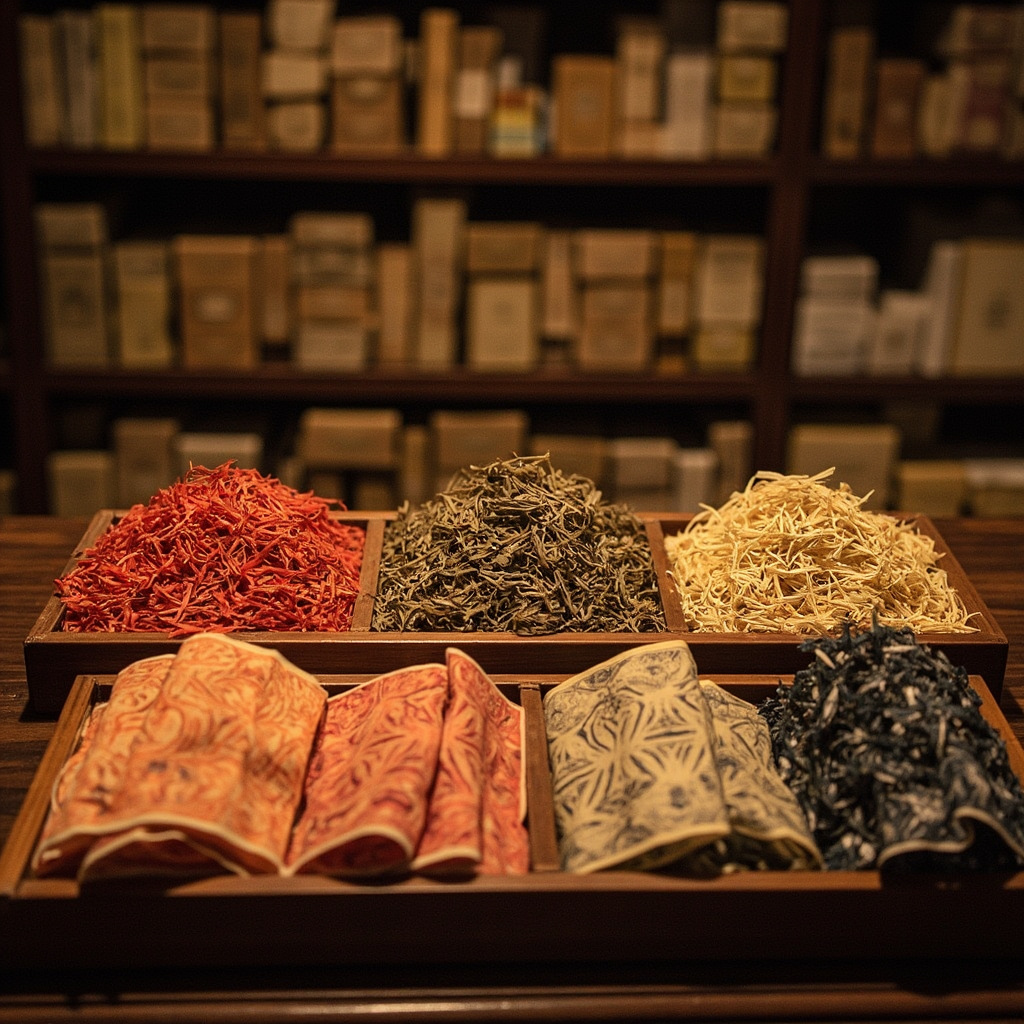
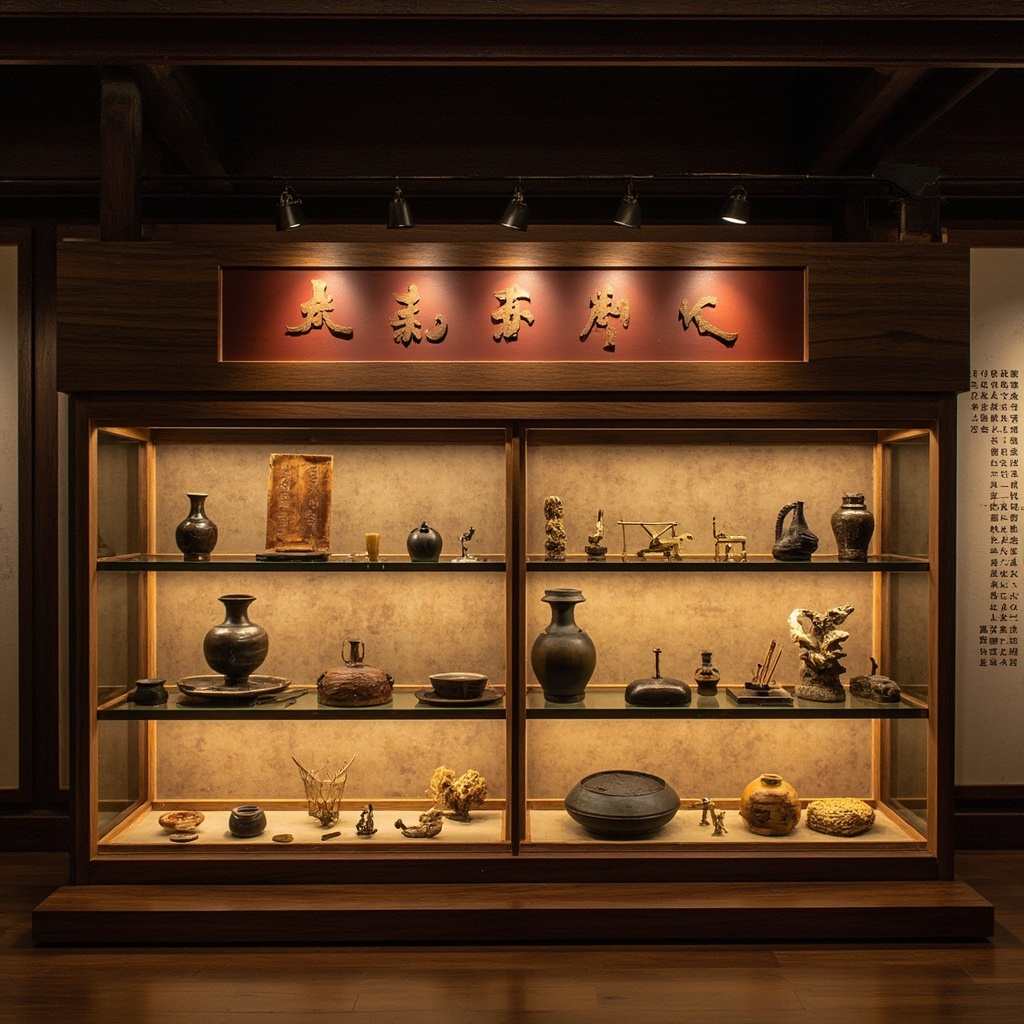
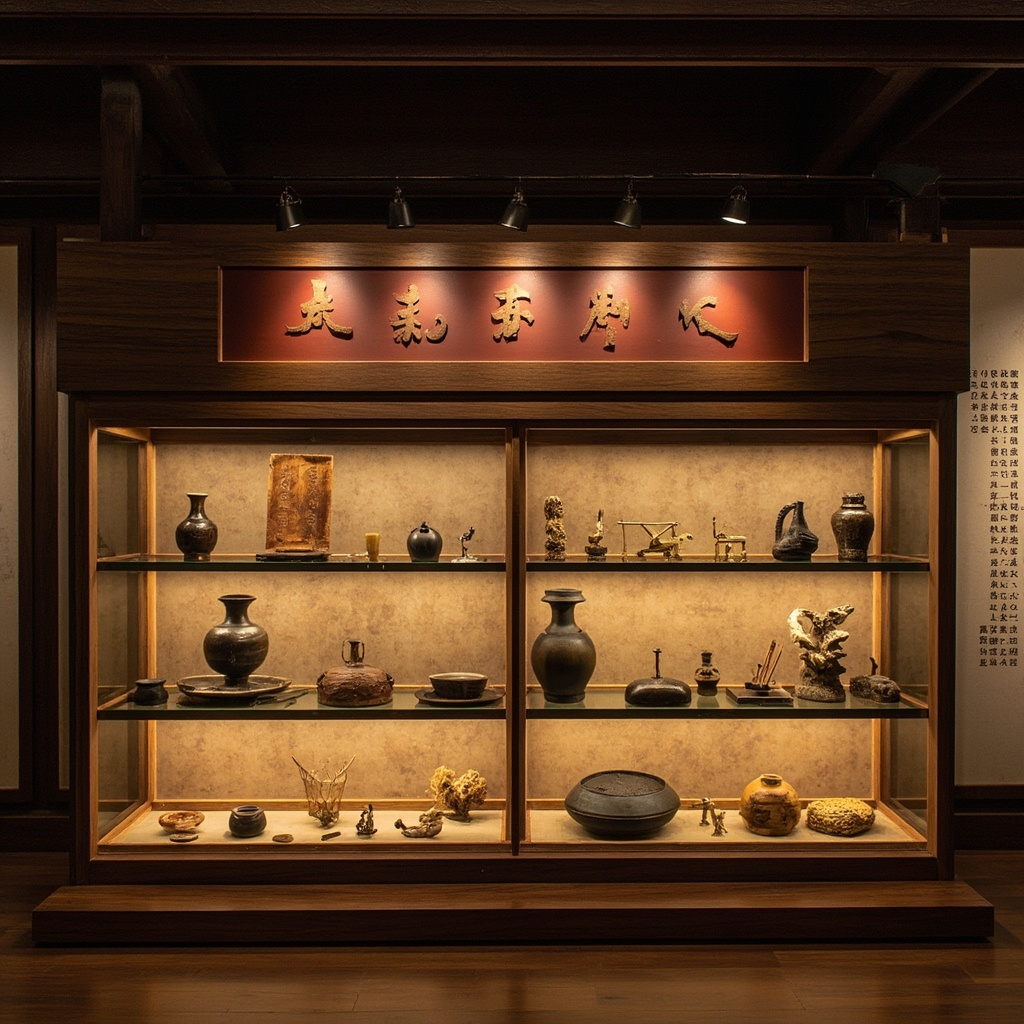
In the world of Chinese agarwood, most attention focuses on Hainan, Vietnamese, and Indonesian origins. But Guangdong province produces its own distinctive variety — guanxiang (莞香), named after Dongguan city where it traditionally flourished. This local agarwood developed its own character through centuries of cultivation and use, becoming an integral part of Guangdong incense culture.
What makes guanxiang special is not just its origin but its specific growing conditions. The warm, humid climate of Guangdong produces agarwood with characteristics that differ from island-grown varieties. For practitioners seeking variety beyond the standard origins, guanxiang offers something genuinely different.
While not as internationally famous as Hainan or Vietnamese material, guanxiang has maintained loyal appreciation in southern China for generations. Understanding guanxiang expands your appreciation of how geography shapes agarwood character.
What Exactly Is Guanxiang
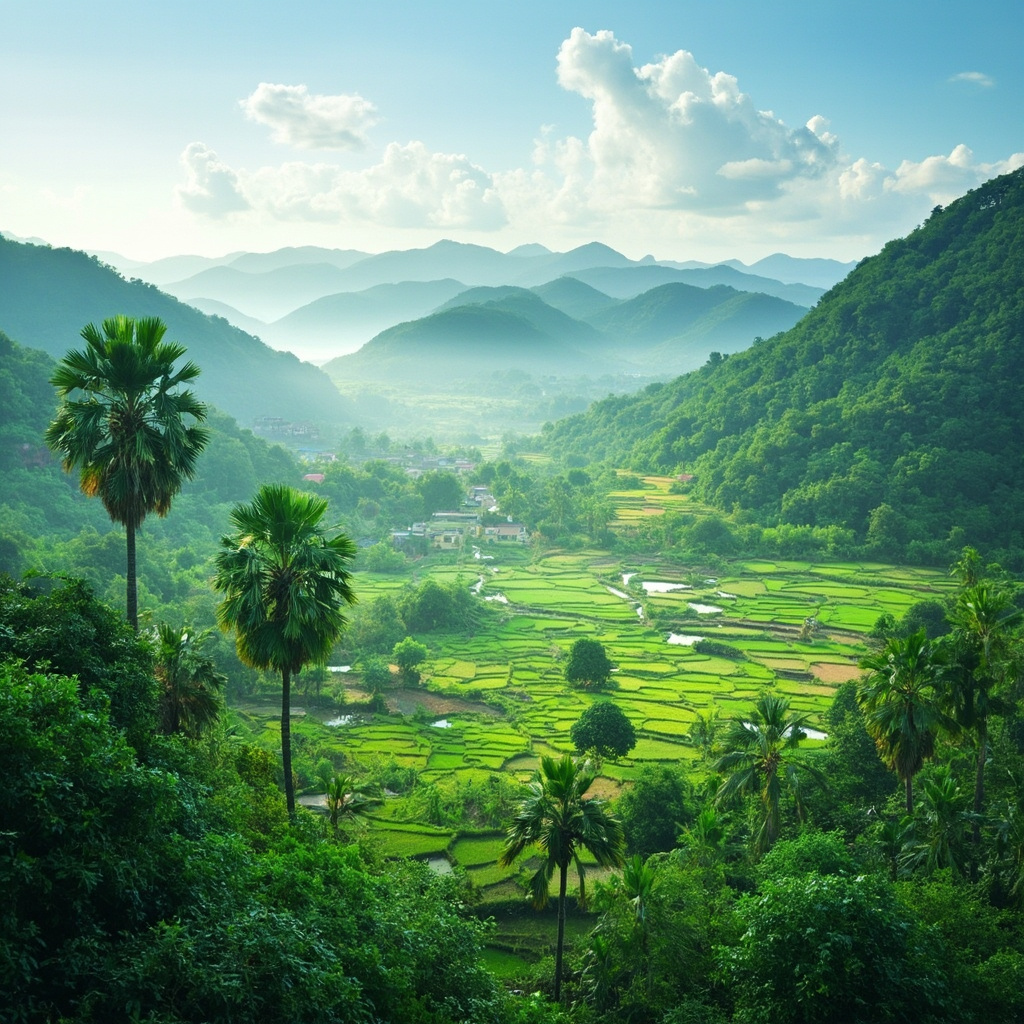
Guanxiang is Aquilaria sinensis grown in Guangdong province, particularly the Dongguan area. The species is the same as what produces Hainan agarwood, but local terroir creates distinct characteristics. The longer growing season, different rainfall patterns, and specific soil conditions influence how the trees develop and concentrate their aromatic resins.
The traditional classification system for guanxiang emphasizes the “one tree, six fragrances” concept — the idea that a single guanxiang tree can produce material with six distinct fragrance profiles depending on which part of the tree is harvested and how it is processed. This complexity made guanxiang prized among practitioners who valued variety and nuance.
Modern guanxiang production combines traditional cultivation methods with contemporary understanding of agarwood formation. The result is material that maintains historical character while ensuring more consistent supply.
How Guanxiang Differs from Other Origins
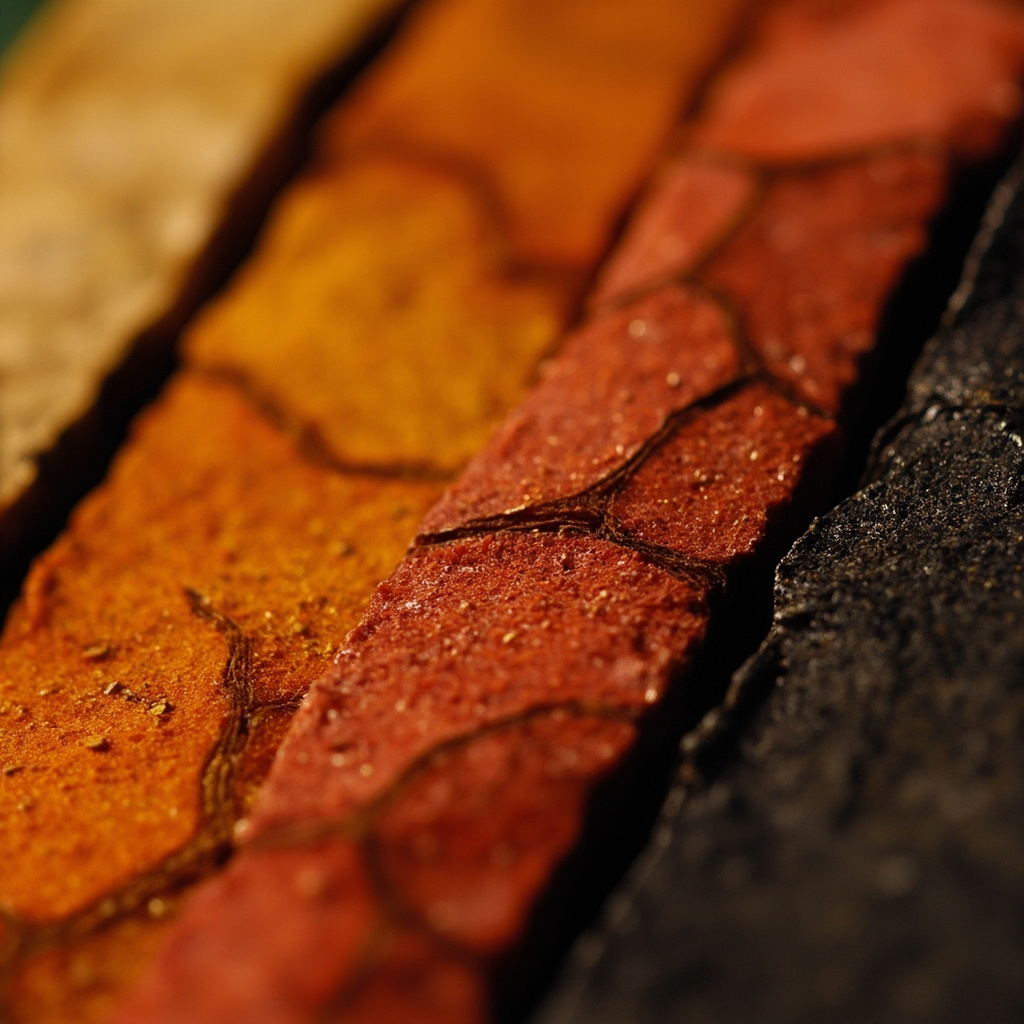
Comparing guanxiang to other origins reveals both similarities and differences.
Versus Hainan — Hainan agarwood tends toward sweeter, more tropical fragrance. Guanxiang from mainland Guangdong is slightly less sweet, with more evident woody base notes. The difference is subtle but noticeable to experienced practitioners.
Versus Vietnamese — Vietnamese agarwood often shows more floral top notes. Guanxiang reads as deeper, more grounded. The continental climate seems to produce less of the brightness that makes Vietnamese material so prized.
The variety factor — Guanxiang “one tree, six fragrances” suggests more internal variation than most other origins. This means material from different guanxiang sources can taste quite different, requiring more evaluation before purchase.
The accessibility factor — Guanxiang remains more accessible in southern Chinese markets than imported varieties. For practitioners in Guangdong or with access to southern markets, guanxiang offers local material at more reasonable prices than equivalent imported quality.
The Cultural Significance of Guanxiang
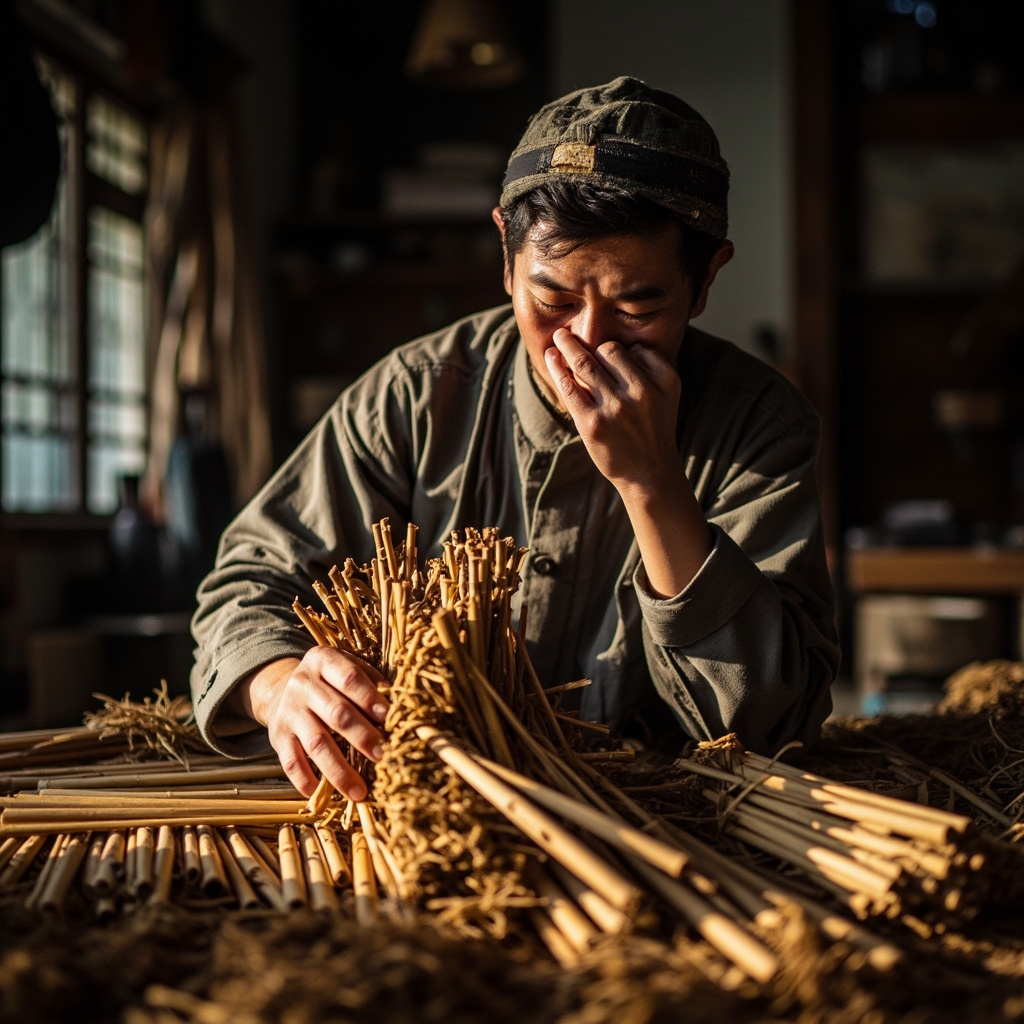
Guanxiang developed as part of Guangdong’s broader incense culture, which includes not just burning but traditional crafts like incense stick making that still thrive in Dongguan. The city hosts annual incense expos where practitioners gather to trade, learn, and celebrate the local tradition.
This living cultural heritage distinguishes guanxiang from some other origins that exist primarily as commodity materials. When you purchase guanxiang, you participate in a tradition maintained by local craftspeople and practitioners who have used this specific material for generations.
The guanxiang tradition also influenced how Chinese incense culture spread through Southeast Asia. Cantonese (Guangdong) traders carried incense practices throughout the region, making guanxiang part of a broader cultural exchange network that connected southern China to Vietnam, Malaysia, Indonesia, and beyond.
Practical Uses for Guanxiang
Guanxiang works in all standard agarwood applications but has some specific strengths.
Daily burning — The slightly more grounded character of guanxiang makes it excellent for daily practice. Less intense than premium Vietnamese or Hainan material, guanxiang provides consistent presence without the intensity that makes some premium origins overwhelming for regular use.
Blending base — The woody, grounded quality of guanxiang makes it excellent base material for custom blends. It carries other materials well while contributing its own character without competing for attention.
Space fragrance — Guanxiang projects well in enclosed spaces, making it suitable for larger rooms where you want recognizable agarwood presence without the premium pricing of more famous origins.
Cultural connection — For practitioners interested in the living tradition of Chinese incense culture, guanxiang offers connection to specific regional practices that more commodity-oriented materials cannot provide.
The Bottom Line
Guanxiang occupies a specific niche in the agarwood hierarchy: mainland Chinese origin, local Guangdong tradition, slightly more grounded character than island varieties, more accessible pricing for southern Chinese practitioners. It is not trying to compete with premium Hainan or Vietnamese material — it offers its own identity and value.
For practitioners seeking variety beyond the standard premium origins, guanxiang provides legitimate alternative. The “one tree, six fragrances” complexity suggests depth that rewards exploration. The local cultural connection adds dimensions that commodity materials lack.
If you are in southern China or have access to Guangdong markets, guanxiang deserves exploration. Even if you cannot access it directly, understanding its place in Chinese incense culture broadens appreciation for how regional traditions shape the larger world of xiangdao.
Frequently Asked Questions
Is guanxiang really different from other Chinese agarwood?
Yes. While all Chinese agarwood comes from the same Aquilaria species, local terroir produces distinct characteristics. Guanxiang tends slightly less sweet and more woody than Hainan material, with its own identifiable character that experienced practitioners recognize.
What does “one tree, six fragrances” mean?
The concept suggests that a single guanxiang tree can produce material with six distinct fragrance profiles depending on which part is harvested and how it is processed. This complexity made guanxiang valued for providing variety within a single local origin.
Where can I buy guanxiang?
Guanxiang is most accessible in Guangdong and Hong Kong markets. The Dongguan area hosts annual incense expos where you can purchase directly from producers. For international practitioners, specialty incense vendors may stock guanxiang, though selection is more limited than for common origins.
Is guanxiang expensive?
Generally less expensive than equivalent quality Hainan or Vietnamese material, but more expensive than commodity Indonesian grades. The pricing reflects local demand and cultural significance more than quality differential — you can find excellent guanxiang at reasonable prices if you know sources.