Gan Song (甘松): Spikenard — The Sacred Himalayan Herb in Chinese Incense
From the high meadows of the Himalayas — Nepal, northern India, western China — comes one of the most ancient aromatic materials in the world: Gan Song (甘松, Nardostachys jatamansi), known in the West as spikenard, nard, or muskroot. This humble-looking plant, with its束状的灰色根茎和紫色钟形小花,在古代被基督教、犹太教、印度教、佛教共同珍视. In the Hindu tradition, it was an offering to the gods. In ancient Egypt, it was a key ingredient in kyphi, the most sacred incense of the pharaohs. In the Roman Empire, it was a luxury good worth more than gold. And in China, it found its place in the incense tradition as a sedative, a stabiliser, and a deeply calming presence in blends designed to quiet the spirit and still the mind.
What Is Gan Song?
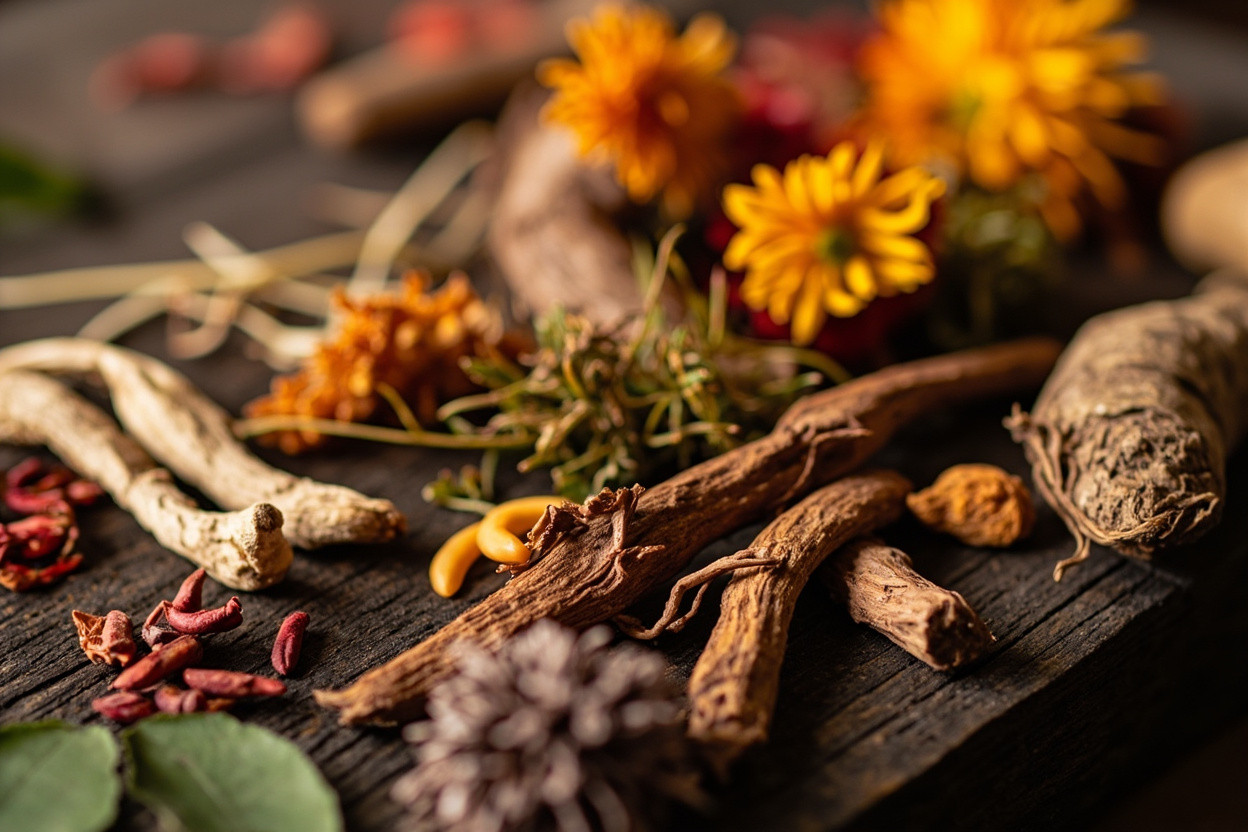
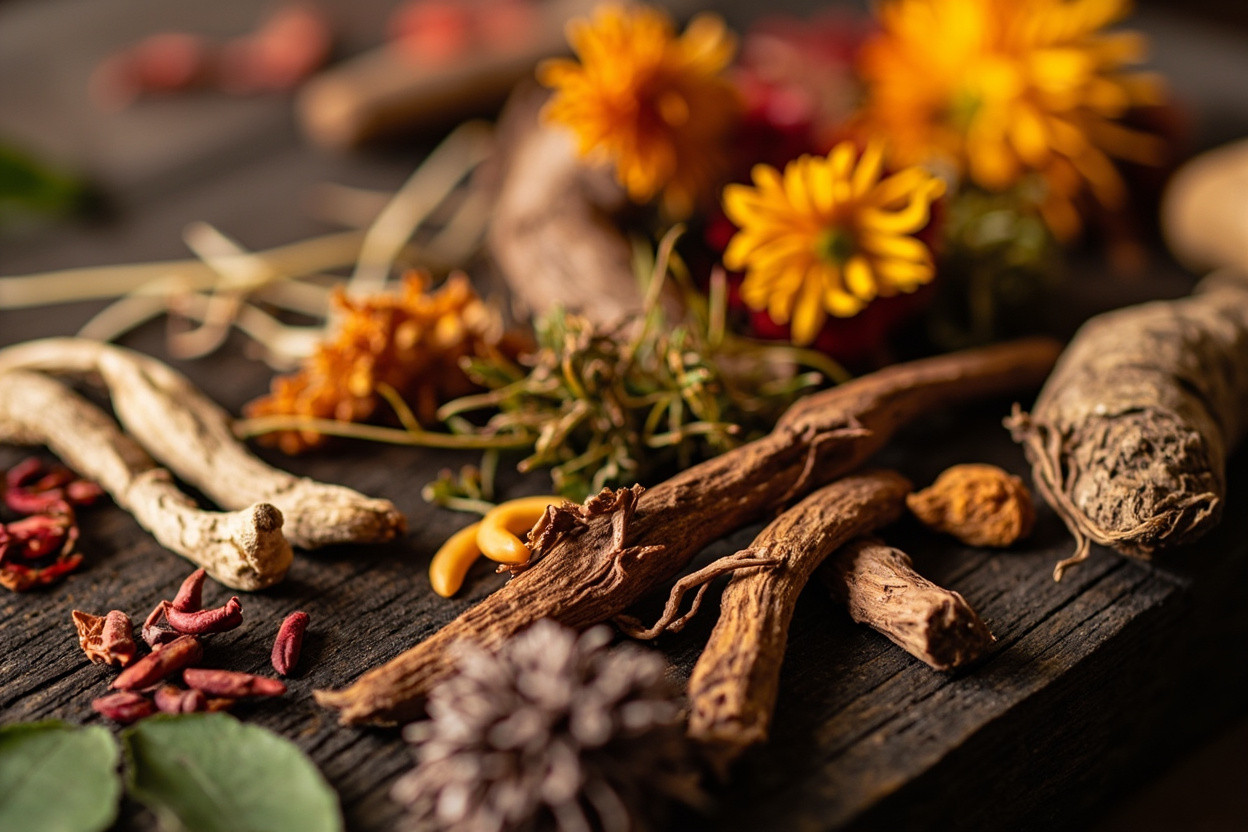
Gan Song is the dried rhizome of Nardostachys jatamansi, a perennial plant in the Caprifoliaceae (honeysuckle) family that grows at elevations above 3,000 metres in the Himalayas — primarily in Nepal, Sikkim, Bhutan, and the Chinese provinces of Gansu, Qinghai, Sichuan, and Yunnan. The plant produces clusters of small, bell-shaped pink or purple flowers and has a distinctive rhizome — long, slender, covered in fibres that give it a matted, “mousy” appearance that is characteristic of the dried material.
The fragrance is distinctive: intensely aromatic, warm, and complex — with notes of resin, earth, dried fruit, and a subtle animalic undertone that gives it depth and persistence. It is this complex fragrance, and Gan Song’s remarkable sedative properties, that made it one of the most sought-after aromatic materials in the ancient world.
Historical Background: A Herb of the Ancient World
Gan Song’s history is extraordinary — it appears in the religious and aromatic traditions of virtually every civilisation that had access to the ancient Silk Road trade network.
In the Bible: Spikenard is mentioned multiple times — most famously in the Gospel of John, where Mary of Bethany anoints Jesus’s feet with “ointment of spikenard, very precious” (John 12:3). The value of this ointment was estimated at more than 300 denarii — nearly a year’s wages for a labourer.
In ancient Egypt: Nard was a key ingredient in kyphi — the most sacred incense of Egyptian temple ritual. Kyphi was used in temple worship, healing ceremonies, and funerary rites. The formula, preserved in ancient papyri, called for sixteen ingredients including spikenard, honey, wine, and various resins.
In ancient Greece and Rome: Spikenard was imported from India via the Silk Road and Arabian trade routes. Pliny the Elder described it in detail in his Naturalis Historia (77 CE), noting its use in perfumery and medicine. It was sufficiently valuable that it was sometimes used as currency.
In India: Spikenard (called jatamansi in Sanskrit) has been used in Ayurvedic medicine for over two thousand years as a sedative, a nervine tonic, and a treatment for insomnia and anxiety. It is still widely used in traditional Indian medicine today.
In China: Gan Song entered the Chinese pharmacopoeia early, with references in the Shennong Bencao Jing (《神农本草经》). Li Shizhen in the Compendium of Materia Medica (《本草纲目》) described it as “harmonising the liver, relieving constraint, and calming the spirit.” It was used in court incense and in formulas for insomnia and anxiety.
Gan Song in Chinese Incense
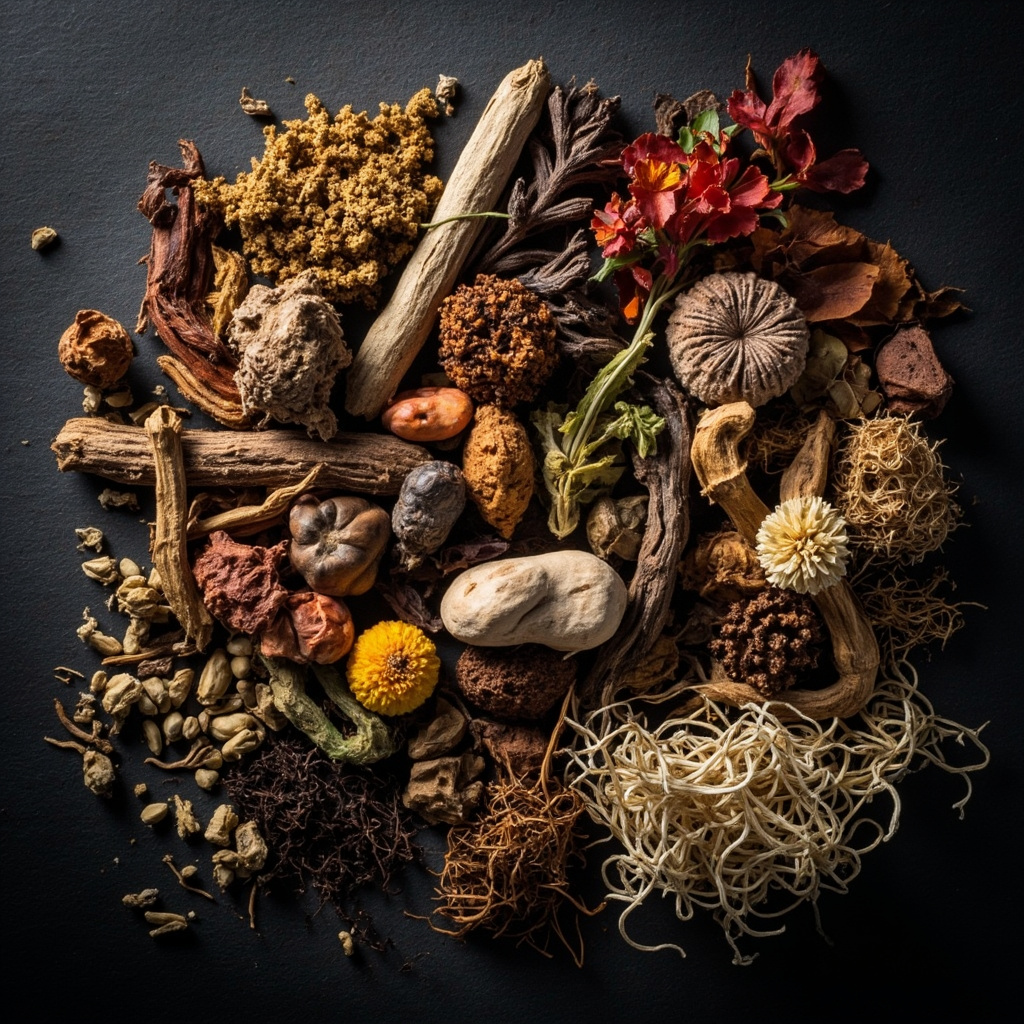
In hexiang (合香) practice, Gan Song is classified as a grounding sedative — a material that quiets the mind, stabilises scattered energy, and supports deep relaxation. It is used in blends for meditation, sleep, and nervous system support.
Traditional applications:
1. Meditation and sleep blends: Gan Song’s deeply calming properties make it particularly valuable in blends designed for meditation and pre-sleep use. Its grounding quality supports the seated, quiet state of meditation; its sedative properties make it ideal for evening burning.
2. “Spirit-quieting” incense (安神香): Classical formulas designed to “quiet the shen” — the spirit or consciousness — often incorporate Gan Song as a primary material. These blends are used by those experiencing anxiety, insomnia, or emotional turbulence.
3. Blending ratios: Gan Song is used at 10–20% of a blend — it has a strong fragrance that can dominate if overused, but is powerful at these ratios. It pairs well with sandalwood (which softens its earthiness), benzoin (which adds warmth), and small amounts of spikenard or other sedative herbs.
Modern Research
Modern research on Nardostachys jatamansi has been extensive, with studies supporting many of its traditional uses:
- Anxiolytic and sedative effects: Multiple animal and human studies have demonstrated that jatamansi extracts reduce anxiety and improve sleep quality, attributed to compounds that modulate GABA receptors in the central nervous system
- Neuroprotective effects: Studies suggest jatamansi may protect against oxidative stress and neurodegeneration, supporting its traditional use as a nervine tonic
- Antioxidant activity: The essential oil shows significant antioxidant properties
These findings align remarkably well with the traditional Chinese medicine understanding of Gan Song as a substance that “calms the shen and settles anxiety.”
TCM Properties
In Traditional Chinese Medicine, Gan Song is classified as pungent and sweet, entering the liver and spleen meridians. Its primary actions:
- “行气活血” — Moves qi, invigorates blood
- “解郁安神” — Resolves constraint, calms the spirit
- “止痛” — Relieves pain
Frequently Asked Questions
What does Gan Song spikenard incense smell like?
Gan Song has an earthy, warm, slightly animalic fragrance — with notes of dried fruit, resin, and a characteristic musky undertone. It is not a light or floral scent; it is dense, grounding, and deeply calming. Some describe it as similar to vetiver or a warm, earthy patchouli.
Is Gan Song the same as nard or spikenard?
Yes — Gan Song (甘松), spikenard, nard, and jatamansi all refer to the same plant: Nardostachys jatamansi. The common English name “spikenard” derives from “spike” (the spike-like flower cluster) and “nard” (from the Sanskrit narda).
Can Gan Song be burned alone?
It can, but its fragrance is quite strong and earthy when burned alone — most practitioners prefer it as a blending material, where its grounding qualities support the blend without overwhelming. If burning alone, use a very small amount (0.1–0.2g) on charcoal at moderate heat.
Is Gan Song safe for daily use?
Gan Song is considered safe for daily incense use in moderate quantities. However, pregnant women should avoid it, and those with pre-existing anxiety or depressive disorders should consult a healthcare provider before using it as a therapeutic tool.